



Baking without an oven is not just a workaround—it’s a long-standing practice in many Indian kitchens. From soft sponge cakes in pressure cookers to perfectly baked cookies in heavy-bottomed kadhais, the right cookware can replicate oven-like conditions with impressive results. The key lies in understanding how heat circulates, how materials respond to temperature, and how to create a controlled environment for consistent baking.
This guide explores the best cookware options for baking without an oven, along with techniques and tips to help you achieve bakery-quality results at home.
Table of Contents
- 1. How Baking Without an Oven Works
- 2. Pressure Cooker
- 3. Heavy-Bottomed Kadhai
- 4. Cast Iron Cookware
- 5. Stainless Steel and Triply Cookware
- 6. Essential Tools for Oven-Free Baking
- 7. Tips for Successful Baking Without an Oven
- 8. Common Mistakes to Avoid
- 9. What You Can Bake Without an Oven
- 10. Final Thoughts
How Baking Without an Oven Works
At its core, baking is about surrounding food with consistent, dry heat. In the absence of an oven, cookware like pressure cookers, kadhais, and heavy-bottomed pots can mimic this environment by trapping heat and allowing it to circulate evenly.
The process typically involves preheating the cookware and using a base layer—such as salt or a stand—to prevent direct contact between the flame and the baking dish. This ensures that heat is distributed evenly, avoiding burnt bottoms and undercooked centers.

Pressure Cooker: The Most Popular Oven Alternative
A pressure cooker is one of the most reliable tools for baking without an oven. Its thick walls and tight lid help create a sealed environment where heat builds up and circulates effectively.
To use it for baking, the whistle and gasket are removed to avoid pressure buildup. A layer of salt or a metal stand is placed at the bottom, and the cooker is preheated before placing the cake tin inside.
This method works exceptionally well for sponge cakes, brownies, and even breads. The enclosed space allows the batter to rise evenly, producing soft and moist textures similar to oven-baked goods.
Heavy-Bottomed Kadhai: Traditional and Effective
A deep, heavy-bottomed kadhai can function as a stovetop oven with remarkable efficiency. When covered with a tight lid, it traps heat and creates a uniform baking environment.
Kadhai baking is ideal for cakes, cookies, and even pizzas. The wide base ensures even heat distribution, while the depth allows sufficient space for the baked item to rise.
Using a thick, high-quality kadhai ensures that heat is retained and distributed evenly. This reduces the risk of hotspots and helps achieve consistent results.
Cast Iron Cookware: Superior Heat Retention
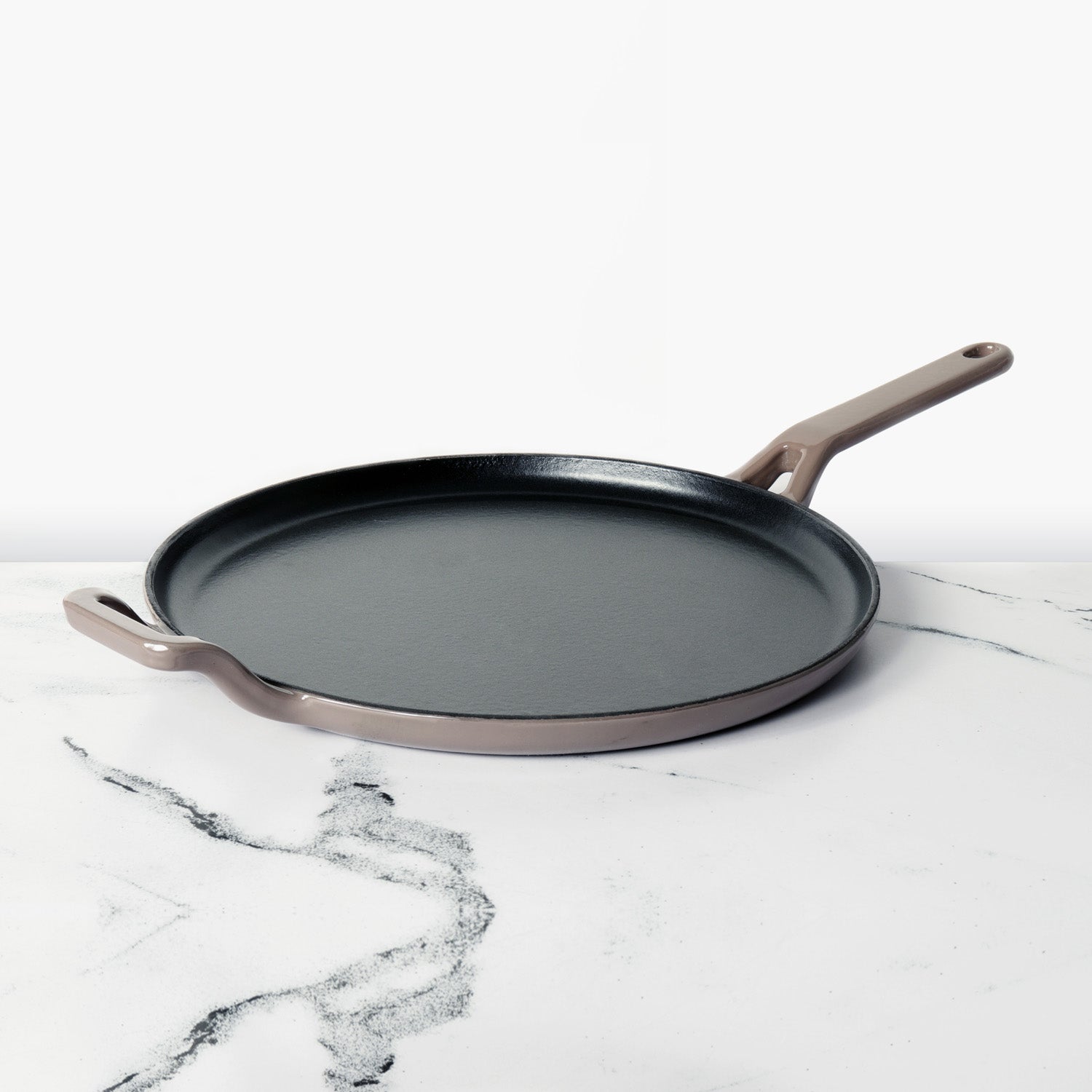
Cast iron is one of the best materials for baking without an oven due to its exceptional heat retention. Once heated, it maintains a stable temperature, which is crucial for baking.
A cast iron pan or pot can be used to bake cakes, cornbread, and even desserts like brownies. Its ability to hold heat ensures that the food cooks evenly from all sides.
Additionally, cast iron develops a naturally non-stick surface over time, making it easier to release baked goods without sticking.
Stainless Steel and Triply Cookware: Controlled and Even Heating
High-quality stainless steel cookware, especially with triply construction, offers excellent heat distribution. The aluminium core in triply cookware ensures that heat spreads evenly across the base and sides.
This makes it suitable for baking when used with a lid to trap heat. While it may not retain heat as long as cast iron, it provides better control over temperature, which is useful for delicate recipes.
Triply cookware is particularly effective for recipes that require moderate and consistent heat rather than prolonged high temperatures.
Essential Tools for Oven-Free Baking
In addition to the main cookware, a few accessories can significantly improve your baking results. A metal stand or trivet helps elevate the baking tin, ensuring that it does not come into direct contact with the heat source.
A heavy lid is essential to trap heat and maintain a consistent temperature inside the cookware. Using parchment paper or greased tins prevents sticking and makes it easier to remove baked goods.
Measuring tools and proper mixing equipment also play a role in ensuring that the batter has the right consistency for even baking.
Tips for Successful Baking Without an Oven
Preheating is crucial. Always preheat your cookware for at least 10 to 15 minutes to create a stable baking environment. Skipping this step often leads to uneven cooking.
Avoid opening the lid frequently, as this releases heat and disrupts the baking process. Patience is key when baking without an oven.
Use low to medium heat to prevent burning the base while allowing the inside to cook thoroughly. High heat may cook the exterior too quickly, leaving the inside undercooked.
Choosing the right size of cookware also matters. The baking tin should fit comfortably inside, leaving enough space for heat to circulate.
Common Mistakes to Avoid
One of the most common mistakes is using thin or lightweight cookware. Such vessels do not retain heat well and often lead to uneven baking.
Another issue is placing the baking tin directly on the base without a stand or salt layer. This results in burnt bottoms and inconsistent textures.
Overheating is also a frequent problem. Unlike ovens with temperature controls, stovetop baking requires careful heat management to avoid overcooking.
What You Can Bake Without an Oven
A wide range of recipes can be successfully prepared without an oven. Cakes, muffins, brownies, cookies, and even breads can be baked using the right techniques.
Indian desserts like atta cakes, suji cakes, and nankhatai adapt particularly well to stovetop baking. With some experimentation, you can also try pizzas and savory bakes.
Final Thoughts
Baking without an oven is both practical and rewarding. With the right cookware and techniques, you can achieve results that rival traditional oven baking.
The key lies in choosing cookware that offers good heat retention and even distribution. Whether it’s a pressure cooker, a heavy-bottomed kadhai, cast iron cookware, or triply stainless steel, each option brings unique advantages to the process.
By understanding how these materials behave and applying the right methods, you can confidently bake a wide variety of dishes without relying on an oven.
MORE FROM BLOG
Top Collections
Bake Like a Pro: How to Use Non-Stick Bakeware for Perfect Results
2 Items
Bakeware Materials Explained: Aluminum, Glass, Ceramic, and More
2 Items
Best Bakeware For Easy Home-Baking During Christmas
2 Items
How to Extend the Life of Your Non-Stick Bakeware
2 Items


Leave a comment