



Ceramic cookware is valued for its smooth cooking surface, low-oil performance, and toxin-free appeal. Whether you are preparing delicate dosas, sautéing vegetables, or simmering dal, the longevity of your ceramic pan depends not only on heat control but also on the utensils you use daily.
Choosing the right utensils helps:
-
Prevent scratches
-
Maintain smoothness
-
Extend coating life
-
Preserve non-stick performance
-
Avoid premature wear
In this detailed guide, we will explore which utensils are safest for ceramic cookware, which ones to avoid, and how premium ranges like the Meyer Anzen are designed to perform best with gentle tools.
Table of Contents
- 1. Why Utensil Choice Matters for Ceramic Cookware
- 2. Safest Utensils for Ceramic Cookware
- 3. Utensils to Avoid on Ceramic Cookware
- 4. Are Silicone Utensils Completely Scratch-Proof?
- 5. Matching Utensils with Cooking Tasks
- 6. Why Premium Ceramic Cookware Requires Gentle Tools
- 7. How Utensil Choice Impacts Longevity
- 8. Additional Tips to Protect Ceramic Cookware
- 9. Common Myths About Ceramic Cookware and Utensils
- 10. Long-Term Cookware Care Strategy
- 11. Final Verdict
Why Utensil Choice Matters for Ceramic Cookware
Ceramic cookware features a coated cooking surface applied over a metal base (often aluminum or stainless steel). While ceramic coatings are durable, they are not scratch-proof.
Repeated friction from hard or sharp utensils can:
-
Create micro-scratches
-
Reduce smoothness
-
Cause food to stick over time
-
Shorten cookware lifespan
Unlike cast iron or stainless steel, ceramic surfaces require a softer touch.

Safest Utensils for Ceramic Cookware
1. Silicone Utensils (Best Overall Choice)
Silicone is widely considered the safest option for ceramic cookware.
Why silicone works well:
-
Soft and flexible
-
Heat-resistant (usually up to 200–250°C)
-
Non-reactive
-
Does not scratch coating
-
Durable and long-lasting
Silicone spatulas, ladles, and turners glide smoothly across ceramic surfaces without causing abrasion.
For Indian cooking tasks like flipping dosa, stirring sabzi, or sautéing paneer, silicone tools offer excellent control while protecting the coating.
2. Wooden Utensils
Wooden spatulas and spoons are traditional and safe.
Advantages:
-
Naturally soft
-
Gentle on surfaces
-
Heat resistant
-
Non-reactive
They are especially suitable for:
-
Stirring gravies
-
Mixing khichdi
-
Tossing vegetables
However, wood absorbs moisture over time, so proper cleaning and drying are essential to maintain hygiene.
3. Nylon Utensils
High-quality nylon utensils are also safe for ceramic cookware.
Benefits:
-
Lightweight
-
Affordable
-
Heat-resistant (check product specifications)
-
Non-scratch
Ensure the nylon utensil is labeled as high-heat resistant, especially for Indian cooking that may involve medium to moderately high temperatures.
4. Bamboo Utensils
Bamboo behaves similarly to wood but is more lightweight and sustainable. It is gentle and safe for ceramic surfaces when used properly.
Utensils to Avoid on Ceramic Cookware
1. Metal Utensils
Metal spoons, steel spatulas, forks, and whisks are the biggest threat to ceramic coatings.
They can:
-
Scratch the surface
-
Create permanent damage
-
Reduce non-stick efficiency
-
Shorten cookware lifespan
Even light scraping over time can degrade performance.
2. Sharp-Edged Tools
Knives or sharp-edged turners should never be used directly in ceramic pans.
Cutting food inside the pan damages the coating immediately.
3. Abrasive Cleaning Tools
While not cooking utensils, cleaning tools also matter.
Avoid:
-
Steel wool
-
Harsh scouring pads
-
Metal scrubbers
Use soft sponges only.
Are Silicone Utensils Completely Scratch-Proof?
While silicone is very safe, no utensil is entirely risk-free if used aggressively.
To protect ceramic cookware:
-
Avoid pressing too hard
-
Do not scrape burnt food forcefully
-
Avoid cutting inside the pan
-
Maintain moderate heat
Proper technique matters as much as utensil choice.
Matching Utensils with Cooking Tasks
Here’s a quick guide:
|
Cooking Task |
Recommended Utensil |
|
Flipping dosa |
Silicone turner |
|
Stirring dal |
Wooden spoon |
|
Sautéing vegetables |
Silicone spatula |
|
Shallow frying |
Nylon spatula |
|
Mixing gravies |
Wooden or silicone ladle |
Choosing the right tool improves cooking control and protects the coating.
Why Premium Ceramic Cookware Requires Gentle Tools
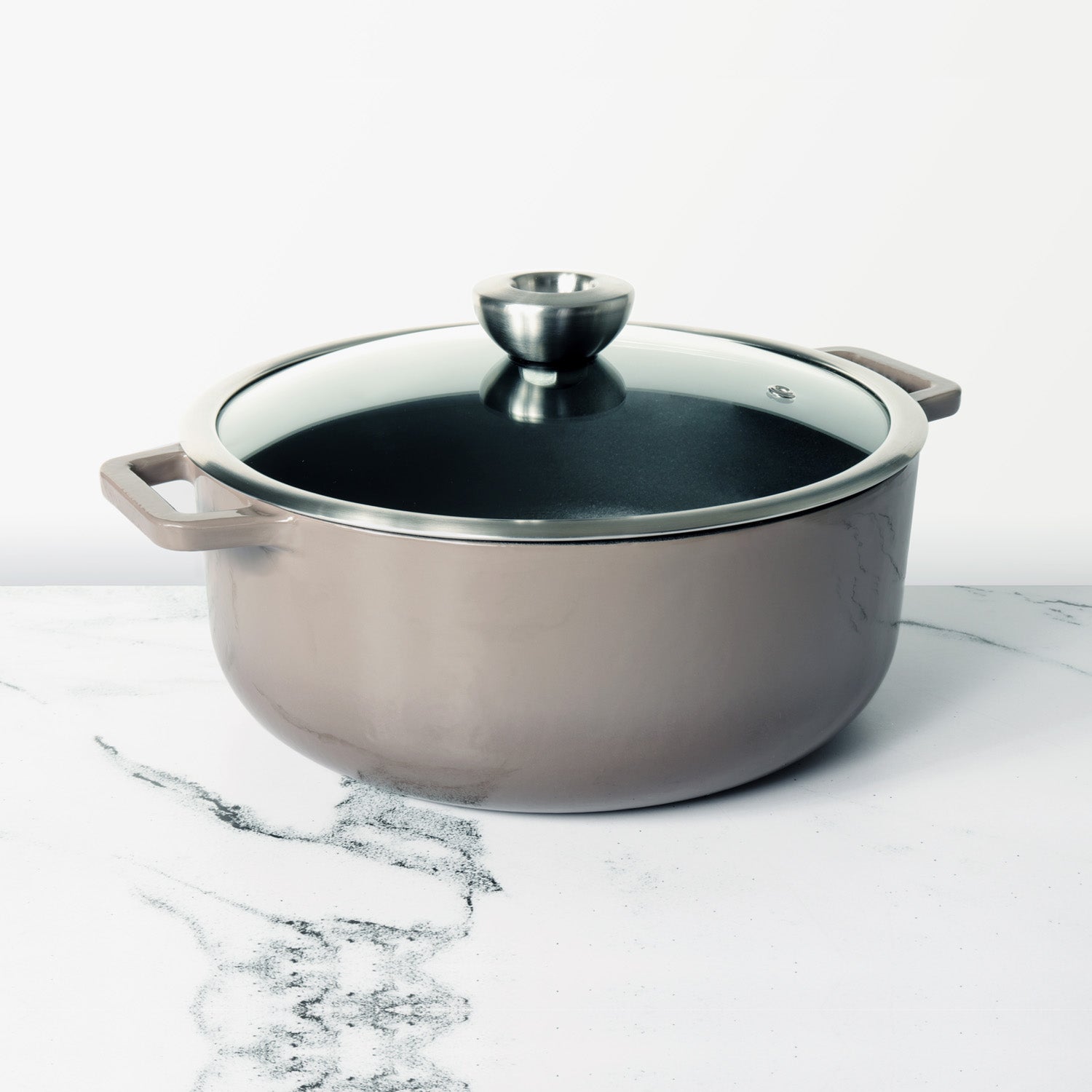
Modern ceramic cookware collections like Meyer Anzen are designed with smooth, durable ceramic coatings that perform best with gentle utensils.
The Meyer Anzen ceramic cookware range features:
-
Smooth ceramic cooking surface
-
Even heat distribution
-
Heavy-gauge construction
-
Easy maintenance
Using silicone or wooden utensils ensures the surface remains intact for years.
Although ceramic coatings are engineered for durability, avoiding metal tools significantly enhances longevity.
How Utensil Choice Impacts Longevity
Using safe utensils can:
-
Extend cookware life by 1–2 years
-
Preserve non-stick glide
-
Reduce staining
-
Maintain visual appearance
-
Improve cooking consistency
On the other hand, regular metal scraping can reduce performance within months.
Additional Tips to Protect Ceramic Cookware
Utensils are just one part of care. Combine proper utensil use with:
Moderate Heat
Ceramic cookware performs best at medium heat. Excessive heat weakens coating integrity.
Avoid Dry Heating
Never preheat empty ceramic cookware for long durations.
Proper Storage
Use pan protectors or soft cloth between stacked cookware.
Gentle Cleaning
Allow cookware to cool naturally before washing.
Common Myths About Ceramic Cookware and Utensils
“Ceramic is Hard, So Metal is Safe”
Ceramic coatings are durable but not scratch-proof. Metal tools still cause damage over time.
“Occasional Metal Use is Fine”
Even occasional scraping contributes to cumulative wear.
“If It Looks Fine, It’s Fine”
Micro-scratches are often invisible but gradually reduce performance.
Long-Term Cookware Care Strategy
If you invest in high-quality ceramic cookware, pairing it with safe utensils is essential.
A complete ceramic-friendly kitchen setup includes:
-
Silicone spatulas
-
Wooden stirring spoons
-
Nylon ladles
-
Soft cleaning sponges
-
Heat control awareness
This approach maximizes value and performance.
Final Verdict
The safest utensils to use on ceramic cookware are:
-
Silicone (best overall)
-
Wooden
-
High-heat nylon
-
Bamboo
Avoid metal utensils and abrasive scrubbers to prevent scratches and maintain smooth performance.
Ceramic cookware, including premium ranges like Meyer Anzen, delivers excellent cooking results when paired with gentle utensils and proper heat control.
Protecting your cookware is simple: choose soft tools, cook on moderate heat, and handle with care. With the right utensils, your ceramic cookware can remain smooth, efficient, and reliable for years.
MORE FROM BLOG
Top Collections

Can Ceramic Cookware Be Used for Tadka and Tempering?
2 Items
Can Ceramic Cookware Handle Everyday Indian Meals?
2 Items
How to Store Ceramic Cookware to Prevent Chipping
2 Items
Is ceramic cookware good for health-conscious Indian families?
2 Items
Is Ceramic Cookware Safe for Reheating Food Multiple Times?
2 Items


Leave a comment