



Walk into any modern kitchen or cookware store, and you’ll likely come across both a frypan and a sauté pan. At first glance, they may look similar—wide, flat, and designed for everyday cooking. This often leads to confusion: are they interchangeable, or does each serve a distinct purpose?
In Indian kitchens, where cooking styles range from quick stir-fries to slow-simmered gravies, understanding the difference between a frypan and a sauté pan is more important than ever. Choosing the right pan can directly impact cooking efficiency, food texture, and overall results.
This guide breaks down the actual difference between a frypan and a sauté pan, helping you decide which one suits your cooking style, while also highlighting how thoughtfully designed cookware from Meyer enhances both.
Table of Contents
- 1. What Is a Frypan?
- 2. What Is a Sauté Pan?
- 3. Shape and Structure
- 4. Cooking Techniques
- 5. Capacity and Versatility
- 6. Heat Distribution and Control
- 7. Ease of Use and Handling
- 8. Cleaning and Maintenance
- 9. When Should You Use a Frypan?
- 10. When Should You Use a Sauté Pan?
- 11. The Meyer Advantage
- 12. Do You Need Both?
- 13. Final Verdict
- 14. Conclusion
What Is a Frypan?
A frypan, often referred to as a frying pan, is one of the most commonly used pieces of cookware in any kitchen. It is characterized by its sloped sides, flat base, and relatively lightweight construction.
The sloping edges are designed to make flipping and tossing food easier. This makes a frypan particularly suitable for quick cooking techniques where movement is essential.
In Indian cooking, frypans are widely used for preparing eggs, dosa, cheela, stir-fried vegetables, and shallow frying snacks. Their design allows heat to spread quickly across the surface, enabling fast cooking.
Modern frypans, such as those in Meyer Accent non-stick or Circulon ranges, are engineered for smooth food release and minimal oil usage, making them ideal for everyday convenience.

What Is a Sauté Pan?
A sauté pan is designed with straight, vertical sides and a larger capacity compared to a frypan. While it also has a flat base, the taller sides make it more suitable for cooking methods that involve liquids or require additional space.
The straight edges help retain moisture and prevent spills, which is particularly useful when cooking dishes that need stirring, simmering, or gradual reduction.
In Indian kitchens, sauté pans are often used for preparing curries, gravies, sabzis, and one-pot meals. They allow for better control when cooking ingredients that need to be combined and cooked together over time.
Premium options like Meyer tri-ply sauté pans offer even heat distribution and durability, making them suitable for both gas and induction cooking.
Shape and Structure: The Fundamental Difference
The most noticeable difference between a frypan and a sauté pan lies in their shape.
A frypan has sloping sides that flare outward, reducing the surface area at the top. This design allows moisture to escape quickly, which is ideal for browning and crisping food.
A sauté pan has straight sides that rise vertically from the base. This increases the overall capacity and helps retain moisture, making it better suited for cooking dishes that require liquids or extended cooking time.
This structural difference directly influences how each pan performs in the kitchen.
Cooking Techniques: Where Each Pan Excels
A frypan is best suited for cooking techniques that involve high heat and quick movement. Its design makes it ideal for frying, searing, and tossing ingredients. When you want to cook food quickly and achieve a slightly crisp texture, a frypan is the better choice.
A sauté pan, on the other hand, is designed for cooking methods that require more control and space. It is ideal for sautéing vegetables, preparing gravies, and cooking dishes that involve multiple ingredients. The higher sides prevent spills and allow for easier stirring.
In Indian cooking, this distinction becomes especially important. Frypans are perfect for quick dishes like omelettes or stir-fries, while sauté pans are better for dishes like paneer curry, mixed vegetable sabzi, or masala-based preparations.
Capacity and Versatility
Capacity is another key factor that differentiates the two.
Frypans typically have a smaller capacity due to their sloped sides. This makes them ideal for cooking smaller portions or dishes that do not require much liquid.
Sauté pans offer a larger capacity, allowing you to cook bigger portions or dishes that involve sauces and gravies. This makes them more versatile for family meals or batch cooking.
For households that cook a variety of dishes daily, having both options can significantly improve efficiency.
Heat Distribution and Control
Both frypans and sauté pans can deliver excellent heat performance when made with high-quality materials. However, their design influences how heat interacts with food.
In a frypan, the wider opening allows heat to dissipate quickly, which is useful for fast cooking. In a sauté pan, the enclosed structure helps retain heat and moisture, supporting slower and more controlled cooking.
Cookware innovations from Meyer, such as tri-ply stainless steel construction, enhance heat distribution in both types of pans. This ensures consistent cooking results regardless of the dish.
Ease of Use and Handling
Frypans are generally lighter and easier to handle, making them suitable for quick, everyday tasks. Their design allows for easy flipping and tossing, which is particularly useful for dishes that require movement.
Sauté pans are heavier and often come with a helper handle due to their size. While this makes them slightly less convenient for quick tasks, it provides better stability when cooking larger quantities.
Choosing between the two often comes down to whether you prioritize speed and ease or capacity and control.
Cleaning and Maintenance
Both frypans and sauté pans are relatively easy to maintain, especially when made with high-quality materials.
Non-stick frypans are particularly easy to clean, as food does not stick to the surface. Sauté pans made from stainless steel or hard anodized materials may require a bit more effort but offer greater durability.
Meyer cookware is designed to balance performance with ease of maintenance, ensuring that both frypans and sauté pans remain practical for everyday use.
When Should You Use a Frypan?
A frypan is the right choice when you need quick results and minimal effort. It works best for dishes that require high heat, fast cooking, and frequent movement.
It is ideal for breakfast dishes, light meals, and snacks that need to be prepared quickly. Its lightweight design makes it a go-to option for everyday cooking.
When Should You Use a Sauté Pan?
A sauté pan is better suited for dishes that require more space, control, and time. It is ideal for cooking curries, gravies, and dishes that involve multiple ingredients.
Its larger capacity and higher sides make it a versatile option for family meals and more complex recipes.
The Meyer Advantage: Choosing the Right Pan
Modern kitchens benefit from cookware that is designed for specific tasks. Meyer offers a range of frypans and sauté pans that cater to different cooking needs.
Meyer frypans are designed for convenience and low-oil cooking, making them perfect for quick meals.
Meyer sauté pans provide durability and even heat distribution, making them ideal for Indian cooking techniques that require precision and consistency.
By offering specialized cookware, Meyer helps you achieve better results without compromising on efficiency.
Do You Need Both?
In most cases, the answer is yes. Frypans and sauté pans are not interchangeable—they complement each other.
A frypan handles quick, high-heat tasks, while a sauté pan manages more complex and volume-heavy cooking. Having both ensures that you are equipped for a wide range of recipes.
For modern Indian kitchens, this combination provides the flexibility needed to cook efficiently and effectively.
Final Verdict
The difference between a frypan and a sauté pan lies in their design, capacity, and intended use.
A frypan is best for speed, simplicity, and everyday cooking. A sauté pan is better for versatility, volume, and controlled cooking.
Choosing the right pan depends on your cooking style, but having both allows you to handle any dish with ease.
Conclusion
Understanding the difference between a frypan and a sauté pan can transform the way you cook. It allows you to select the right tool for each task, improving both efficiency and results.
With thoughtfully designed cookware from Meyer, you can build a kitchen that supports every cooking style, from quick meals to elaborate recipes.
A well-equipped kitchen is not about having more tools—it is about having the right ones.
MORE FROM BLOG
Top Collections
Different Types of Frypans and Their Uses in 2025
2 Items
Easy way to turn Stainless Steel Pan into Nonstick
2 Items
How to Avoid Food Sticking on Any Frypan in 2025
2 Items
How to Care for Your Frypan for Long-Lasting Performance in 2025
2 Items
How to Pick the Perfect Frypan Size for Your Family in 2025
2 Items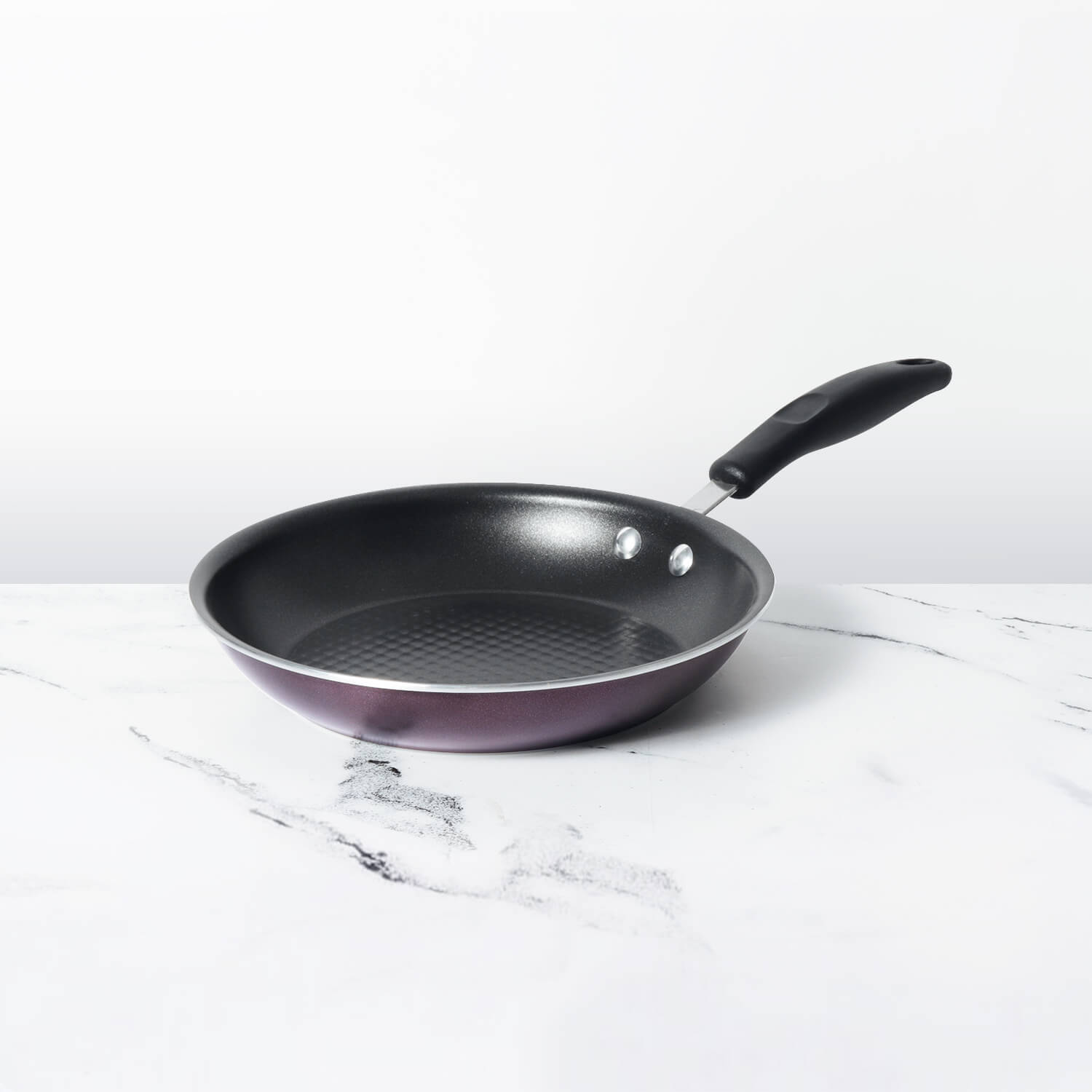


Leave a comment