



Rice is a daily essential in most Indian kitchens, forming the heart of meals that range from simple dal-chawal to elaborate festive spreads. While pressure cookers are often the go-to for convenience, cooking rice on a stovetop offers a more intuitive and controlled approach. It allows you to fine-tune texture, preserve the integrity of each grain, and achieve that perfect balance—soft yet separate, light yet satisfying.
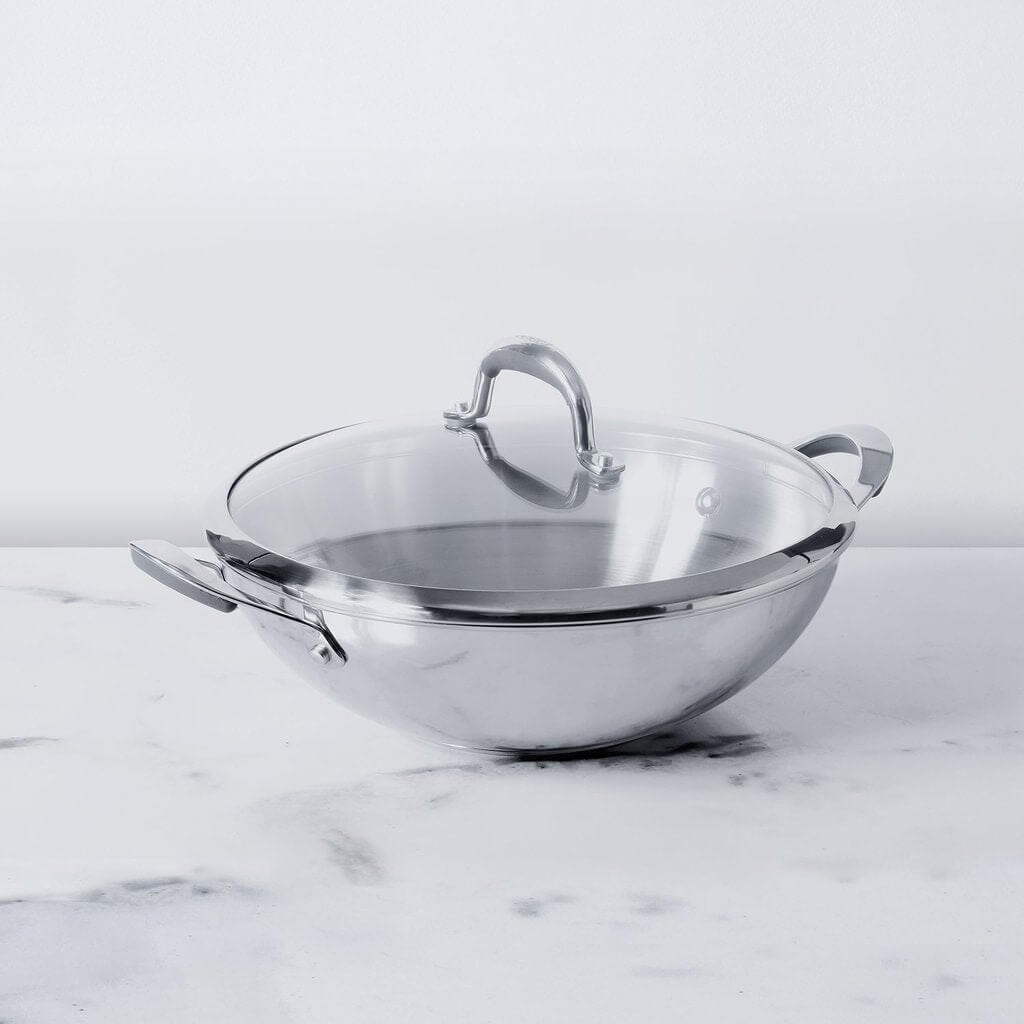
With the right technique and dependable cookware—like the Meyer Trivantage 18cm Tri-Ply Stainless Steel Tope With Lid—you can consistently create beautifully cooked rice without relying on a pressure cooker.
Table of Contents
- 1. Why Cook Rice Without a Pressure Cooker
- 2. Choosing the Right Rice
- 3. The Role of the Right Cookware
- 4. Method 1: The Absorption Method
- 5. Method 2: The Draining Method
- 6. Tips for Perfect Stovetop Rice
- 7. Common Mistakes to Avoid
- 8. Why Meyer Trivantage Tope Enhances the Experience
- 9. Exploring Variations
- 10. Final Thoughts
Why Cook Rice Without a Pressure Cooker
Cooking rice on a stovetop is a more mindful process. It gives you the flexibility to observe how the grains behave as they cook, adjust heat levels as needed, and control moisture absorption. Unlike pressure cooking, where a few extra minutes can easily overcook the rice, stovetop cooking allows you to respond in real time.
This method is especially beneficial for long-grain varieties like basmati, where maintaining grain separation is key. It also allows you to rinse and, if desired, drain excess starch—resulting in lighter, fluffier rice that pairs beautifully with Indian curries and dals.
The kind of rice you use will influence both the cooking process and the final texture. Basmati rice, known for its long, aromatic grains, works exceptionally well for stovetop cooking as it expands beautifully when given the right amount of water and time. Medium-grain varieties such as sona masoori yield a softer, slightly more cohesive texture, ideal for comfort meals. Brown rice, on the other hand, requires a bit more patience, as its outer bran layer demands longer cooking and more water. Understanding these subtle differences helps you adapt your method and achieve consistent results every time. A successful stovetop rice experience depends greatly on the cookware you choose. Uneven heat can lead to rice sticking at the bottom while remaining undercooked at the top—a common issue with thin or low-quality pots. The Meyer Trivantage 18cm Tri-Ply Stainless Steel Tope With Lid is designed to eliminate these challenges. Its tri-ply construction, which sandwiches an aluminium core between layers of stainless steel, ensures even heat distribution from base to sides. This means the rice cooks uniformly, without hotspots or scorching. The snug-fitting lid plays an equally important role by trapping steam effectively, creating a controlled cooking environment where the rice can absorb moisture gradually and evenly. The absorption method is the most commonly used technique for stovetop rice, and for good reason—it is simple, efficient, and yields consistently good results when done correctly. Begin by measuring your rice and water carefully. For most white rice varieties, a general ratio works well, though slight adjustments can be made based on the type of rice and whether it has been soaked. Rinse the rice thoroughly under running water until the water runs clear. This step is essential for removing excess surface starch, which can otherwise cause the grains to clump together. If you have the time, soaking the rice for fifteen to twenty minutes enhances the final texture. Soaked rice cooks more evenly and expands better, resulting in longer, fluffier grains. Transfer the rinsed (and soaked) rice into your tope, add water, and place it on medium-high heat. As the water begins to heat up, you’ll notice gentle bubbling that gradually builds into a boil. At this point, reduce the heat to low and cover the tope with its lid. This is where patience becomes important. Allow the rice to cook undisturbed, letting it slowly absorb the water. The tri-ply construction of the Meyer Trivantage tope ensures that heat remains consistent throughout, preventing uneven cooking. After about ten to twelve minutes, switch off the heat and let the rice rest for a few minutes with the lid still on. This resting phase allows residual steam to finish the cooking process, making the grains perfectly tender. When you open the lid, the rice should appear soft and well-cooked, with each grain holding its shape. Gently fluff it with a fork to separate the grains and release any trapped steam. The draining method offers a slightly different approach and is especially useful when you want rice that is completely non-sticky and separate—ideal for dishes like fried rice or salads. In this method, rice is cooked in excess water. Begin by bringing a generous amount of water to a boil in your tope. Add the rinsed rice and allow it to cook uncovered. As the grains soften, they absorb water gradually while excess starch disperses into the surrounding liquid. Keep an eye on the rice and check for doneness by tasting. Once the grains are cooked through yet firm enough to hold their shape, drain the excess water using a strainer. This method results in light, airy rice with minimal stickiness. Perfecting stovetop rice comes down to attention to detail. Avoid stirring the rice excessively during cooking, as this can break the grains and release starch, affecting texture. Keeping the lid closed while the rice simmers helps trap steam, which is essential for even cooking. Once the water reaches a boil, always reduce the heat to low. Cooking on high heat throughout can cause the water to evaporate too quickly, leaving the rice unevenly cooked or burnt at the base. Using a well-constructed tope like the Meyer Trivantage ensures that heat is distributed evenly, minimizing the chances of such issues. You can also enhance the flavour by adding a pinch of salt or a few drops of oil or ghee, which helps keep the grains separate and adds a subtle richness. Many rice-cooking challenges stem from small but impactful mistakes. Using incorrect water proportions can lead to rice that is either too soft or undercooked. Skipping the rinsing step often results in sticky rice, while frequently lifting the lid disrupts the steam cycle and affects cooking consistency. Cooking on high heat for too long or using cookware that does not distribute heat evenly can lead to burnt or unevenly cooked rice. Being mindful of these aspects can significantly improve your results. The Meyer Trivantage 18cm Tri-Ply Stainless Steel Tope With Lid is built for precision and consistency. Its tri-ply technology ensures that heat spreads evenly across the surface, allowing the rice to cook uniformly without sticking or burning. The stainless steel interior maintains food purity, while the aluminium core enhances heat responsiveness. The well-fitted lid helps retain moisture, creating the perfect environment for rice to cook gently and evenly. This combination makes it an excellent choice for everyday cooking, especially when preparing staples like rice where consistency matters. Once you’re comfortable with plain rice, you can easily build on this foundation. Adding cumin seeds and whole spices creates aromatic jeera rice, while mixing vegetables and mild spices results in a wholesome pulao. You can also experiment with lemon rice or coconut rice, each bringing its own unique flavour profile. The same stovetop technique applies to all these variations, making it a versatile skill to master. Cooking rice on a stovetop without a pressure cooker is a simple yet deeply satisfying process. It allows you to engage with your food, understand the nuances of heat and moisture, and achieve consistently better results. With the right approach and reliable cookware like the Meyer Trivantage 18cm Tri-Ply Stainless Steel Tope With Lid, you can transform a basic staple into something truly perfect—light, fluffy, and cooked just the way you like it. Over time, this method becomes second nature, proving that great cooking doesn’t always require shortcuts—just the right balance of technique, patience, and the right tools. 
Choosing the Right Rice
The Role of the Right Cookware
Method 1: The Absorption Method
Method 2: The Draining Method
Tips for Perfect Stovetop Rice
Common Mistakes to Avoid
Why Meyer Trivantage Tope Enhances the Experience
Exploring Variations
Final Thoughts
MORE FROM BLOG
Top Collections
Choosing Between Steel and Aluminium Pressure Cookers
2 Items
Electric vs. Stovetop Pressure Cookers: Which One is Right for You?
2 Items
How to Use a Non-Stick Pressure Cooker Safely
2 Items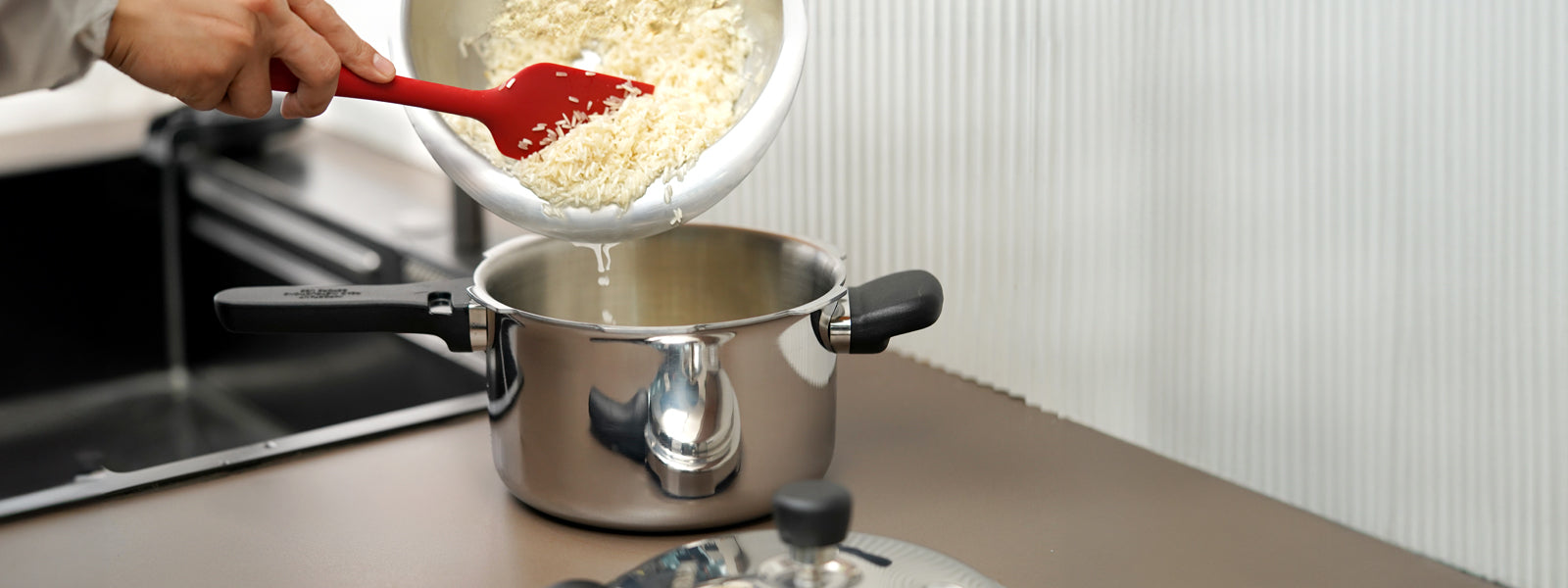
How to Use a Pressure Cooker on an Induction Cooktop
2 Items


Leave a comment