
Advantages of a Pressure Cooker
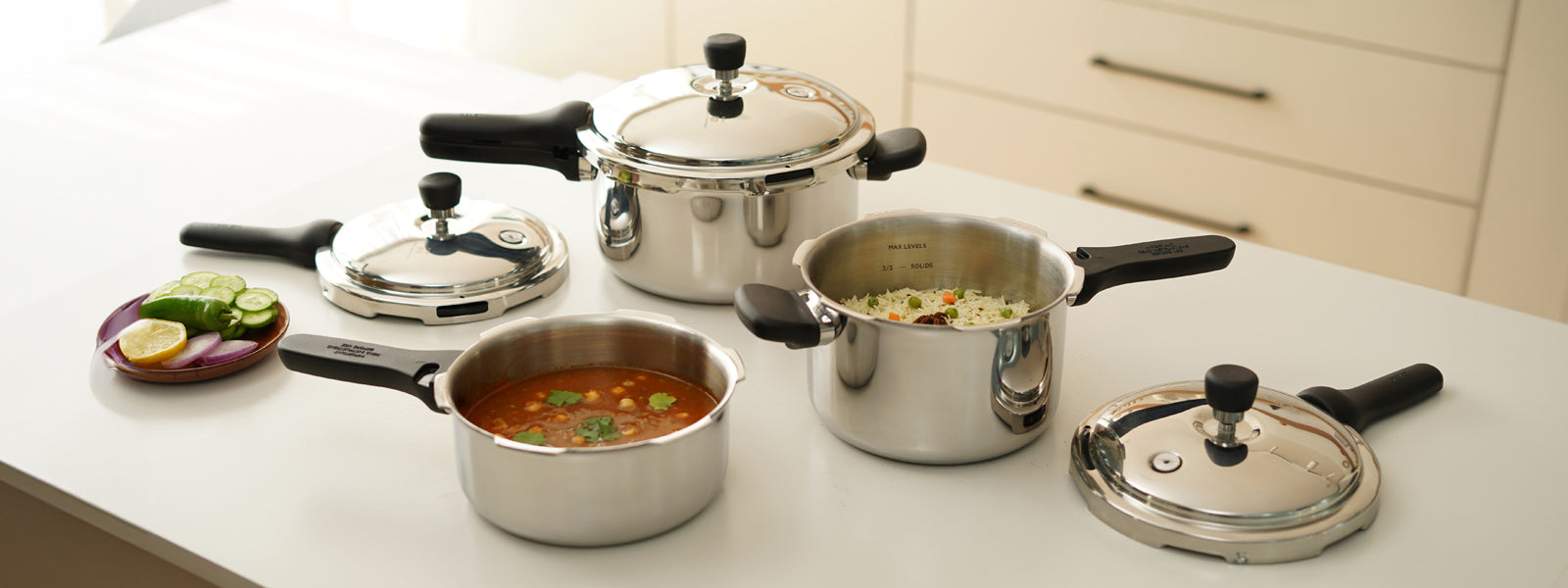
A pressure cooker is known for its ability to significantly reduce cooking time, making it ideal for busy households. It is highly versatile and can be used for a wide range of dishes, from simple staples to complex recipes.
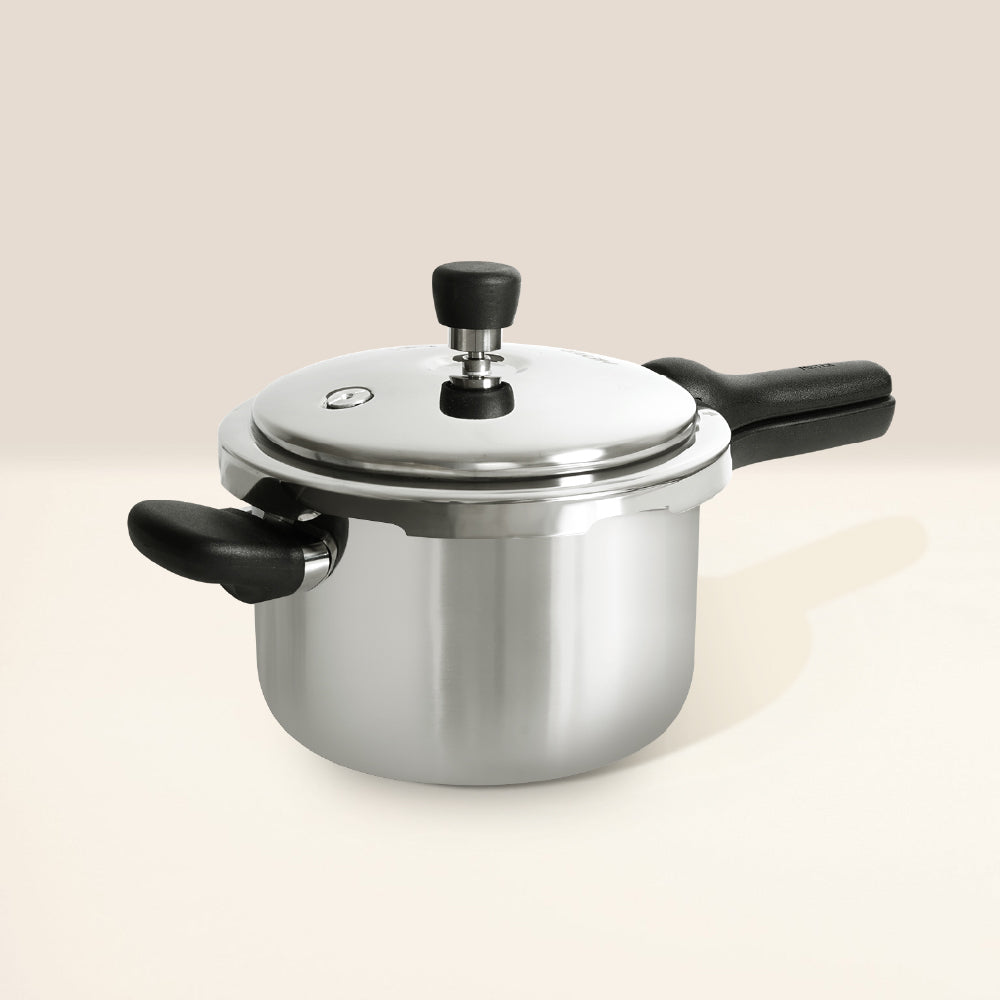
Another key advantage is its compatibility with gas stoves, which remain the primary cooking source in many Indian homes. It does not rely on electricity, making it reliable even during power outages.
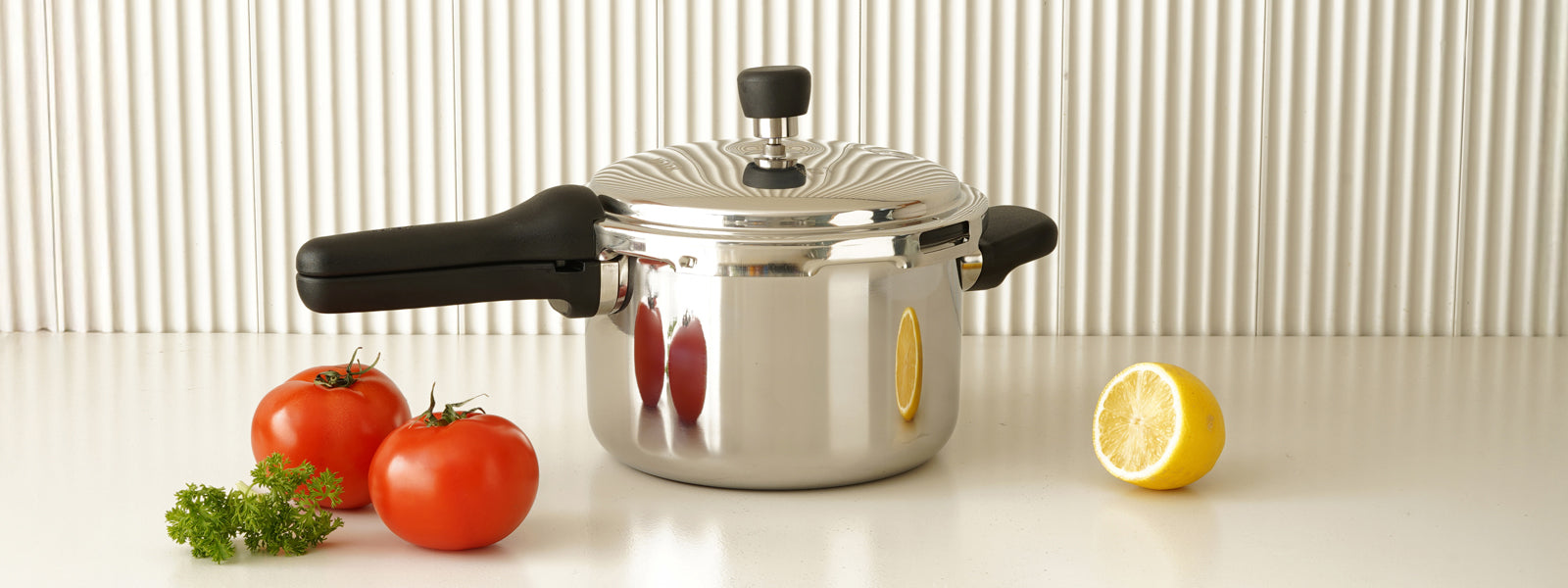
Pressure cookers are also durable and cost-effective. With proper care, they can last for many years, making them a practical long-term investment.
Limitations of a Pressure Cooker
Despite its efficiency, a pressure cooker requires active involvement. You need to monitor whistles, adjust heat levels, and manually release pressure. This can be challenging for beginners who are not familiar with timing and pressure control.
While modern designs have improved safety features, the concept of cooking under pressure can still feel intimidating to some users. Achieving consistent results may take practice and experience.
Understanding the Instant Pot
The Instant Pot is an electric multi-cooker designed to simplify cooking by combining several functions into one appliance. It can operate as a pressure cooker, slow cooker, rice cooker, steamer, and more.
Unlike traditional pressure cookers, the Instant Pot uses pre-set programs that automate the cooking process. This allows users to prepare meals with minimal supervision, making it particularly appealing for those with busy schedules.
Advantages of an Instant Pot
The Instant Pot offers convenience through automation. You can select a cooking mode, set a timer, and let the appliance handle the rest. This reduces the need for constant monitoring and makes cooking more predictable.
It also provides consistent results due to precise temperature and pressure control. This is especially helpful for beginners who want reliable outcomes without trial and error.
Safety is another strong advantage. Instant Pots are equipped with multiple safety mechanisms, including controlled pressure release and automatic shut-off.
In addition, its multi-functionality reduces the need for multiple appliances, saving space and simplifying the kitchen setup.
Limitations of an Instant Pot
The Instant Pot depends entirely on electricity, which can be a limitation during power outages. It also requires compatible voltage and setup, which may not be ideal in all households.
While it offers convenience, it does not provide the same level of control as a traditional pressure cooker. Adjusting recipes on the fly can be more difficult, especially for dishes that require precise timing or high heat.
Certain traditional cooking techniques may not translate perfectly to an Instant Pot, which can affect the authenticity of some recipes.
Cooking Performance in Indian Kitchens
In Indian cooking, performance is defined by more than just speed. It includes achieving the right texture, flavor, and consistency.
Pressure cookers excel in dishes that require high heat and manual control. They are particularly effective for preparing dal, rajma, chole, and biryani, where timing and pressure adjustments play a key role.
Instant Pots perform well for tasks that benefit from automation, such as cooking rice, boiling lentils, or preparing one-pot meals. They are especially useful for routine cooking where convenience is a priority.
Control vs Convenience
The choice between a pressure cooker and an Instant Pot often comes down to control versus convenience.
A pressure cooker allows you to manage every aspect of the cooking process, giving you flexibility and precision. This is ideal for those who enjoy hands-on cooking and experimenting with recipes.
The Instant Pot simplifies cooking by automating most steps. This makes it suitable for those who prefer a more hands-off approach and want to save time.
The Role of Cookware in a Complete Kitchen
While both appliances are useful, they do not replace the need for high-quality cookware. Many Indian dishes require steps such as sautéing, frying, or finishing with a tadka, which cannot always be done effectively in a pressure cooker or Instant Pot.
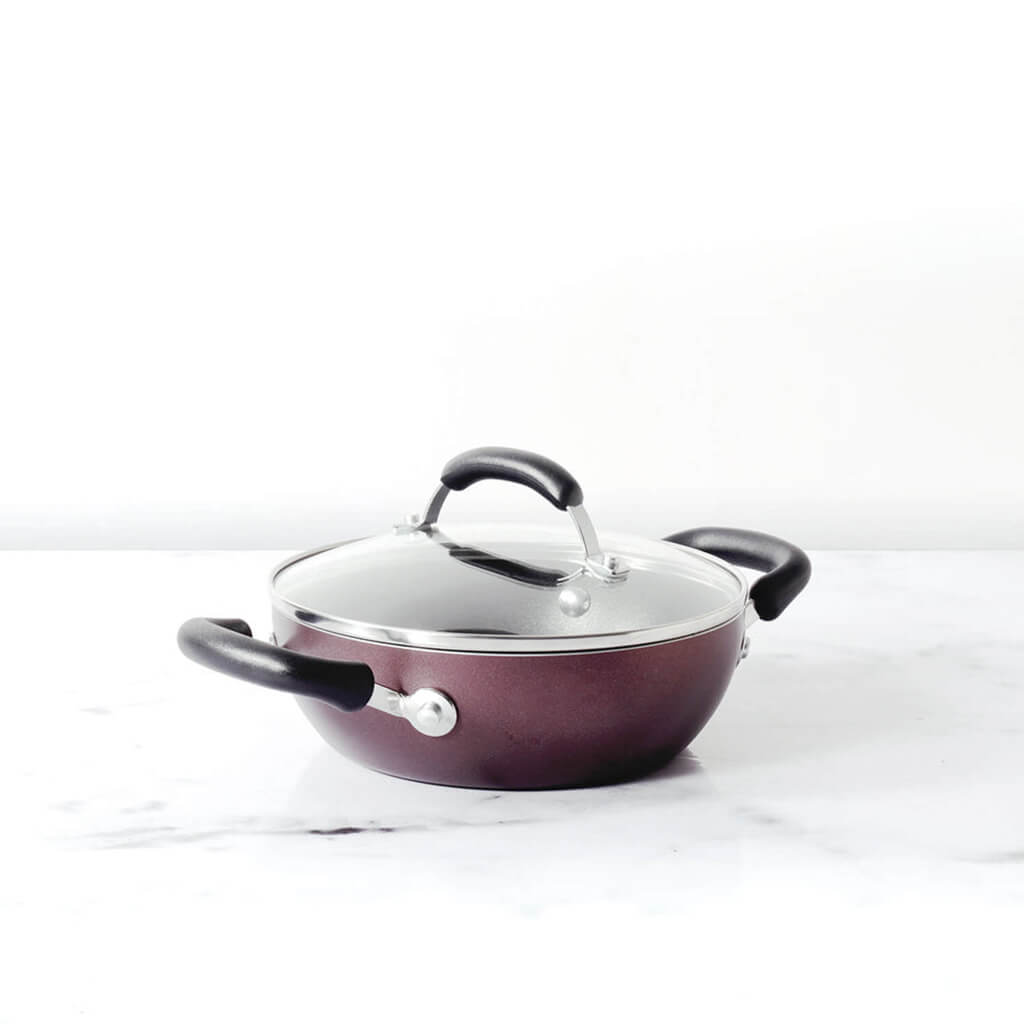
This is where cookware from Meyer plays an important role. Options like tri-ply stainless steel and hard anodized cookware provide the flexibility needed for a wide range of cooking techniques. They allow you to prepare ingredients properly before or after using either appliance, ensuring better results.
A well-equipped kitchen combines appliances with reliable cookware to create a balanced and efficient cooking environment.
What Works Better in Indian Kitchens?
The answer depends on individual needs and preferences.
A pressure cooker is better suited for those who prefer traditional cooking methods, require high heat, and want complete control over their recipes. It is also a reliable choice for households that depend on gas cooking.
An Instant Pot is better suited for those who value convenience, have a busy lifestyle, and prefer automated cooking. It is ideal for simplifying routine tasks and reducing time spent in the kitchen.
The Smart Kitchen Approach in 2026
Modern Indian kitchens are increasingly adopting a combined approach. Instead of choosing one over the other, many households use both a pressure cooker and an Instant Pot for different purposes.
This allows for greater flexibility. The pressure cooker can be used for traditional recipes, while the Instant Pot can handle quick and convenient meals.
When paired with versatile cookware from Meyer, this setup ensures that all cooking needs are met efficiently.
Final Verdict
Both pressure cookers and Instant Pots have their strengths. The pressure cooker offers control, reliability, and familiarity, making it a cornerstone of Indian cooking. The Instant Pot provides convenience, automation, and multi-functionality, making it a valuable addition to modern kitchens.
Choosing between the two depends on your priorities, but using both can offer the most balanced and efficient solution.
Conclusion
The decision between a pressure cooker and an Instant Pot is not about replacing one with the other. It is about understanding how each fits into your lifestyle and cooking habits.
By combining traditional tools with modern appliances and supporting them with high-quality cookware from Meyer, you can create a kitchen that is flexible, efficient, and capable of handling every type of meal with ease.









Leave a comment