



Pressure cooking is one of the most essential cooking techniques in Indian kitchens. From preparing dal, rajma, chole, and khichdi to cooking rice and vegetables, pressure cooking helps reduce cooking time while preserving flavour and nutrients. For decades, the traditional stovetop pressure cooker has been a staple in Indian households.
However, modern kitchens now have another option: the Instant Pot, an electric multi-cooker that promises convenience and automation. With busy urban lifestyles and evolving kitchen technologies, many home cooks are now asking an important question—should they continue using a traditional pressure cooker or switch to an Instant Pot?
Both appliances cook food using steam pressure, but they differ significantly in design, speed, versatility, and control. For Indian home cooks who prepare meals daily, understanding these differences is crucial before making a decision.
This guide explores the key differences between pressure cookers and Instant Pots, and explains why thoughtfully engineered cookware like Meyer Presta Stainless Steel Pressure Cookers continues to be a reliable and efficient choice for Indian cooking.
Table of Contents
- 1. Why Pressure Cooking Is Important in Indian Kitchens
- 2. What Is a Traditional Pressure Cooker?
- 3. What Is an Instant Pot?
- 4. Cooking Speed and Efficiency
- 5. Cooking Control and Flexibility
- 6. Versatility in the Kitchen
- 7. Durability and Long-Term Reliability
- 8. Safety Considerations
- 9. Energy Efficiency
- 10. Cost Comparison
- 11. Which One Should Indian Home Cooks Choose?
- 12. Final Thoughts
Why Pressure Cooking Is Important in Indian Kitchens
Indian cuisine often includes ingredients that require longer cooking times. Lentils, beans, whole grains, and tougher vegetables all benefit from pressure cooking because the technique raises the boiling point of water and softens food much faster than conventional cooking methods.
Pressure cooking offers several benefits for Indian meals:
· significantly faster cooking times
· better flavour retention
· efficient fuel usage
· improved nutrient preservation
For busy households preparing fresh meals every day, pressure cooking helps simplify the cooking process without compromising taste.
A traditional pressure cooker is a stovetop cooking utensil that uses trapped steam to cook food under high pressure. The sealed pot builds internal pressure as heat increases, allowing food to cook faster than normal boiling or simmering. In Indian kitchens, pressure cookers are used daily for dishes such as: · dal and lentils · rajma and chole · rice and pulao · vegetable curries · soups and stews · khichdi and one-pot meals The cooker sits directly on a gas stove or induction cooktop, and the cook manages heat manually. Pressure is regulated through a valve that releases steam, commonly known as the whistle. Modern pressure cookers like Meyer Presta Stainless Steel Pressure Cookers bring advanced engineering and high-quality materials to this traditional cooking tool. Designed with durable stainless steel construction and efficient pressure management, they offer reliable performance for everyday Indian cooking. An Instant Pot is an electric pressure cooker combined with multiple cooking functions in one appliance. Unlike stovetop pressure cookers, it operates using electricity and includes built-in digital controls. Instant Pots typically offer several cooking modes such as: · pressure cooking · slow cooking · sautéing · steaming · rice cooking · yogurt fermentation These devices are designed for convenience. Users simply add ingredients, select a preset cooking program, and the appliance automatically manages pressure, temperature, and cooking time. Because of this automation, Instant Pots are often marketed as a hands-free cooking solution for modern kitchens. Cooking speed is one of the most important considerations for Indian households that prepare fresh meals daily. Traditional pressure cookers usually build pressure faster because they are heated directly by the stove flame. Once the cooker reaches pressure, food begins cooking immediately. This quick heat response is particularly useful for Indian staples such as: · tur dal · chana dal · rajma · chickpeas Stovetop pressure cookers like Meyer Presta are designed to handle high pressure efficiently, which helps reduce cooking time while ensuring consistent results. Instant Pots, on the other hand, require time to heat their internal element and build pressure before cooking begins. While they still cook food effectively, the overall process may take slightly longer compared to stovetop pressure cookers. For daily Indian cooking, where speed matters during busy mornings or evenings, traditional pressure cookers often provide an advantage. Indian cooking frequently involves adjusting heat levels and timing based on the dish being prepared. For example, dals may require different cooking times depending on their texture preference, while vegetables must be cooked carefully to avoid becoming mushy. A stovetop pressure cooker gives the cook complete control over the cooking process. Heat can be adjusted instantly, and pressure can be released manually when needed. This flexibility is especially valuable when cooking: · mixed lentil dishes · vegetable curries · pulao and biryani · multi-stage recipes Cookware such as Meyer Presta Stainless Steel Pressure Cookers is designed to offer consistent pressure control and efficient heat distribution, helping home cooks achieve predictable cooking results. Instant Pots rely on preset programs, which may not always match the precise cooking style required for traditional Indian recipes. One of the strongest advantages of Instant Pots is their versatility. Because they combine several appliances into one unit, they can perform multiple cooking tasks. An Instant Pot can function as: · a pressure cooker · a slow cooker · a rice cooker · a steamer · a sauté pan This multifunction capability makes Instant Pots appealing for people who prefer fewer appliances in the kitchen. However, traditional pressure cookers remain extremely versatile as well. With the right cooking techniques, they can be used for a wide variety of Indian dishes including: · dals and legumes · curries and gravies · rice dishes · steaming vegetables · cooking meat When made with high-quality materials, pressure cookers such as Meyer Presta Stainless Steel Pressure Cookers can easily handle a wide range of cooking tasks while maintaining durability and performance. Durability is an important factor when choosing cookware for everyday Indian cooking. Traditional pressure cookers are known for their long lifespan and robust construction. Many households use the same cooker for years with proper maintenance. Stainless steel pressure cookers offer additional advantages: · resistance to corrosion · compatibility with different cooktops · durability under high pressure · long-lasting structure The Meyer Presta Pressure Cooker, built with premium stainless steel construction, is designed for long-term use while maintaining cooking efficiency and safety. Instant Pots, in contrast, contain electronic components, digital panels, and heating elements. While these appliances are convenient, they may require replacement after several years if electronic parts wear out. Safety has always been an important part of pressure cooker design. Modern pressure cookers incorporate several safety mechanisms such as: · pressure release valves · gasket sealing systems · locking lids Quality cookware like Meyer Presta Stainless Steel Pressure Cookers is engineered with advanced safety features to ensure secure pressure control during cooking. Instant Pots include additional electronic safety mechanisms such as automatic shut-off and sensor monitoring. These features can provide reassurance for beginners who are unfamiliar with pressure cooking. Both appliances are safe when used correctly, but traditional pressure cookers have proven reliability in millions of kitchens worldwide. Energy efficiency is another factor worth considering. Traditional pressure cookers operate on gas or induction cooktops and typically use less energy overall because they heat up quickly and cook food faster. Instant Pots rely entirely on electricity and may take longer to build pressure before cooking begins. While they are still efficient compared to many appliances, their total cooking cycle may consume slightly more energy. For households focused on fuel efficiency, stovetop pressure cookers remain a practical option. Cost plays a major role when choosing kitchen appliances. Traditional pressure cookers are generally more affordable, making them accessible to a wide range of households. High-quality stainless steel pressure cookers such as Meyer Presta offer long-term value because they combine durability with reliable cooking performance. Instant Pots tend to be more expensive due to their digital controls and multifunction capabilities. While they offer convenience, their higher price may not always be necessary for kitchens that already have essential appliances. The best choice depends on cooking habits and lifestyle preferences. A traditional pressure cooker is ideal for home cooks who prepare Indian meals regularly and prefer faster cooking, strong durability, and full control over heat and pressure. Cookware like Meyer Presta Stainless Steel Pressure Cookers is designed to meet the demands of everyday Indian cooking while offering reliability and efficiency. An Instant Pot may be suitable for people who prefer automated cooking, enjoy experimenting with different cuisines, or want a single appliance with multiple functions. For many Indian kitchens, however, the traditional pressure cooker remains the most practical and efficient cooking tool. Pressure cooking continues to be one of the most efficient ways to prepare wholesome meals in Indian households. While Instant Pots offer convenience and modern automation, traditional pressure cookers remain unmatched in terms of speed, control, durability, and everyday practicality. Well-designed cookware such as Meyer Presta Stainless Steel Pressure Cookers brings together classic pressure cooking principles with modern engineering, making it easier for home cooks to prepare flavourful meals quickly and safely. Whether you are cooking a simple dal for dinner or preparing a hearty weekend meal, a reliable pressure cooker remains an indispensable companion in the Indian kitchen. 
What Is a Traditional Pressure Cooker?
What Is an Instant Pot?
Cooking Speed and Efficiency
Cooking Control and Flexibility
Versatility in the Kitchen
Durability and Long-Term Reliability
Safety Considerations
Energy Efficiency
Cost Comparison
Which One Should Indian Home Cooks Choose?
Final Thoughts
MORE FROM BLOG
Top Collections

Easy Pressure Cooker Recipe for Bengali Bhapa Doi (Steamed Yogurt Dessert)
2 Items
How to Choose the Right Pressure Cooker Size
2 Items
How to Clean and Maintain Non-Stick Pressure Cookers
2 Items
Is a 3 Ltr Cooker Ideal for Small Families?
2 Items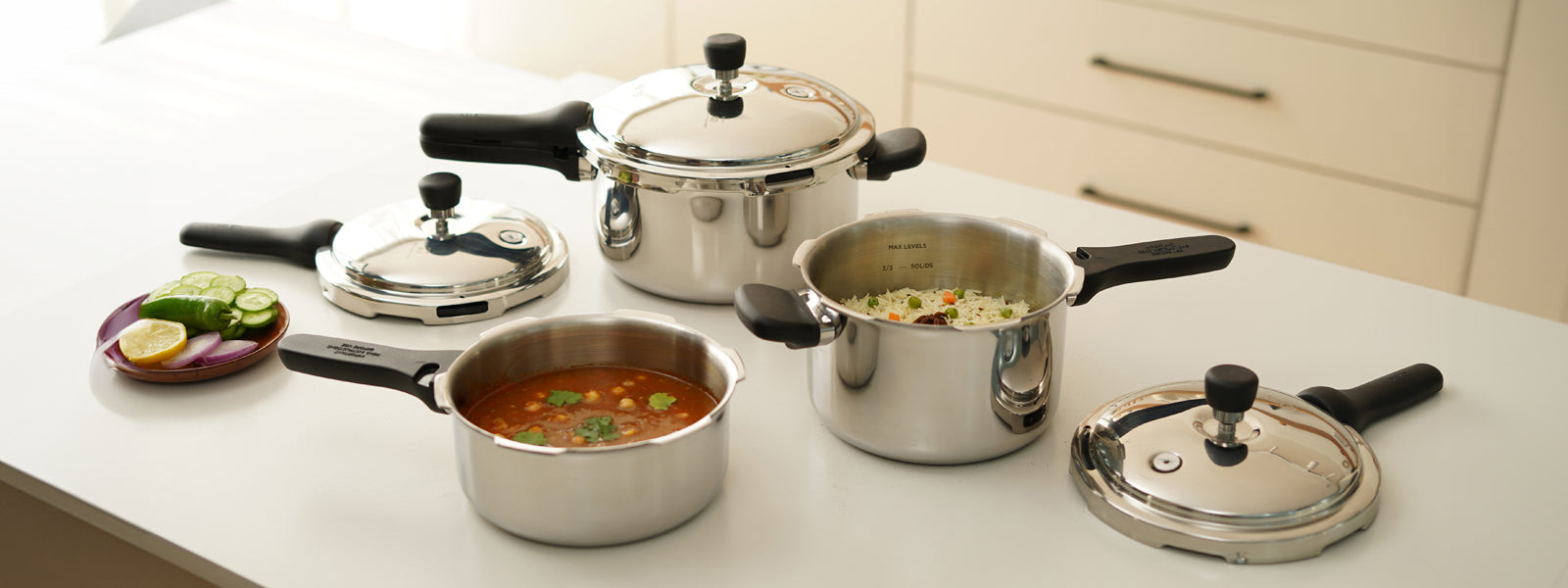
Non-Stick Pressure Cookers: Pros and Cons
2 Items


Leave a comment