



Preparing lunchbox meals for kids every day is both a routine and a responsibility. Indian lunchboxes often include rotis, rice, dal, sabzi, upma, cheelas, idlis, pasta, steamed vegetables, and sometimes snacks like pakoras or grilled sandwiches. Whether your child prefers soft meals or colourful tiffin combinations, the right cookware can make lunchbox prep easier, healthier, and more consistent.
Choosing cookware for kids’ lunchbox meal preparation is about portion size, even heat distribution, safety, effortless handling, and easy cleaning. Here’s a complete guide to help you pick the best cookware for everyday lunchbox cooking — whether it’s breakfast, mid-day meals, or evening snacks.
Table of Contents
What Makes Lunchbox Cookware Special?
Before choosing specific cookware, let’s understand what parents need most when preparing lunchbox meals:
-
Even Heating: Ensures consistent cooking (important for dals, pulao, upma).
-
Portion Control: Cookware should match small to medium quantities for kids.
-
Safety: Ergonomic handles, secure lids, non-toxic materials.
-
Easy Cleanup: Busy mornings demand cookware that doesn’t stick or stain.
-
Versatility: Multi-purpose cookware to make varied lunchbox items.
1. Small to Medium Non-Stick Pans
Ideal For:
-
Cheelas & pancakes
-
Scrambled eggs
-
Stir-fried vegetables
-
Grilled sandwiches
-
Egg bhurji
-
Mini dosas
Why This Works:
Non-stick cookware significantly reduces sticking and requires less oil — great for healthy cooking. Frequent lunchbox prep means less time cleaning and more time cooking.
Important Tips:
-
Always use silicone or wooden utensils.
-
Avoid high heat to protect coatings.
-
Pick lightweight non-stick pans (20–24 cm) ideal for portion size.
A sturdy non-stick pan simplifies cooking quick breakfast items and retains heat evenly, giving consistent results every time.
2. Stainless Steel Saucepan (Small to Medium)
Ideal For:
-
Dal
-
Rice
-
Khichdi
-
Steamed veggies
-
Soups
Why It’s Effective:
Stainless steel is non-reactive, durable, and ensures even cooking. A 2–3 L saucepan is usually enough to cook lunches for one or two kids without wasting energy or food.
Benefits for Lunchboxes:
-
Perfect portion sizes
-
Easy reheating
-
No metallic taste with acidic foods (like tomato dal)
Pro Tip: Use a lid to trap steam for quicker cooking and softer textures — ideal for kid-friendly dal and rice.
3. Hard Anodised Kadai/Frypan
Ideal For:
-
Sabzi preparation
-
Light stir-fries
-
Mixed vegetables
-
Paneer or tofu sauté
Why This Helps:
Hard anodised cookware offers excellent heat conduction without reacting with food. It is lighter than cast iron but robust enough for everyday cooking. Kids’ sabzis or mild vegetable mixes stay colourful and cooked evenly, which matters both for nutrition and appeal.
Handling Tip:
Choose a medium-sized kadai (24–26 cm) that matches lunchbox portions without leaving excess.
4. Saucepan with Steaming Insert or Idli Maker
Ideal For:
-
Idlis
-
Dhokla
-
Steamed veggies
-
Mini momos
Steaming is one of the healthiest cooking methods — especially for children. Cookers or steamers with inserts ensure food retains nutrients while staying soft and digestible.
Why Steaming Works for Lunchboxes:
-
Soft texture easy for kids to eat
-
Low oil cooking
-
Minimal flavour loss
Steamed dhokla, idli, or veggies are perfect lunchbox additions.
5. Small Stockpot or Multi-Utility Pot
Ideal For:
-
One-pot meals (like khichdi)
-
Pulao
-
Mild curries
-
Soups
For lunchboxes that are heavier on grains and veggies, a small stockpot (3–4 L) lets you prepare wholesome meals ahead of time. It’s great for slightly larger portions without overcooking.
6. Tawa
Ideal For:
-
Rotis
-
Parathas
-
Sandwich toast
-
Dosa
-
Uttapam
Even minor lunchbox items like rotis and dosas require good heat control. A flat, responsive tawa ensures even browning without burning — essential for kid-friendly lunch items.
Lunchbox Tip:
Make rotis slightly underdone and reheat with a moist paper towel before lunch to keep them soft.
7. Mini Baking Dishes (Oven/OTG Safe)
Ideal For:
-
Baked cheela
-
Egg muffins
-
Mini pasta bakes
-
Veggie casseroles
If your kitchen has an OTG or oven, mini baking dishes help create nutritious lunchbox options that kids enjoy. Baked meals are low oil, evenly cooked, and easy to portion.

Material Matters: Safety & Nutrition
When choosing cookware, prioritise materials that are safe and long-lasting:
Non-Stick (High Quality)
-
Great for quick cooks
-
Easy cleaning
-
Low oil requirement
-
Non-reactive (no chemical interaction)
-
Durable
-
Ideal for curries, grains, & soups
Hard Anodised
-
Strong and scratch-resistant
-
Excellent heat conduction
-
Suitable for mixed vegetable cooking
Avoid for Lunchbox Prep
-
Cast iron (heavy & high heat)
-
Uncoated aluminum (reactive with acidic foods)
-
Cookware with chipped coatings
These either require special maintenance or can affect flavour when used frequently for lunchbox cooking.
Important Lunchbox Safety Tips
Choosing the right cookware is only part of the equation. Safe lunchbox preparation also includes:
Cool First, Then Store
Always let food cool for at least 15–20 minutes before packing. Packing hot food leads to condensation and bacterial growth.
Airtight Containers
Use insulated or airtight stainless steel/glass lunchboxes to maintain temperature and prevent spills.
Portion Pricing
Smaller cookware sizes help you cook appropriate quantities — reducing food waste and reheating needs.
Smooth Utensils
Use silicone, wooden, or heat-proof nylon utensils to protect coatings and ensure longer cookware life.
Conclusion
Selecting the right cookware for kids’ lunchbox meal preparation can make daily cooking simpler, safer, and healthier. Focus on cookware that:
-
Delivers even, consistent heating
-
Is easy to lift and handle
-
Encourages nutritious cooking
-
Makes cleaning quick
-
Matches daily portion size
By choosing lightweight non-stick pans, medium stainless steel saucepans, and versatile hard anodised kadhais, you set up a lunchbox routine that supports wholesome meals without added stress — day after day.
A well-equipped kitchen makes lunchbox prep efficient and enjoyable — and that’s great news for both parents and kids!
MORE FROM BLOG
Top Collections

Brighten up your Holi with colourful cookware
2 Items
Cast Iron Cookware: A Comprehensive Guide to Heat Retention
2 Items
Cast Iron Cookware: Best Practices for Cleaning and Storage
2 Items
Cookware for Diwali: Traditional vs. Modern Choices
2 Items
How not to cook with stainless steel cookware
2 Items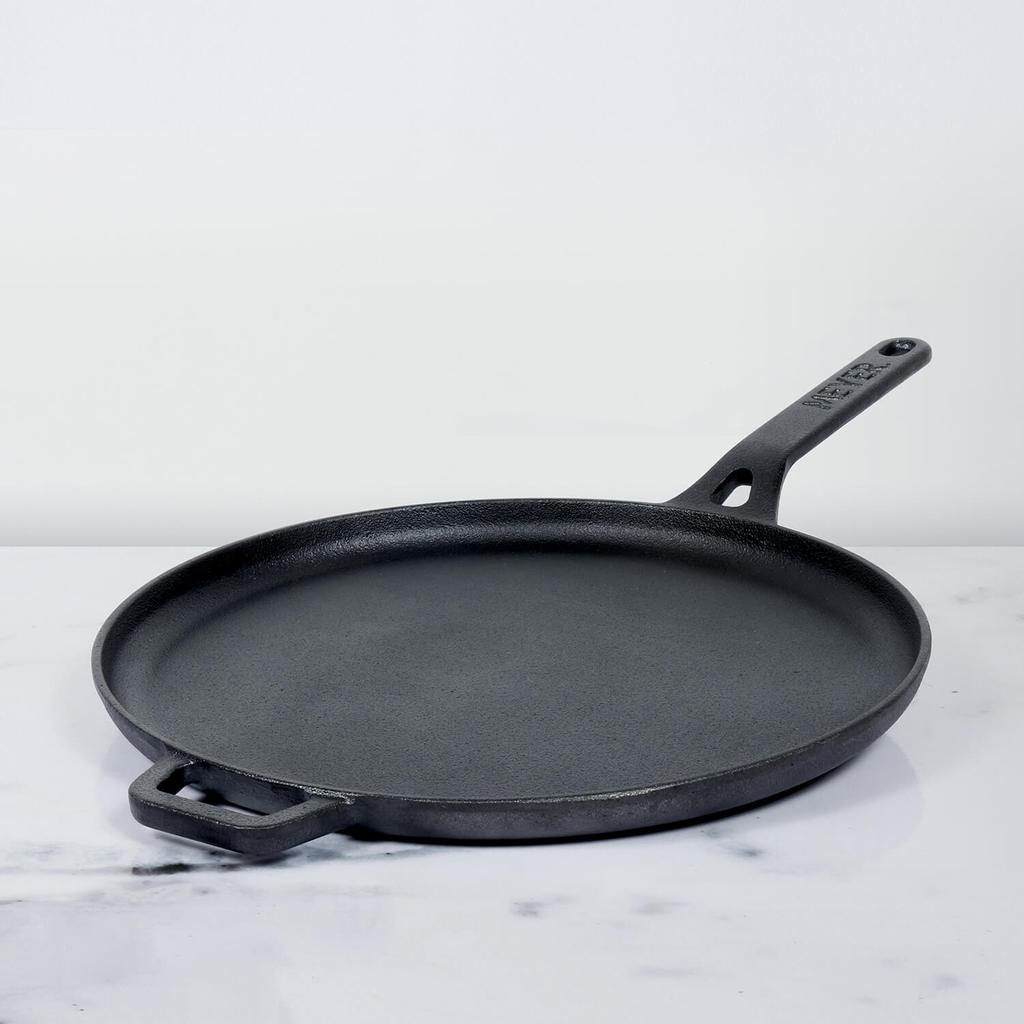


Leave a comment