



Non-stick cookware is designed to make everyday cooking effortless. Whether you’re flipping a delicate omelette, making a perfectly crisp dosa, or sautéing vegetables with minimal oil, a good non-stick pan simplifies the process and reduces cleanup time.
But over time, many users notice a common problem—the surface starts to scratch.
At first, it may appear as a minor mark. But gradually, scratches deepen, food begins to stick, and the pan loses its smooth performance. This raises an important question:
Why do non-stick pans scratch so easily, and can it be prevented?
The answer lies in understanding how non-stick coatings work, what causes damage, and how simple changes in usage can significantly extend the life of your cookware.
Table of Contents
- 1. Understanding Non-Stick Coating
- 2. Why Do Non-Stick Pans Scratch?
- 3. Early Signs That Your Pan Is Getting Scratched
- 4. Does a Scratched Non-Stick Pan Affect Safety?
- 5. How to Prevent Scratches in Non-Stick Pans
- 6. Why Quality of Cookware Matters
- 7. Meyer Non-Stick Cookware: Built for Everyday Durability
- 8. What to Do If Your Pan Is Already Scratched
- 9. Final Thoughts
- 10. Conclusion
Understanding Non-Stick Coating: Why It Needs Care
Non-stick pans are coated with a specially engineered layer that prevents food from sticking to the surface. This coating is designed to be smooth and low-friction, allowing food to release easily with minimal oil.
However, this same smoothness also makes it sensitive to abrasion and heat.
Unlike stainless steel or cast iron, non-stick coatings are not meant to withstand rough handling, sharp edges, or excessive heat. With time and repeated use, the coating can wear down—especially if it is not used carefully.

Why Do Non-Stick Pans Scratch?
Scratches do not appear suddenly. They are usually the result of repeated small actions that gradually damage the surface.
One of the most common reasons is the use of metal utensils. Steel spoons, forks, or sharp-edged spatulas can create fine lines on the surface. Even if the scratches are not visible immediately, they accumulate over time and weaken the coating.
Another major factor is abrasive cleaning. Scrubbing the pan with rough scrubbers or harsh cleaning pads can strip away the top layer. While it may seem like you are removing stubborn residue, you are also damaging the coating in the process.
Stacking cookware without protection is another overlooked cause. When pans are placed one over another, the base of one pan can rub against the surface of another, leading to scratches.
High heat is also a silent contributor. When a non-stick pan is overheated, the coating becomes more fragile. This makes it easier for even mild contact to cause damage.
In Indian kitchens, cooking habits can further accelerate this process. Frequent stirring, high-flame tadka, and heavy daily usage all contribute to faster wear and tear.
Early Signs That Your Pan Is Getting Scratched
Before scratches become severe, your pan will start showing subtle signs of damage.
You may notice that food no longer slides off as easily as before. Certain spots on the pan may begin to stick slightly, even with oil. The surface may lose its smooth shine and start looking dull or uneven.
These are early warnings that the coating is weakening. Addressing the cause at this stage can help prevent further damage.
Does a Scratched Non-Stick Pan Affect Safety?
Light, surface-level scratches may not pose an immediate risk. However, deeper scratches and peeling coatings should not be ignored.
When the coating is significantly damaged, the base material of the pan may get exposed. In addition to affecting cooking performance, this can also lead to uneven heating and food sticking.
The bigger concern is not just safety, but functionality. A scratched pan no longer delivers the benefits it was designed for, making cooking more difficult and less efficient.
How to Prevent Scratches in Non-Stick Pans
Preventing scratches is not complicated—it simply requires a few mindful habits.
Switching to the right utensils is one of the most effective steps. Silicone, wooden, or nylon spatulas are gentle on the surface and significantly reduce the risk of scratches. These materials are designed to glide over the coating without damaging it.
Cleaning the pan correctly is equally important. Instead of scrubbing aggressively, it is better to let the pan cool down and soak briefly if needed. A soft sponge with mild detergent is enough to remove most residues without harming the coating.
Heat control plays a crucial role as well. Non-stick pans perform best on low to medium heat. Using high flame not only weakens the coating but also reduces its lifespan over time.
Another simple yet effective practice is avoiding dry heating. Placing an empty pan on the flame can cause rapid temperature rise, which stresses the coating. Adding a small amount of oil before heating helps protect the surface.
Storage is often overlooked but makes a big difference. If you stack your cookware, placing a soft cloth or pan protector between them can prevent scratches caused by friction.
Why Quality of Cookware Matters
Not all non-stick pans are made the same. The durability of the coating depends heavily on the quality of materials and manufacturing.
High-quality cookware is designed with multi-layer non-stick coatings, making it more resistant to scratches and wear. It also offers better heat distribution, reducing hotspots that can damage the surface.
This is where trusted brands like Meyer stand out.
Meyer Non-Stick Cookware: Built for Everyday Durability
Meyer non-stick cookware is designed keeping real kitchen usage in mind, especially in Indian homes where cooking is frequent and diverse.
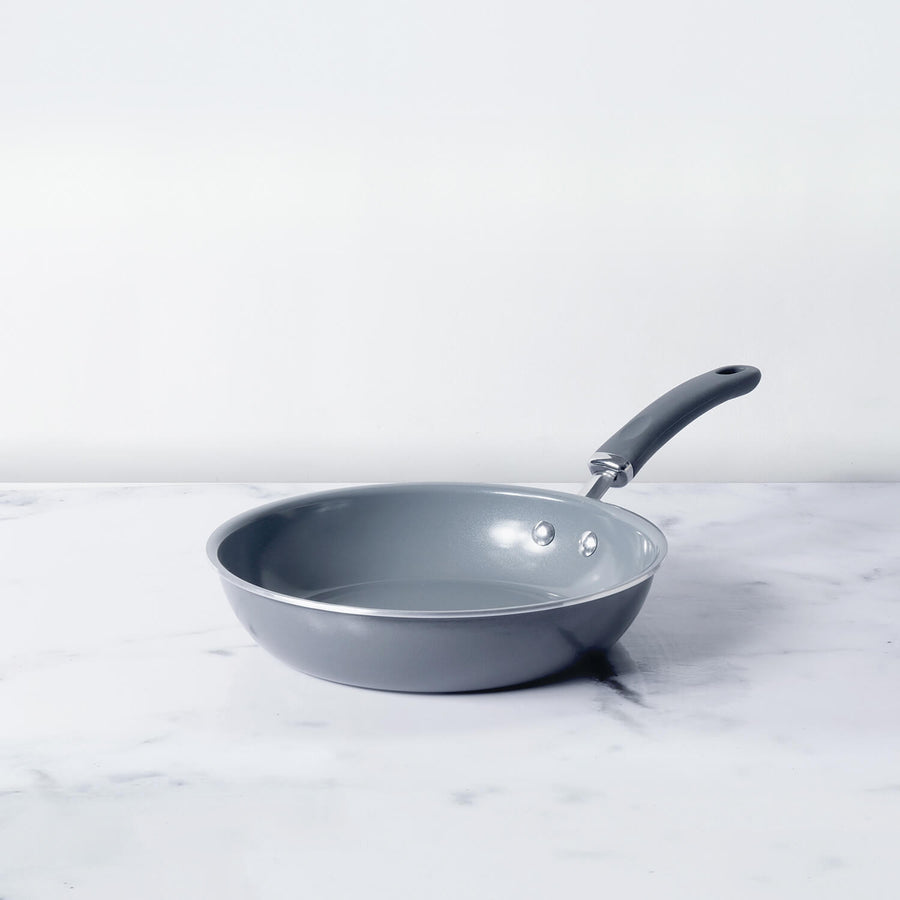
With advanced multi-layer non-stick technology, Meyer pans offer better resistance to scratches compared to ordinary cookware. The coating is engineered to withstand daily use while maintaining smooth food release.
In addition, Meyer cookware is made with PFOA-free coatings, ensuring safer cooking. The construction allows even heat distribution, reducing the chances of overheating and surface damage.
This combination of durability, safety, and performance makes Meyer non-stick cookware a reliable choice for long-term use.
What to Do If Your Pan Is Already Scratched
If your pan has minor scratches but still performs well, you can continue using it with extra care. Switching to gentler utensils and proper cleaning methods can prevent further damage.
However, if the scratches are deep, the coating is peeling, or food sticks frequently, it is time to consider replacing the pan.
Trying to repair or restore a damaged non-stick coating is not effective. Once the surface is compromised, its performance cannot be fully recovered.
Final Thoughts: Small Habits, Big Difference
A non-stick pan is designed to make your cooking easier, but it also requires a certain level of care.
Most scratches are not the result of one mistake—they happen gradually due to everyday habits. The good news is that small changes can make a big difference.
Using the right utensils, controlling heat, cleaning gently, and storing carefully can significantly extend the life of your cookware.
Conclusion
o, why does your non-stick pan scratch?
Because the coating, while highly functional, is delicate and needs mindful handling.
The key to long-lasting performance lies in understanding its limitations and adjusting your cooking habits accordingly.
And when you choose high-quality cookware like Meyer non-stick pans, you give yourself a better starting point—because great cookware, combined with the right care, ensures effortless, safe, and enjoyable cooking every day.
MORE FROM BLOG
Top Collections
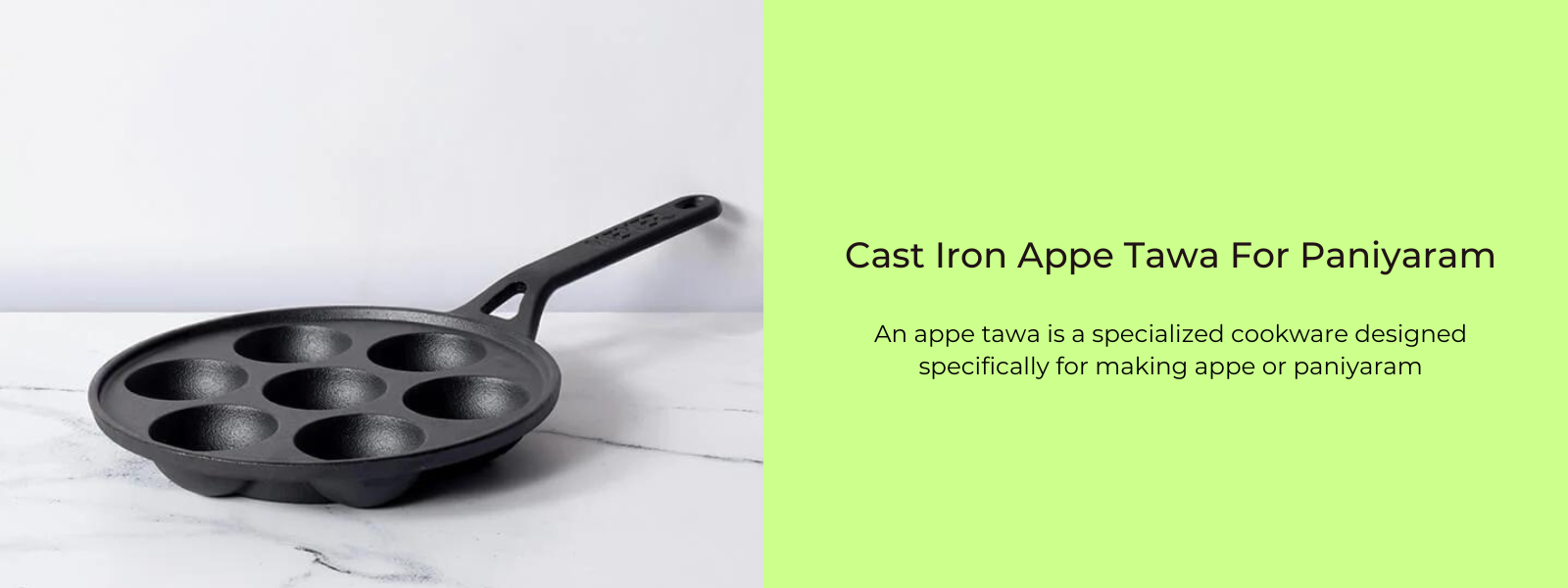
Best Cast Iron Appe Tawa For Paniyaram
2 Items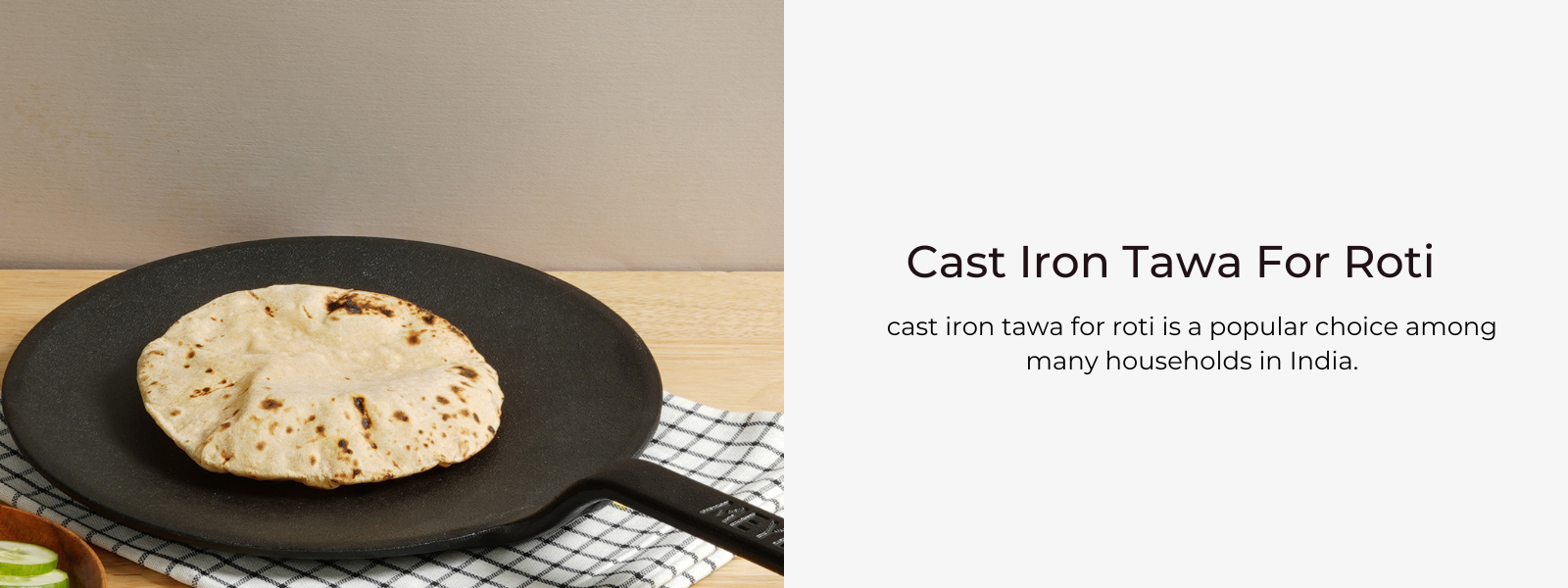
Best Cast Iron Tawa For Roti In India For Easy Cooking
2 Items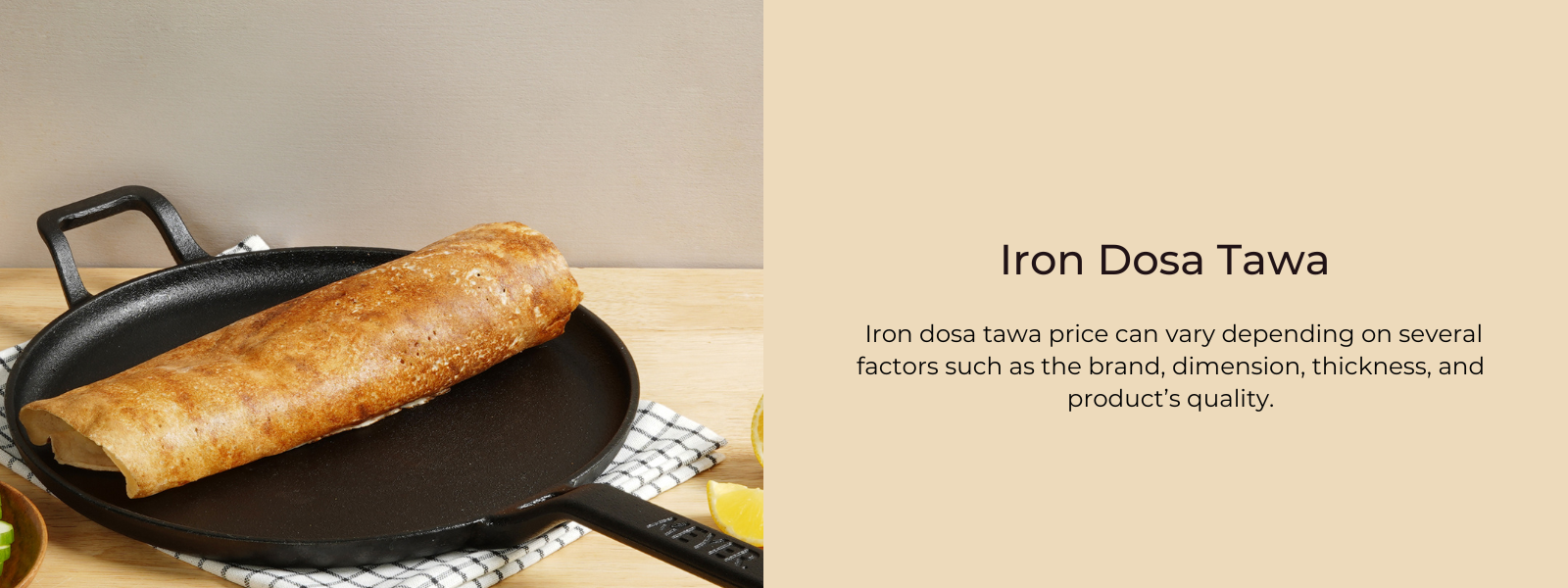
Best Iron Dosa Tawa Price: Pre-seasoned Cast Iron Tawa at a Special Rate
2 Items
Can Cast Iron cookware surface become Non-stick?
2 Items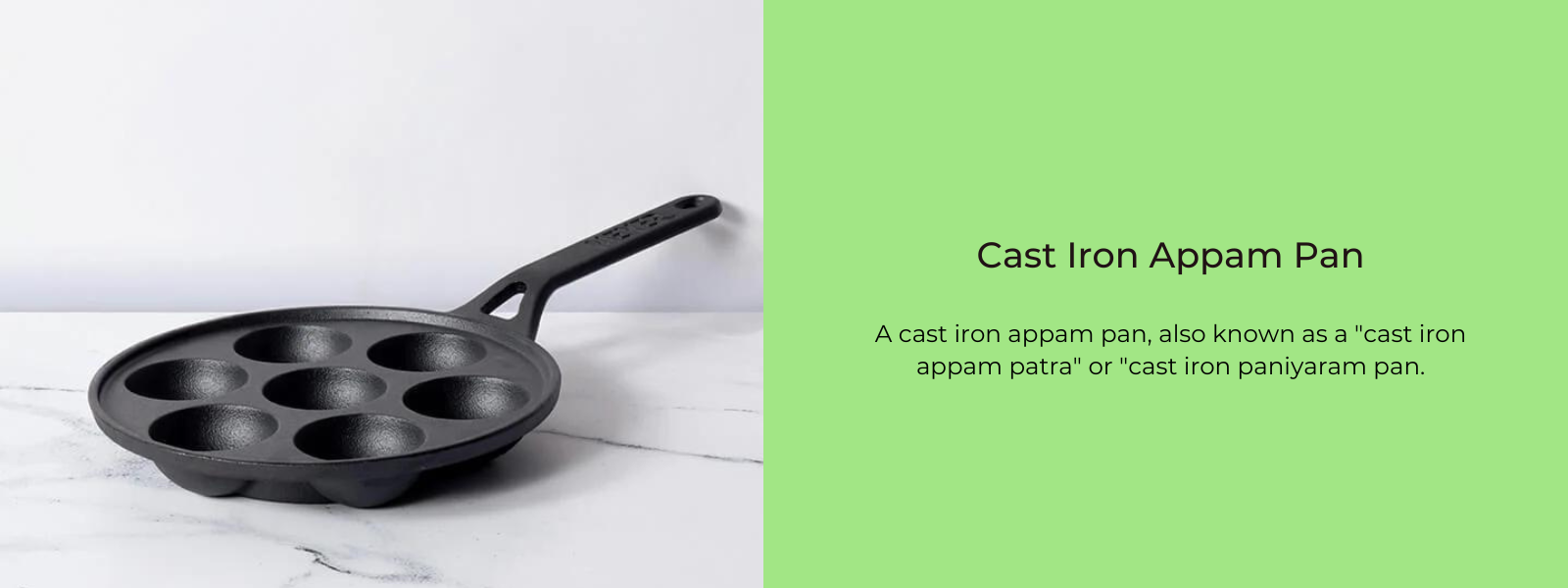
Cast Iron Appam Pan: Cookware That Lasts For Lifetime
2 Items
Cast Iron Cookware: A Comprehensive Guide to Heat Retention
2 ItemsFrom Our Shop


Leave a comment