



In recent years, ceramic-coated cookware has gained significant popularity among home cooks who are looking for alternatives to traditional non-stick pans. Many ceramic pans are marketed as “PFOA-free” and “PTFE-free,” making them appealing to consumers who are more conscious about the materials used in their kitchen tools.
But what does this actually mean? Are ceramic-coated pans genuinely free of these chemicals, and how do they compare with other types of non-stick cookware?
Understanding the science behind ceramic coatings can help you make an informed decision about whether ceramic cookware is the right choice for your kitchen.
Table of Contents
- 1. Understanding PFOA and PTFE in Cookware
- 2. What Is Ceramic-Coated Cookware?
- 3. Are Ceramic-Coated Pans Truly PTFE-Free?
- 4. Are Ceramic-Coated Pans Truly PFOA-Free?
- 5. How Ceramic Non-Stick Coatings Work
- 6. Benefits of Ceramic-Coated Cookware
- 7. Are Ceramic Pans Completely Non-Stick Forever?
- 8. Tips to Extend the Life of Ceramic-Coated Cookware
- 9. Who Should Consider Ceramic-Coated Cookware?
- 10. Final Thoughts
Understanding PFOA and PTFE in Cookware
To understand the safety claims around ceramic cookware, it’s helpful to first understand what PFOA and PTFE are and how they relate to non-stick cookware.
What Is PTFE?
PTFE, or polytetrafluoroethylene, is a synthetic polymer used in many traditional non-stick cookware coatings. It is valued for its extremely smooth surface, which prevents food from sticking and allows cooking with less oil.
PTFE coatings are widely used because they offer:
-
Excellent non-stick performance
-
Easy food release
-
Simple cleaning
When used within recommended temperature ranges, PTFE-based cookware performs effectively for everyday cooking tasks.
What Is PFOA?
PFOA, or perfluorooctanoic acid, was historically used during the manufacturing process of certain non-stick coatings.
However, modern cookware manufacturing has largely eliminated PFOA from production. Today, most reputable cookware brands produce PFOA-free non-stick cookware.
It’s important to note that PFOA was used during manufacturing, not as an ingredient in the final coating.

What Is Ceramic-Coated Cookware?
Ceramic-coated cookware uses a completely different type of coating compared to traditional PTFE-based non-stick pans.
Instead of synthetic polymers, ceramic coatings are typically made using silica-based materials derived from sand. These materials are applied to cookware surfaces and cured at high temperatures to form a smooth, glass-like layer.
This coating provides a naturally slick surface that allows food to release easily.
Because ceramic coatings do not rely on PTFE chemistry, they are typically marketed as:
-
PTFE-free
-
PFOA-free
This is one of the main reasons ceramic cookware has become popular among consumers seeking alternative non-stick options.
Are Ceramic-Coated Pans Truly PTFE-Free?
Yes, genuine ceramic-coated cookware does not contain PTFE.
The non-stick properties of ceramic cookware come from the smooth surface created by the silica-based coating rather than synthetic fluoropolymer materials.
Because the coating technology is fundamentally different, ceramic cookware does not require PTFE to achieve its food-release properties.
However, the quality of ceramic coatings can vary depending on the manufacturer and the specific coating technology used.
Are Ceramic-Coated Pans Truly PFOA-Free?
Yes. Ceramic coatings are also free from PFOA.
Since PFOA was historically used in the production of certain fluoropolymer coatings, and ceramic coatings do not use those materials, ceramic cookware is naturally PFOA-free.
Additionally, many modern cookware brands now ensure that their entire cookware range meets strict safety standards regarding chemical use.
How Ceramic Non-Stick Coatings Work
Unlike PTFE coatings, which rely on polymer chemistry to create a slippery surface, ceramic coatings work through surface smoothness and microstructure.
The coating creates a smooth cooking surface that reduces the adhesion of food during cooking.
This means food releases easily without requiring large amounts of oil or butter.
However, ceramic coatings behave slightly differently from traditional non-stick coatings, which is why cooking techniques may need slight adjustment.
Benefits of Ceramic-Coated Cookware
Ceramic-coated cookware offers several advantages that make it attractive to many home cooks.
Free from PTFE and PFOA
One of the biggest selling points of ceramic cookware is that it avoids fluoropolymer-based coatings entirely.
For people specifically looking for cookware without PTFE or PFOA, ceramic coatings provide an alternative.
Smooth Cooking Surface
Ceramic coatings offer a naturally smooth cooking surface that helps prevent food from sticking during cooking.
This makes ceramic pans particularly useful for cooking foods such as:
-
Eggs
-
Pancakes
-
Dosas
-
Crepes
-
Light sautéed vegetables
Easy Cleaning
Because food releases easily from ceramic-coated surfaces, cleaning is often simple.
Most ceramic pans can be cleaned easily using warm water, mild detergent, and a soft sponge.
Attractive Design
Ceramic cookware is often available in a wide variety of modern colors and finishes, making it popular among cooks who appreciate stylish kitchen tools.
Are Ceramic Pans Completely Non-Stick Forever?
One important point to understand is that no non-stick coating lasts forever, including ceramic coatings.
Over time, repeated heating and cooking can gradually reduce the effectiveness of the coating.
Factors that influence the lifespan of ceramic cookware include:
-
Cooking temperature
-
Cleaning methods
-
Utensils used during cooking
-
Frequency of use
With proper care, ceramic-coated cookware can remain effective for a significant period.
Tips to Extend the Life of Ceramic-Coated Cookware
Taking proper care of ceramic cookware helps preserve its non-stick performance.
Cook at Moderate Heat
Ceramic coatings perform best at medium heat rather than extremely high temperatures.
Excessive heat can gradually degrade the coating over time.
Use Gentle Utensils
Wooden, silicone, or nylon utensils are recommended to prevent scratching the surface.
Avoid Abrasive Cleaning
Harsh scrubbing pads can damage the coating. A soft sponge and mild detergent are usually sufficient.
Allow the Pan to Cool Before Washing
Sudden temperature changes can stress the coating and shorten its lifespan.
Allowing cookware to cool naturally before washing helps maintain its structure.
Who Should Consider Ceramic-Coated Cookware?
Ceramic-coated cookware may be particularly appealing to certain home cooks.
Health-Conscious Consumers
People who prefer cookware free from fluoropolymer coatings often choose ceramic-coated options.
Light Cooking Enthusiasts
Ceramic pans work well for dishes that require gentle cooking and minimal oil.
Everyday Breakfast Cooking
Foods such as eggs, pancakes, and crepes benefit from the smooth surface of ceramic coatings.
Stylish Kitchen Setups
Ceramic cookware often comes in aesthetically appealing designs that complement modern kitchens.
Final Thoughts
Ceramic-coated pans are indeed free from both PTFE and PFOA, which is one of the main reasons they have gained popularity among modern home cooks.
Their silica-based coating technology creates a smooth, non-stick surface without relying on fluoropolymer chemistry.
While ceramic cookware offers several advantages—including easy food release and simple cleaning—it is important to use and maintain these pans properly to preserve their performance over time.
Understanding how ceramic coatings work allows you to make a more informed decision when choosing cookware for your kitchen. For many households, ceramic cookware can be a useful addition to a balanced cookware collection designed to handle a variety of cooking styles and recipes.
MORE FROM BLOG
Top Collections

Bakeware Essentials: Choosing Between Metal, Glass, and Ceramic
2 Items
Can Ceramic Cookware Be Used for Breakfast and Light Meals?
2 Items
Can Ceramic Cookware Be Used for Cooking Dosa and Uttapam?
2 Items
Can Ceramic Cookware Handle Everyday Indian Meals?
2 Items
Can Ceramic Cookware Handle Indian Spices Gently?
2 Items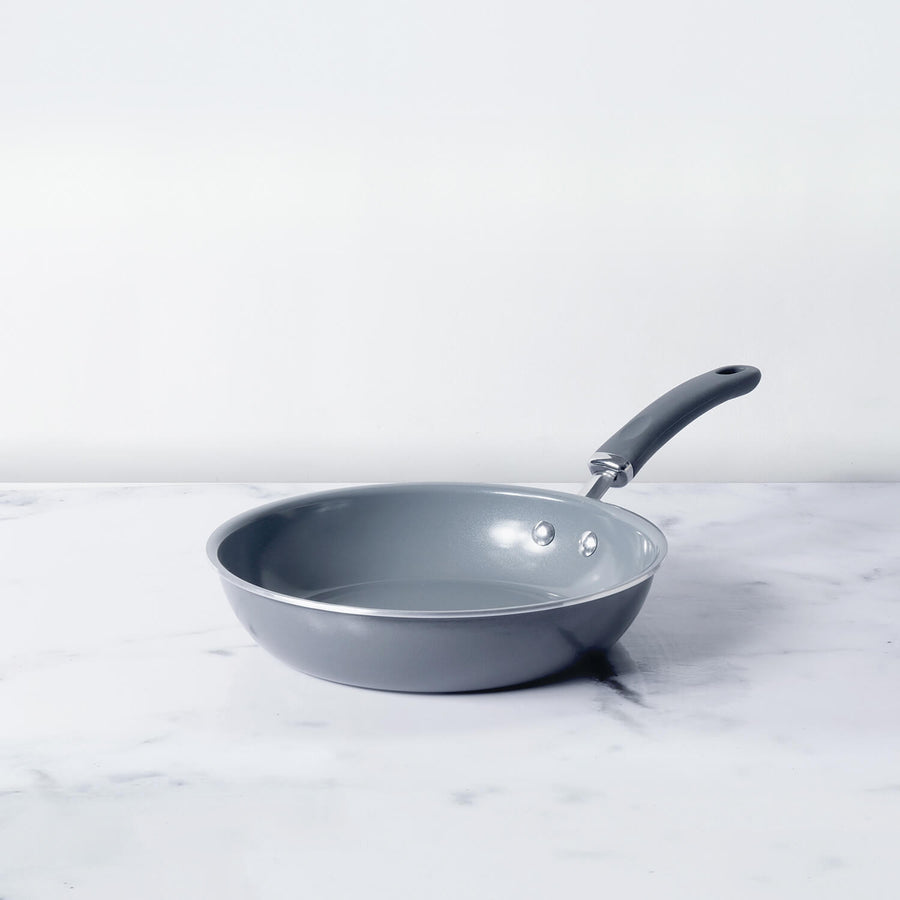


Leave a comment