



Pressure cookers are a staple in Indian kitchens. From perfectly cooked dals to tender meats and quick one-pot meals, they save time, energy, and effort. Yet, despite their everyday use, many people still carry a lingering concern:
Are pressure cookers dangerous?
Stories of cooker bursts, loud whistles, and steam leaks have created a sense of fear—especially among first-time users. But the truth is, modern pressure cookers are engineered with multiple safety features, making them far safer than older models.
In this blog, we break down the real risks vs myths, explain how safety valves work, and explore how modern innovations—like the Meyer Presta pressure cooker—are designed to ensure safe, reliable cooking every day.
Table of Contents
- 1. How Does a Pressure Cooker Work?
- 2. Why Did Pressure Cookers Get a Bad Reputation?
- 3. Are Modern Pressure Cookers Dangerous?
- 4. Understanding Safety Valves
- 5. Common Causes of Pressure Cooker Accidents
- 6. How Modern Design Has Made Pressure Cookers Safer
- 7. Meyer Presta Pressure Cooker
- 8. Why Choosing the Right Pressure Cooker Matters
- 9. Myths vs Reality
- 10. Final Thoughts
- 11. Conclusion
How Does a Pressure Cooker Work? (Simple Understanding)
A pressure cooker works by trapping steam inside a sealed environment.
· Water heats up and turns into steam
· Steam builds pressure inside the cooker
· Increased pressure raises the boiling point of water
· Food cooks faster and more efficiently
This is why pressure cookers can cook food up to 70% faster than traditional methods.
But since pressure is involved, control and safety mechanisms are essential—and that’s where modern designs come in.

Why Did Pressure Cookers Get a Bad Reputation?
Older pressure cookers had:
· Limited safety mechanisms
· Basic valve systems
· Lower-quality materials
If not handled properly, they could:
· Build excessive pressure
· Block steam outlets
· Cause lid displacement or, in rare cases, bursting
However, modern pressure cookers have evolved significantly, addressing these issues with advanced safety systems.
Are Modern Pressure Cookers Dangerous?
The simple answer is: No—when used correctly, modern pressure cookers are very safe.
Today’s pressure cookers are built with:
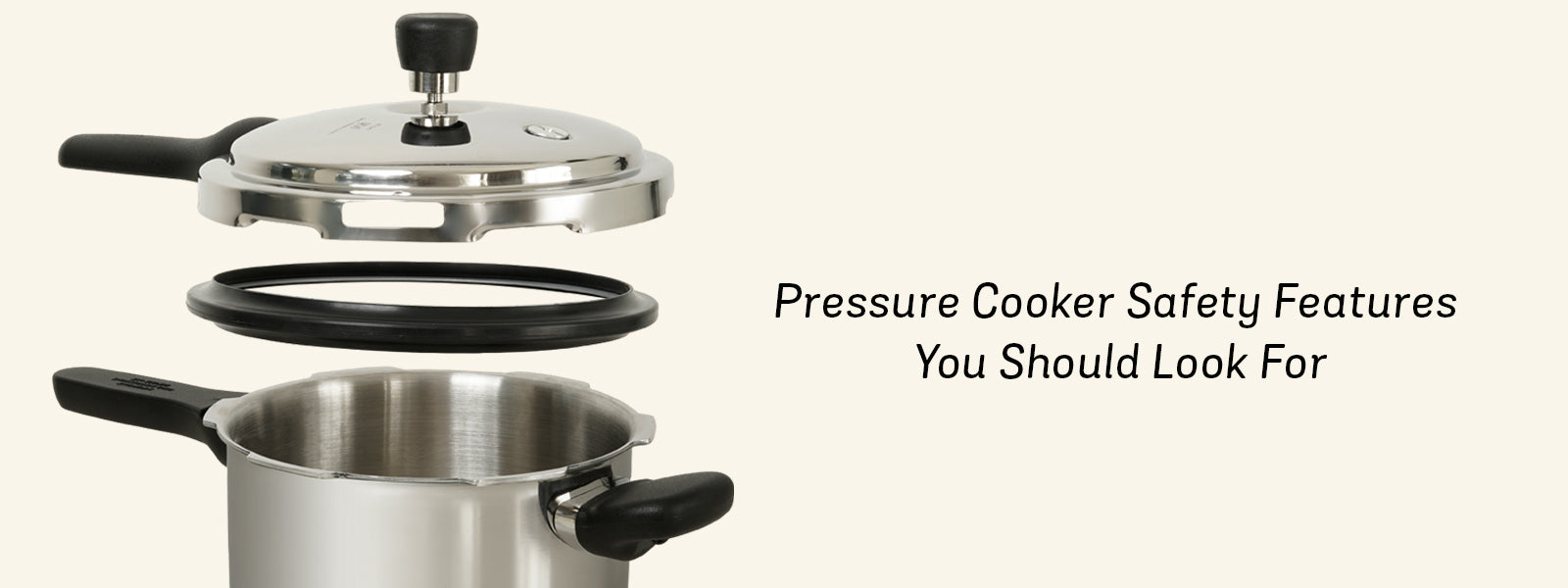
· Multiple safety valves
· Pressure regulation systems
· Locking lid mechanisms
· Durable, tested materials
The risks associated with pressure cookers today are extremely low, especially when you use a high-quality product and follow basic usage guidelines.
Understanding Safety Valves: The Core of Pressure Cooker Safety
1. Primary Pressure Release Valve
This is the main valve (often called the whistle or regulator).
· It controls pressure inside the cooker
· Releases excess steam periodically
· Maintains optimal cooking pressure
This is the first level of safety.
2. Secondary Safety Valve (Gasket Release System)
If the primary valve fails or gets blocked:
· The gasket slightly lifts
· Steam escapes from the sides
This prevents excessive pressure buildup.
3. Safety Plug / Fusible Valve
This is a critical backup safety feature.
· Designed to melt or release under extreme pressure
· Immediately releases steam
· Prevents explosion or structural failure
This acts as a last-resort safety mechanism.
4. Lid Locking Mechanism
Modern pressure cookers include secure locking systems that:
· Prevent the lid from opening under pressure
· Ensure a tight seal during cooking
This eliminates the risk of accidental opening.
Common Causes of Pressure Cooker Accidents (And How to Avoid Them)
Even the safest cooker requires proper use.
Overfilling the Cooker
· Blocks steam space
· Increases pressure risk
Always follow recommended fill levels
Blocked Vent Tube
· Prevents steam from escaping
Clean valves regularly
Worn-Out Gasket
· Leads to pressure imbalance
Replace periodically
Using Excessive Heat
· Builds pressure too quickly
Use medium heat after initial pressure build-up
Ignoring Maintenance
· Reduces safety efficiency
Regular inspection is key
How Modern Design Has Made Pressure Cookers Safer
Today’s pressure cookers are not just functional—they are engineered systems.
Modern improvements include:
· Multi-layered safety mechanisms
· Precision-engineered valves
· Stronger materials (like high-grade aluminium or stainless steel)
· Improved heat distribution
· Ergonomic, safer handles
These innovations ensure that pressure cookers are controlled, predictable, and safe.
Meyer Presta Pressure Cooker: Designed for Your Safety
When it comes to combining performance with safety, the Meyer Presta pressure cooker stands out as a thoughtfully designed solution for modern kitchens.
What Makes Meyer Presta Safe?
Advanced Safety Valve System
Meyer Presta is equipped with a multi-level safety mechanism, ensuring controlled pressure release at every stage.
Durable Construction
Built with high-quality materials, it ensures:
· Strength under pressure
· Long-term durability
· Resistance to wear and tear
Precision Lid Locking
The secure lid mechanism ensures:
· Safe sealing during cooking
· No accidental opening under pressure
Efficient Pressure Regulation
The cooker maintains optimal pressure levels, ensuring:
· Faster cooking
· Reduced risk of over-pressurization
User-Friendly Design
From ergonomic handles to easy operation, Meyer Presta is designed for:
· Comfort
· Safety
· Everyday convenience
Why Choosing the Right Pressure Cooker Matters
Not all pressure cookers offer the same level of safety.
Choosing a well-engineered product ensures:
· Better control over pressure
· Reduced risk of accidents
· Longer lifespan
· Consistent cooking results
A high-quality pressure cooker like Meyer Presta not only enhances safety but also improves your overall cooking experience.
Myths vs Reality
Myth: Pressure cookers are dangerous
Reality: Modern pressure cookers are highly safe with multiple safety features
Myth: They can explode easily
Reality: Multiple safety systems prevent pressure buildup
Myth: Only experts should use them
Reality: They are designed for everyday home use
Final Thoughts: Safe, Smart, and Essential
Pressure cookers have come a long way from their early designs.
Today, they are:
· Safe
· Efficient
· Reliable
The key lies in:
· Choosing a trusted brand
· Understanding basic usage
· Maintaining your cooker properly
Conclusion
So, are pressure cookers dangerous?
Not anymore.
With advanced safety valves, intelligent design, and modern engineering, pressure cookers today are built to be safe and dependable kitchen companions.
And with thoughtfully designed options like the Meyer Presta pressure cooker, you get the perfect combination of safety, performance, and peace of mind.
Because in today’s kitchen, convenience should never come at the cost of safety—and with the right cookware, it doesn’t have to.
MORE FROM BLOG
Top Collections
10 Litre Pressure Cookers for Large Families
2 Items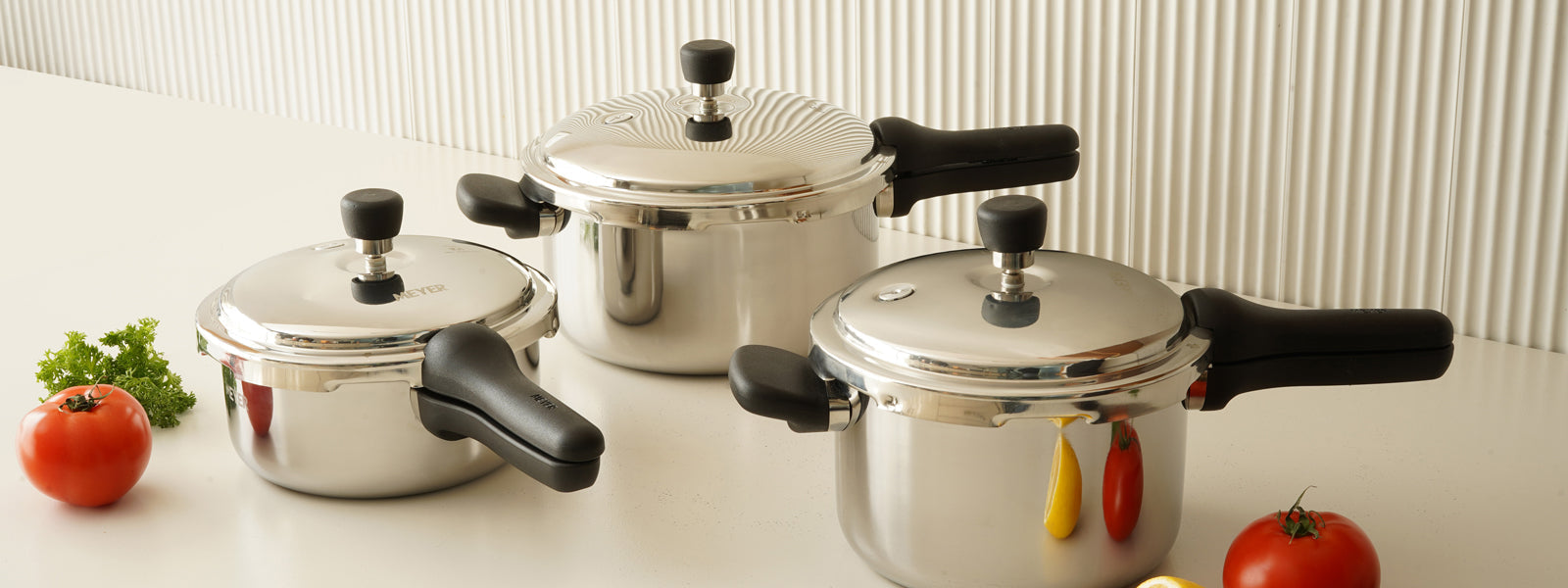
A Guide to Different Types of Pressure Cookers: From Multi-Cookers to Canning Pressure Cookers
2 Items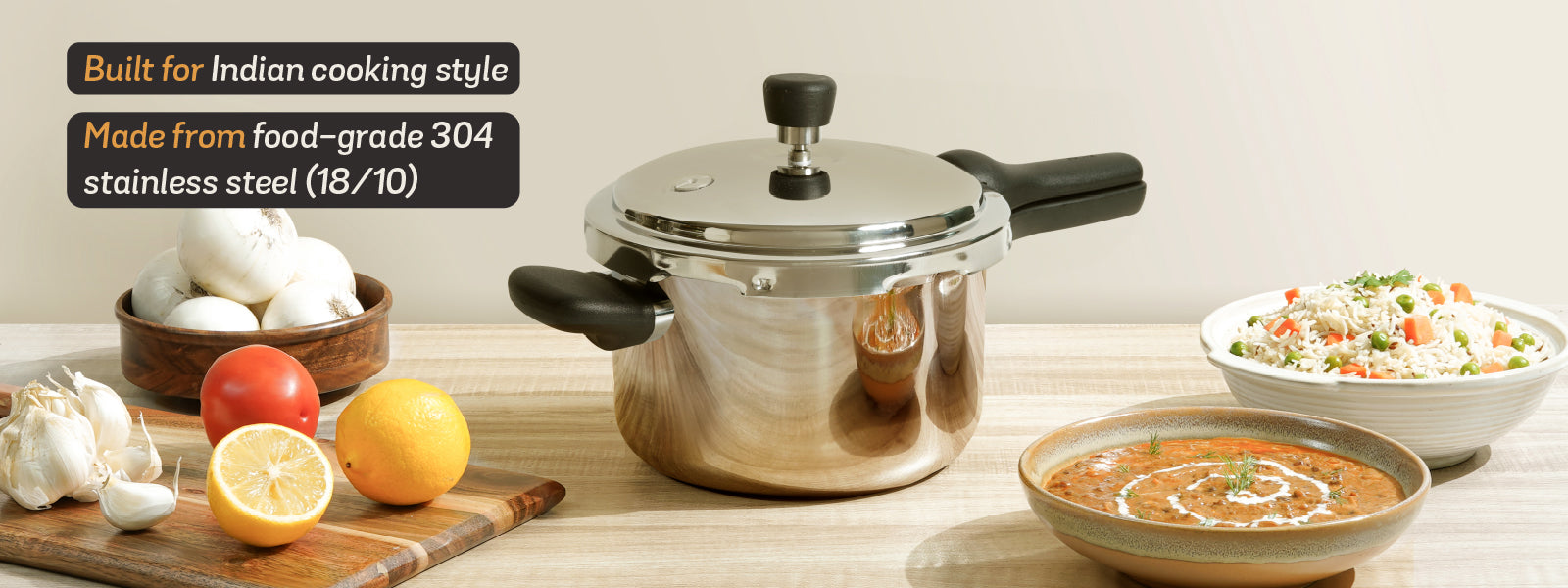
Benefits of a 3 Litre Pressure Cooker
2 Items
Can I wash a pressure cooker in a dishwasher?
2 Items


Leave a comment