



Indian cooking is often associated with rich flavours, aromatic spices, and generous use of oil. However, with growing awareness around health, many households are now shifting toward low-oil cooking—without compromising on taste or authenticity.
The key to making this transition successfully lies not just in ingredients or techniques, but in choosing the right cookware. The right pots and pans can help you reduce oil usage, prevent sticking, and still achieve the same delicious results.
Why Cookware Matters for Low-Oil Cooking
When you reduce oil in cooking, you rely more on the surface quality and heat performance of your cookware. Poor-quality cookware can lead to:
-
Food sticking and burning
-
Uneven cooking
-
Loss of texture and flavour
Good cookware, on the other hand:
-
Minimises sticking
-
Distributes heat evenly
-
Enhances natural flavours
This makes it possible to cook delicious Indian meals with significantly less oil.
Table of Contents
What to Look for in Low-Oil Cookware
Before diving into materials, it’s important to understand the features that support low-oil cooking.
1. Superior Non-Stick Performance
A high-quality non-stick surface allows food to release easily, even with minimal oil.
2. Even Heat Distribution
Prevents hotspots that can burn food when less oil is used.
3. Durability
Low-oil cooking often requires precise heat control, so cookware must withstand repeated use without degrading.
4. Easy Cleaning
Less oil means fewer residues, but a good surface ensures quick and hassle-free cleanup.

Best Cookware Materials for Low-Oil Cooking
Non-Stick Cookware: The First Choice for Beginners
Non-stick cookware is the most popular option for low-oil cooking, especially for beginners.
It allows you to:
-
Cook with minimal or no oil
-
Prevent food from sticking
-
Prepare delicate foods easily
It works well for:
-
Omelettes and pancakes
-
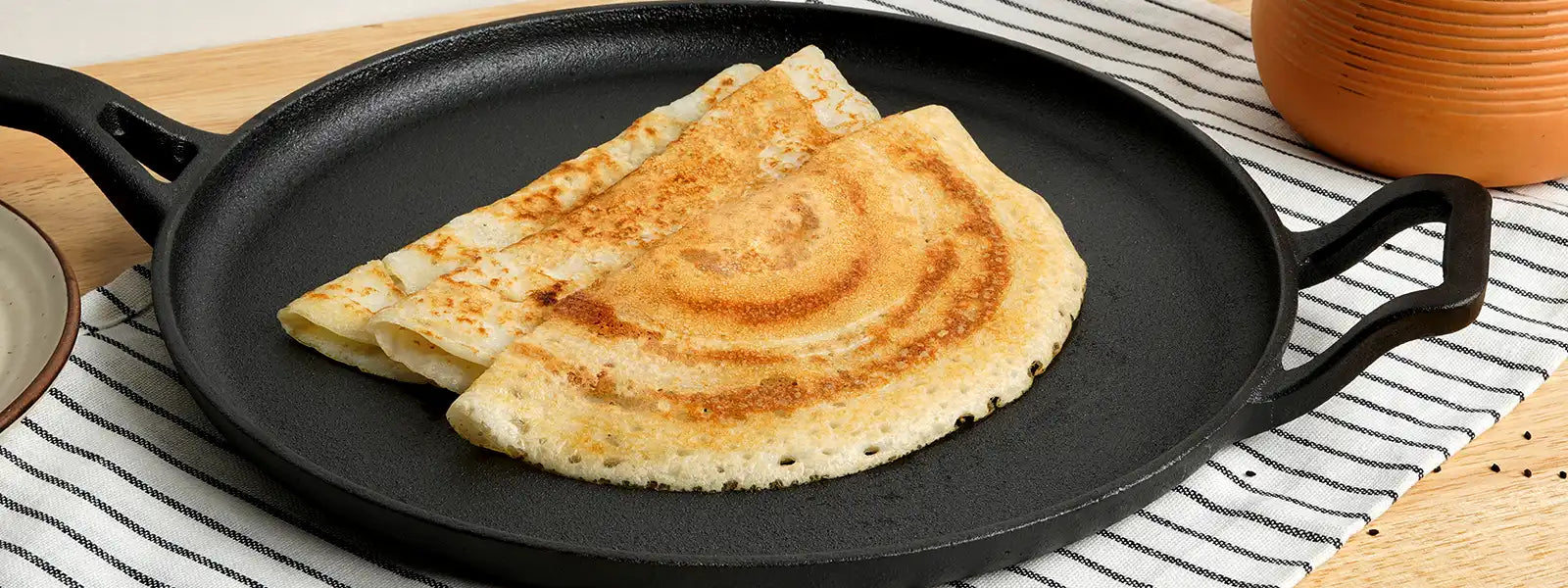
Dosas and chillas
-
Lightly sautéed vegetables
Meyer’s non-stick cookware is designed to offer smooth food release and consistent performance, making it ideal for everyday low-oil cooking.
Ceramic-Coated Cookware: A Modern Alternative
Ceramic-coated cookware offers a naturally smooth surface that supports low-oil cooking while maintaining a clean, modern aesthetic.
It is:
-
Easy to use
-
Free from heavy coatings
-
Suitable for light sautéing and everyday meals
This makes it a great option for health-conscious households.
Triply Stainless Steel: For Balanced, Low-Oil Cooking
While stainless steel is not naturally non-stick, high-quality triply cookware can still support low-oil cooking when used correctly.
Its advantages include:
-
Even heat distribution
-
Better control over cooking temperature
-
Excellent durability
With proper preheating and technique, you can:
-
Sauté vegetables with minimal oil
-
Cook curries without excessive sticking
-
Achieve good browning and flavour
Cast Iron: Naturally Low-Oil Over Time
Cast iron develops a natural non-stick surface when seasoned properly. Over time, it allows for cooking with reduced oil while enhancing flavour.
It is ideal for:
-
Shallow frying
-
Roasting
-
High-heat cooking
However, it requires maintenance and may not be the first choice for beginners.
Best Cookware Pieces for Low-Oil Indian Cooking
Perfect for everyday use, a non-stick fry pan is essential for:
-
Eggs
-
Stir-fried vegetables
-
Quick breakfasts
It ensures minimal oil usage and easy cleanup.
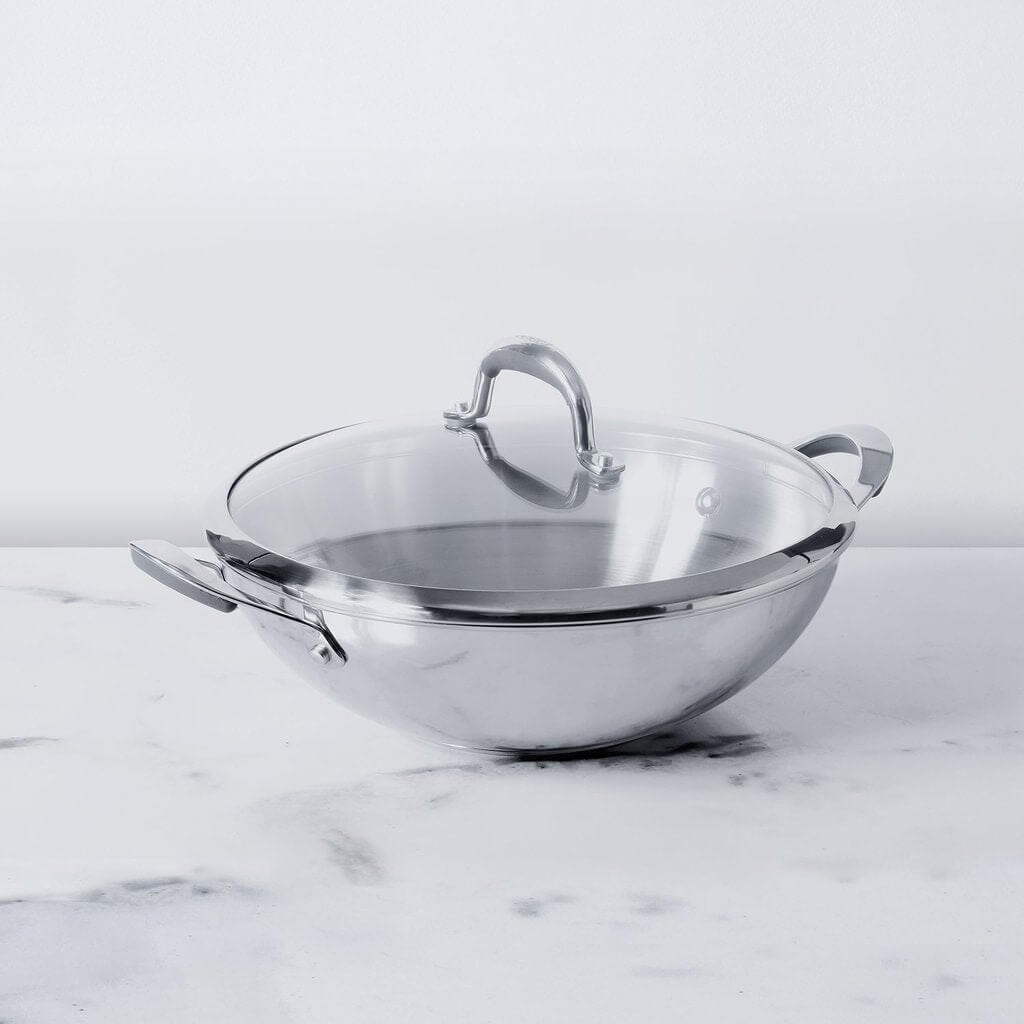
Non-Stick or Stainless Steel Kadai
A kadai is indispensable in Indian cooking. For low-oil cooking:
-
Non-stick kadais are great for easy sautéing
-
Stainless steel kadais are ideal for gravies and curries
Tawa (Flat Pan)
A good tawa allows you to cook:
-
Rotis
-
Dosas
-
Parathas
With minimal oil, especially when using non-stick or well-seasoned cast iron.
For boiling, simmering, and preparing light dishes, a saucepan helps maintain control over heat and reduces the need for excess oil.
Tips for Cooking with Less Oil
Even with the right cookware, technique plays an important role.
-
Preheat your pan properly to reduce sticking
-
Use medium heat instead of high heat
-
Add oil strategically, not excessively
-
Avoid overcrowding the pan to ensure even cooking
These small adjustments can make a big difference in reducing oil usage.
Building a Low-Oil Cooking Setup
For a practical kitchen setup, consider combining:
-
A non-stick fry pan for quick cooking
-
A non-stick or stainless steel kadai for daily meals
-
A tawa for rotis and dosas
-
A saucepan for boiling and simmering
This combination allows you to cook a wide variety of dishes while keeping oil usage under control.
Conclusion
Low-oil cooking in Indian households is not about sacrificing flavour—it’s about making smarter choices.
With the right cookware, you can:
-
Reduce oil usage
-
Maintain authentic taste
-
Cook more efficiently
Choosing high-quality cookware from trusted brands like Meyer ensures that your transition to healthier cooking is smooth, practical, and sustainable.
By combining the right materials with the right techniques, you can enjoy delicious Indian meals that are both nutritious and satisfying—every single day.
MORE FROM BLOG
Top Collections
10 Best Healthy & Non-Toxic Cookware in India (2022 Reviews)
2 Items
5 essential qualities of a non-stick cookware
2 Items
5 Healthy Meals You Can Prepare in Your Non-stick Cookware
2 Items
Achieving Perfect Bakes: Benefits of Using Quality Non-Stick Bakeware
2 Items
Appam Pan Non Stick Makes Cooking Easy
2 Items
Bake Like a Pro: How to Use Non-Stick Bakeware for Perfect Results
2 Items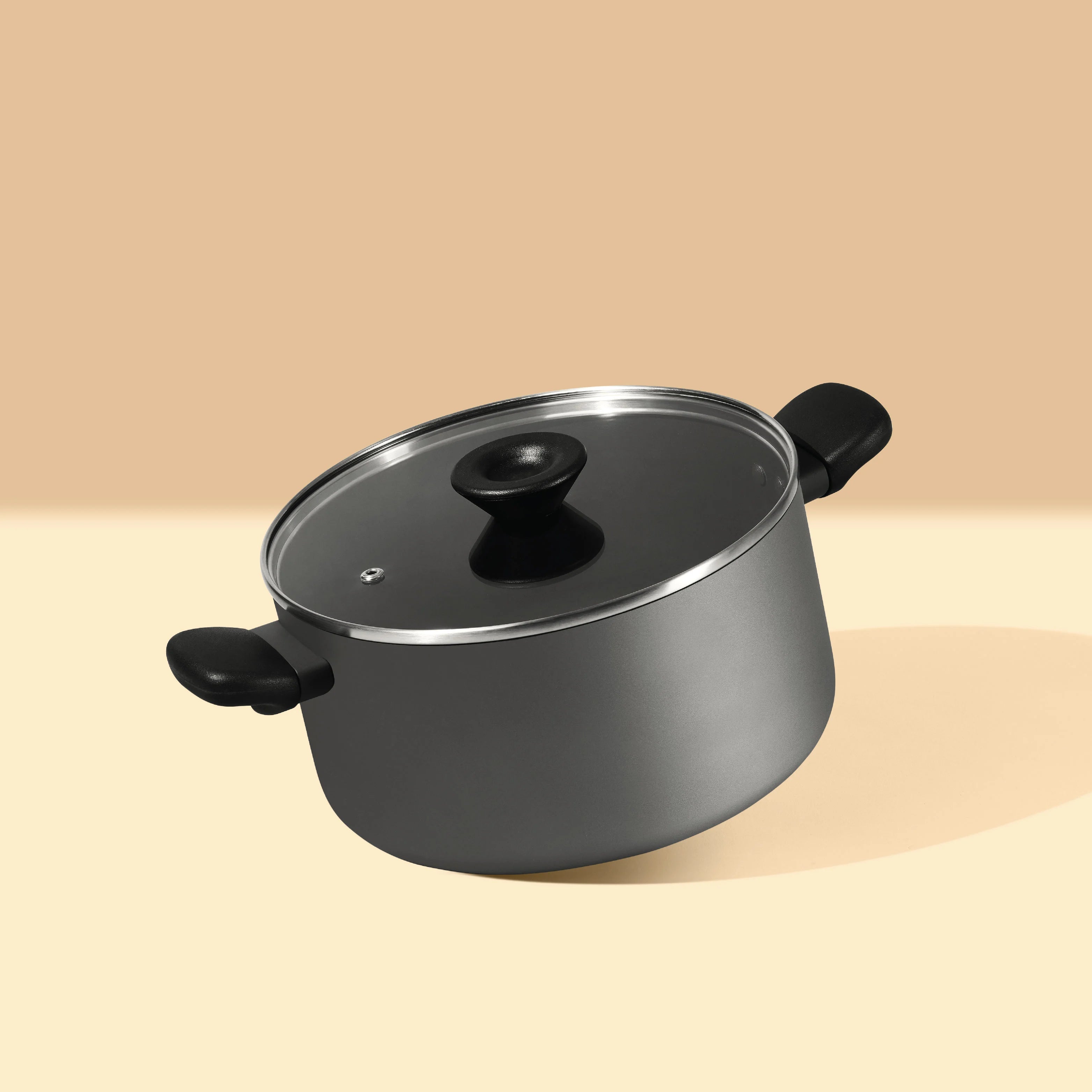


Leave a comment