



Deep frying is an essential part of Indian cooking. From golden samosas and crisp pakoras to fluffy pooris and festive jalebis, achieving the perfect texture depends largely on one critical factor — stable oil temperature.
One question many home cooks ask is:
Is a cast iron kadai safe and suitable for deep frying Indian snacks?
The short answer is yes — not only is it safe when used correctly, but cast iron is actually one of the best materials for deep frying. In fact, traditional Indian kitchens have relied on cast iron kadhais for generations precisely because of their performance under high heat.
Let’s explore why cast iron works so well, what precautions to take, and how to maintain it properly for long-term use.
Table of Contents
- 1. Why Cast Iron Is Excellent for Deep Frying
- 2. Is It Safe to Deep Fry in Cast Iron?
- 3. Best Oils for Deep Frying in Cast Iron
- 4. What Indian Snacks Fry Best in Cast Iron Kadai?
- 5. When Cast Iron May Not Be Ideal
- 6. Cleaning After Deep Frying
- 7. Does Cookware Quality Matter for Deep Frying?
- 8. Common Mistakes to Avoid
- 9. Does Deep Frying Cause Iron Leaching?
- 10. Conclusion
Why Cast Iron Is Excellent for Deep Frying
1. Superior Heat Retention
Cast iron is known for its ability to retain heat for long periods. Unlike thinner materials that lose temperature quickly when food is added, cast iron holds steady.
This is extremely important for deep frying because:
-
Oil temperature remains stable
-
Food cooks evenly
-
Outer layers crisp properly
-
Oil absorption is minimized
When oil temperature drops too much, snacks become greasy. When it fluctuates wildly, they cook unevenly. A cast iron kadai helps prevent both problems.
Once heated properly, it creates a stable cooking environment ideal for frying multiple batches.
2. Even Heat Distribution
A well-constructed cast iron kadai distributes heat across the base and up the sides. This ensures:
- Uniform browning
- Reduced hot spots
- Consistent frying from all angles
For Indian snacks like samosas or kachoris that require gradual frying at medium heat, this even heat distribution is particularly beneficial.
Premium cookware such as Meyer Pre-Seasoned Cast Iron Cookware is designed with consistent thickness and smooth finishing, which enhances even heat spread and improves frying performance over time.
3. Deep Frying Strengthens the Seasoning
Many people worry that high heat may damage cast iron seasoning. In reality, controlled high-heat cooking — including deep frying — can actually improve the seasoning layer.
When oil is heated for longer durations:
-
It polymerizes further
-
It bonds more firmly to the surface
-
It strengthens the non-stick layer
This makes cast iron especially suitable for regular frying applications.

Is It Safe to Deep Fry in Cast Iron?
Yes — when proper precautions are followed.
Cast iron is chemically stable at high temperatures and does not release harmful substances. However, because it retains heat so effectively, careful temperature management is important.
Important Safety Considerations
1. Gradual Heating Is Essential
Cast iron heats slowly but retains heat strongly. Always:
-
Start with medium heat
-
Allow oil to warm gradually
-
Avoid blasting high flame immediately
Sudden high heat can cause oil to overshoot the desired temperature.
2. Do Not Overfill the Kadai
Because cast iron is heavy and oil adds significant weight:
-
Never fill oil more than halfway
-
Leave space for bubbling and expansion
-
Avoid overcrowding food
Overfilling increases splatter risk and makes handling unsafe.
3. Monitor Oil Temperature Carefully
Ideal frying temperatures for most Indian snacks range between 160°C to 180°C.
Since cast iron retains heat:
- Reduce flame slightly once oil reaches temperature
- Adjust gradually instead of making drastic changes
Temperature stability is one of cast iron’s strengths, but it requires attentive control.
Best Oils for Deep Frying in Cast Iron
Choose oils with high smoke points such as:
- Groundnut (peanut) oil
- Sunflower oil
- Rice bran oil
- Properly heated mustard oil
Avoid exceeding the oil’s smoke point, especially since cast iron continues holding heat even after reducing the flame.
What Indian Snacks Fry Best in Cast Iron Kadai?
Cast iron kadais are particularly effective for:
-
Samosas
-
Kachoris
-
Pakoras and bhajiyas
-
Medu vadas
-
Pooris
-
Jalebis
-
Murukku and chakli
The steady oil temperature helps achieve:
- Even golden color
- Crisp outer shell
- Proper internal cooking
- Reduced oil absorption
When Cast Iron May Not Be Ideal
Although excellent for frying, cast iron may not suit everyone in every situation.
Consider alternatives if:
-
You need rapid temperature adjustments
-
You prefer lightweight cookware
-
You use a glass-top stove with weight restrictions
-
Lifting a heavy kadai filled with oil feels uncomfortable
For many home cooks, however, the benefits outweigh these concerns.
Cleaning After Deep Frying
Proper cleaning ensures longevity and consistent performance.
After frying:
-
Allow oil to cool slightly.
-
Strain and store reusable oil separately.
-
Wipe out excess oil with paper towel.
-
Wash gently with warm water (mild soap is acceptable).
-
Heat-dry completely on low flame.
-
Apply a thin protective oil layer and wipe off excess.
Never leave used oil sitting in the kadai overnight, especially during humid weather.
Does Cookware Quality Matter for Deep Frying?
Absolutely.
High-quality cast iron cookware typically features:
-
Even thickness for uniform heating
-
Smoother interior finishing
-
Factory-applied seasoning
-
Stronger structural stability
For example, Meyer Pre-Seasoned Cast Iron Cookware comes with factory seasoning and refined finishing, which:
-
Improves initial non-stick performance
-
Reduces sticking during frying
-
Supports consistent high-heat cooking
-
Enhances durability over time
While all cast iron can fry safely when maintained properly, smoother, well-crafted cookware offers a more predictable cooking experience.
Common Mistakes to Avoid
-
Heating oil on high flame immediately
-
Overcrowding the kadai
-
Adding wet ingredients directly into oil
-
Skipping proper drying after washing
-
Applying thick oil layers during storage
Deep frying does not damage cast iron — improper cleaning and storage do.
Does Deep Frying Cause Iron Leaching?
In well-seasoned cast iron used for deep frying, iron leaching is minimal. Since deep frying involves oil rather than acidic ingredients, the seasoning layer remains stable.
Avoid cooking highly acidic foods immediately after frying unless the pan is properly cleaned and maintained.
Conclusion
Yes — a cast iron kadai is safe, effective, and highly suitable for deep frying Indian snacks.
Its ability to retain and distribute heat evenly makes it ideal for achieving crisp, golden textures with consistent results. When used responsibly and maintained correctly, cast iron can actually become better with regular frying.
Premium options such as Meyer Pre-Seasoned Cast Iron Cookware offer added convenience with factory seasoning and smoother finishing, making them especially reliable for high-heat Indian cooking.
With proper heat control, safe oil handling, and consistent post-cooking care, a cast iron kadai can serve as a dependable deep-frying companion for decades — delivering authentic results every time.
MORE FROM BLOG
Top Collections
Cast Iron Cookware: A Comprehensive Guide to Heat Retention
2 Items
Is cast iron superior to other cookware? Discover best cookware material in India
2 Items
Cast Iron Cookware for Camping: Everything You Need to Know
2 Items
Cast Iron Cookware: How It Can Last a Lifetime
2 Items
Cast Iron Cookware: The Benefits of Cooking with Tradition
2 Items
Cast Iron Cookware: The Ultimate Guide to Cooking on an Open Fire
2 Items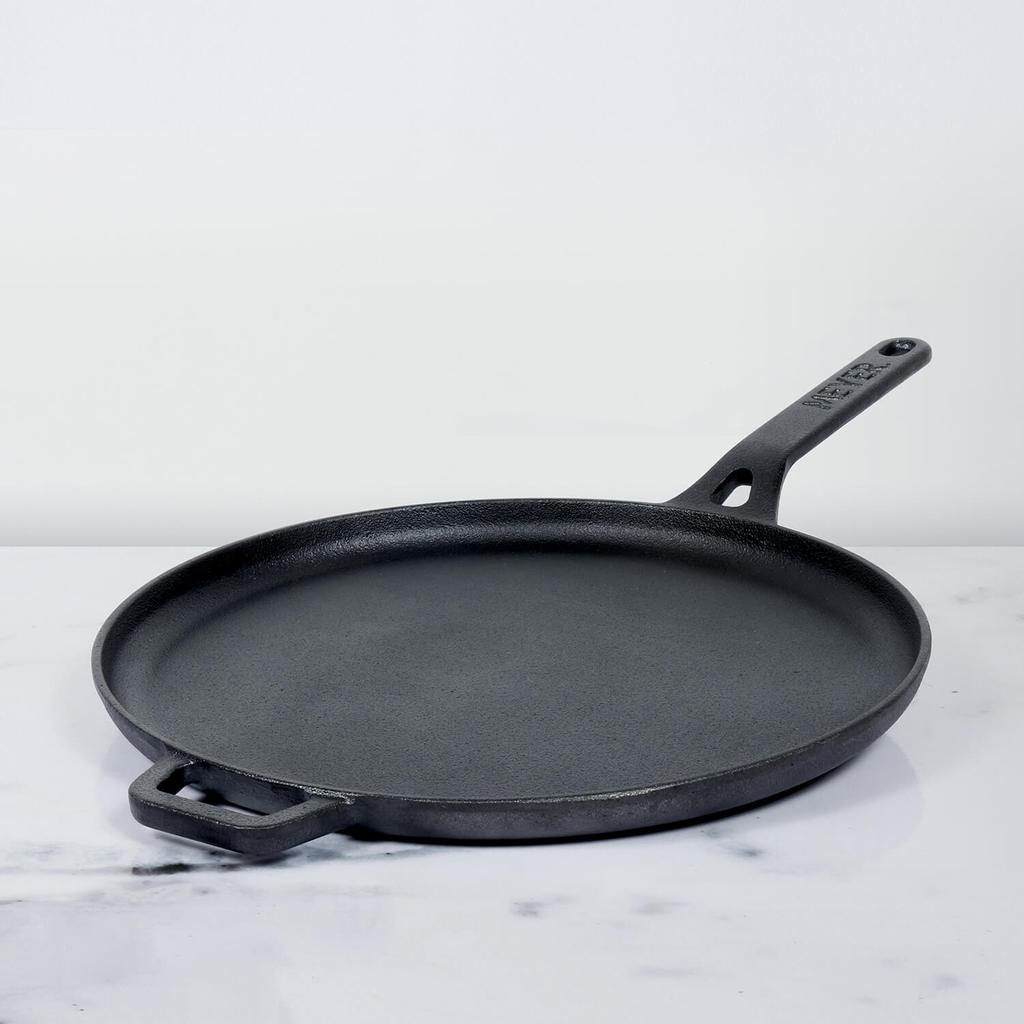


Leave a comment