



As Indian kitchens evolve, the way we cook has changed—but what we cook, and how we build flavour, remains deeply rooted in tradition. From simmering dals to slow-cooking curries and roasting masalas, Indian cooking demands cookware that can handle heat, time, and technique. This has led many home cooks to ask an important question: Can cast iron cookware be used on modern gas stoves?
With today’s kitchens featuring auto-ignition burners, glass-top gas stoves, and sleek modular designs, there’s often hesitation about using heavy, traditional cookware. The good news is that cast iron is not only compatible with modern gas stoves—it thrives on them, often delivering better cooking results than many modern materials.
Table of Contents
- 1. Why Cast Iron and Gas Stoves Work So Well Together
- 2. Using Cast Iron on Modern Glass-Top Gas Stoves
- 3. How Cast Iron Responds to Flame Heat
- 4. Everyday Indian Cooking with Cast Iron on Gas
- 5. Can Cast Iron Handle High Flame on Gas Stoves?
- 6. Does Cast Iron Damage Gas Burners?
- 7. Why Cast Iron Performs Better Than Lightweight Cookware on Gas
- 8. Cast Iron, Modern Kitchens, and Energy Efficiency
- 9. Common Myths About Cast Iron on Gas Stoves
- 10. Why Meyer Cast Iron Is Ideal for Modern Gas Stoves
- 11. Final Verdict
Why Cast Iron and Gas Stoves Work So Well Together
Gas stoves offer something electric and induction cooktops cannot fully replicate: direct flame control. This direct heat pairs exceptionally well with cast iron’s defining quality—its ability to absorb, retain, and distribute heat evenly.
When placed on a gas burner, cast iron warms up gradually and then holds heat steadily across the entire cooking surface. This stability is crucial for Indian dishes where spices need controlled roasting, gravies need time to thicken evenly, and food should not scorch suddenly.
Unlike lightweight aluminium or thin nonstick cookware, cast iron does not react aggressively to sudden flame changes. Once heated, it maintains a consistent temperature, making it ideal for both high-heat and long-duration cooking on gas stoves.

Using Cast Iron on Modern Glass-Top Gas Stoves
One of the most common concerns today is whether cast iron can be used on glass-top gas stoves, which are now common in urban Indian homes.
The answer is yes—with care.
High-quality cast iron cookware, such as Meyer Pre-Seasoned Cast Iron Frypans and Dutch Ovens, is designed with flat, well-balanced bases that sit securely on gas burners. When placed gently and not dragged across the glass surface, cast iron poses no risk to modern glass-top stoves.
In fact, because cast iron is heavy and stable, it often feels more secure on burners than lighter cookware that tends to shift or wobble during stirring.
Meyer Enamel Cast Iron Skillet 26cm, Grey
How Cast Iron Responds to Flame Heat
Modern gas stoves offer precise flame control, allowing cooks to adjust heat instantly. Cast iron responds best when heated gradually—starting on low to medium flame before increasing heat as needed.
Once hot, cast iron spreads the flame’s heat evenly across the pan, reducing hot spots that commonly cause gravies to burn at the bottom. This is especially beneficial for Indian cooking styles that involve sautéing onions, slow-cooking masalas, or simmering lentils for extended periods.
Meyer’s pre-seasoned cast iron cookware is engineered to perform efficiently on gas stoves, ensuring heat distribution remains consistent even during longer cooking sessions.
Everyday Indian Cooking with Cast Iron on Gas
Cast iron is not limited to occasional use—it is perfectly suited for daily Indian cooking on modern gas stoves.
In fact, many traditional dishes taste better when cooked in cast iron because of its steady heat and ability to develop deep flavours over time. Whether you are preparing rotis on a cast iron tawa, tempering spices in a cast iron frypan, or slow-cooking rajma in a cast iron Dutch oven, gas stoves give you the control cast iron needs to shine.
Meyer’s cast iron cookware comes pre-seasoned, making it easy for modern households to start cooking immediately without the intimidation factor traditionally associated with cast iron.
Can Cast Iron Handle High Flame on Gas Stoves?
Yes, cast iron can handle high temperatures with ease.
Unlike nonstick cookware, which can degrade or release fumes at high heat, cast iron is naturally resistant to extreme temperatures. It does not warp, peel, or lose structural integrity when exposed to direct flame.
That said, Indian cooking rarely requires continuous high flame. Medium to medium-high heat is usually sufficient—and more effective—when cooking with cast iron. Modern gas stoves make it easier to maintain this optimal flame level, ensuring better results while preserving the seasoning of the cookware.
Does Cast Iron Damage Gas Burners?
Cast iron does not damage gas burners when used correctly. Its weight actually adds stability, preventing accidental tipping during cooking.
The key is using the right burner size for the cookware. Flames should heat the base of the pan, not climb excessively up the sides. Meyer cast iron cookware is proportioned thoughtfully to suit standard Indian gas burners, making it easy to achieve balanced heating.
Why Cast Iron Performs Better Than Lightweight Cookware on Gas
On gas stoves, lightweight cookware often heats unevenly, leading to burnt masalas and undercooked food. Cast iron solves this problem by creating a stable cooking environment.
Because it retains heat so well, cast iron reduces the need for constant flame adjustments. This improves cooking efficiency and enhances flavour development—an important factor in Indian cuisine where slow cooking is central to taste.
Over time, the naturally seasoned surface of cast iron improves, making it increasingly non-stick and reducing the need for excess oil.
Cast Iron, Modern Kitchens, and Energy Efficiency
While cast iron takes slightly longer to heat initially, it holds heat for much longer. On gas stoves, this means you can often lower the flame once the cookware is hot, saving gas over long cooking durations.
For dishes like dals, curries, and stews, this heat retention allows food to continue cooking gently even after the flame is reduced—an advantage modern Indian households appreciate.
Common Myths About Cast Iron on Gas Stoves
A common misconception is that cast iron is outdated or incompatible with modern kitchens. In reality, cast iron has evolved alongside modern cookware technology.
Brands like Meyer have refined cast iron cookware with smoother finishes, better balance, and factory seasoning, making it easier to use on today’s gas stoves without compromising traditional performance.
Another myth is that cast iron heats unevenly on gas. When preheated correctly, cast iron provides some of the most even heat distribution available.
Why Meyer Cast Iron Is Ideal for Modern Gas Stoves
Meyer’s pre-seasoned cast iron cookware is designed to bridge tradition and modern convenience. It is compatible with gas stoves, glass-top gas stoves, and other modern cooking setups while retaining all the benefits that make cast iron beloved in Indian kitchens.
From sturdy construction to thoughtfully designed bases and ready-to-use seasoning, Meyer cast iron cookware allows home cooks to enjoy authentic Indian cooking without complexity.
Final Verdict: Should You Use Cast Iron on a Modern Gas Stove?
Absolutely.
Cast iron is not only safe to use on modern gas stoves—it is one of the best cookware choices for Indian cooking. The combination of flame control and heat retention enhances flavour, improves cooking consistency, and supports healthier, low-oil cooking.
For modern Indian kitchens that value tradition, durability, and performance, cast iron cookware—especially well-crafted options like Meyer’s—fits seamlessly into everyday cooking.
MORE FROM BLOG
Top Collections
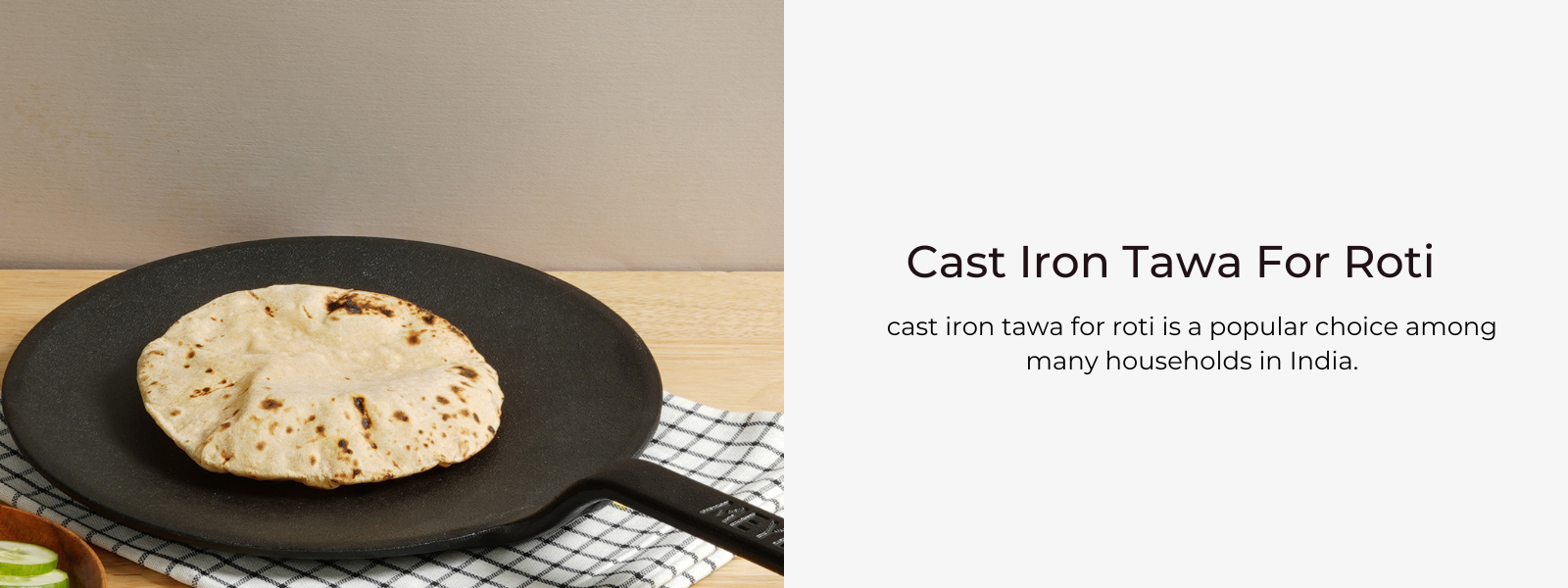
Best Cast Iron Tawa For Roti In India For Easy Cooking
2 Items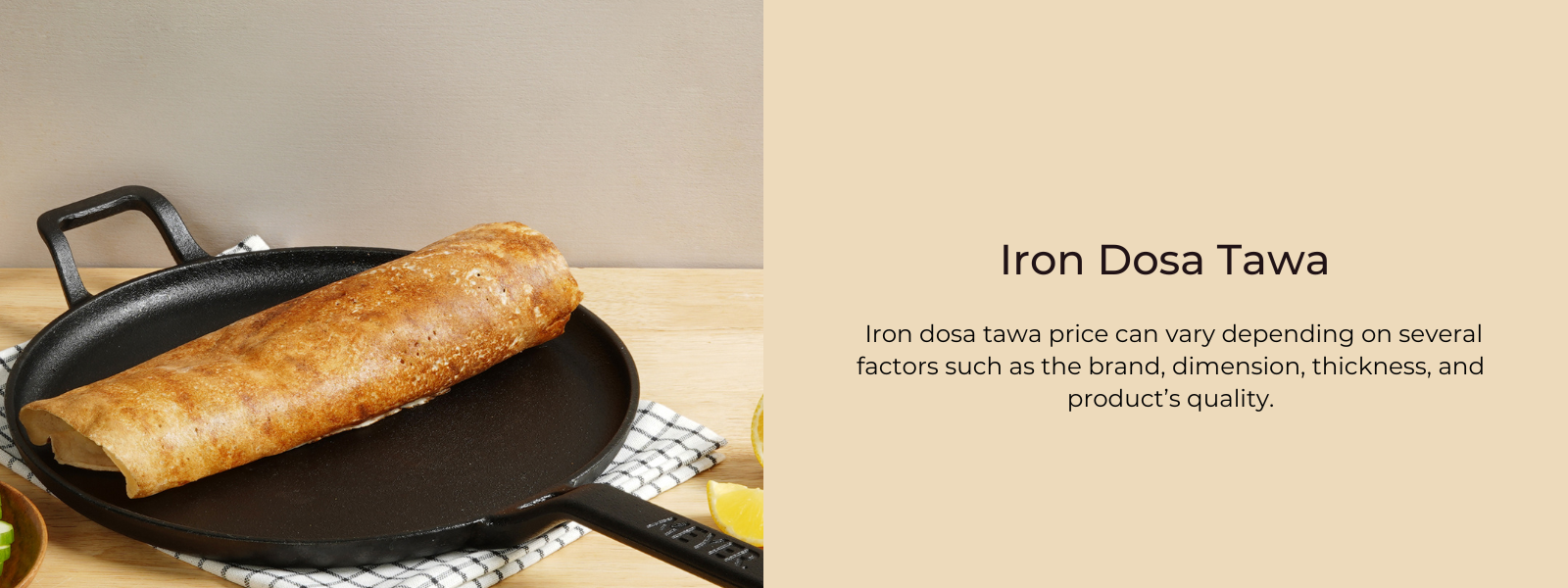
Best Iron Dosa Tawa Price: Pre-seasoned Cast Iron Tawa at a Special Rate
2 Items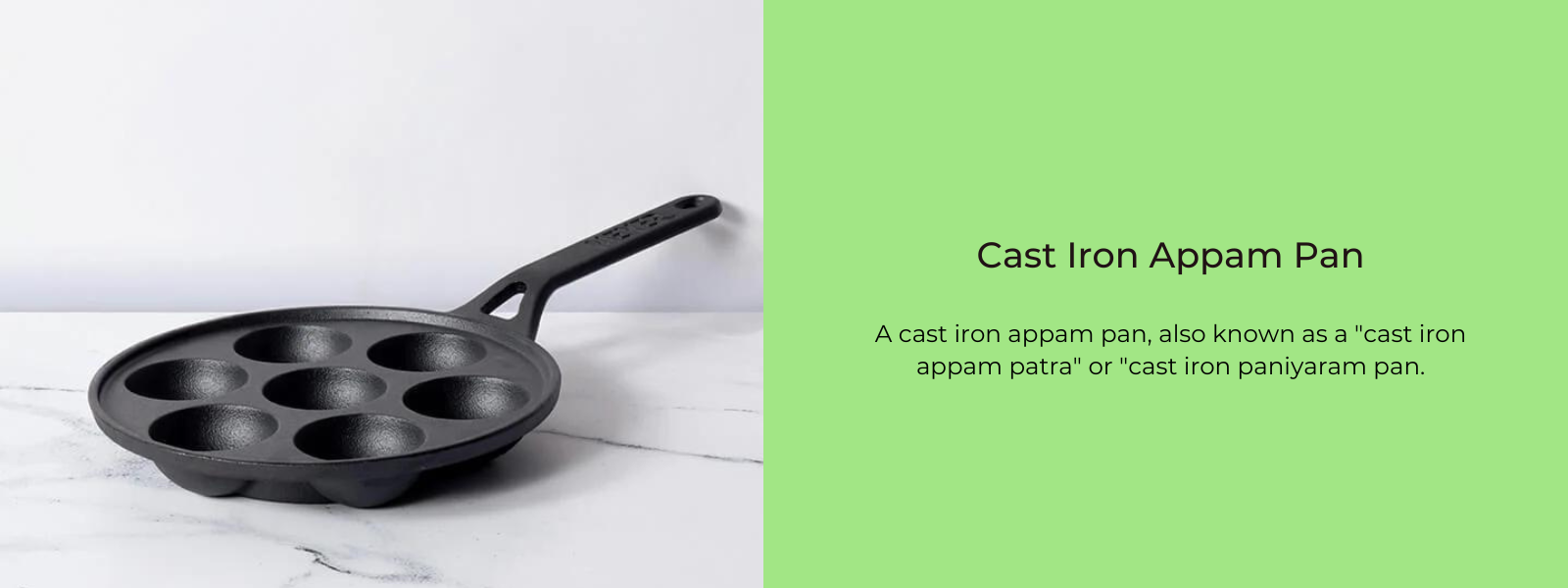
Cast Iron Appam Pan: Cookware That Lasts For Lifetime
2 Items
Cast Iron Cookware: A Comprehensive Guide to Heat Retention
2 Items
Cast Iron Cookware: How It Can Last a Lifetime
2 Items
Cast Iron Cookware: The Ultimate Guide to Cooking on an Open Fire
2 Items


Leave a comment