



Cast iron cookware has been a trusted kitchen essential for centuries, valued for its durability, exceptional heat retention, and ability to create rich flavours. Beyond its cooking performance, one of the most talked-about benefits of cast iron cookware is its potential to increase the iron content of food.
But is this claim true?
The simple answer is yes. Cooking in cast iron cookware can increase the amount of iron in certain foods. However, the amount transferred is generally small and varies depending on several factors, including the type of food being cooked, its acidity, cooking time, and the condition of the cookware's seasoning.
Table of Contents
- 1. How Does Cast Iron Transfer Iron to Food?
- 2. Which Foods Absorb More Iron?
- 3. Foods That Usually Absorb Less Iron
- 4. Does Cooking Time Matter?
- 5. Does Seasoning Affect Iron Transfer?
- 6. Is the Added Iron Beneficial?
- 7. Can Too Much Iron Be Harmful?
- 8. Why Cast Iron Remains a Healthy Cooking Choice ?
- 9. Why Meyer Pre-Seasoned Cast Iron Cookware is an Excellent Choice ?
- 10. Tips to Maximise the Benefits of Cast Iron
- 11. Common Myths About Iron Transfer
- 12. Conclusion
How Does Cast Iron Transfer Iron to Food?
Cast iron cookware is made primarily from iron. During cooking, particularly when heat and moisture are involved, tiny amounts of iron can naturally migrate from the cookware into the food.
This is a completely natural process and has been observed in scientific studies for many years.
The amount of iron transferred is generally modest and depends on the cooking conditions rather than happening uniformly with every meal.

Which Foods Absorb More Iron?
Not every recipe absorbs the same amount of iron.
Foods that are more acidic generally absorb higher amounts because acidic ingredients interact more readily with the cooking surface.
Examples include:
-
Tomato-based curries
-
Tomato soup
-
Sambar
-
Rasam
-
Tamarind-based gravies
-
Lemon-infused dishes
-
Vinegar-based sauces
Longer cooking times with these ingredients may increase the amount of iron released into the food.
Foods That Usually Absorb Less Iron
Recipes with lower acidity generally absorb much smaller amounts of iron.
These include:
-
Rotis
-
Parathas
-
Dosas
-
Stir-fried vegetables
-
Fried snacks
-
Rice
-
Paneer dishes
-
Dry sabzis
Although some iron transfer may still occur, it is typically less noticeable than with acidic foods.
Does Cooking Time Matter?
Yes.
The longer food remains in contact with cast iron during cooking, the greater the opportunity for small amounts of iron to transfer.
For example:
-
Slow-simmered curries
-
Soups
-
Stews
-
Gravies
may absorb slightly more iron than recipes prepared in just a few minutes.
Does Seasoning Affect Iron Transfer?
Absolutely.
A well-seasoned cast iron pan develops a natural protective layer created from polymerised cooking oil.
This seasoning serves several purposes:
-
Improves food release.
-
Protects the cookware.
-
Reduces rust formation.
-
Moderates direct contact between food and the iron surface.
Because of this protective layer, heavily seasoned cookware may transfer slightly less iron than newly seasoned or less-seasoned cookware.
However, the cookware continues to retain all its excellent cooking properties.
Is the Added Iron Beneficial?
For many people, the small amount of iron transferred during cooking may contribute to their overall dietary iron intake.
However, it's important to understand that cast iron cookware should not be viewed as a treatment for iron deficiency or anaemia.
The amount of iron transferred varies considerably between recipes and cannot be accurately controlled.
Anyone with concerns about iron levels should consult a healthcare professional for appropriate dietary or medical guidance.
Can Too Much Iron Be Harmful?
For most healthy individuals, the small amount of iron transferred during normal cooking is not considered harmful.
However, individuals with medical conditions involving excess iron storage, such as hereditary haemochromatosis, may be advised by their healthcare provider to monitor iron intake, including potential contributions from cast iron cookware.
If you have such a condition, it is best to seek personalised medical advice before making changes to your cookware.
Why Cast Iron Remains a Healthy Cooking Choice
The health benefits of cast iron extend beyond its potential contribution of dietary iron.
It also offers:
-
A naturally seasoned cooking surface.
-
No synthetic non-stick coatings.
-
Excellent heat retention.
-
Even cooking performance.
-
Exceptional durability.
-
Compatibility with high-temperature cooking.
These qualities make cast iron a trusted choice for home cooks who appreciate traditional cooking methods.
Everyday Meals You Can Prepare in Cast Iron
Meyer Pre-Seasoned Cast Iron Cookware is suitable for a wide variety of recipes, including:
-
Rotis
-
Parathas
-
Dosas
-
Uttapam
-
Chillas
-
Paneer dishes
-
Vegetable stir-fries
-
Curries
-
Potato tikkis
-
Fried snacks
-
Roasted vegetables
-
Skillet desserts
-
Baked dishes
Its excellent heat retention helps create beautifully cooked food with consistent browning and flavour.
Why Meyer Pre-Seasoned Cast Iron Cookware is an Excellent Choice
Meyer Pre-Seasoned Cast Iron Cookware is designed to combine traditional cooking with everyday convenience.
Made from high-quality cast iron and pre-seasoned with 100% vegetable oil, it is ready to use from the very first meal. As you continue cooking, the natural seasoning improves, creating an even better cooking surface over time.
Its heavy-gauge construction provides outstanding heat retention, making it ideal for slow cooking, roasting, frying, baking, and everyday Indian recipes. Compatible with gas stoves, induction cooktops, electric cooktops, and ovens, it adapts effortlessly to modern kitchens while preserving the timeless benefits of cast iron cooking.
Tips to Maximise the Benefits of Cast Iron
To enjoy the best cooking experience:
-
Preheat the cookware gradually.
-
Cook regularly to strengthen the seasoning.
-
Dry thoroughly after washing.
-
Apply a thin layer of cooking oil before storing.
-
Re-season occasionally if food begins to stick or the surface appears dry.
-
Store in a clean, dry place.
Proper care helps maintain the cookware's performance for many years.
Common Myths About Iron Transfer
Myth: Every meal cooked in cast iron becomes rich in iron.
The amount of iron transferred varies considerably depending on the recipe, ingredients, seasoning, and cooking duration.
Myth: Cast iron alone can correct iron deficiency.
While cast iron may contribute small amounts of dietary iron, it should never replace medical advice, supplements, or a balanced diet when treating iron deficiency.
Myth: Seasoned cookware no longer transfers iron.
Even well-seasoned cookware may still contribute small amounts of iron, although generally less than newly seasoned cookware.
Conclusion
Yes, cast iron cookware can increase the iron content of certain foods, particularly those that are acidic and cooked for longer periods. While the additional iron is generally modest and varies from recipe to recipe, it is one of the many reasons cast iron continues to be valued by home cooks around the world.
Beyond potential iron transfer, cast iron offers outstanding durability, exceptional heat retention, and a naturally seasoned cooking surface that improves with regular use.
For those looking to embrace traditional cooking with modern convenience, Meyer Pre-Seasoned Cast Iron Cookware offers the perfect balance of craftsmanship, performance, and longevity. Whether you're preparing everyday family meals or special weekend feasts, it delivers reliable results while becoming better with every use.
MORE FROM BLOG
Top Collections
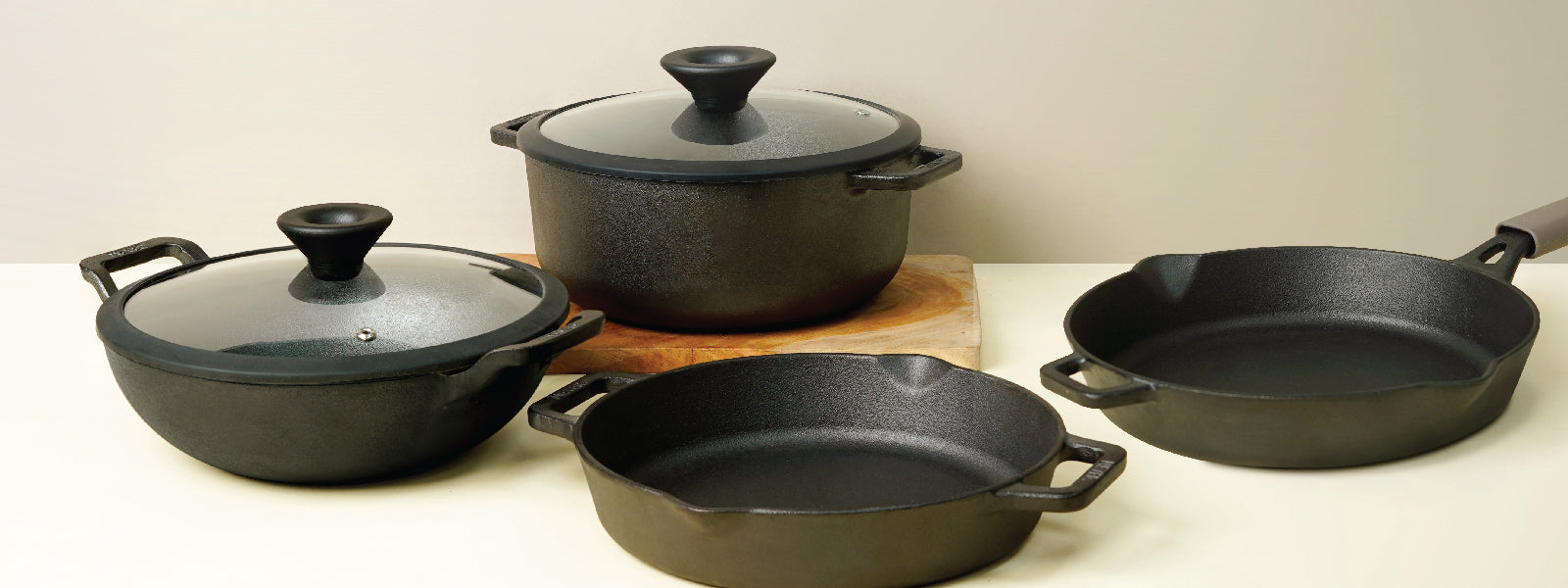
Benefits and Recipes for Cooking with a Cast Iron Kadai with Lid
2 Items
Best Cast Iron Cookware In India For Indian Food
2 Items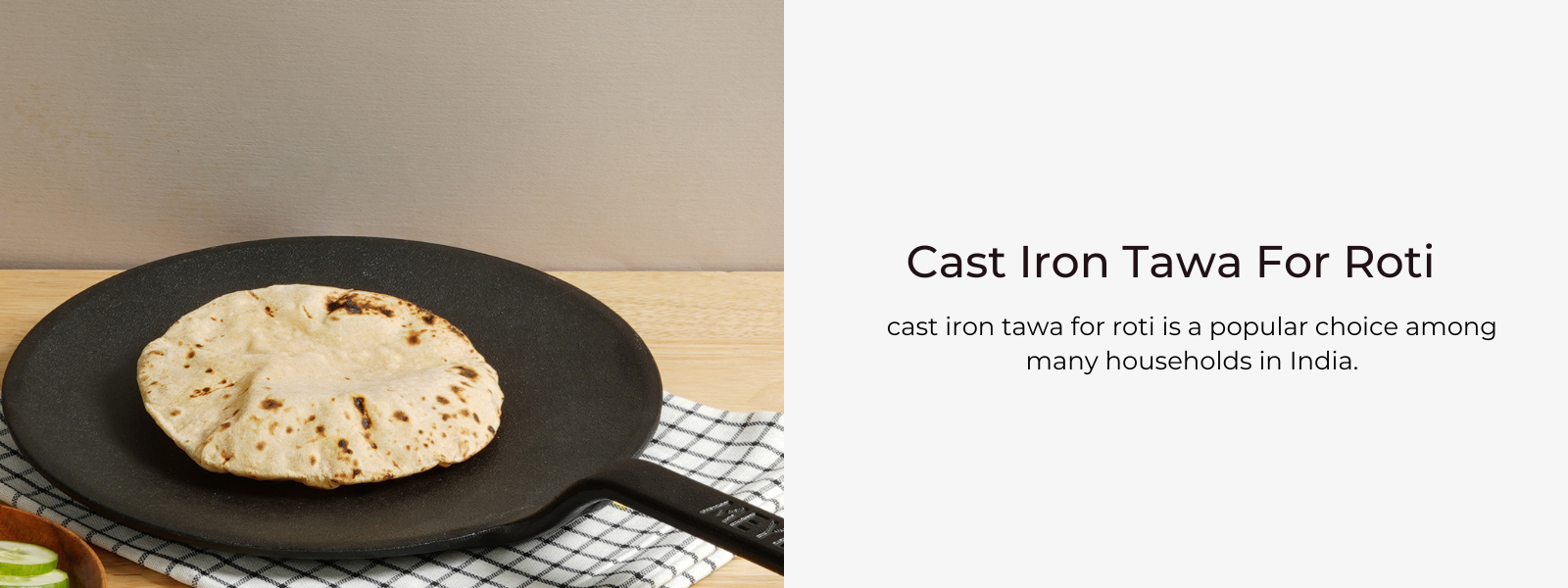
Best Cast Iron Tawa For Roti In India For Easy Cooking
2 Items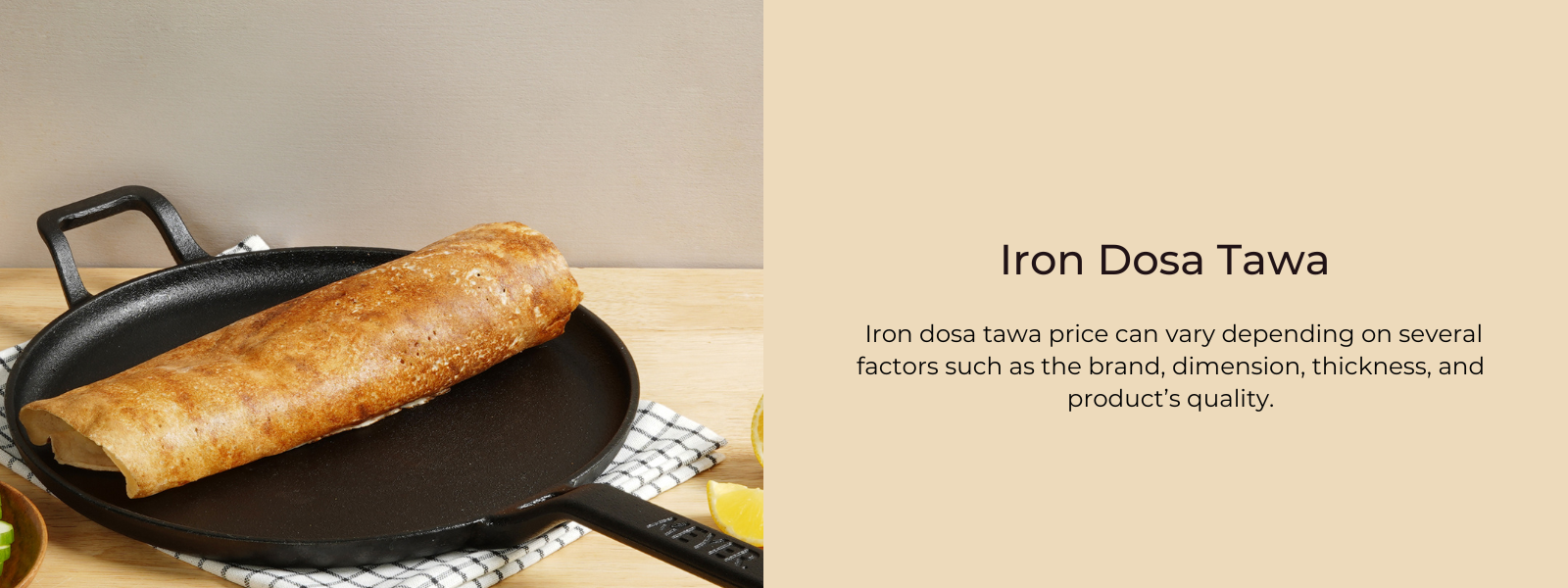
Best Iron Dosa Tawa Price: Pre-seasoned Cast Iron Tawa at a Special Rate
2 Items
Can Cast Iron cookware surface become Non-stick?
2 Items
Cast Iron Cookware: A Comprehensive Guide to Heat Retention
2 Items


Leave a comment