



In many Indian households, it is common to finish cooking and place the same vessel directly into the refrigerator — especially when storing leftover dal, sabzi, curry, or biryani. It feels convenient and saves time. But is it safe? And more importantly, is it good for your cookware and your food?
The short answer is: it depends on the type of cookware and how you do it. While some materials can tolerate refrigeration temporarily, placing hot cookware directly into the fridge is generally not recommended. Let’s understand why.
Table of Contents
Why Putting Hot Cookware Directly in the Fridge Is Not Ideal
1. Temperature Shock
Cookware, especially stainless steel, cast iron, glass lids, and non-stick pans, expands when hot. Placing a hot vessel immediately into a cold refrigerator creates sudden temperature change.
This can lead to:
-
Warping (especially in thinner cookware)
-
Damage to non-stick coatings
-
Stress cracks in glass lids
-
Condensation buildup that may affect seasoning in cast iron
Thermal shock may not show immediate visible damage, but repeated exposure reduces cookware lifespan.
2. Increased Moisture and Condensation
When hot cookware enters the fridge, steam condenses rapidly. This moisture can:
-
Lead to rust in cast iron
-
Create water spots on stainless steel
-
Affect non-stick coating durability
-
Increase bacterial growth risk if cooling is uneven
Proper cooling before refrigeration helps maintain hygiene and material integrity.
3. Impact on Food Safety
Refrigerators are designed to cool food gradually. Placing very hot cookware inside can temporarily raise the internal fridge temperature, affecting other stored food.
Food safety guidelines recommend:
-
Allowing cooked food to cool for about 30–60 minutes
-
Avoiding more than 2 hours at room temperature
-
Transferring food into shallow containers for faster cooling
Cooling slightly before refrigeration ensures both food safety and appliance efficiency.

Material-Wise Breakdown
High-quality stainless steel is non-reactive and can technically be placed in the fridge once cooled. However, it is better to transfer food into storage containers rather than refrigerating the cooking vessel itself. Frequent temperature changes can dull the finish over time.
Non-stick pans should not be placed directly into the fridge after cooking. Sudden cooling can stress the coating and reduce its lifespan. Additionally, scraping cold, hardened food later increases the risk of scratches.
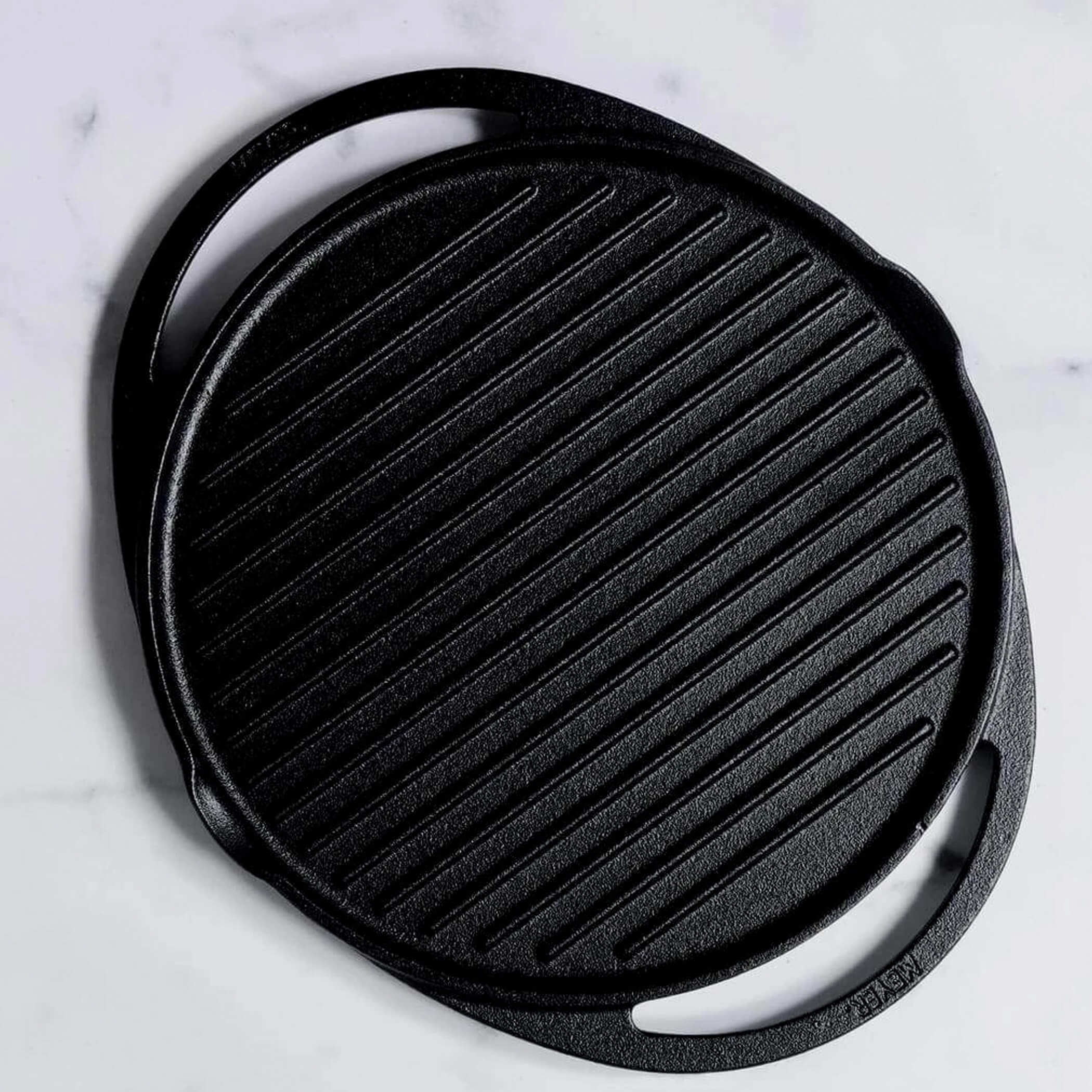
Cast iron should never be placed in the fridge with food inside. Moisture combined with cold temperature can damage seasoning and cause rust formation.
Aluminum
Uncoated aluminum should be avoided for overnight refrigeration of cooked food, especially acidic dishes. Cold storage does not stop metal reactivity.
Glass Lids
Glass lids attached to hot cookware can crack under sudden temperature changes. Always allow them to cool gradually.
Is It Ever Okay to Refrigerate Cookware?
If the cookware is:
-
Completely cooled
-
Made of high-quality stainless steel
-
Not reactive
-
Not heavily loaded
-
Properly covered
It can be placed in the fridge temporarily. However, it is still best practice to transfer food into designated storage containers.
Cookware is built for cooking performance, not storage convenience.
Best Practice for Indian Kitchens
-
Turn off heat and allow food to cool slightly (about 30–60 minutes).
-
Transfer food into stainless steel or glass containers.
-
Cover with airtight lids.
-
Refrigerate promptly.
-
Wash and dry cookware separately.
This protects both your food quality and cookware durability.
Why Transferring Food Is a Better Habit
Separating cooking and storage serves multiple benefits:
-
Preserves cookware finish
-
Reduces wear and tear
-
Maintains seasoning in cast iron
-
Prevents coating damage
-
Improves refrigerator organization
-
Enhances food safety
In busy Indian kitchens where gravies and curries are common, this small habit makes a noticeable difference over time.
Conclusion
While it may seem convenient to place cookware directly in the fridge after cooking, it is not always the safest or most durable option. Sudden temperature changes, moisture buildup, and material reactivity can affect both food quality and cookware lifespan.
Allow cookware to cool first, and ideally transfer leftovers into proper storage containers before refrigeration. This simple step ensures better hygiene, longer-lasting cookware, and improved performance in your kitchen.
Cook smart, store smarter — your cookware will thank you.
MORE FROM BLOG
Top Collections

Can Cast Iron cookware surface become Non-stick?
2 Items
Can Ceramic Cookware Be Used for Tadka and Tempering?
2 Items
Is cast iron superior to other cookware? Discover best cookware material in India
2 Items
Cast Iron Griddle: Must-Have Cookware For Grilling
2 Items
Cast Iron vs. Stainless Steel Cookware (What's the Difference?)
2 Items
Cooking with Cast Iron: Traditional Diwali Cookware
2 Items


Leave a comment