



Indian cooking is known for its vibrant spices, slow-simmered gravies, sautéed vegetables, tempering techniques, and layered flavours. But beyond taste and aroma, there’s another important question modern kitchens are asking:
Does cookware affect nutrient retention?
The answer is yes — significantly.
From the material of your kadai to the thickness of its base, cookware influences how heat is distributed, how long food cooks, how moisture is retained, and whether nutrients are preserved or destroyed. In a cuisine as technique-sensitive as Indian cooking, choosing the right cookware can quietly make a meaningful difference in both flavour and nutrition.
Table of Contents
Understanding Nutrient Sensitivity in Indian Cooking
Indian meals are rich in:
-
Fresh vegetables
-
Lentils and legumes
-
Whole spices
-
Leafy greens
-
Tomato-based gravies
-
Yogurt and fermented ingredients
Many of these contain heat-sensitive nutrients such as:
-
Vitamin C
-
B-complex vitamins
-
Folate
-
Antioxidants
-
Phytonutrients from spices
These nutrients can degrade when exposed to:
-
Excessive heat
-
Uneven cooking
-
Prolonged simmering
-
Repeated reheating
-
Reactive cookware surfaces
This is where cookware construction becomes crucial.
1. Even Heat Distribution Prevents Nutrient Destruction
Thin, low-quality cookware often creates hotspots. When certain areas become excessively hot, parts of the food overcook while others remain undercooked. Overheated sections lose nutrients quickly, especially water-soluble vitamins like Vitamin C and B vitamins.
A well-constructed stainless steel kadai with a thick base ensures:
-
Uniform heat distribution
-
No localized overheating
-
Reduced burning
-
Faster and more consistent cooking
The Meyer Select Stainless Steel Kadai is engineered with a durable, heavy base that promotes even heat flow. This stability reduces temperature spikes that damage delicate nutrients.
Even cooking supports even nutrition.
2. Precise Heat Control Reduces Overcooking
Overcooking is one of the biggest causes of nutrient loss in Indian kitchens. Vegetables that are cooked too long lose both texture and nutritional value.
High-quality stainless steel responds quickly to flame adjustments. If the heat is too high, you can immediately lower it and the pan temperature adjusts rapidly. This responsiveness prevents unnecessary prolonged exposure to high temperatures.
When preparing dishes like:
-
Bhindi sabzi
-
Beans poriyal
-
Lauki curry
-
Palak dishes
the ability to control heat precisely helps retain colour, texture, and vitamins.
The Meyer Select Stainless Steel Kadai allows cooks to transition smoothly between medium, low, and simmer settings without delay.
3. Reduced Cooking Time Means Better Nutrient Retention
Efficient cookware heats quickly and maintains steady temperature. This shortens overall cooking time.
Longer cooking durations increase:
-
Vitamin breakdown
-
Mineral leaching
-
Oxidation of antioxidants
Because stainless steel distributes heat effectively, vegetables soften evenly without requiring extended simmering. This helps maintain both flavour and nutritional value.
4. Non-Reactive Surfaces Protect Nutrients
Indian recipes frequently include acidic ingredients such as:
-
Tomatoes
-
Tamarind
-
Kokum
-
Yogurt
Inferior or reactive cookware can interact with acidic foods, potentially altering taste and impacting nutrient stability.
High-quality stainless steel is non-reactive. It does not interfere with:
-
Acidity balance
-
Natural flavours
-
Nutrient composition
The Meyer Select Stainless Steel Kadai maintains purity of ingredients, ensuring that nutrients and flavours remain intact during cooking.
5. Moisture Retention Minimises Vitamin Loss
Water-soluble vitamins are often lost when excess water is used during cooking and later discarded.
Using cookware that supports:
-
Efficient simmering
-
Controlled steam retention
-
Even lid fitting
allows vegetables to cook in their natural moisture rather than excess liquid.
When cooking cabbage, carrots, beans, or leafy greens, controlled steam cooking in a kadai helps preserve both colour and nutrients.
6. Better Spice Blooming Preserves Phytonutrients
Indian spices are powerful sources of antioxidants and beneficial plant compounds. Turmeric contains curcumin. Cumin and coriander contain essential oils. Fenugreek and mustard seeds provide micronutrients.
However, these compounds degrade when spices burn.
Cookware with uneven heat often causes tempering (tadka) to scorch. Once spices burn, both flavour and nutritional benefits diminish.
Even heating in a stainless steel kadai ensures:
-
Proper blooming of spices
-
No scorching
-
Maximum flavour release
-
Retention of beneficial compounds
Controlled heat equals preserved spice potency.
7. Oil Control and Nutrient Stability
Excess oil heated at very high temperatures can break down nutrients and create oxidative stress.
Well-designed cookware allows cooking with moderate oil levels. Stainless steel supports sautéing and tempering without requiring excessive fat.
When oil is used efficiently and heat is controlled, nutrient breakdown is minimized.
8. Managing Carryover Cooking
Certain cookware materials retain heat for extended periods. While this can be beneficial, it may also continue cooking food even after the flame is turned off.
Stainless steel offers balanced heat retention without extreme carryover cooking. This gives better control over final doneness — especially important for:
-
Leafy greens
-
Quick stir-fry vegetables
-
Light gravies
Switching off the flame at the right moment prevents nutrient degradation from prolonged residual heat.
9. Reheating and Nutrient Preservation
Indian food is often reheated. Each reheating cycle can reduce vitamin levels.
Cookware that heats evenly reduces the need for prolonged reheating. Instead of overheating one section repeatedly, the food warms uniformly.
The Meyer Select Stainless Steel Kadai allows controlled reheating without aggressive temperature spikes, helping maintain remaining nutrients.
10. Durability Supports Long-Term Health
Cheap cookware that warps or thins over time loses heat efficiency. As performance declines, cooking becomes uneven and prolonged — indirectly increasing nutrient loss.
Durable stainless steel cookware maintains performance for years, ensuring:
-
Consistent heat distribution
-
Reliable cooking results
-
Stable nutrient retention
Investing in quality cookware is a long-term investment in healthier meals.

Practical Tips to Maximise Nutrient Retention
Even with excellent cookware, mindful cooking matters. Follow these principles:
-
Avoid high flame for extended periods.
-
Cook vegetables until just tender.
-
Use minimal water when possible.
-
Add delicate herbs at the end of cooking.
-
Cover briefly to trap steam.
-
Reduce repeated reheating.
-
Adjust flame early rather than late.
Pairing good technique with high-performance cookware delivers the best results.
Why the Meyer Select Stainless Steel Kadai Is a Smart Choice
The Meyer Select Stainless Steel Kadai stands out because it combines:
-
Thick, durable base for even heat
-
Non-reactive stainless steel body
-
Quick heat responsiveness
-
Gas and induction compatibility
-
Long-term durability
It supports balanced Indian cooking — whether you’re preparing dal, sabzi, curry, stir-fry, or festive meals.
By enabling controlled heat, reduced overcooking, and even distribution, it helps protect the nutrients naturally present in your ingredients.
Final Thoughts
Cookware is often overlooked when discussing nutrition, but it plays a silent and powerful role in nutrient retention.
The right kadai:
-
Prevents overheating
-
Reduces cooking time
-
Preserves moisture
-
Protects delicate vitamins
-
Maintains spice integrity
-
Supports balanced flame control
In Indian kitchens where cooking techniques are layered and ingredient-rich, cookware quality directly influences both taste and nourishment.
Choosing thoughtfully designed cookware like the Meyer Select Stainless Steel Kadai is not just about convenience or durability — it’s about supporting healthier, more nutritious meals every single day.
Because good food should not only taste rich — it should retain its natural goodness too.
MORE FROM BLOG
Top Collections

Can Ceramic Cookware Be Used for Cooking Dosa and Uttapam?
2 Items
Can Ceramic Cookware Handle Indian Spices Gently?
2 Items
Cast Iron Cookware: The Benefits of Cooking with Tradition
2 Items
Cast Iron Cookware: Why It’s Perfect for Outdoor Cooking
2 Items
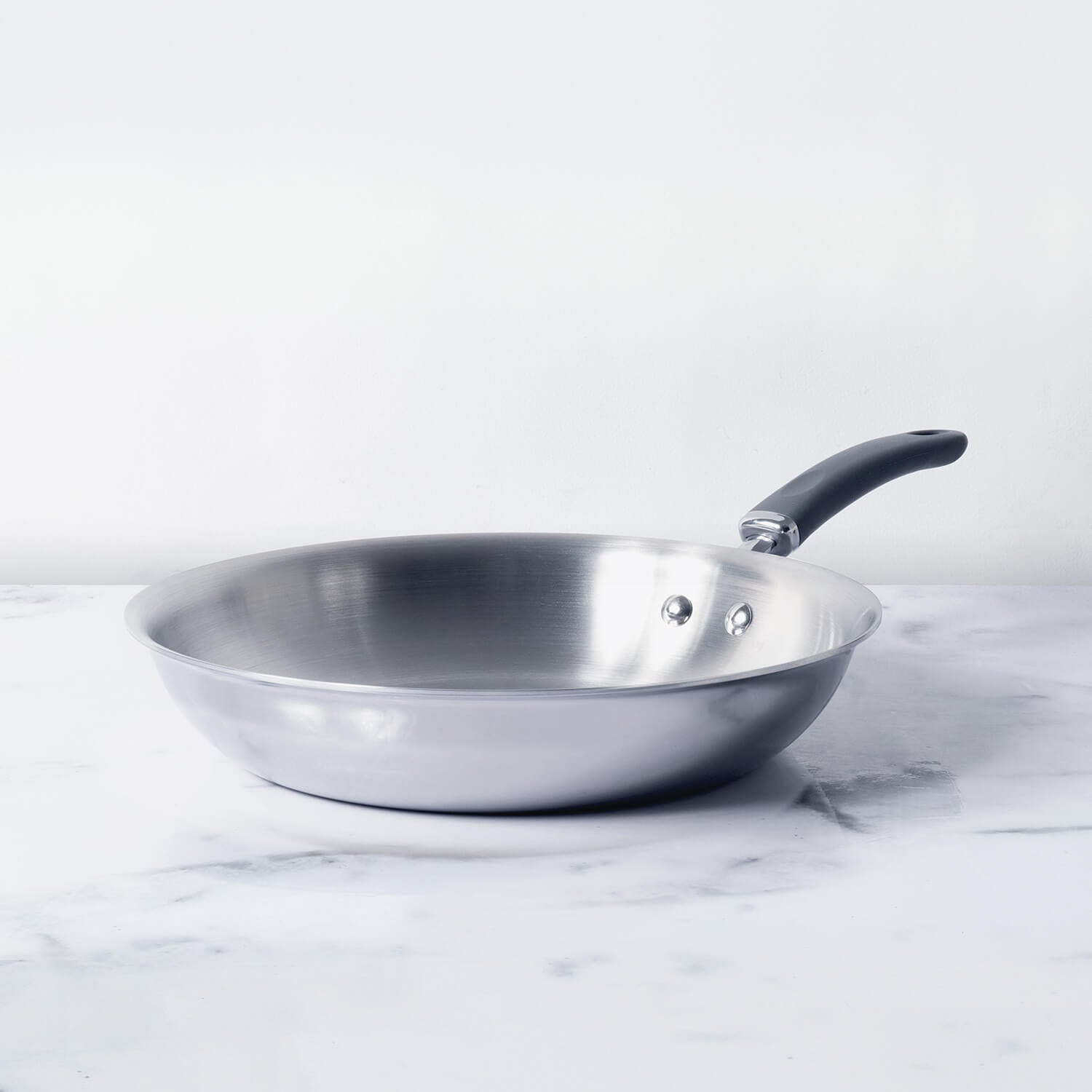
How does stainless steel cookware improve cooking control?
2 Items


Leave a comment