



Indian cooking is unlike any other—it’s vibrant, layered, and technique-driven. From slow-cooked gravies and smoky tadkas to crispy parathas and delicate dosas, every dish demands the right balance of heat, timing, and cookware.
That’s why one of the most common kitchen dilemmas remains:
Cast iron vs stainless steel vs non-stick—what’s truly the best cookware in India?
The answer isn’t about choosing one over the other. Each material offers distinct advantages, and the best choice depends on your cooking style, lifestyle, and daily needs. Let’s explore how each performs in an Indian kitchen—and where thoughtfully designed cookware from Meyer fits in.
Table of Contents
Understanding Indian Cooking Needs First
Indian kitchens demand cookware that can handle a wide range of techniques—high-heat tadka, slow simmering dals, sautéing vegetables, and deep frying snacks. This means your cookware must deliver consistent heat, durability, and versatility, without causing sticking or burning.

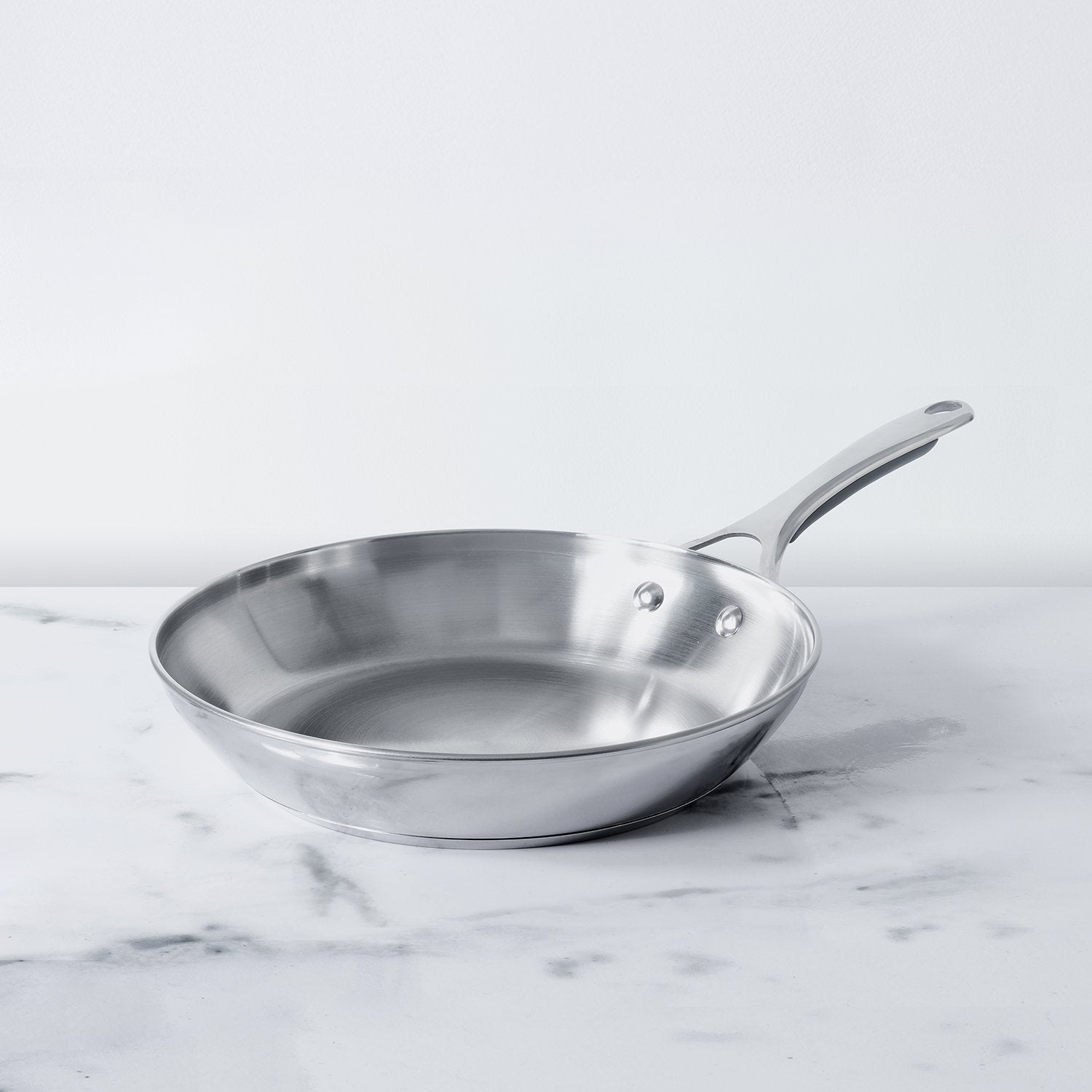
Stainless Steel Cookware: The Most Versatile Choice
When it comes to all-round performance, stainless steel—especially triply or thick-base construction—is one of the most dependable options.
Meyer’s stainless steel collections, including the Meyer Select and Meyer Accent Series, are crafted to ensure even heat distribution and long-term durability, making them ideal for everyday cooking.
Stainless steel cookware offers excellent heat distribution, especially when designed with a layered base, and handles high temperatures effortlessly—perfect for bhunao and tadka. It is non-reactive, meaning you can cook acidic ingredients like tomatoes and tamarind without worrying about altering flavours. While it may require some technique to prevent sticking, it rewards you with superior control and flavour development.
Cast Iron Cookware: For Rich Flavour and Natural Cooking
Cast iron is deeply rooted in traditional Indian cooking and continues to be a preferred choice for those who value flavour and nutrition.
The Meyer Pre-Seasoned Cast Iron range makes it easier to incorporate cast iron into modern kitchens without the usual hassle.
Cast iron stands out for its exceptional heat retention, allowing food to cook evenly and develop deeper flavours. Over time, it builds a natural nonstick surface through seasoning. It is also known to add small amounts of iron to food, making it a healthier option. However, it is heavier than other materials and requires basic care, such as drying properly and occasional seasoning.
Non-Stick Cookware: For Convenience and Everyday Ease
For those who prioritise speed and simplicity, non-stick cookware is indispensable.
Ranges like the Circulon Scratch Defense A1 Series and Meyer’s non-stick pans are designed to provide effortless cooking and easy cleanup, making them perfect for busy lifestyles.
Non-stick cookware ensures minimal sticking even with low oil, making it ideal for beginners or quick meals. It is lightweight, easy to handle, and requires very little maintenance. However, it performs best on low to medium heat and needs careful handling to maintain the coating over time.
Cast Iron vs Stainless Steel vs Non-Stick: A Practical Comparison
When comparing these three, each material excels in different areas. Cast iron offers unmatched heat retention and durability, often lasting a lifetime, but requires moderate maintenance and is heavier to handle. Stainless steel provides excellent heat distribution (especially in triply designs), is highly durable, and requires relatively low maintenance, though it may need some cooking technique to prevent sticking. Non-stick cookware, on the other hand, is the easiest to use and maintain, with superior stick resistance and lightweight design, but it has a shorter lifespan compared to the other two and is better suited for low to medium heat cooking.
In terms of cooking style, cast iron is ideal for traditional, high-heat dishes; stainless steel is the most versatile for everyday Indian cooking; and non-stick is perfect for quick, low-oil, convenience-based meals.
Which Cookware is Best for You?
Choose Stainless Steel if:
You want a reliable, all-purpose solution for everyday Indian cooking.
Choose Cast Iron if:
You prefer traditional cooking with richer flavours and added health benefits.
Choose Non-Stick if:
You need quick, easy cooking with minimal effort and cleanup.
The Smart Indian Kitchen Approach
The most efficient kitchens don’t rely on just one type of cookware—they use a combination.
A well-balanced setup includes:
-
A stainless steel kadai or sauté pan for daily cooking
-
A cast iron pan for high-heat and flavour-rich dishes
-
A non-stick pan for quick and delicate meals
Meyer’s cookware ranges are designed to complement each other, helping you build a kitchen that is both versatile and future-ready.
Final Thoughts
There is no single “best” cookware—only the best combination.
Stainless steel brings reliability and versatility, cast iron adds depth and nutrition, and non-stick offers unmatched convenience. Together, they create a kitchen setup that supports every cooking need with ease.
With the right cookware choices, cooking becomes not just efficient—but truly enjoyable.
MORE FROM BLOG
Top Collections
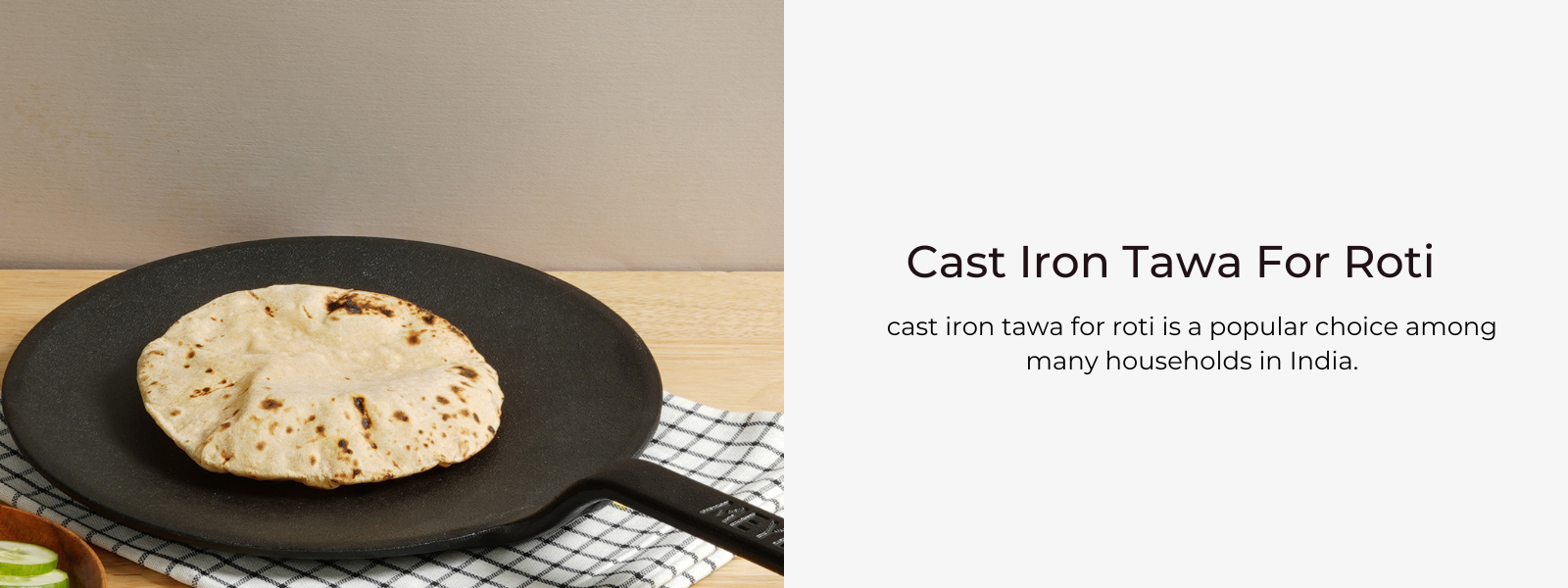
Best Cast Iron Tawa For Roti In India For Easy Cooking
2 Items
Can Cast Iron go from the fridge to the oven?
2 Items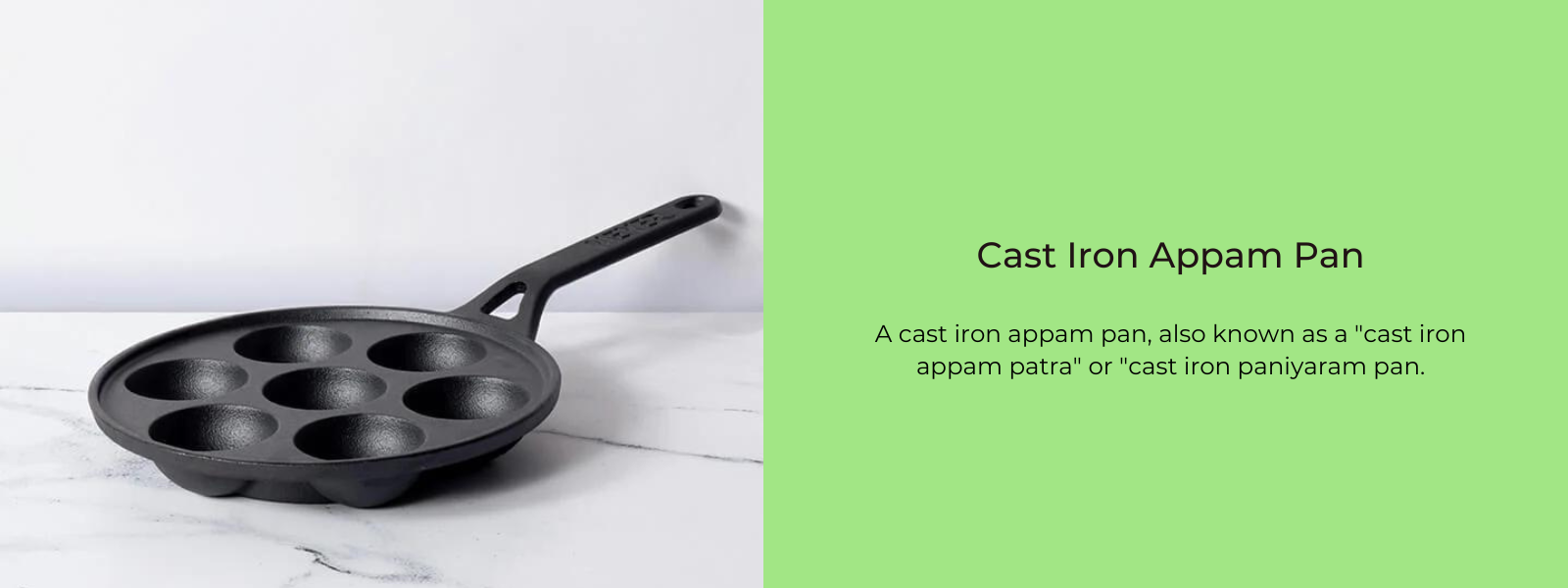
Cast Iron Appam Pan: Cookware That Lasts For Lifetime
2 Items
Cast Iron Cookware: A Comprehensive Guide to Heat Retention
2 Items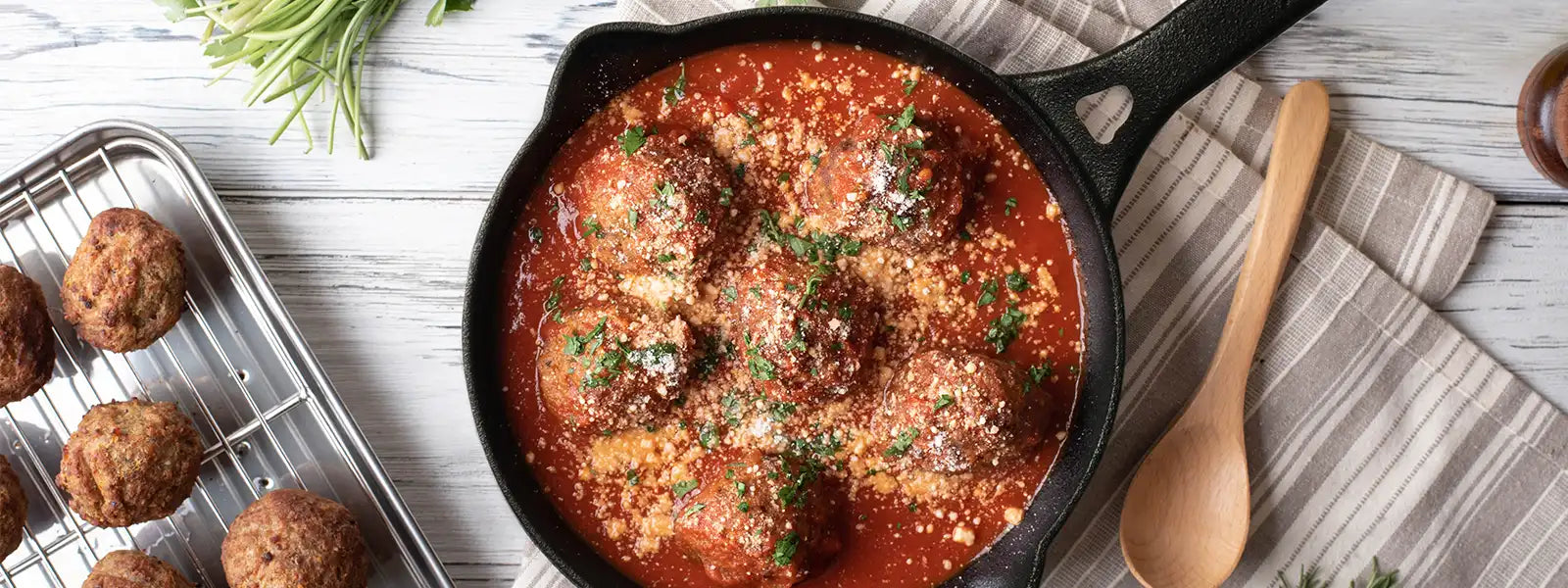
Cast iron cookware for Indian Curries
2 Items
Cast Iron Cookware: How It Can Last a Lifetime
2 Items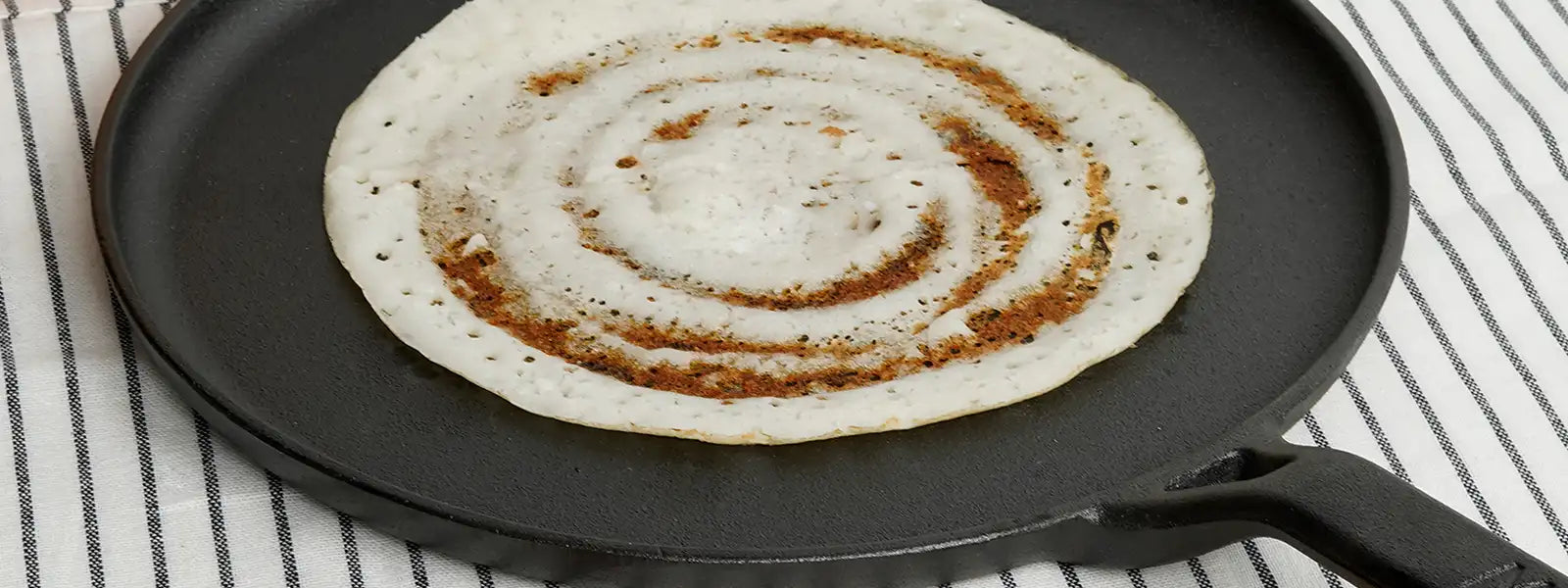
Cast Iron Dosa Tawa Vs Nonstick Tawa: Best Dosa Tawa in India
2 Items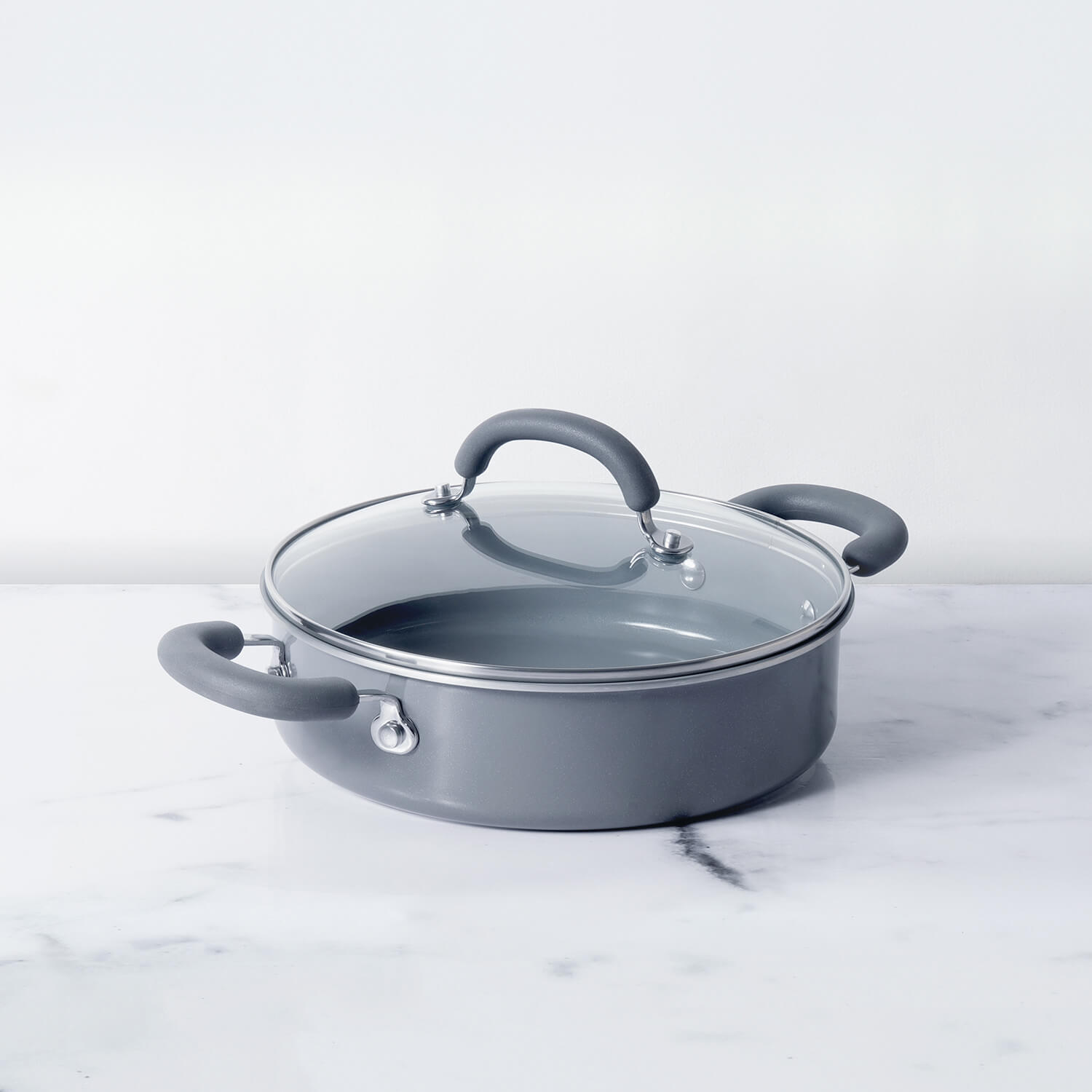


Leave a comment