



Non-stick cookware has become a popular choice in modern kitchens because it allows food to cook with minimal oil and makes cleaning quick and convenient. From preparing omelettes and dosas to sautéing vegetables or making quick breakfasts, non-stick pans simplify everyday cooking.
However, when choosing non-stick cookware, many home cooks encounter two common options: ceramic non-stick cookware and PTFE non-stick cookware. These two coatings are made differently and offer distinct benefits in terms of performance, durability, and everyday use.
Understanding how each type of non-stick coating works can help you choose cookware that supports safe, comfortable, and efficient daily cooking.
Table of Contents
What Is PTFE Non-Stick Cookware?
PTFE stands for polytetrafluoroethylene, a synthetic polymer that is widely used in modern non-stick cookware coatings. It creates a very smooth surface that prevents food from sticking to the pan.
Because of this smooth surface, PTFE cookware is particularly helpful for foods that tend to stick easily, such as:
-
eggs and omelettes
-
pancakes and cheelas
-
dosas
-
delicate fish
-
sautéed vegetables
The coating allows food to release easily from the surface while using minimal oil, which makes it suitable for low-fat cooking.
Safety of PTFE Non-Stick
Modern PTFE cookware is generally considered safe for everyday cooking when used properly. Today, most high-quality PTFE cookware is manufactured without PFOA, a chemical that was once used in certain manufacturing processes.
When cooking temperatures are kept within normal ranges, PTFE coatings remain stable and function effectively without releasing harmful substances.
Advantages of PTFE Non-Stick Cookware
PTFE cookware is widely appreciated for its excellent food release. The extremely smooth coating allows ingredients to slide off easily, making both cooking and cleaning simpler. Because food does not stick easily, very little oil is required, which can support healthier cooking.
High-quality PTFE coatings are also designed to be durable and suitable for daily cooking tasks, especially dishes that require quick cooking or gentle flipping.
Limitations of PTFE Cookware
Although PTFE cookware is convenient, it does require proper care. Extremely high temperatures can damage the coating, and metal utensils may scratch the surface. It is also advisable not to heat empty PTFE pans for long periods.
Using moderate heat and appropriate cooking utensils can help maintain the coating and extend the life of the cookware.

What Is Ceramic Non-Stick Cookware?
Ceramic non-stick cookware uses a coating made from inorganic minerals, typically derived from silica or sand-based materials. This coating forms a smooth layer over the cookware surface that helps reduce sticking.
Ceramic cookware gained popularity because it is often promoted as a mineral-based alternative to traditional non-stick coatings.
Safety of Ceramic Non-Stick
Ceramic coatings are generally considered safe for everyday cooking. They are typically free from PTFE and PFOA, which makes them appealing to consumers who prefer cookware with mineral-based surfaces.
Because the coating is derived from inorganic materials, many people view ceramic cookware as a more natural option for their kitchen.
Advantages of Ceramic Non-Stick Cookware
Ceramic cookware provides a smooth cooking surface when new, allowing food to release easily and making cleaning relatively simple. It can support low-oil cooking and is suitable for light sautéing, eggs, and delicate dishes.
Another attractive feature of ceramic cookware is its appearance. Many ceramic-coated pans come in modern colors and finishes that add visual appeal to contemporary kitchens.
Limitations of Ceramic Cookware
While ceramic coatings perform well initially, their non-stick properties may gradually decline with heavy use. Frequent exposure to very high heat can reduce the effectiveness of the surface over time.
For this reason, ceramic cookware is often best suited for light to moderate cooking rather than very intensive daily use.
Key Differences Between Ceramic and PTFE Non-Stick Cookware
Although both ceramic and PTFE cookware aim to prevent food from sticking, they differ in composition, durability, and long-term performance.
Ceramic cookware uses a mineral-based coating that is typically free from PTFE and PFOA. PTFE cookware, on the other hand, uses a synthetic polymer coating, although modern versions are commonly manufactured without PFOA.
In terms of non-stick performance, PTFE coatings generally provide a smoother and more consistent food release compared to ceramic coatings. Ceramic surfaces may offer good non-stick performance when new, but this can reduce gradually with frequent use.
Durability is another key difference. PTFE coatings, when used carefully and not overheated, often maintain their non-stick properties for a longer period. Ceramic coatings may wear down faster, especially if exposed to repeated high-heat cooking.
Both types of cookware can support low-oil cooking, although PTFE cookware is often considered slightly more efficient in preventing food from sticking.
Regarding heat tolerance, ceramic cookware typically handles moderate heat well, while PTFE cookware requires controlled temperatures to maintain the coating's integrity.
Which Is Safer for Daily Cooking?
Both ceramic and PTFE cookware can be safe for daily cooking when used correctly. Safety largely depends on proper usage rather than the coating type itself.
To maintain safety and performance, it is important to follow basic cooking practices such as:
-
avoiding extremely high heat
-
not preheating empty pans for long periods
-
using wooden or silicone utensils
-
cleaning cookware gently
These habits help protect the coating and extend the life of the cookware.
Which One Is Better for Indian Cooking?
Indian cooking techniques often involve frying, sautéing spices, and cooking at relatively high temperatures. Because of this, durability and heat tolerance become important factors.
PTFE cookware is particularly suitable for dishes such as dosas, omelettes, pancakes, and quick stir-fries where food sticking is a concern.
Ceramic cookware works well for lighter cooking tasks such as sautéing vegetables, cooking eggs, or preparing delicate dishes.
However, households that frequently cook on high heat may find that PTFE cookware maintains its non-stick performance longer.
Tips to Make Non-Stick Cookware Last Longer
Regardless of whether you choose ceramic or PTFE cookware, proper care can significantly extend its lifespan.
Cooking on medium heat instead of high heat helps protect the coating. Using wooden or silicone utensils prevents scratches, and allowing the pan to cool before washing helps avoid thermal stress.
Cleaning cookware gently with a soft sponge and mild detergent also preserves the non-stick surface.
Final Thoughts
Ceramic non-stick and PTFE non-stick cookware both offer convenient solutions for everyday cooking. Each type has its advantages, depending on cooking style and maintenance preferences.
Ceramic cookware appeals to those who prefer mineral-based coatings, while PTFE cookware is widely recognized for its strong and consistent non-stick performance.
Ultimately, the safest cookware is one that is used correctly, maintained carefully, and suited to your daily cooking needs. With proper care and thoughtful use, both ceramic and PTFE non-stick pans can support comfortable and efficient cooking in modern kitchens.
MORE FROM BLOG
Top Collections

Can Ceramic Cookware Be Used for Cooking Dosa and Uttapam?
2 Items
Can Ceramic Cookware Be Used for Tadka and Tempering?
2 Items
Can Ceramic Cookware Handle Everyday Indian Meals?
2 Items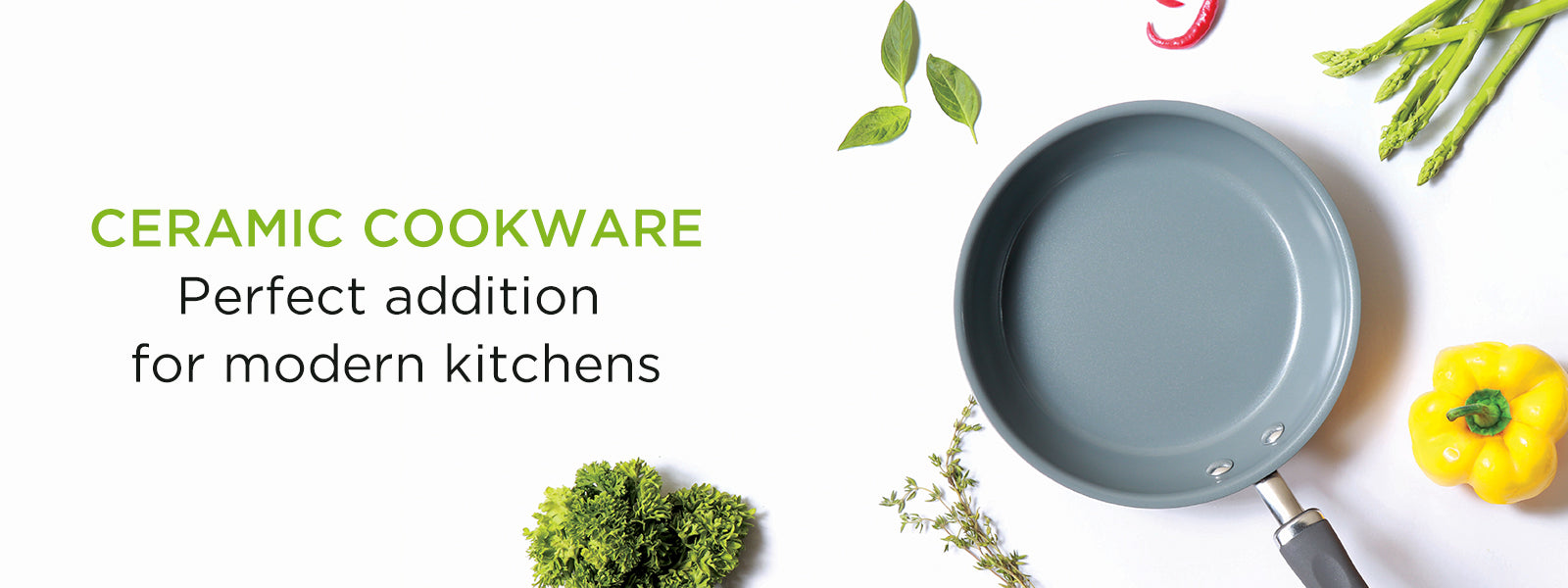
Health Benefits Of Cooking In Ceramic Cookware
2 Items
How Does Ceramic Cookware Help With Even Cooking in Indian Kitchens?
2 Items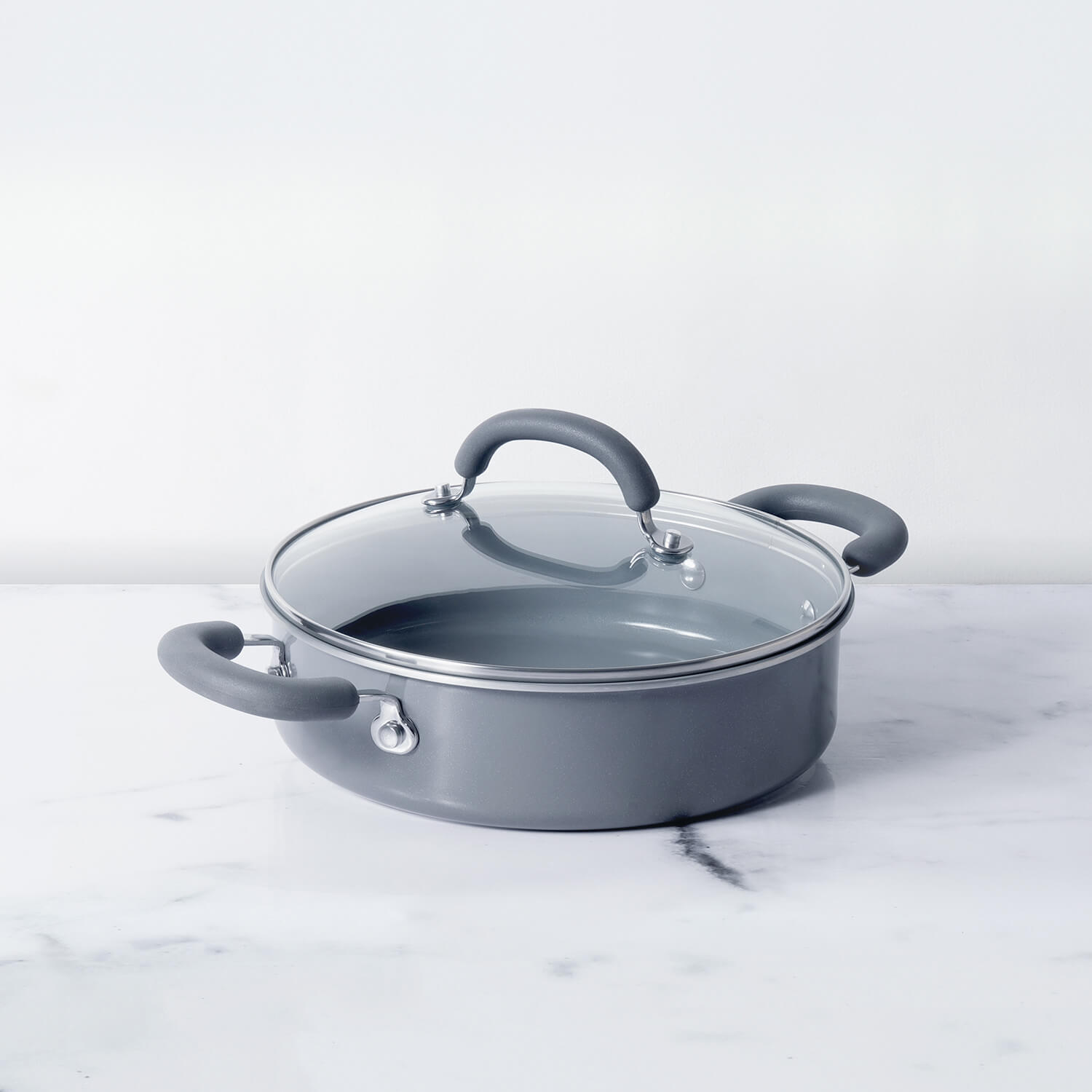


Leave a comment