



Indian cuisine is celebrated worldwide for its depth of flavour, aromatic spices, and comforting textures. From homestyle dal-chawal to indulgent paneer gravies and crispy dosas, Indian food is deeply emotional and cultural. However, one common thread across most Indian kitchens is the liberal use of oil, ghee, or butter. While fats play an important role in cooking, modern lifestyles and growing health awareness have encouraged Indian households to rethink how much oil is truly necessary.
Reducing oil does not mean compromising on taste or abandoning traditional recipes. In fact, one of the simplest ways to cook healthier Indian food lies not in changing ingredients or techniques, but in upgrading cookware. High-quality non-stick pans have emerged as a practical, everyday solution that allows Indian dishes to be cooked with significantly less oil while preserving flavour, texture, and authenticity.
Table of Contents
- 1. Why Oil Has Always Played a Central Role in Indian Cooking
- 2. How Non-Stick Pans Enable Low-Oil Indian Cooking
- 3. Cooking Indian Sabzis with Less Oil Using Non-Stick Pans
- 4. Making Dosas, Chillas, and Parathas Healthier
- 5. Cooking Paneer, Tofu, and Fish Without Excess Oil
- 6. Why Non-Stick Pans Are Ideal for Everyday Indian Breakfasts
- 7. The Health Benefits of Reducing Oil with Non-Stick Cookware
- 8. Preserving Flavour While Cooking with Less Oil
- 9. Why Choosing the Right Non-Stick Pan Matters
- 10. Tips to Maximise Oil Reduction in Non-Stick Cooking
- 11. Can Non-Stick Pans Handle Indian Tadka and Tempering?
- 12. Embracing Healthier Indian Cooking Without Losing Tradition
- 13. Conclusion
Why Oil Has Always Played a Central Role in Indian Cooking
Oil has traditionally been essential in Indian cooking for both functional and sensory reasons. In conventional cookware such as aluminium, iron, or stainless steel, oil creates a protective layer that prevents food from sticking and burning. This is particularly important when cooking spice-heavy dishes, where masalas can easily scorch if they come into direct contact with a hot pan.
Additionally, oil acts as a flavour carrier. Tempering whole spices in oil releases essential oils and aromas, forming the foundation of many Indian dishes. Frying onions until golden, roasting spices, or shallow-frying vegetables all rely on oil to achieve the desired colour, texture, and mouthfeel. Over time, this has led to the assumption that good Indian food requires generous amounts of fat.
Modern non-stick cookware challenges this assumption by offering a surface that naturally resists sticking — dramatically reducing the need for oil as a cooking aid.

How Non-Stick Pans Enable Low-Oil Indian Cooking
At the heart of every non-stick pan is a specially engineered coating that creates a smooth, low-friction surface. This surface prevents food from clinging to the pan, even at higher temperatures. For Indian cooking, where stirring, sautéing, and slow roasting are common, this feature is transformative.
When food does not stick, oil is no longer needed as a barrier. Ingredients cook evenly, release easily, and maintain their shape and moisture. Whether you are cooking a simple vegetable sabzi or a complex masala base, a non-stick pan allows you to use just a few drops of oil rather than tablespoons. Over time, this significantly reduces daily fat consumption without requiring any conscious effort or sacrifice.
Meyer Midnight hard anodised nonstick Casserole
Cooking Indian Sabzis with Less Oil Using Non-Stick Pans
Dry vegetable preparations are among the biggest beneficiaries of non-stick cookware. Dishes like bhindi, aloo gobi, cabbage sabzi, and beans stir-fry are notorious for absorbing oil, especially when cooked in traditional pans. To prevent sticking, home cooks often add extra oil, which increases calorie content without improving nutrition.
In a non-stick pan, vegetables can be sautéed and roasted gently using minimal oil. The non-stick surface ensures even contact with heat, allowing vegetables to caramelise naturally instead of frying. This brings out their inherent sweetness and flavour while keeping the dish light and digestible. Premium non-stick pans, such as those from Meyer, distribute heat evenly across the surface, preventing hot spots that cause burning and sticking.
Making Dosas, Chillas, and Parathas Healthier
South Indian and breakfast staples like dosa, uttapam, besan chilla, and even parathas traditionally require generous oiling of the tawa. Oil is often poured around the edges to ensure easy release and crispness.
A high-quality non-stick tawa changes this completely. Batter spreads smoothly without sticking, edges lift effortlessly, and browning occurs evenly even with little to no oil. Home cooks can achieve golden, crisp dosas and soft chillas using just a light brush of oil — or sometimes none at all. For families aiming to reduce oil intake on a daily basis, this single change can have a significant long-term impact.
Cooking Paneer, Tofu, and Fish Without Excess Oil
Protein-rich ingredients like paneer, tofu, and fish are delicate and prone to breaking or sticking when cooked in conventional pans. To prevent this, they are often shallow-fried or deep-fried, increasing oil usage considerably.
Non-stick pans allow these ingredients to be sautéed or lightly seared instead of fried. Paneer cubes develop a beautiful golden crust while remaining soft inside, fish fillets cook evenly without tearing, and tofu retains its shape without absorbing excess oil. This makes non-stick cookware ideal for preparing high-protein Indian meals that are both nutritious and flavourful.
Why Non-Stick Pans Are Ideal for Everyday Indian Breakfasts
Indian breakfasts are often cooked quickly and frequently, making them a major source of daily oil consumption. Omelettes, scrambled eggs, pancakes, upma, poha, and uttapams all traditionally require oil to prevent sticking.
Non-stick pans excel in these applications. Eggs slide effortlessly without butter or oil, batters cook evenly, and cleanup is minimal. This encourages healthier cooking habits without slowing down busy mornings. For working professionals and families alike, non-stick cookware supports a balanced diet without adding complexity to daily routines.
The Health Benefits of Reducing Oil with Non-Stick Cookware
Using less oil in cooking directly translates to lower calorie intake. Oil is extremely calorie-dense, and even small reductions can make a meaningful difference over time. Non-stick pans make this reduction effortless, as cooks naturally use less oil when food does not stick.
Lower oil consumption also supports heart health by reducing saturated fat intake. For Indian households managing lifestyle conditions such as diabetes, cholesterol, or weight concerns, non-stick cookware becomes a valuable tool in maintaining healthier eating habits. Importantly, food cooked with less oil often feels lighter, making meals more comfortable and satisfying.
Preserving Flavour While Cooking with Less Oil
A common concern is that reducing oil will dull the flavour of Indian dishes. In reality, excess oil often masks the true taste of spices and vegetables. Non-stick pans allow ingredients to cook in their own natural juices, enhancing aroma and complexity rather than overwhelming them with fat.
Spices bloom efficiently with minimal oil when heat is controlled properly, and vegetables retain their natural taste and texture. This leads to food that feels cleaner, fresher, and more balanced — aligning well with modern Indian preferences for mindful eating.
Why Choosing the Right Non-Stick Pan Matters
The benefits of low-oil cooking depend heavily on the quality of the non-stick pan. Inferior coatings wear out quickly, lose their non-stick properties, and eventually require more oil to function — defeating the purpose.
Trusted brands like Meyer focus on durable, multi-layer non-stick construction designed for Indian cooking conditions. Meyer non-stick cookware is PFOA-free, toxin-free, and engineered for even heat distribution. This ensures consistent performance, safety, and longevity, making it easier to maintain low-oil cooking habits over the long term.
Tips to Maximise Oil Reduction in Non-Stick Cooking
To get the best results from non-stick cookware, it is important to use it correctly. Gentle preheating allows the surface to stabilise before adding ingredients. Cooking on medium heat prevents damage to the coating and ensures even cooking. Adding oil after heating helps it spread efficiently across the surface, allowing you to use less.
Using wooden or silicone utensils protects the coating, while gentle cleaning preserves non-stick performance. With proper care, a good non-stick pan continues to support low-oil cooking for years.
Can Non-Stick Pans Handle Indian Tadka and Tempering?
Modern non-stick pans are well-suited for everyday tempering when used mindfully. Controlled heat and minimal oil are key. Whole spices release their aroma quickly without burning, and dals, curries, and kadhi benefit from lighter, cleaner tempering.
For daily Indian cooking, non-stick pans offer a practical balance between tradition and health, making them suitable even for foundational techniques like tadka.
Embracing Healthier Indian Cooking Without Losing Tradition
Reducing oil is not about abandoning Indian culinary traditions — it is about adapting them to modern lifestyles. Non-stick pans make this transition seamless by allowing home cooks to prepare familiar dishes in a lighter, healthier way without altering recipes or flavours.
By reducing dependence on excess oil, non-stick cookware supports sustainable, everyday wellness. When paired with high-quality cookware like Meyer non-stick pans, Indian households can enjoy the comfort of traditional food while making smarter choices for the future.
Conclusion
Non-stick pans play a powerful role in reducing oil consumption in Indian cooking by eliminating the need for excess fat as a cooking aid. They support healthier eating, preserve authentic flavours, and make everyday cooking easier and more enjoyable.
Investing in reliable, premium non-stick cookware is not just a kitchen upgrade — it is a lifestyle choice. With the right pan, cooking delicious Indian food with less oil becomes effortless, consistent, and sustainable.
MORE FROM BLOG
Top Collections

Enhancing Healthier Cooking Habits with Nonstick Cookware
2 Items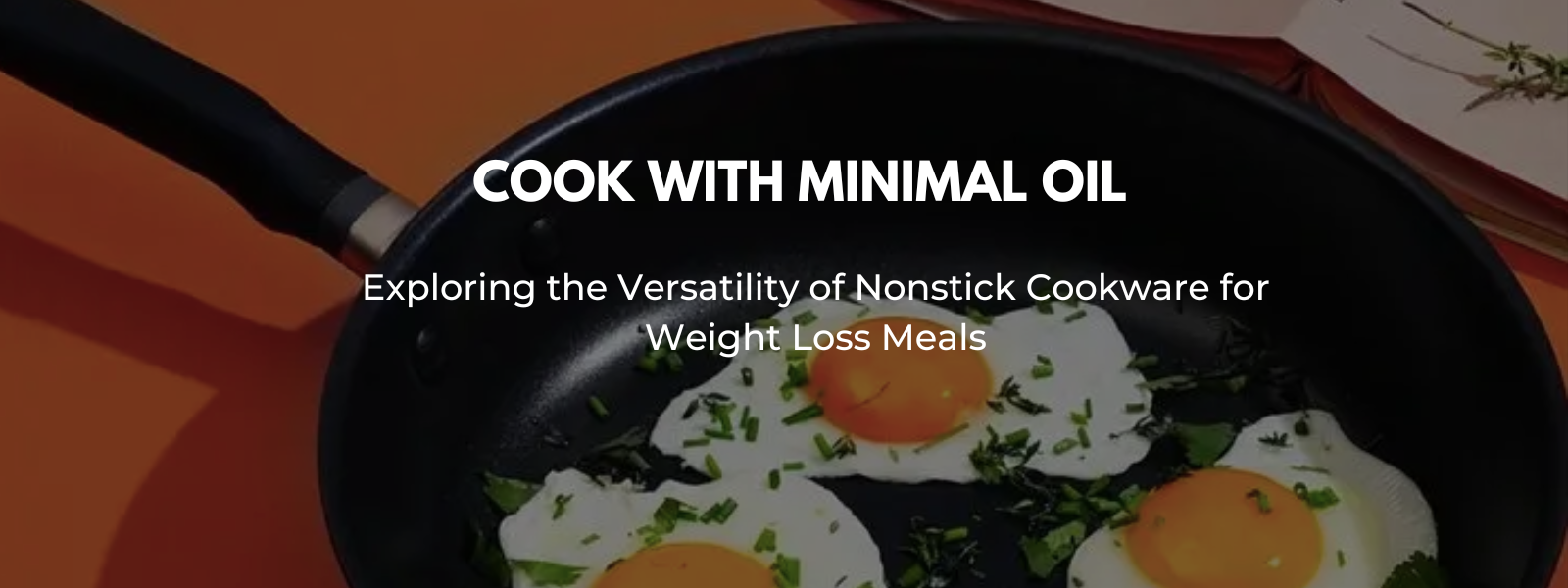
Exploring the Versatility of Nonstick Cookware for Weight Loss Meals
2 Items
Exploring Weight Loss Friendly Cooking Techniques with Nonstick Cookware
2 Items
Nonstick Cookware: A Practical Solution for Health-Conscious Cooks
2 Items
Nonstick Cookware: Enhancing Cooking Efficiency and Weight Loss Results
2 Items


Leave a comment