



Triply cookware is designed to deliver exceptional cooking performance, durability, and long-lasting beauty. Its three-layer construction ensures even heat distribution and excellent cooking efficiency, making it a valuable addition to any kitchen. However, like any premium cookware, proper cleaning and maintenance are essential to preserve its appearance and performance for years to come.
Many people assume that stainless steel cookware is difficult to clean, especially after food sticks or heat stains appear. In reality, triply cookware is remarkably easy to maintain when cleaned correctly. Most stains, discoloration, and residue can be removed with simple cleaning techniques without damaging the cookware.
Table of Contents
- 1. Why Proper Cleaning Matters
- 2. Allow the Cookware to Cool Before Cleaning
- 3. Wash with Warm Water and Mild Dishwashing Liquid
- 4. Dry Immediately After Washing
- 5. How to Remove Food That Has Stuck to the Pan
- 6. Removing Burnt Food Residue
- 7. Cleaning Rainbow Discoloration
- 8. Removing White Water Spots
- 9. Can You Use Steel Wool?
- 10. Is Dishwasher Cleaning Safe?
- 11. Preventing Food from Sticking
- 12. Everyday Maintenance Tips
- 13. Common Cleaning Mistakes to Avoid
- 14. Why Meyer Trivantage and Meyer Trivantage Pro Are Easy to Maintain
- 15. How Proper Cleaning Extends the Life of Triply Cookware
- 16. Conclusion
Why Proper Cleaning Matters
Triply cookware is built with premium food-grade stainless steel on the cooking surface, which is naturally durable and resistant to rust and corrosion. However, regular cleaning helps maintain its shine, prevents residue build-up, and ensures consistent cooking performance.
Proper maintenance also helps:
-
Preserve the cookware's polished appearance.
-
Prevent stubborn food deposits.
-
Maintain even heat distribution.
-
Extend the lifespan of the cookware.
-
Keep the cooking surface hygienic and ready for everyday use.
With just a little care, quality triply cookware can continue performing beautifully for decades.

Allow the Cookware to Cool Before Cleaning
One of the most important care practices is allowing the cookware to cool naturally after cooking.
Avoid placing a hot pan directly under cold running water. Sudden temperature changes can cause unnecessary thermal stress and may affect the cookware over time.
Instead, allow the cookware to cool for a few minutes before washing.
Wash with Warm Water and Mild Dishwashing Liquid
For everyday cleaning, warm water and a mild dishwashing liquid are usually all you need.
Use a soft sponge or non-abrasive scrubber to remove oil, food residue, and cooking stains.
This method effectively cleans the cookware without scratching the stainless steel surface.
Once cleaned, rinse thoroughly with clean water to remove any soap residue.
Dry Immediately After Washing
Although stainless steel is highly resistant to rust, drying the cookware immediately after washing helps maintain its polished finish.
Water droplets left to dry naturally may sometimes leave mineral spots, especially in areas with hard water.
Using a soft cloth or microfiber towel to dry the cookware keeps it looking bright and spotless.
How to Remove Food That Has Stuck to the Pan
Occasionally, food may stick to stainless steel cookware, particularly if the cookware wasn't preheated properly or the cooking temperature was too high.
Instead of scraping aggressively, fill the cookware with warm water and add a few drops of dishwashing liquid.
Allow it to soak for 15 to 30 minutes.
The softened residue can then be removed easily using a soft sponge or nylon scrubber.
For tougher residue, gently simmer water in the cookware for a few minutes before cleaning.
Removing Burnt Food Residue
Burnt food doesn't necessarily mean your cookware is damaged.
If stubborn burnt residue remains after soaking:
-
Fill the cookware with water until the burnt area is covered.
-
Add a small amount of baking soda.
-
Bring the mixture to a gentle boil for several minutes.
-
Allow it to cool slightly.
-
Remove the loosened residue using a soft sponge or wooden spatula.
Avoid using excessive force, as the residue usually lifts easily after soaking and simmering.
Cleaning Rainbow Discoloration
Sometimes stainless steel cookware develops a rainbow-like blue, purple, or golden tint after cooking.
This discoloration is completely normal and occurs when stainless steel is exposed to high temperatures.
It does not affect the safety, durability, or cooking performance of the cookware.
To restore the original shine:
-
Mix equal parts white vinegar and water.
-
Apply the solution using a soft cloth.
-
Wipe the affected area gently.
-
Rinse thoroughly and dry.
The polished finish usually returns quickly.
Removing White Water Spots
If you notice white or chalky marks after washing, they are typically caused by minerals present in hard water.
These spots can easily be removed by wiping the cookware with diluted white vinegar before rinsing with clean water.
Drying the cookware immediately after washing also helps prevent future water spots.
Can You Use Steel Wool?
Although triply cookware is highly durable, it is best to avoid using coarse steel wool or highly abrasive cleaning pads for routine cleaning.
Repeated aggressive scrubbing may create fine surface scratches that affect the polished appearance, even though the cookware itself remains functional.
Soft sponges, nylon scrubbers, or non-abrasive cleaning pads are generally sufficient for everyday maintenance.
Is Dishwasher Cleaning Safe?
Many premium triply cookware products are dishwasher safe. However, hand washing is often recommended to preserve the cookware's polished finish and maintain its appearance over many years.
Frequent dishwasher use may gradually dull the exterior due to repeated exposure to strong detergents and high drying temperatures.
For the best long-term results, gentle hand washing remains the preferred cleaning method.
Always refer to the manufacturer's care instructions for your specific cookware.
Preventing Food from Sticking
Proper cooking techniques can significantly reduce sticking and make cleaning much easier.
Some helpful practices include:
-
Preheat the cookware before adding oil.
-
Add oil only after the cookware reaches the desired temperature.
-
Allow proteins such as paneer or vegetables to naturally release before turning or stirring.
-
Cook primarily on low to medium heat, as triply cookware heats efficiently.
These simple habits improve cooking performance while reducing cleanup time.
Everyday Maintenance Tips
To keep your triply cookware looking and performing its best:
-
Wash after every use.
-
Dry thoroughly before storing.
-
Store cookware carefully to minimise scratches.
-
Avoid prolonged storage of salty or acidic food inside the cookware.
-
Use wooden, silicone, or nylon utensils if you wish to preserve the polished finish.
-
Avoid overheating an empty pan.
Consistent care helps preserve both appearance and performance.
Common Cleaning Mistakes to Avoid
To maximise the lifespan of your cookware, avoid these common mistakes:
-
Placing a hot pan directly into cold water.
-
Leaving cooked food in the cookware for extended periods.
-
Using highly abrasive cleaning powders unnecessarily.
-
Overheating empty cookware.
-
Allowing mineral deposits to build up over time.
-
Storing cookware while still damp.
These simple precautions help maintain your cookware in excellent condition.
Why Meyer Trivantage and Meyer Trivantage Pro Are Easy to Maintain
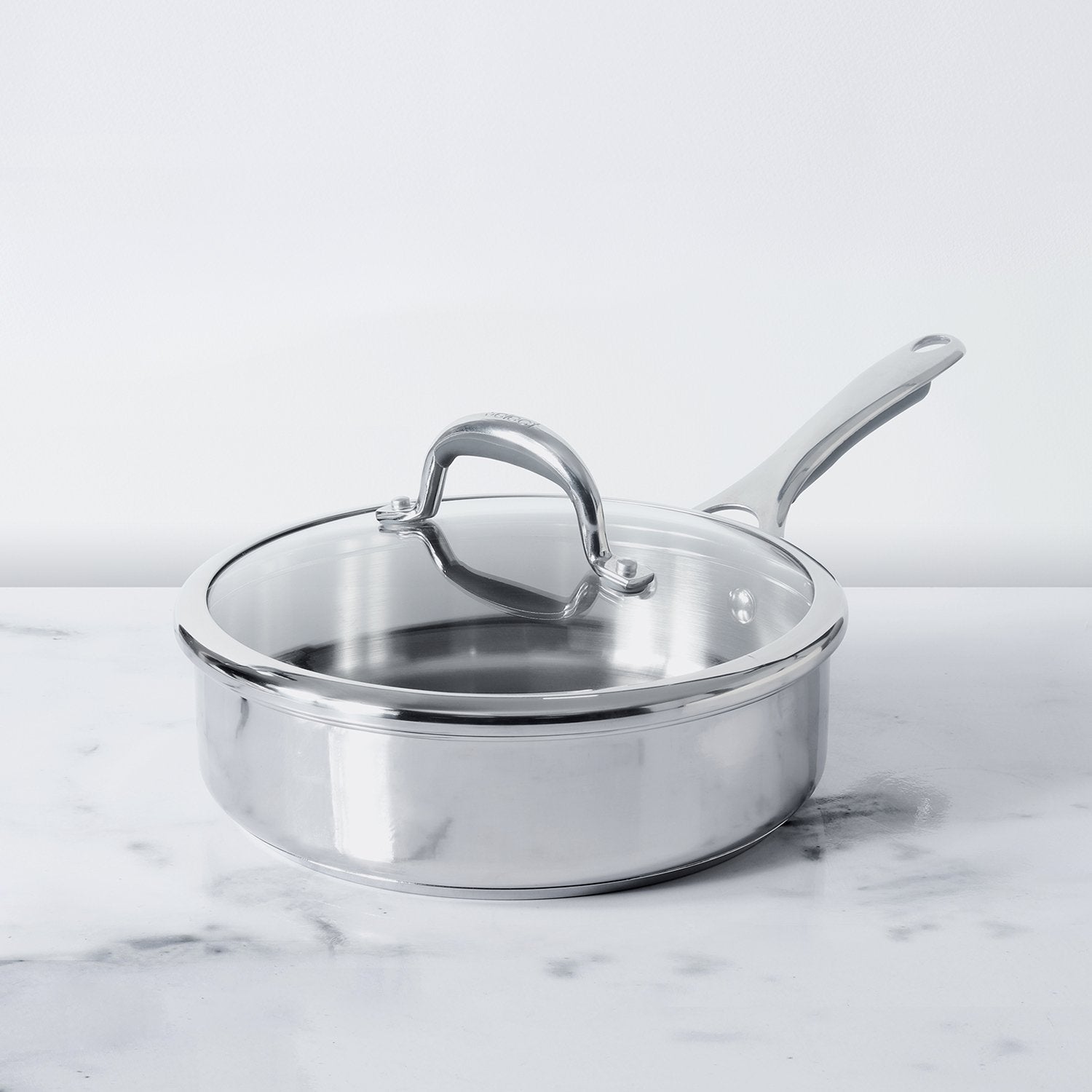
Meyer Trivantage and Meyer Trivantage Pro Triply Stainless Steel Cookware are designed not only for outstanding cooking performance but also for effortless everyday maintenance.
Crafted with premium food-grade stainless steel interiors, these cookware collections resist staining, corrosion, and everyday wear while maintaining their elegant finish. The durable triply construction ensures long-lasting performance, and the smooth stainless steel surface makes routine cleaning simple with warm water, mild dishwashing liquid, and a soft sponge.
Whether you're preparing rich curries, stir-fried vegetables, rice dishes, soups, or milk-based desserts, Meyer Trivantage and Meyer Trivantage Pro are designed to withstand daily cooking while remaining easy to clean and maintain. The Meyer Trivantage Pro range is also backed by a 10-year warranty, offering additional confidence in its quality and durability.
How Proper Cleaning Extends the Life of Triply Cookware
Cleaning isn't just about maintaining appearance—it directly contributes to the longevity of your cookware.
Removing food residue promptly, preventing mineral deposits, avoiding harsh cleaning methods, and following simple care practices help preserve the cookware's heat distribution, polished finish, and structural integrity.
With proper maintenance, premium triply cookware can continue delivering excellent cooking performance for many years.
Conclusion
Cleaning triply cookware is simple when you follow the right techniques. Regular washing with warm water, mild dishwashing liquid, and a soft sponge is usually enough to keep it looking beautiful and performing efficiently. Occasional stains, burnt residue, or rainbow discoloration can be easily managed using gentle cleaning methods without affecting the cookware's quality.
For home cooks looking for cookware that combines exceptional performance with easy maintenance, Meyer Trivantage and Meyer Trivantage Pro Triply Stainless Steel Cookware offer the perfect balance of durability, convenience, and long-lasting elegance. With just a little everyday care, these cookware collections can remain a trusted part of your kitchen for years to come.
MORE FROM BLOG
Top Collections

Can I Cook Tomatoes in Stainless Steel Cookware? Here's Everything You Need to Know
2 Items
Can I use stainless steel cookware in an electric oven?
2 Items
Cast Iron vs. Stainless Steel: Which is Better for Your Kitchen?
2 Items
Best Stainless Steel Cookware in India - A Celebrity Chef's Favourites
2 Items
Choosing Between Stainless Steel and Non-Stick Frying Pans
2 Items


Leave a comment