



As Indian households become more conscious about health, sustainability, and long-term value, many families are now looking for ways to reduce or completely eliminate plastic from their kitchens. Plastic containers, utensils, and cookware not only release microplastics over time but can also leach harmful chemicals when exposed to heat—especially in Indian cooking where high temperatures, oil, and acidic ingredients are common.
Switching to smart, durable, and non-toxic cookware is one of the easiest and most effective ways Indian kitchens can move toward a plastic-free lifestyle. From stainless steel to cast iron to ceramic-coated pans, modern alternatives are safer, long-lasting, and far more environmentally responsible.
Below is a comprehensive guide to help you build a plastic-free, sustainable kitchen with the right cookware choices.
Table of Contents
Why Go Plastic-Free in the Kitchen?
Plastic is convenient, but it has several health and environmental downsides that are especially relevant in Indian kitchens:
-
Heat exposure releases toxins such as BPA and phthalates.
-
Staining and odour retention make plastic unhygienic over time.
-
Not long-lasting—plastic cracks, warps, and scratches easily.
-
Non-recyclable variants contribute to landfill waste.
-
Not suitable for oil-heavy or hot Indian foods like tadkas, curries, or fried snacks.
Replacing plastic with durable cookware reduces these risks while giving your kitchen a healthier, cleaner, and more efficient cooking environment.

Smart Cookware Swaps for a Plastic-Free Indian Kitchen
1. Switch to High-Quality Stainless Steel Cookware
Stainless steel is one of the safest and most dependable alternatives to plastic. It is non-reactive, durable, and ideal for everyday Indian meals—from dal and sabzi to steaming, boiling, and sautéing.
What to use instead of plastic cookware:
-
Stainless steel kadhai, saucepans, and storage containers
-
Tri-ply stainless steel for faster and even cooking
Recommended upgrade:
Meyer’s stainless steel ranges like Meyer Trivantage or Meyer Select offer excellent heat distribution, long-lasting construction, and zero-toxin performance, making them perfect replacements for plastic or low-quality metal utensils.
2. Choose Cast Iron for Natural, Non-Toxic Cooking
Indian kitchens traditionally used cast iron before plastic and Teflon became common. Cast iron is an eco-friendly, chemical-free cookware option that becomes naturally non-stick with use.
Ideal for:
-
Dosa, uttapam, parathas
-
Frying pakoras or bhajiyas
-
Daily sabzi, tadka, and roasted vegetables
Smart swap:
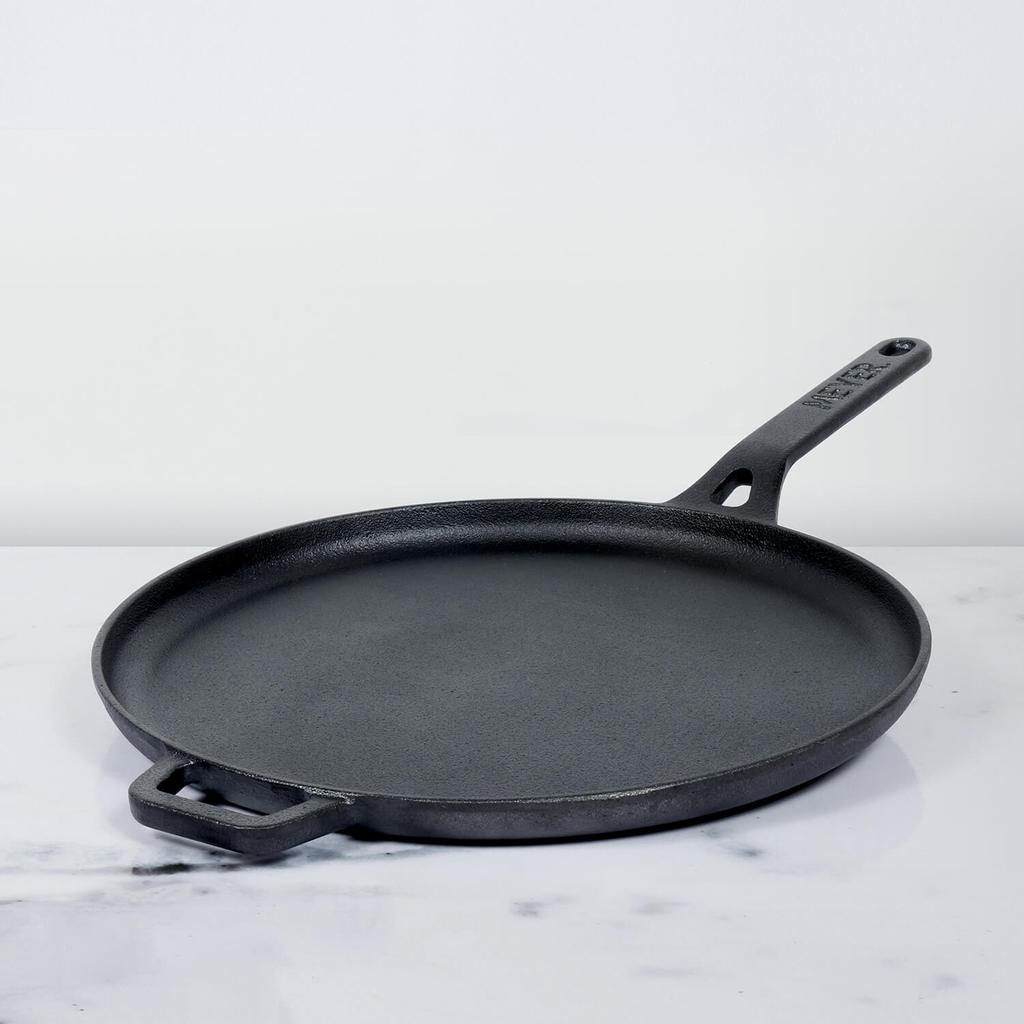
Replace plastic or Teflon-coated pans with a Meyer Pre-Seasoned Cast Iron tawa or kadhai. They are strong, long-lasting, and naturally improve with age, making them a sustainable investment.
3. Embrace Ceramic-Coated Cookware for Low-Oil Cooking
For those who want non-stick performance without plastic coatings, ceramic cookware is an excellent alternative.
Benefits:
-
Non-toxic and PTFE/PFOA-free
-
Ideal for low-oil cooking
-
Easy to clean
-
Doesn’t absorb food odours
Smart swap:
Instead of using plastic spatulas, plastic-coated pans or low-quality non-stick, choose ceramic cookware like Meyer Anzen, which ensures toxin-free cooking while reducing your dependence on plastic.
4. Use Glass or Steel Storage Containers Instead of Plastic Boxes
Plastic containers are the biggest contributors to microplastics in kitchens.
Replace with:
- Borosilicate glass jars
- Stainless steel dabbas
- Steel lunch boxes and airtight canisters
These alternatives last for years, don’t retain smells, and keep food fresher.
5. Opt for Wooden or Stainless Steel Cooking Spoons
Plastic ladles melt, warp, and release toxins when used at high temperatures.
A safe, eco-friendly alternative includes:
- Neem wood or teakwood spatulas
- Stainless steel turners, ladles, and whisks
These utensils stay strong, resist heat, and pair well with modern cookware like ceramic and cast iron.
6. Replace Microwave Plastic with Glass or Ceramic
Avoid reheating food in plastic at all costs. Heat accelerates chemical leaching.
Use instead:
- Glass bowls with lids
- Ceramic serving bowls
- Steel plates (for steaming and reheating in pressure cookers)
These options keep your food safe and chemical-free.
7. Invest in Long-Lasting Cookware That Avoids Frequent Replacement
Plastic items break quickly and end up in landfills.
Switching to long-life cookware such as:
-
Heavy-gauge aluminium for even cooking
reduces environmental impact and saves money.
Meyer Cookware, known for its durability and safe materials, supports this sustainability goal by offering cookware that lasts for years and doesn’t need frequent replacement.
Meyer Cast Iron Two Side Handle Flat Tawa Pan,30cm
Tips to Maintain a Plastic-Free Kitchen
-
Avoid buying plastic utensils even when offered for free with appliances.
-
Store groceries in steel or glass, not disposable plastic packets.
-
Choose reusable cloth bags for vegetable storage.
-
Avoid cling film and use beeswax wraps or airtight steel boxes.
-
Slowly replace old plastic pieces with better, durable alternatives.
A plastic-free kitchen doesn’t require sudden changes—gradual, thoughtful swaps make it achievable and budget-friendly.
Conclusion
Going plastic-free in Indian kitchens is easier than ever with the right cookware and storage solutions. By replacing plastic with stainless steel, cast iron, ceramic cookware, and glass containers, you create a healthier, safer, and more sustainable kitchen.
Whether it’s switching to Meyer Anzen for low-oil cooking or choosing Meyer Cast Iron for traditional-friendly durability, smart cookware choices go a long way in reducing plastic use while enhancing your cooking experience.
A plastic-free kitchen isn’t just a trend—it’s a long-term investment in your health and the environment.
MORE FROM BLOG
Top Collections
Cast Iron Cookware: Best Practices for Cleaning and Storage
2 Items
Cookware for Gifting: What to Choose for Food Lovers in 2025
2 Items
Diwali Kitchen Storage Hacks for Cookware
2 Items
Eco-Friendly Cookware Options for a Green Diwali
2 Items
Essential Cookware for Small Kitchens in 2025
2 Items
How to Make Your Non-Stick Cookware Last Longer
2 Items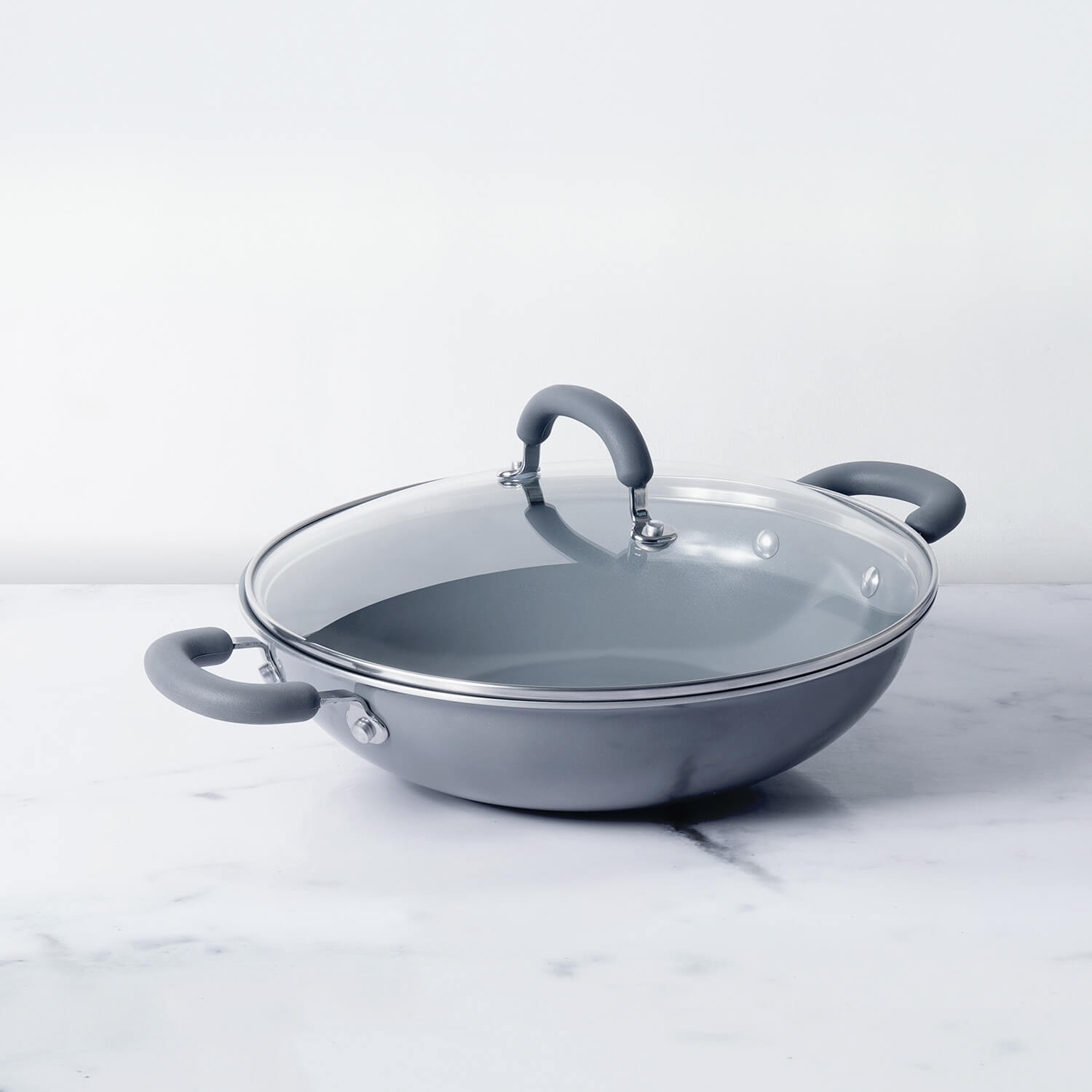


Leave a comment