



In an Indian kitchen, cookware is not used occasionally—it’s used every single day. From early-morning chai to pressure cooking dals, slow-simmering gravies, shallow frying sabzis, and weekend biryanis, cookware goes through intense heat, constant stirring, repeated washing, and long cooking hours. In such conditions, choosing cookware that lasts long is not a luxury—it’s a necessity.
Yet many home cooks find themselves replacing pans every year due to warping, peeling coatings, uneven heating, or rusting. The truth is, long-lasting cookware is not defined by price alone, but by the right combination of material, construction, usage compatibility, and brand reliability.
This guide will help you understand how to choose cookware that truly lasts long, especially for Indian cooking, and how investing wisely once can save you money, effort, and frustration for years.
Table of Contents
- 1. Why Longevity Matters in Indian Cooking
- 2. Material Is the Foundation of Long-Lasting Cookware
- 3.Thickness and Construction Decide Lifespan
- 4. Compatibility with Indian Gas Stoves Is Critical
- 5. Handles, Rivets, and Lids: The Forgotten Durability Factors
- 6. Cookware That Fits Your Cooking Style Lasts Longer
- 7. Ease of Maintenance Encourages Longevity
- 8. Heat Retention and Even Cooking Reduce Wear
- 9. Common Mistakes That Reduce Cookware Life
- 10. Why Brand Choice Matters for Long-Lasting Cookware
- 11. Conclusion
Why Longevity Matters in Indian Cooking
Indian cooking styles are demanding by nature:
- High-heat tadkas
- Long slow cooking for curries and dals
- Frequent use of acidic ingredients like tomatoes, tamarind, and curd
- Daily stirring with metal or wooden spatulas
- Cooking three meals a day on gas stoves
Cookware that isn’t designed for such intensity tends to degrade quickly. Scratches, hot spots, loose handles, and burnt bases are signs of cookware that wasn’t built for real kitchens.
That’s why durability should be the first filter when choosing cookware for everyday Indian meals.

Material Is the Foundation of Long-Lasting Cookware
The material of your cookware determines how well it handles heat, wear, and time.
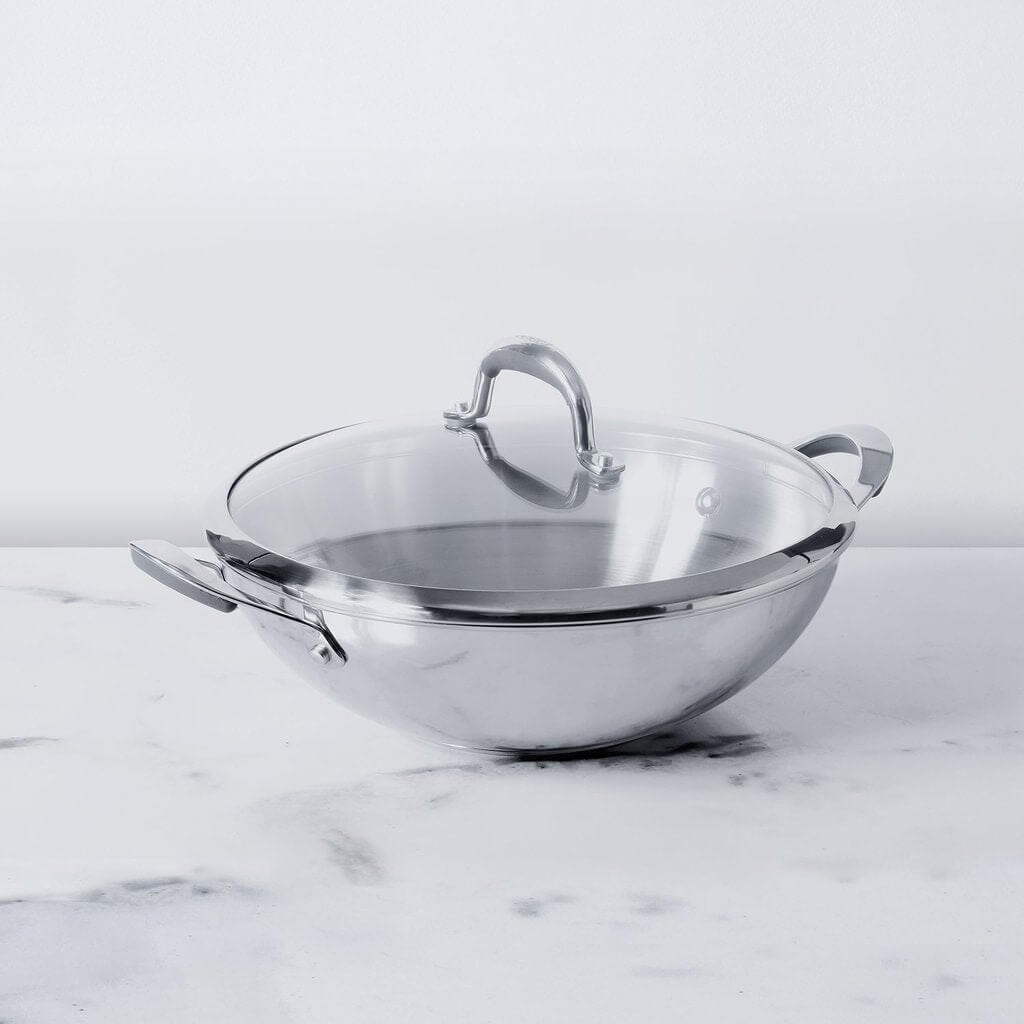
Stainless Steel: Strong, Stable, and Long-Term Reliable
High-quality stainless steel is one of the most durable cookware materials available. It does not rust, chip, or react with food, making it ideal for daily Indian cooking.
Well-constructed stainless steel cookware:
-
Resists warping even on high flame
-
Handles acidic gravies safely
-
Maintains structural integrity for years
-
Is easy to clean and hygienic
Brands like Meyer, known globally for precision-engineered stainless steel cookware, focus on thickness, bonding quality, and base stability—factors that directly affect longevity.
Cast Iron: Built to Last for Generations
Cast iron cookware has been used in Indian households for decades—and for good reason. When properly seasoned or enamelled, cast iron:
-
Can last for decades
-
Handles extreme heat without damage
-
Improves cooking performance over time
Modern versions, such as enamelled cast iron, remove the fear of rust while retaining durability, making them more practical for today’s kitchens.
Hard Anodised Aluminium: Durable with Care
Hard anodised cookware is tougher than regular aluminium and resists corrosion and scratching better. When used with care and good maintenance, it can offer long service life, especially for everyday cooking.
However, durability here depends heavily on coating quality and thickness, which is why choosing a trusted brand matters.
Meyer Pre Seasoned Cast Iron curved Kadai without Lid, 20cm
Thickness and Construction Decide Lifespan
Lightweight cookware may feel convenient initially, but it often fails early.
Why Thickness Matters
Thicker cookware:
- Distributes heat evenly
- Reduces hot spots that cause burning
- Resists warping on gas stoves
- Stays stable during long cooking hours
In Indian kitchens, where cookware often stays on flame for extended periods, thin bases tend to deform quickly.
Meyer’s cookware, for instance, is known for engineered bases and solid construction, designed to withstand daily high-heat use without losing shape.
Multi-Layered or Reinforced Bases
Cookware with reinforced or encapsulated bases lasts longer because it:
- Handles repeated heating and cooling cycles
- Reduces thermal stress
- Prevents base separation over time
This is especially important for cookware used for curries, milk-based dishes, and slow cooking.
Compatibility with Indian Gas Stoves Is Critical
Most Indian households still use gas stoves, which deliver direct flame and intense heat.
To last long, cookware must:
-
Sit flat on the burner
-
Handle direct flame without scorching
-
Maintain balance even at high temperatures
Cookware not designed for gas stoves often develops blackened bases, warps, or loses performance quickly. Brands that test cookware specifically for Indian cooking conditions offer better long-term reliability.
Handles, Rivets, and Lids: The Forgotten Durability Factors
Often, cookware is discarded not because the pan fails—but because handles loosen or lids break.
What to Look For
-
Riveted or firmly welded handles
-
Heat-resistant materials
-
Strong joints that don’t wobble over time
-
Well-fitting lids that don’t rattle
High-quality brands like Meyer focus on ergonomics and structural strength, ensuring handles remain sturdy even after years of daily use.
Cookware That Fits Your Cooking Style Lasts Longer
Using the wrong cookware for the wrong task shortens its life.
For example:
- Shallow pans for deep gravies cause spillage and uneven heating
- Lightweight pans for slow cooking lead to burning and stress on the base
- Non-compatible cookware for high heat damages coatings
Choosing cookware designed for Indian cooking techniques—from tadka to dum cooking—naturally increases its lifespan.
Ease of Maintenance Encourages Longevity
Cookware that is difficult to maintain often gets misused or neglected.
Long-lasting cookware should:
-
Tolerate regular washing
-
Not require extreme precautions
-
Recover easily from daily wear
Enamelled cast iron, stainless steel, and well-built hard anodised cookware strike a good balance between durability and manageable maintenance.
Meyer’s cookware philosophy emphasizes performance without complicated care, making it suitable for busy Indian households.
Heat Retention and Even Cooking Reduce Wear
Uneven heating forces users to increase flame or stir aggressively—both of which stress cookware.
Cookware with good heat retention:
- Cooks evenly
- Requires less flame
- Prevents burning at the base
- Reduces repeated reheating
This not only improves food quality but also extends the life of the cookware itself.
Common Mistakes That Reduce Cookware Life
Even good cookware won’t last if misused. Avoid:
-
Heating empty pans on high flame
-
Sudden temperature changes
-
Using sharp metal tools on delicate surfaces
-
Storing cookware while damp
Using cookware as intended significantly extends its lifespan.
Why Brand Choice Matters for Long-Lasting Cookware
Cookware longevity is not just about material—it’s about engineering, testing, and quality control.
Trusted brands like Meyer, with decades of global expertise, invest in:
- Material research
- Construction precision
- Safety standards
- Cooking performance under real-world conditions
This ensures cookware performs consistently for years, not just months.
Conclusion: Invest Once, Cook for Years
Choosing cookware that lasts long means thinking beyond trends and focusing on durability, construction, and everyday usability. In an Indian kitchen where cooking is frequent and intensive, the right cookware becomes a silent partner—supporting every meal without complaint.
By choosing strong materials, proper thickness, gas-friendly construction, and reliable brands like Meyer, you don’t just buy cookware—you invest in years of confident, stress-free cooking.
MORE FROM BLOG
Top Collections
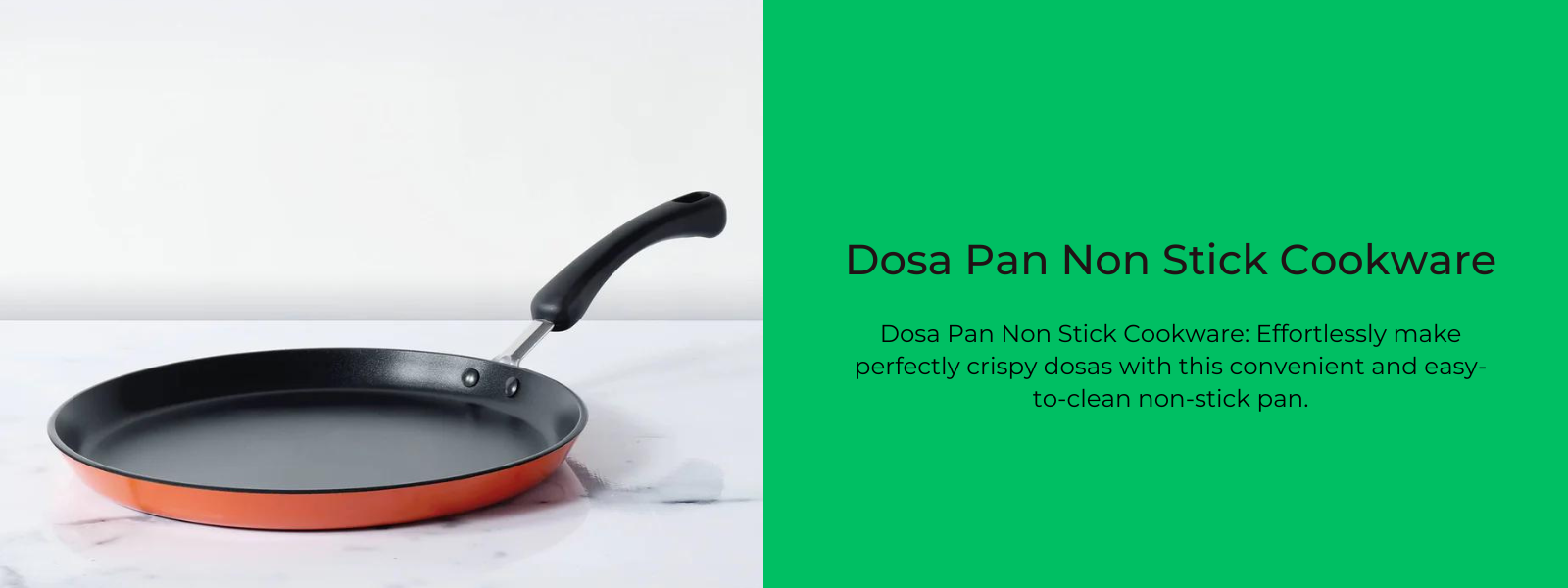
Best Dosa Pan Non Stick Cookware In India
2 Items
Can Ceramic Cookware Handle Everyday Indian Meals?
2 Items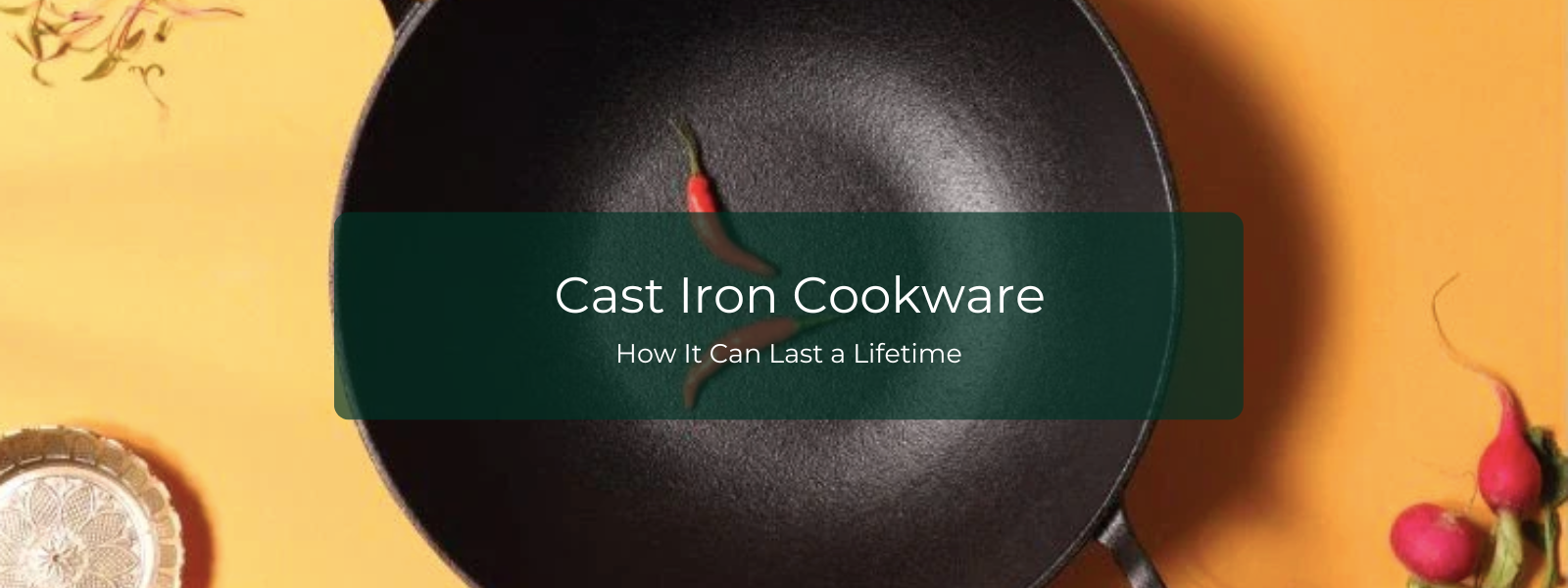
Cast Iron Cookware: How It Can Last a Lifetime
2 Items
Choosing cookware for newlywed couple
2 Items
Eco-Friendly Cookware Options for a Green Diwali
2 Items


Leave a comment