



Burnt masala residue at the bottom of a stainless steel kadhai or saucepan is something almost every Indian home cook has faced. Whether you were slow-cooking onion-tomato gravy, reducing a rich makhani base, or bhuno-ing spices a little longer than intended, caramelized masala can cling stubbornly to the surface.
The good news? Stainless steel cookware is designed to handle exactly this kind of intense cooking. Unlike coated cookware, it does not peel, chip, or degrade during deep cleaning. With the right technique and simple kitchen ingredients, you can restore your cookware safely and effectively.
Table of Contents
- 1. Why Masala Burns and Sticks in Stainless Steel
- 2. Immediate Solution
- 3. Deep Cleaning Method 1
- 4. Deep Cleaning Method 2
- 5. Overnight Soaking for Heavy Burns
- 6. Removing Rainbow Stains or Heat Tint
- 7. What to Avoid While Cleaning
- 8. How to Prevent Burnt Masala in the Future
- 9. Why Stainless Steel Is Still the Best Choice for Indian Cooking
Why Masala Burns and Sticks in Stainless Steel
Indian masalas contain onions, tomatoes, ginger-garlic paste, whole spices, and powdered masalas. These ingredients are rich in natural sugars and fine particles. When cooked on high heat or when moisture reduces too quickly, sugars caramelize and proteins bond to the steel surface.
This is not damage — it is a natural reaction between food and hot metal. In fact, slight browning (called fond) enhances flavor. The problem arises only when the residue burns excessively and forms a thick, black layer.
Stainless steel’s biggest advantage is durability. Even if food burns, the cookware can be cleaned thoroughly without harming its performance.

Immediate Solution: The Hot Water Deglazing Method
If you notice burnt masala while the pan is still warm, act immediately.
Turn off the heat and carefully add a cup of hot water to the pan. The steam will begin loosening the stuck masala from the surface. Let it simmer gently for 3–5 minutes. Use a wooden spatula to scrape the base.
This method works extremely well when done right after cooking. It prevents residue from hardening overnight and makes cleaning effortless.
Deep Cleaning Method 1: Baking Soda Boil
For thicker, darker burnt layers, baking soda is highly effective.
Fill the pan with enough water to cover the burnt area. Add one to two tablespoons of baking soda and bring the mixture to a gentle boil for 5–10 minutes. Turn off the heat and allow it to cool slightly.
Baking soda helps break down burnt oils and masala particles. Once cooled, scrub gently with a non-abrasive scrubber. The residue should lift much more easily.
This method is safe, economical, and highly recommended for stainless steel cookware used regularly for Indian gravies.
Deep Cleaning Method 2: Vinegar and Baking Soda Reaction
For stubborn caramelized masala that refuses to budge, combine vinegar and baking soda.
Add equal parts water and white vinegar to the pan, enough to cover the burnt surface. Bring it to a boil and switch off the heat. Add one tablespoon of baking soda. It will fizz — this is normal.
Let the solution sit for 10–15 minutes before scrubbing gently.
The mild acidic action of vinegar combined with baking soda helps dissolve tough burnt deposits without scratching the steel.
Overnight Soaking for Heavy Burns
If the residue is extremely thick, fill the cookware with warm water and a few drops of dishwashing liquid. Leave it overnight.
By morning, most of the burnt masala will have softened, making it easier to remove with light scrubbing.
Stainless steel is resistant to rust when properly dried, so soaking does not damage quality cookware.
Removing Rainbow Stains or Heat Tint
After intense cooking or cleaning, you may notice rainbow-colored stains. These are harmless heat tints caused by chromium oxidation on the steel surface.
To remove them, wipe the pan with diluted vinegar or lemon juice and rinse thoroughly. The shine will return quickly.
Premium cookware such as the Meyer Select Stainless Steel Cookware is built with a thick encapsulated base that promotes even heat distribution. Even heating reduces hot spots — one of the main causes of masala burning — making cleaning easier in the long run. Additionally, being nickel-free, it offers a safer cooking surface for everyday use in Indian households.
What to Avoid While Cleaning
Avoid harsh steel wool scrubbing on polished surfaces, as it may cause minor scratches. Also avoid bleach-based cleaners, which are unnecessary and can damage the finish.
Never pour cold water into an extremely hot empty pan, as sudden temperature changes can stress the metal base.
How to Prevent Burnt Masala in the Future
Preheat the pan properly before adding oil. Cook masala on medium heat rather than high heat. Stir regularly once moisture begins reducing. If you see the mixture sticking, add a splash of warm water to deglaze instead of increasing heat.
Using cookware with thicker bases ensures even heat distribution and minimizes concentrated burning at the center.
Why Stainless Steel Is Still the Best Choice for Indian Cooking
Indian cooking involves high-heat sautéing, deep bhuno techniques, spice tempering, and long-simmered gravies. Stainless steel is uniquely suited for these methods because it is non-reactive, durable, and able to withstand repeated deep cleaning.
Even when masala burns, the cookware does not lose performance. With simple cleaning techniques, it can be restored to near-original condition.
Burnt residue may look alarming, but it is temporary. Stainless steel cookware is built to recover — again and again — making it a long-term investment for every Indian kitchen.
MORE FROM BLOG
Top Collections
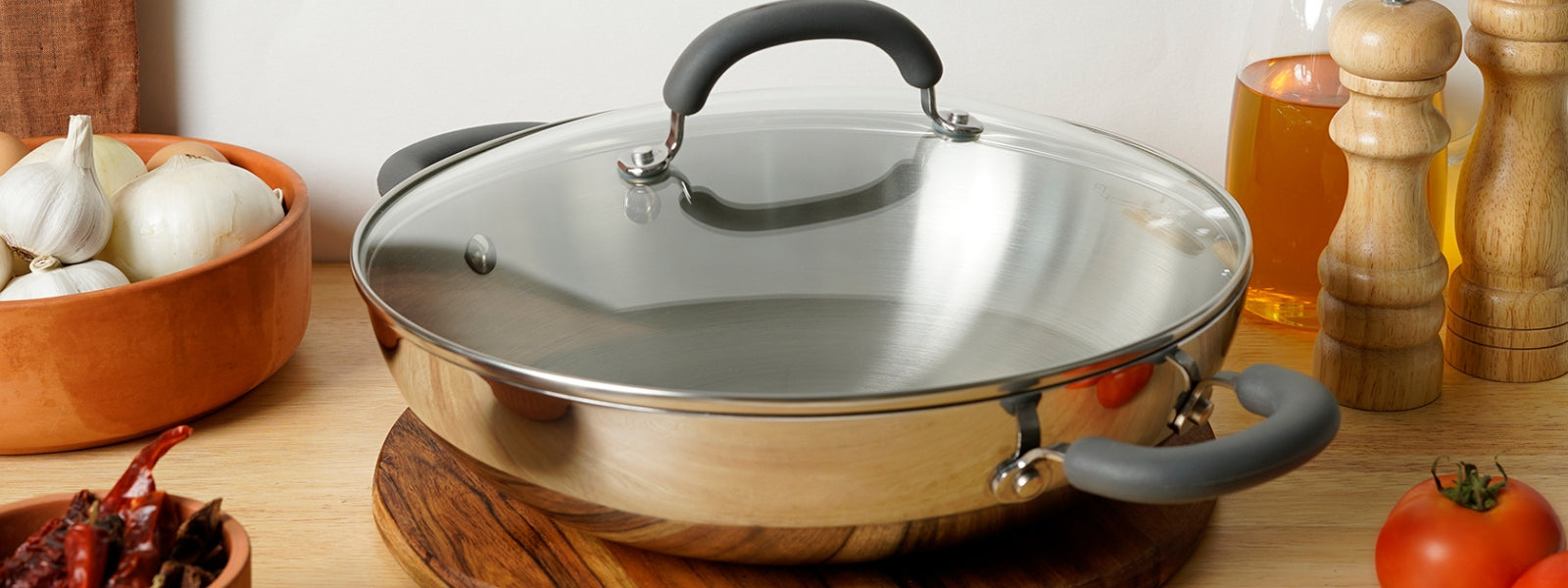
Benefits of using stainless steel cookware in India
2 Items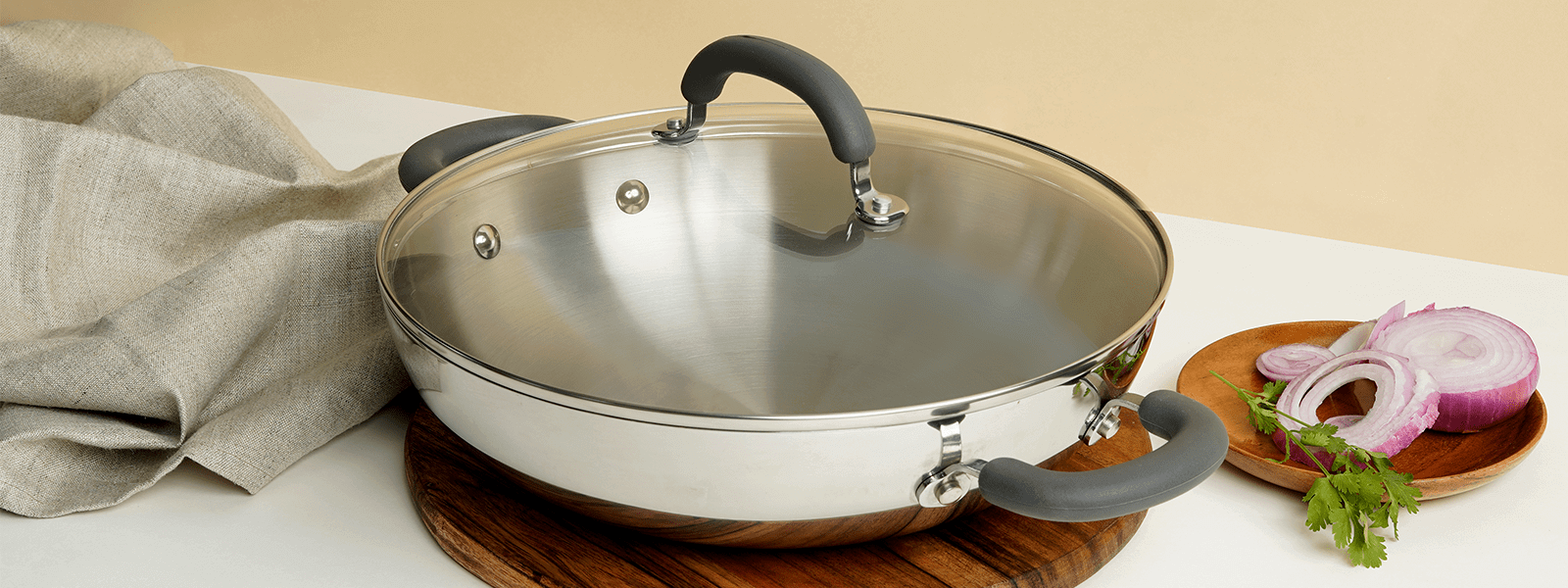
Best stainless steel cookware for summer cooking
2 Items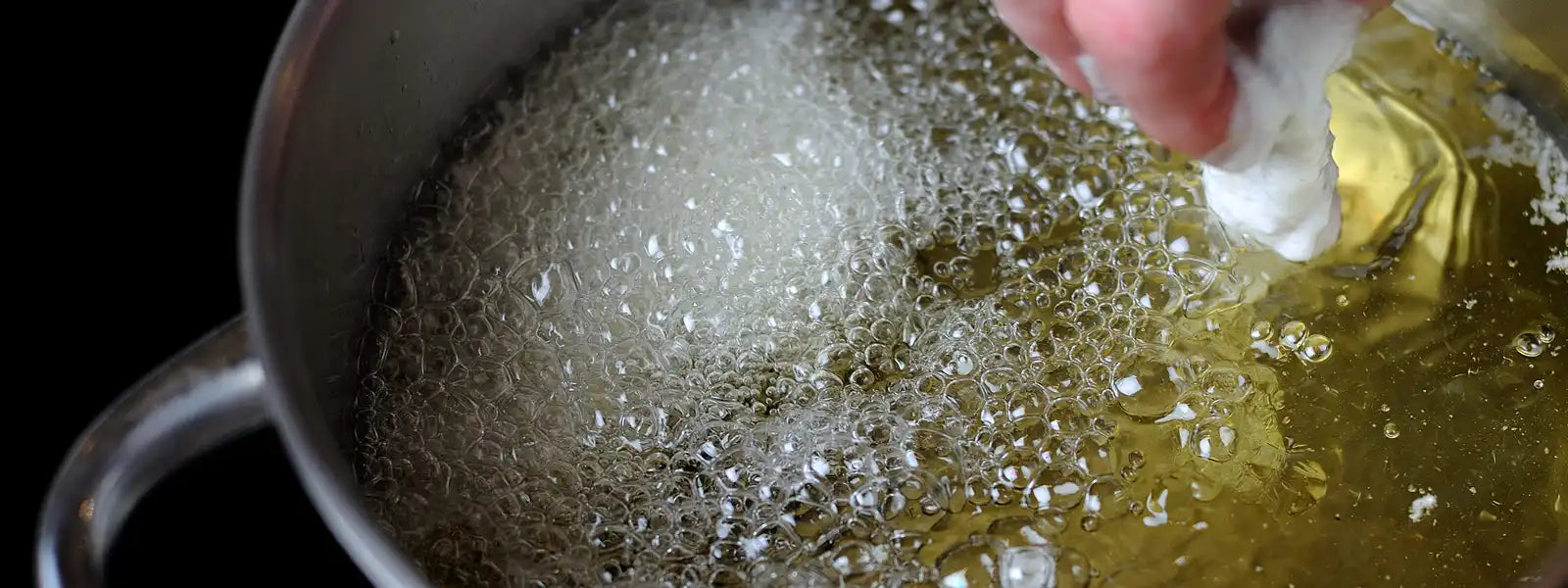
Best Stainless Steel Kadai for Deep Frying
2 Items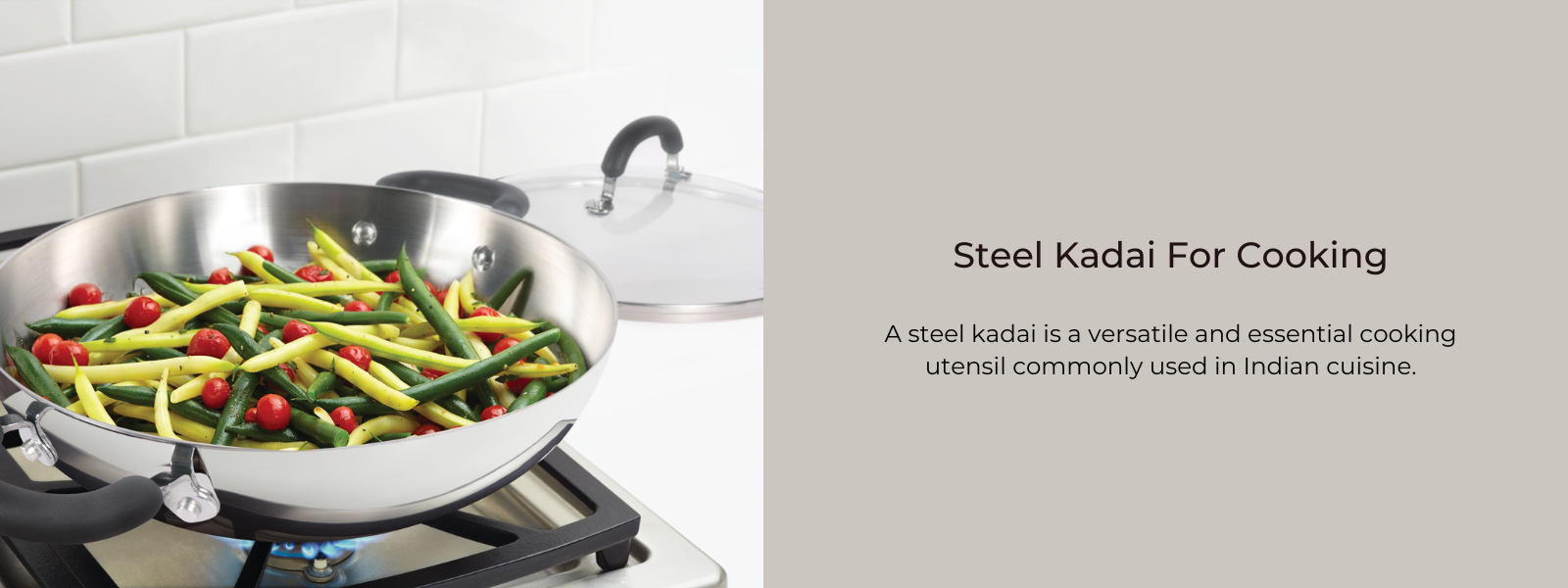
Steel Kadai For Cooking: Versatile Cookware For Indian Meals
2 Items
Best Ways to Maintain the Shine of Your Stainless Steel Cookware
2 Items


Leave a comment