



Cooking on stainless steel often feels challenging at first. Many home cooks switch from non-stick and expect the same effortless release, only to find food sticking, tearing, or leaving behind residue. The truth is that stainless steel behaves very differently, and once you understand the technique, it can deliver far superior results in terms of browning, flavor, and durability.
Stainless steel pans are designed for performance. They can handle higher heat, develop rich textures, and last for years. The key is learning how to control heat, oil, and timing so that food releases naturally instead of sticking.
Table of Contents
- 1. Why Food Sticks to Stainless Steel
- 2. Preheating the Pan Correctly
- 3. Adding Oil at the Right Moment
- 4. Choosing the Right Type and Amount of Oil
- 5. Letting Food Release Naturally
- 6. Managing Heat Throughout Cooking
- 7. Avoiding Overcrowding
- 8. Cooking Different Types of Food
- 9. Using Deglazing to Your Advantage
- 10. Keeping Your Pan Clean and Smooth
- 11. The Importance of Cookware Quality
- 12. Common Mistakes to Avoid
- 13. Simple Habits That Make a Big Difference
- 14. Final Thoughts
Why Food Sticks to Stainless Steel
Although stainless steel looks smooth, its surface contains tiny microscopic pores. When the pan is not heated properly, food sinks into these pores and forms bonds with the metal.
Proteins and starches in ingredients like paneer, eggs, and potatoes naturally cling to the surface at the beginning of cooking. This is part of the process that creates browning and flavor. However, when the temperature or oil is not managed correctly, the bonding becomes stronger and leads to excessive sticking.
Instead of trying to eliminate sticking completely, the goal is to control it so that food releases at the right time.

Preheating the Pan Correctly
Preheating is the most important step when cooking on stainless steel.
Place the pan on medium heat and allow it to heat gradually. Rushing this step often leads to uneven heating, which increases sticking. As the pan heats, the metal expands slightly, reducing the size of its pores and creating a smoother surface.
A simple test is to sprinkle a few drops of water onto the pan. If the droplets bead up and glide across the surface instead of evaporating immediately, the pan is ready. This indicates that the temperature is ideal for cooking.
Proper preheating sets the foundation for a non-stick-like cooking experience.
Adding Oil at the Right Moment
Timing the addition of oil is just as important as preheating.
If oil is added to a cold pan, it does not spread evenly and fails to create an effective barrier. If added to an overheated pan, it can smoke and break down, reducing its ability to prevent sticking.
Once the pan is properly heated, add oil and let it warm for a few seconds. The oil should spread smoothly and appear slightly fluid. This indicates that it is ready for cooking.
This step ensures that the oil forms a thin protective layer between the food and the pan.
Choosing the Right Type and Amount of Oil
Not all oils behave the same way under heat.
For stainless steel cooking, oils with a higher smoke point perform better, as they remain stable at medium to high temperatures. Using too little oil increases friction between the food and the pan, while excessive oil can interfere with proper browning.
A light but even coating is ideal. The surface should be covered without pooling, allowing food to cook evenly and release naturally.
Letting Food Release Naturally
One of the most important techniques when using stainless steel is patience.
When food is first added, it may stick slightly. This is completely normal. As it cooks, it develops a crust that naturally separates from the surface.
Trying to flip or move food too early disrupts this process and causes tearing. Waiting a few minutes allows the food to release on its own.
This technique is especially useful for proteins and vegetables, where proper browning enhances both texture and flavor.
Managing Heat Throughout Cooking
Heat control is essential for preventing sticking.
While stainless steel can handle high temperatures, most cooking is best done on medium heat. This allows for even cooking without burning or excessive sticking.
If the pan becomes too hot, the oil may degrade and food may stick more aggressively. Lowering the heat slightly and maintaining a steady temperature helps create better cooking conditions.
Adjusting heat based on what you are cooking ensures consistent results.
Avoiding Overcrowding
Adding too much food at once can disrupt the cooking process.
When the pan is overcrowded, its temperature drops quickly. This leads to steaming instead of searing, which increases moisture and causes food to stick.
Cooking in smaller batches allows the pan to maintain its temperature and gives each ingredient enough space to cook properly.
This simple adjustment can significantly improve results.
Cooking Different Types of Food
Certain foods require extra attention when using stainless steel.
Eggs, paneer, fish, and potatoes are more likely to stick because of their protein or starch content. These foods benefit from proper preheating, adequate oil, and minimal movement during cooking.
Vegetables with lower starch content tend to release more easily, especially when cooked on medium heat with enough space in the pan.
Understanding how different ingredients behave helps you adjust your technique accordingly.
Using Deglazing to Your Advantage
Stainless steel pans often develop browned bits at the bottom during cooking. These are not a problem but an opportunity to enhance flavor.
Instead of scraping them off forcefully, you can deglaze the pan by adding a small amount of water, broth, or another liquid. This loosens the residue and incorporates it into your dish.
Deglazing not only prevents sticking but also adds depth and richness to your cooking.
Keeping Your Pan Clean and Smooth
A clean pan performs better and reduces sticking.
Residue buildup from previous cooking can create an uneven surface that increases friction. Washing your pan thoroughly after each use helps maintain its performance.
For stubborn stains, gentle cleaning methods such as using baking soda can restore the surface without causing damage.
Regular maintenance ensures consistent results over time.
The Importance of Cookware Quality
The design and construction of your pan also influence how it performs.
High-quality stainless steel cookware distributes heat evenly, reducing hot spots that cause sticking. It also retains heat better, allowing for more consistent cooking.
Meyer offers a wide range of stainless steel cookware designed to provide balanced heat distribution and reliable performance, making it easier to manage sticking and achieve better results.
Common Mistakes to Avoid
Starting with a cold pan
Adding oil too early or too late
Using too little oil
Moving food too quickly
Cooking on very high heat unnecessarily
Overcrowding the pan
Avoiding these mistakes can dramatically improve your cooking experience.
Simple Habits That Make a Big Difference
Preheat the pan properly before adding oil
Use medium heat for most cooking tasks
Allow food to cook undisturbed before flipping
Use enough oil to coat the surface
Clean the pan thoroughly after use
These habits may seem small, but they have a significant impact on how your food cooks.
Final Thoughts
Cooking without sticking on stainless steel is not about eliminating friction completely. It is about understanding how heat, oil, and food interact with the surface and using that knowledge to your advantage.
Once you master the technique, stainless steel becomes one of the most rewarding types of cookware. It allows you to achieve better browning, richer flavors, and more control over your cooking.
With practice, patience, and the right approach, you can turn stainless steel into a reliable, everyday cooking tool that delivers consistent and satisfying results.
MORE FROM BLOG
Top Collections
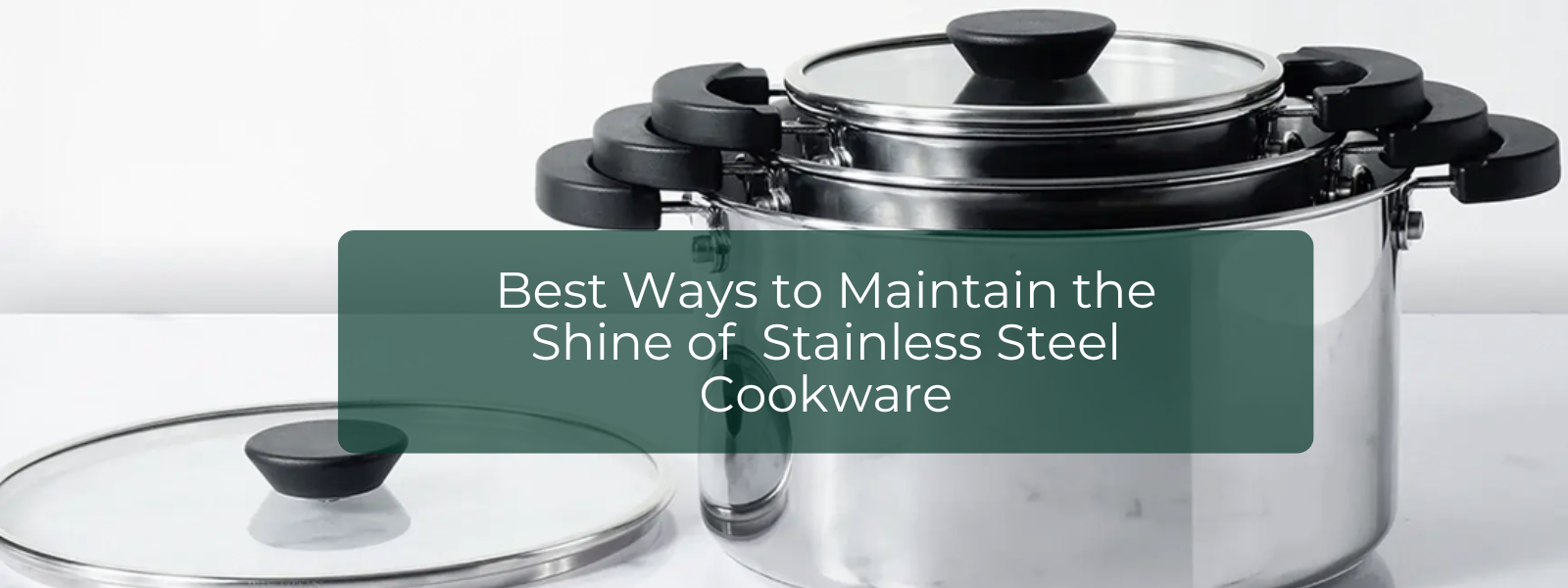
Best Ways to Maintain the Shine of Your Stainless Steel Cookware
2 Items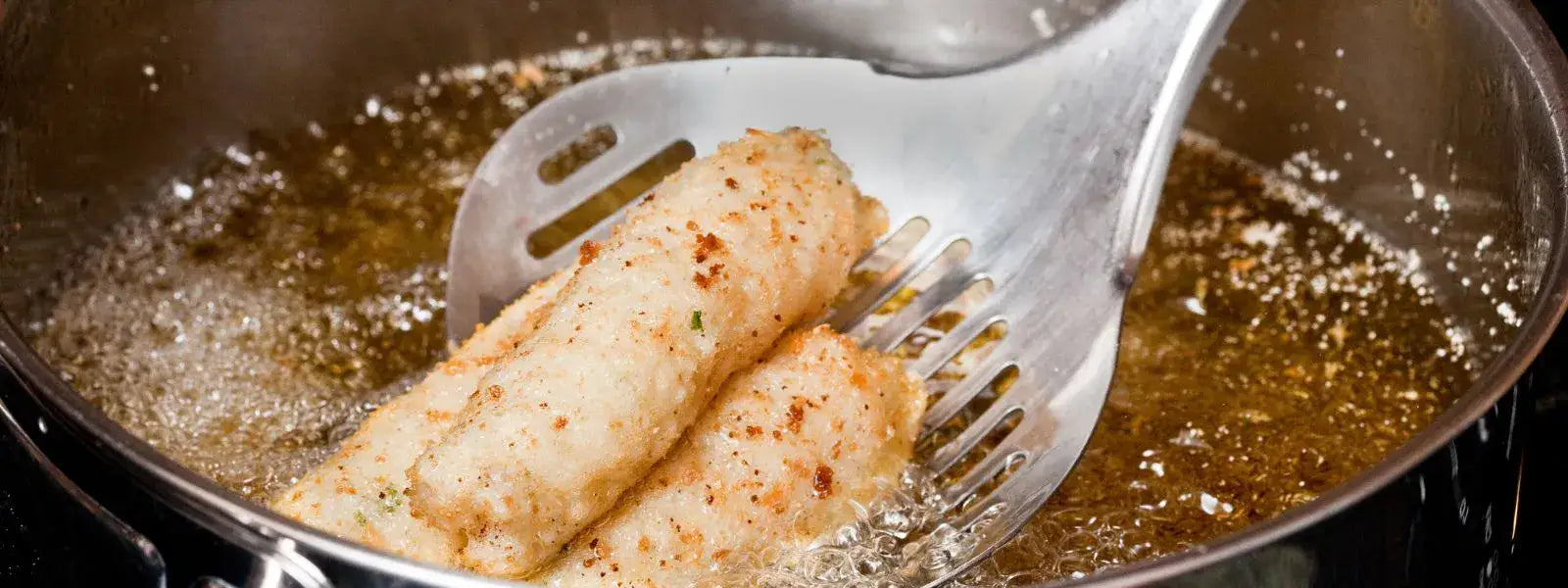
Can stainless steel pan be used for Deep Frying?
2 Items
Easy way to turn Stainless Steel Pan into Nonstick
2 Items
How to care for and maintain Stainless Steel Pans
2 Items
How to Prevent Food from Sticking to Stainless Steel Cookware
2 Items


Leave a comment