



Triply stainless steel cookware is often seen as a long-term investment in the kitchen. Known for its strength, even heat distribution, and toxin-free cooking surface, it offers a level of reliability that few materials can match.
But while triply cookware is designed for durability, it is not entirely maintenance-free.
With the right care, it can perform beautifully for decades. Without it, even the best cookware can lose its shine, develop stains, or fall short of its full potential.
Understanding how to maintain triply stainless steel cookware is not about complicated routines—it’s about adopting a few mindful habits that protect its structure, preserve its performance, and ensure it continues to deliver exceptional cooking results over time.
Table of Contents
- 1. Understanding Triply Cookware
- 2. Daily Cleaning
- 3. Dealing with Stubborn Stains and Burn Marks
- 4. Maintaining the Shine and Finish
- 5. Cooking Practices That Protect Your Cookware
- 6. Using the Right Utensils
- 7. Storage
- 8. Why Quality Matters
- 9. Meyer Triply Stainless Steel Cookware
- 10. Common Mistakes to Avoid
- 11. Does Triply Cookware Really Last a Lifetime?
- 12. Conclusion
Understanding Triply Cookware: Why It Deserves Special Care
Triply cookware is constructed with three layers—typically stainless steel on the inside and outside, with an aluminium core sandwiched in between.
This design ensures:
· Even heat distribution
· Better temperature control
· Reduced chances of hotspots and burning
While the stainless steel exterior is durable, the internal construction benefits from thoughtful use and proper maintenance to retain its efficiency.

Daily Cleaning: The Foundation of Longevity
Maintenance begins with how you clean your cookware after each use.
Allowing the pan to cool slightly before washing is important. Sudden temperature changes can stress the material over time. Once cooled, cleaning with warm water and a mild dishwashing solution is usually sufficient.
A soft sponge works best to remove food residue without affecting the surface. In most cases, gentle cleaning is all that is needed to restore the pan’s shine.
Drying the cookware immediately after washing helps prevent water spots and keeps the surface looking polished.
Dealing with Stubborn Stains and Burn Marks
Even with careful cooking, occasional stains or burnt residue can occur.
Instead of scrubbing aggressively, it is more effective to soften the residue first. Adding water to the pan and gently heating it helps loosen stuck food, making it easier to clean.
For tougher stains, natural solutions like baking soda can be used to lift residue without scratching the surface. A mild acidic agent such as vinegar can also help break down discoloration when used carefully.
The key is patience—allowing the cleaning process to work gradually rather than forcing it.
Maintaining the Shine and Finish
Over time, stainless steel may develop slight discoloration or rainbow-like stains due to heat exposure.
This is normal and does not affect performance. However, if you prefer to maintain a polished look, occasional deep cleaning can restore its original finish.
Using gentle cleaning methods ensures that the surface remains smooth and visually appealing without compromising durability.
Cooking Practices That Protect Your Cookware
Maintenance is not just about cleaning—it also begins with how you cook.
Preheating the pan correctly helps reduce sticking and ensures even cooking. Adding oil only after the pan is adequately heated creates a natural barrier between food and the surface.
Cooking on low to medium heat is ideal for triply cookware. The aluminium core distributes heat efficiently, so high flame is rarely necessary. Excessive heat can lead to discoloration and make cleaning more difficult.
Avoid leaving the pan empty on high heat, as this can stress the material over time.
Using the Right Utensils
Triply stainless steel cookware is more resilient than non-stick surfaces, but using the right utensils still makes a difference.
Wooden, silicone, or even stainless steel utensils can be used safely, but aggressive scraping should always be avoided.
Gentle handling preserves both the appearance and the structure of the cookware.
Storage: An Often Overlooked Step
Proper storage plays a subtle yet important role in maintaining cookware.
Stacking pans without protection can lead to minor surface marks over time. Using a soft cloth or separator between cookware pieces helps prevent unnecessary friction.
Keeping cookware in a dry environment also ensures that moisture does not affect its finish.
Why Quality Matters: The Role of Well-Designed Cookware
While care is essential, the quality of cookware you choose determines how well it responds to that care.
Well-designed triply cookware offers better heat control, stronger construction, and more consistent performance.
Meyer Triply Stainless Steel Cookware: Engineered for Endurance
Meyer triply stainless steel cookware is designed to deliver long-lasting performance with minimal compromise.
Its triply construction ensures even heat distribution, reducing the chances of burning and making cooking more predictable. The high-quality stainless steel surface is built to withstand daily use while maintaining its structure and efficiency.
With thoughtful engineering and durable materials, Meyer cookware supports both everyday convenience and long-term reliability—making it a valuable addition to any kitchen.
Common Mistakes to Avoid
Using excessive force while cleaning is one of the most common mistakes. It can create unnecessary surface wear without improving results.
Ignoring heat control is another factor that impacts cookware longevity. Consistently cooking on high flame can lead to stains and uneven performance.
Leaving cookware uncleaned for extended periods allows residue to settle, making it harder to remove later.
Avoiding these habits helps preserve both appearance and functionality.
Does Triply Cookware Really Last a Lifetime?
With proper care, triply stainless steel cookware can last for many years—often decades.
Its durability, combined with consistent maintenance, ensures that it continues to perform reliably across a wide range of cooking styles.
Unlike coated cookware, it does not depend on a surface layer that wears out. Instead, its strength comes from its construction, making it a long-term companion in the kitchen.
Conclusion: Care That Extends a Lifetime
Triply stainless steel cookware is built for longevity—but its true lifespan depends on how it is treated.
Simple, consistent practices—gentle cleaning, mindful cooking, and proper storage—can make a significant difference in preserving its performance.
When you invest in high-quality cookware like Meyer triply stainless steel, you’re choosing durability, precision, and reliability. With the right care, it continues to deliver value not just for years, but for generations.
Because great cookware is not just about how well it performs today—
it’s about how consistently it supports your cooking, every day, over time.
MORE FROM BLOG
Top Collections
Can I use stainless steel cookware in an electric oven?
2 Items
Cast iron pan vs. stainless steel pan — which should I buy?
2 Items
Cast Iron Vs Stainless Steel Cookware: Which one should you pick?
2 Items
Best Stainless Steel Cookware in India - A Celebrity Chef's Favourites
2 Items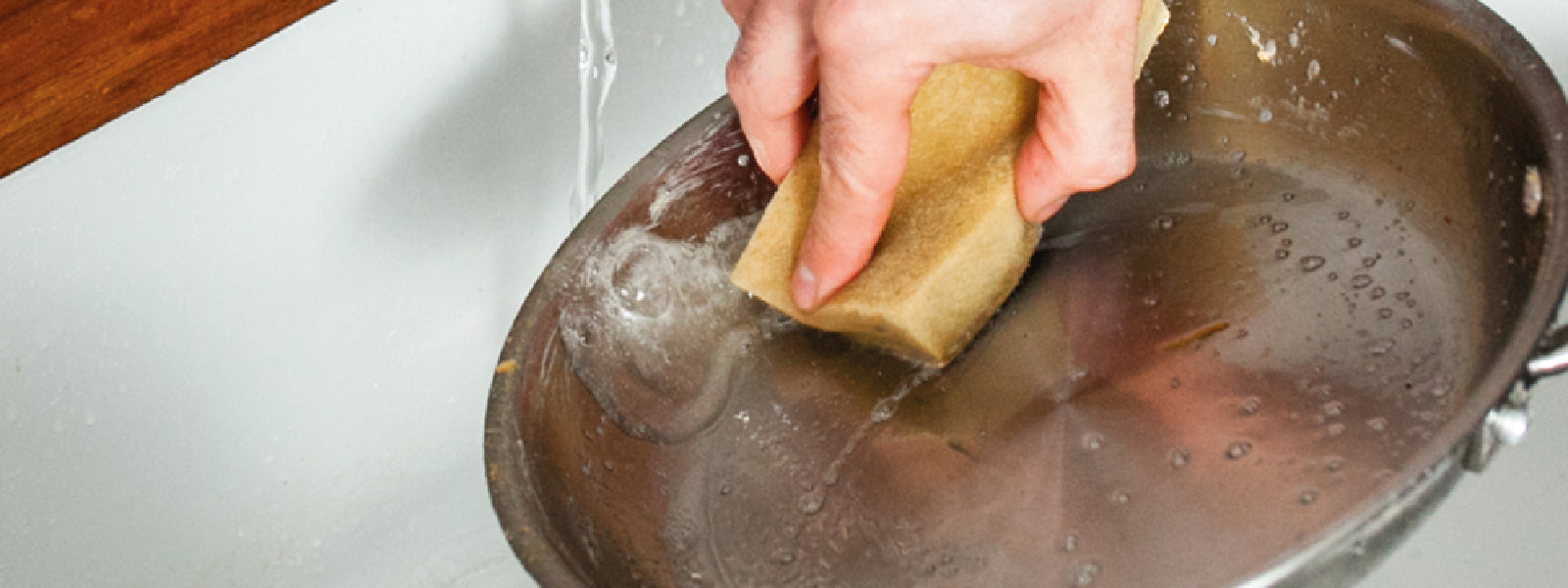
How not to cook with stainless steel cookware
2 ItemsFrom Our Shop


Leave a comment