



Stainless steel cookware is a staple in modern Indian kitchens—durable, toxin-free, and perfect for everything from sautéing vegetables to making rich gravies. Yet, one common frustration many home cooks face is food sticking stubbornly to the surface.
If you’ve ever struggled with stuck eggs, torn paneer, or burnt masalas, you’re not alone. The truth is, stainless steel doesn’t behave like non-stick—and that’s actually its strength. Once you understand how it works, you can cook effortlessly without sticking and even achieve better flavour.
Table of Contents
- 1. Why Does Food Stick to Stainless Steel?
- 2. The Golden Rule: Heat Control Is Everything
- 3. The Water Test (Game-Changer Technique)
- 4. Always Add Oil at the Right Time
- 5. Don’t Move Food Too Early
- 6. Use the Right Amount of Oil
- 7. Control the Heat (Not Too High!)
- 8. Pat Food Dry Before Cooking
- 9. Cooking Different Foods Without Sticking
- 10. Deglazing
- 11. Cleaning Matters Too
- 12. Common Mistakes That Cause Sticking
- 13. Why Stainless Steel Is Worth Mastering
- 14. Final Thoughts
Why Does Food Stick to Stainless Steel?
Before fixing the issue, it’s important to understand the cause.
Stainless steel surfaces may look smooth, but at a microscopic level, they have tiny pores. When:
-
The pan is not heated properly
-
Food is added too early
-
There isn’t enough oil
…the food settles into these pores and sticks.
Additionally, proteins (like eggs, paneer, chicken) naturally bond with metal surfaces if the cooking conditions aren’t right.

The Golden Rule: Heat Control Is Everything
The biggest mistake people make is cooking on stainless steel the same way they use non-stick.
Stainless steel requires proper preheating.
How to Preheat Correctly
-
Place the pan on medium heat
-
Let it heat for 1–2 minutes
-
Do the water test (explained below)
This step alone solves most sticking problems.
The Water Test (Game-Changer Technique)
A simple trick used by chefs:
-
Sprinkle a few drops of water on the pan
-
If the water sizzles and evaporates instantly → pan is too cold
-
If it forms a ball and glides around → pan is ready
This is called the Leidenfrost effect and indicates the perfect cooking temperature.
Only after this should you add oil.
Always Add Oil at the Right Time
Timing matters.
Correct Method:
-
Heat the pan first
-
Then add oil
-
Let oil heat slightly
-
Then add food
If you add oil to a cold pan:
-
It spreads unevenly
-
Food sticks more easily
Don’t Move Food Too Early
This is one of the most overlooked reasons for sticking.
When food hits the pan:
-
It initially sticks
-
Then naturally releases once properly seared
If you try to flip too soon, it will tear and stick.
What to Do:
-
Let it cook undisturbed
-
Wait for natural release
-
Then flip easily
Use the Right Amount of Oil
Too little oil = sticking
Too much oil = greasy food
You need just enough to:
-
Create a thin barrier between food and pan
-
Help with even cooking
Control the Heat (Not Too High!)
High heat is a common mistake.
While stainless steel can handle high temperatures, cooking at very high heat:
-
Burns food
-
Causes sticking
-
Creates residue buildup
Ideal range: medium to medium-high heat.
Pat Food Dry Before Cooking
Moisture is the enemy of good searing.
If food is wet:
-
It steams instead of sears
-
It sticks more
Always:
-
Pat vegetables, paneer, or meat dry before cooking
Cooking Different Foods Without Sticking
1. Eggs
-
Use slightly more oil or butter
-
Ensure proper preheating
-
Cook on low-medium heat
2. Paneer
-
Pat dry thoroughly
-
Use medium heat
-
Let it form a crust before flipping
3. Chicken or Fish
-
Don’t move immediately
-
Wait for natural release
-
Use enough oil
4. Indian Masalas
-
Start with oil
-
Cook onions properly before adding spices
-
Deglaze when needed
Deglazing: The Secret to Easy Cleaning
After cooking, you may notice brown bits stuck to the pan.
Don’t worry—this is flavour, not damage.
How to fix:
-
Add water, stock, or lemon juice
-
Heat gently
-
Scrape lightly
This:
-
Lifts stuck bits
-
Enhances flavour
-
Makes cleaning easier
Cleaning Matters Too
Improper cleaning can worsen sticking over time.
Do:
-
Use warm water and mild soap
-
Soak if needed
-
Use a soft scrubber
Avoid:
-
Steel wool (too harsh)
-
Letting residue build up
Common Mistakes That Cause Sticking
-
Not preheating the pan
-
Adding food too early
-
Using very high heat
-
Not using enough oil
-
Moving food too quickly
-
Cooking wet ingredients
Why Stainless Steel Is Worth Mastering
Once you get it right, stainless steel offers:
-
Better browning and flavour
-
No coating wear-off concerns
-
Long-term durability
-
Safe, toxin-free cooking
It may take a few tries—but once you understand the technique, it becomes second nature.
Final Thoughts
Cooking on stainless steel without sticking is not about luck—it’s about technique. The right combination of heat, timing, and oil transforms your cooking experience completely.
Instead of struggling with stuck food, you begin to understand how the pan behaves and how ingredients respond to heat. This awareness helps you cook more confidently and with better control. Over time, you’ll notice improved textures, richer flavours, and smoother cooking processes.
The initial learning curve is completely normal. Stainless steel demands a little patience, but it rewards you with consistency and versatility once mastered. Small changes—like proper preheating, waiting before flipping, and maintaining the right temperature—can make a significant difference.
With regular practice, sticking stops being a problem and becomes a signal to adjust your technique. And once that shift happens, stainless steel cookware becomes one of the most reliable and rewarding tools in your kitchen—perfect for everyday cooking as well as more advanced recipes.
MORE FROM BLOG
Top Collections

Easy way to turn Stainless Steel Pan into Nonstick
2 Items
How does stainless steel cookware improve cooking control?
2 Items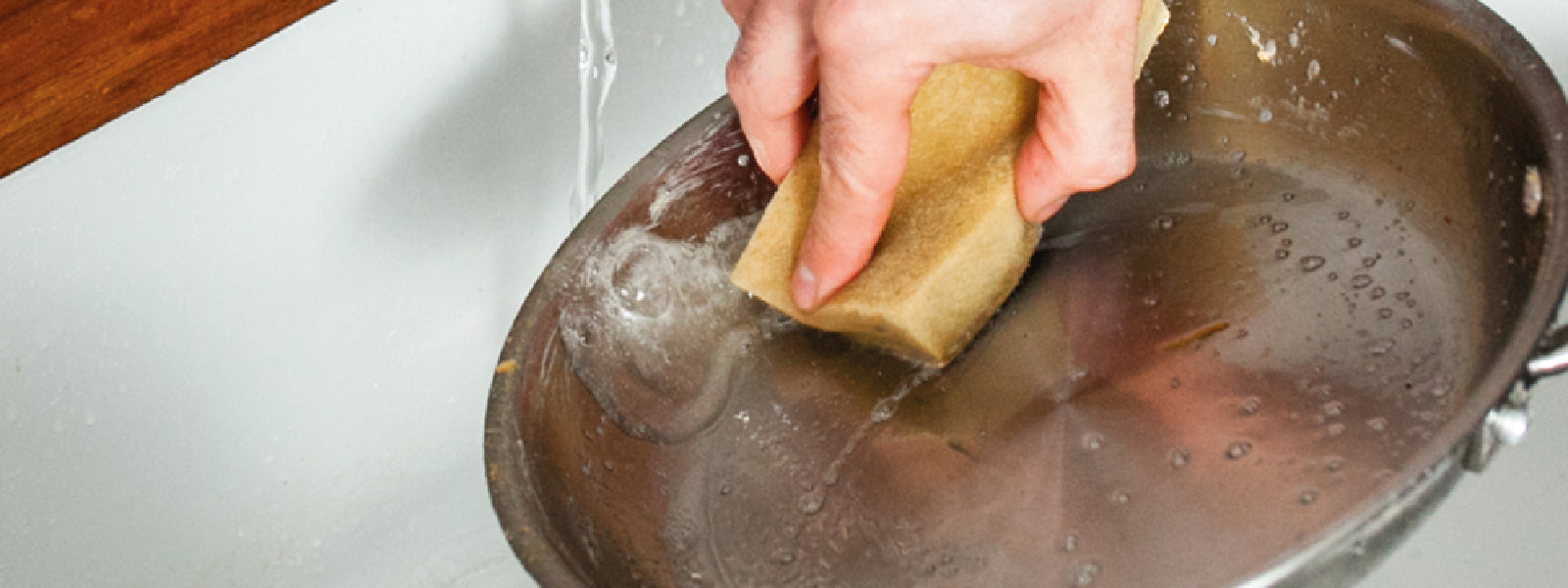
How not to cook with stainless steel cookware
2 Items
How to care for and maintain Stainless Steel Pans
2 Items
How to Transition from Non-Stick to Stainless Steel Cookware in 2025
2 Items


Leave a comment