



Modern home cooking is no longer about spending hours in the kitchen. With busy mornings, packed workdays, school schedules, and endless responsibilities, most households are looking for one thing — faster cooking without compromising taste or nutrition.
While many people focus on recipes, meal prep, or appliances to save time, one of the most overlooked factors is cookware. The pots, pans, and pressure cookers you use every day directly affect how quickly food cooks, how evenly heat spreads, and how much energy is wasted during the process.
Choosing the right cookware doesn’t just make cooking easier — it can cut down cooking time dramatically, reduce fuel usage, and make everyday meals far more efficient.
Table of Contents
Why Cookware Plays a Key Role in Cooking Speed
Cooking time depends largely on how heat is transferred from the heat source to the food. Poor cookware:
-
Takes longer to heat up
-
Develops hot spots that burn food
-
Requires frequent stirring
-
Forces you to cook on lower heat to avoid sticking
High-quality cookware, on the other hand:
- Heats quickly and evenly
- Maintains consistent temperature
- Allows higher, controlled heat
- Reduces cooking errors and retries
In short, better cookware means less waiting, less monitoring, and faster results.

1. Heat Distribution: The Biggest Time-Saver
One of the most important aspects of cookware is even heat distribution. When heat spreads uniformly across the base and sides of the pan, food cooks at the same rate everywhere.
How Uneven Heat Slows You Down
- Spices burn at the base while food remains undercooked
- You’re forced to lower the flame
- Cooking stretches longer than necessary
Cookware That Heats Evenly
-
Tri-ply stainless steel cookware (with aluminum or copper core)
-
Cast iron and enamelled cast iron
-
Heavy-gauge aluminum cookware
These materials eliminate hot spots, allowing you to cook on medium or medium-high heat confidently — which directly reduces cooking time.
2. Faster Heat Retention Means Quicker Cooking
Some cookware heats quickly but loses heat just as fast. Others retain heat effectively, allowing food to continue cooking even after the flame is reduced.
Why Heat Retention Matters
-
Reduces temperature fluctuations
-
Maintains simmer without constant adjustment
-
Speeds up slow-cooked dishes
Best Heat-Retaining Cookware
-
Thick-base stainless steel
-
Pressure cookers with heavy lids
For dishes like dal, curries, rajma, chole, or vegetable stews, cookware with strong heat retention can shave off several minutes of cooking time.
3. Pressure Cooking: The Ultimate Time-Saving Tool
When it comes to cutting cooking time drastically, pressure cookers are unmatched.
How Pressure Cooking Works
Pressure cookers trap steam inside a sealed vessel, increasing internal temperature and pressure. This:
-
Cooks food at higher temperatures
-
Softens grains and legumes faster
-
Preserves nutrients and flavours
Time Saved with Pressure Cookers
-
Dal cooks in 10–15 minutes instead of 30–40
-
Rice in 5–8 minutes
-
Vegetables in a few whistles
Modern tri-ply pressure cookers combine pressure efficiency with even heat distribution, making them indispensable for busy households.
4. Lid Design: An Underrated Time Factor
Cooking with a properly designed lid can significantly reduce cooking time.
Why Lids Matter
-
Traps heat and steam
-
Prevents moisture loss
-
Raises internal temperature
Glass lids allow you to monitor food without lifting the lid, preventing heat escape. Tight-fitting stainless steel lids speed up boiling, steaming, and simmering.
Using cookware without lids — or with poorly fitting ones — can add 10–20% more cooking time to your meals.
5. Non-Stick Surfaces for Quick Sautéing
For quick meals like sabzis, stir-fries, and breakfast dishes, non-stick cookware plays a big role in speed.
How Non-Stick Reduces Cooking Time
-
Requires less oil
-
Prevents sticking and burning
-
Allows cooking on slightly higher heat
-
Reduces cleanup time
High-quality, durable non-stick cookware lets onions brown faster, vegetables cook evenly, and masalas release easily from the surface — speeding up the entire process.
6. Cookware Thickness: Neither Too Thin Nor Too Heavy
Thickness matters more than many people realise.
Too Thin Cookware
- Heats unevenly
- Burns food quickly
- Forces slower cooking to compensate
Too Thick Cookware
- Takes longer to heat initially
- Best for slow cooking, not quick meals
The ideal cookware for reducing cooking time strikes a balance:
-
Thick enough to distribute heat evenly
-
Responsive enough to heat up quickly
Tri-ply and heavy-gauge cookware are excellent examples of this balance.
7. Size and Shape: Faster Cooking Through Better Design
Cookware shape affects how efficiently food cooks.
Wide-Bottom Pans
-
Provide more surface area
-
Help moisture evaporate faster
-
Speed up sautéing and bhunao
Tall, Narrow Pots
- Retain heat for boiling and pressure cooking
- Reduce evaporation
- Ideal for dals, soups, and stews
Using the correct size and shape avoids overcrowding, which is one of the biggest reasons food takes longer to cook.
8. Induction-Compatible and Modern Bases
Cookware with magnetic stainless steel bases works efficiently on gas, induction, and electric stovetops.
Why Modern Bases Cook Faster
- Direct heat transfer
- Minimal energy loss
- Consistent heating across the base
Induction-ready cookware, even on gas stoves, often has thicker and more efficient bases that speed up cooking.
9. Reduced Reheating Time with the Right Cookware
Good cookware also shortens reheating time.
-
Even heat prevents scorching
-
Food warms uniformly
-
Less stirring needed
Cookware that retains heat well allows leftovers to reheat faster and more evenly, saving time during busy lunches or dinners.
10. Energy Efficiency = Time Efficiency
Cookware that uses heat efficiently:
-
Reaches cooking temperature faster
-
Maintains it longer
-
Requires less flame adjustment
This means fewer interruptions, faster results, and lower gas or electricity usage — all contributing to time savings.
Meyer Pre-Seasoned 30cm Cast Iron 2-in-1 Grill & Griddle
How to Choose Cookware If Speed Is Your Priority
When shopping for cookware, look for:
-
Multi-layer construction (tri-ply)
-
Heavy, flat base
-
Tight-fitting lid
-
Compatibility with your stove
-
Non-reactive surfaces
-
Easy maintenance
Quality cookware may cost more initially, but it saves time, energy, and effort every single day.
Conclusion
Reducing cooking time isn’t just about quick recipes or shortcuts — it’s about creating an efficient cooking environment. The right cookware works with you, not against you.
When heat spreads evenly, stays consistent, and reaches food efficiently, cooking becomes:
-
Faster
-
More predictable
-
Less stressful
-
More enjoyable
From tri-ply stainless steel pans and efficient pressure cookers to well-designed non-stick cookware and tight-fitting lids, the right choices can transform daily cooking.
Investing in cookware designed for speed doesn’t just save minutes — it gives you back time for yourself, your family, and the moments that truly matter.
MORE FROM BLOG
Top Collections
Cast Iron Cookware for Camping: Everything You Need to Know
2 Items
Coating Peels Off, Handles Break, Why Buy Such Junk Cookware!!
2 Items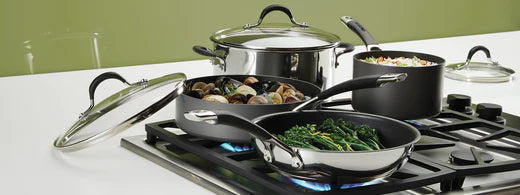
Essential features of a good cookware
2 Items
How Nonstick Cookware Promotes Healthier Eating Habits
2 Items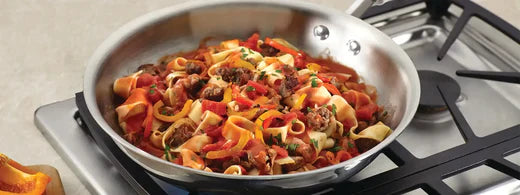
How Steel Cookware has replaced Aluminium Cookware in India 2022
2 Items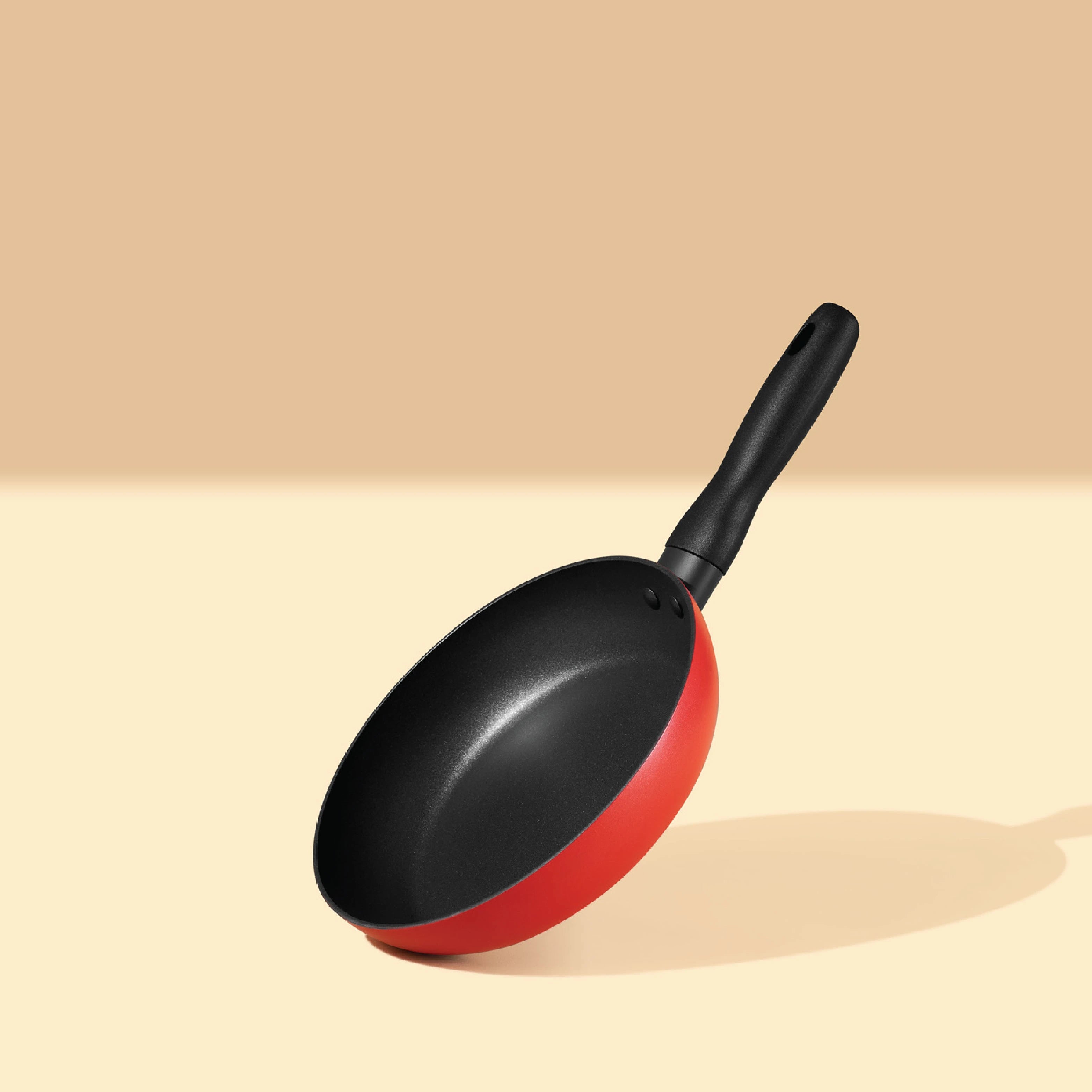


Leave a comment