



You take out your cast iron pan, ready to cook, and there it is—a reddish-brown patch staring back at you.
Rust.
It’s a moment that worries many home cooks. Has the pan been ruined? Is it still safe to use? Do you need to start from scratch?
The truth is reassuring—rust on cast iron is common, and in most cases, completely fixable.
What matters is how you remove it. Done correctly, you can clean the rust without stripping away all the seasoning you’ve worked hard to build. Done carelessly, you might end up resetting the pan entirely.
This guide will walk you through a careful, effective way to remove rust while preserving as much of your seasoning as possible—so your pan gets back to cooking, not starting over.
Table of Contents
- 1. Why Does Cast Iron Rust in the First Place?
- 2. Is Rusted Cast Iron Safe to Use?
- 3. Understanding the Balance
- 4. Step-by-Step: How to Remove Rust Without Damaging Seasoning
- 5. What to Avoid While Removing Rust
- 6. How to Restore Performance After Rust Removal
- 7. Preventing Rust in the Future
- 8. Modern Cast Iron
- 9. When Does Rust Require Full Re-Seasoning?
- 10. Conclusion
Why Does Cast Iron Rust in the First Place?
Cast iron is naturally prone to rust because it is made of iron, which reacts with moisture and oxygen.
Seasoning acts as a protective barrier, but when that layer is compromised, rust can begin to form.
This usually happens due to:
· Leaving the pan wet after washing
· Soaking it in water for too long
· Storing it in a humid environment
· Skipping the post-wash oiling step
Even a well-maintained pan can develop rust occasionally, especially in Indian kitchens where humidity levels can fluctuate.

Is Rusted Cast Iron Safe to Use?
Yes, rust itself is not toxic, but it is not something you want in your food.
The good news is that rust on cast iron is surface-level in most cases, which means it can be removed and the pan can be restored safely.
The key is to act early and clean it properly.
Understanding the Balance: Cleaning vs Preserving Seasoning
When removing rust, the goal is not to aggressively scrub the entire pan.
Instead, you want to:
· Target only the rusted areas
· Preserve the intact seasoning around it
· Rebuild protection where needed
This balanced approach saves time and maintains the performance of your cookware.
Step-by-Step: How to Remove Rust Without Damaging Seasoning
Start by assessing the severity of the rust. If it’s light and patchy, you can fix it easily without affecting the entire pan.
Begin with a gentle scrub. Use a soft scrubber or a non-abrasive pad to work on the rusted spots. Add a little warm water and lightly rub the affected area. In many cases, this is enough to lift early-stage rust.
If the rust is slightly stubborn, you can use a mild abrasive like salt. Sprinkle some coarse salt on the rusted area and scrub gently using a cloth or sponge. Salt helps remove rust without being overly harsh on the surrounding seasoning.
For more persistent rust, a small amount of vinegar can be used—but with caution. Apply it only to the rusted area and let it sit briefly, no more than a few minutes. Vinegar is acidic and can strip seasoning if left too long, so it should never be used as a soak for this purpose.
Once the rust is removed, rinse the pan quickly and dry it immediately. This step is critical. Any leftover moisture can restart the rusting process.
Place the pan on low heat for a few minutes to ensure it is completely dry.
Now comes the recovery step. Apply a very thin layer of oil to the entire pan and heat it gently. This helps rebuild the protective layer where rust was removed and blends it with the existing seasoning.
If the affected area was larger, repeating this oiling and heating process once or twice more will restore the surface effectively.
What to Avoid While Removing Rust
One of the biggest mistakes people make is over-cleaning. Using harsh scrubbers or steel wool aggressively across the entire surface can strip away all the seasoning, forcing you to start from scratch.
Another common mistake is soaking the pan in vinegar or water for extended periods. While this may remove rust faster, it also removes the protective layer you want to preserve.
Ignoring the drying step is equally risky. Even a small amount of moisture left behind can cause rust to return quickly.
The goal is always controlled, targeted cleaning—not aggressive stripping.
How to Restore Performance After Rust Removal
Once the rust is gone and the pan is lightly re-seasoned, it’s important to rebuild its performance gradually.
Start cooking with simple, oil-based dishes. This helps strengthen the seasoning layer naturally.
Avoid cooking acidic foods immediately after rust removal, as the surface may still be sensitive.
With regular use and proper care, the pan will regain its smooth texture and non-stick performance.
Preventing Rust in the Future
Rust prevention is all about consistency.
After every wash, drying the pan completely is essential. Applying a light coat of oil helps maintain the protective layer.
Avoid leaving the pan wet or storing it in damp conditions. If your kitchen tends to be humid, storing the pan in a dry space or keeping a paper towel inside can help absorb moisture.
Using the pan regularly is also beneficial. Frequent cooking actually strengthens the seasoning and reduces the chances of rust forming.
Modern Cast Iron: Built for Better Durability
Today’s cast iron cookware is designed to make maintenance easier.
For instance, Meyer cast iron cookware comes with pre-seasoned surfaces and improved finishing, which helps reduce the chances of rust when cared for properly.
The smoother surface allows better oil bonding and more consistent seasoning, making it easier to maintain over time.
However, even with modern improvements, the fundamentals remain the same—proper care is key to keeping cast iron rust-free and high-performing.
When Does Rust Require Full Re-Seasoning?
If rust covers a large portion of the pan or has penetrated deeply, a full reset may be necessary.
In such cases, removing all rust and re-seasoning the entire pan ensures even performance.
But for most everyday rust spots, targeted cleaning and light re-seasoning are more than enough.
Conclusion: Restore, Don’t Replace
Rust on cast iron may look alarming, but it is rarely the end of your cookware.
With the right approach, you can remove rust gently, preserve your seasoning, and restore your pan without starting over.
A little care, a little patience, and the right technique can bring your cast iron back to life—ready to deliver the same rich flavours and reliable performance.
And when you invest in well-crafted cookware like Meyer cast iron, maintaining it becomes even easier, ensuring your pan stays a trusted part of your kitchen for years to come.
MORE FROM BLOG
Top Collections
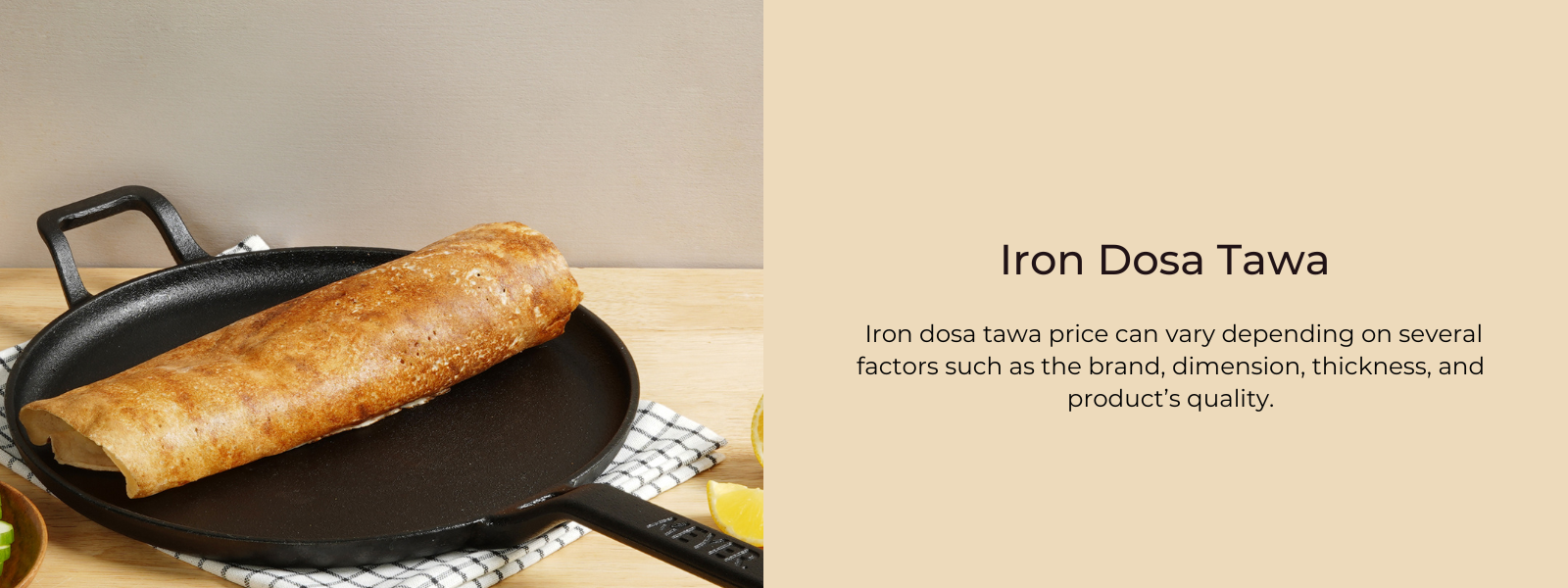
Best Iron Dosa Tawa Price: Pre-seasoned Cast Iron Tawa at a Special Rate
2 Items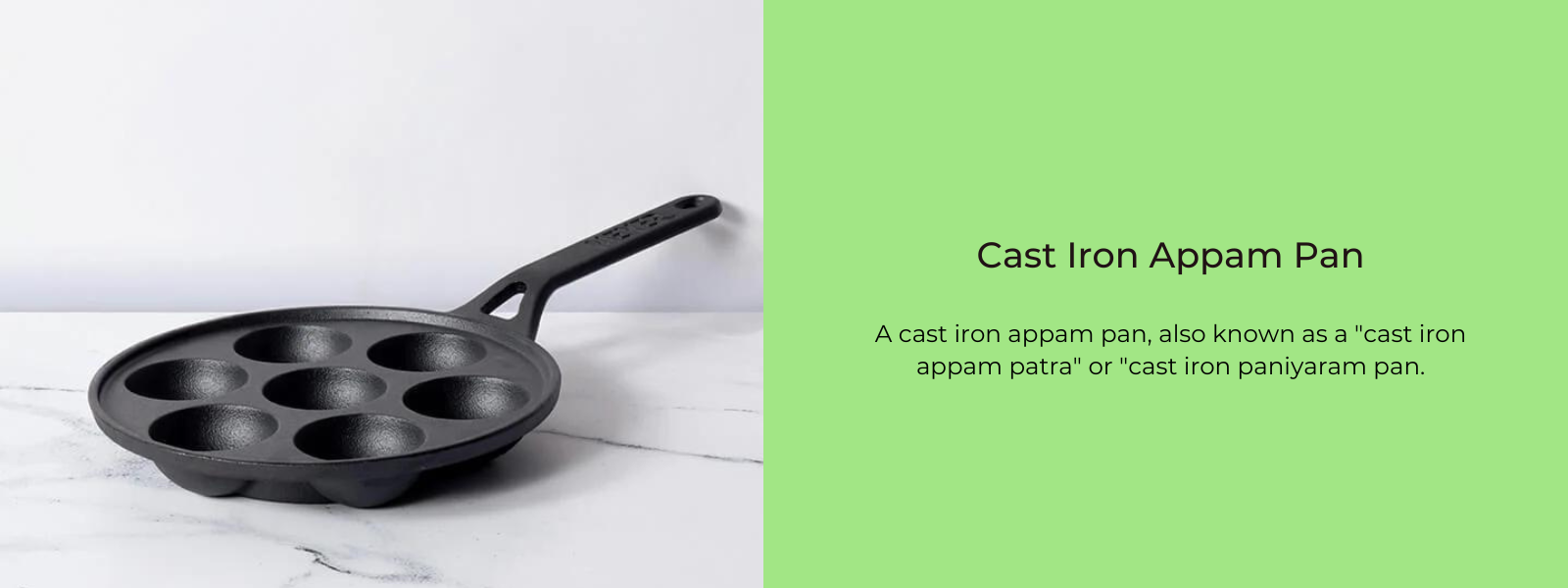
Cast Iron Appam Pan: Cookware That Lasts For Lifetime
2 Items
Cast Iron Cookware: A Comprehensive Guide to Heat Retention
2 Items
Cast Iron Cookware: Best Practices for Cleaning and Storage
2 Items
Cast Iron Cookware for Camping: Everything You Need to Know
2 Items


Leave a comment