



Old cookware doesn’t always need replacing—much of it can be restored with the right approach. Over time, pans and pots may develop stains, rust, discoloration, or lose their original finish. While this can affect appearance and performance, many of these issues are reversible with a bit of effort and the right techniques.
Restoring cookware at home is not just cost-effective; it also helps you get more value from high-quality pieces that are built to last. This guide walks you through how to revive different types of cookware safely and effectively.
Table of Contents
- 1. Why Cookware Deteriorates Over Time
- 2. Restoring Cast Iron Cookware
- 3. Restoring Stainless Steel Cookware
- 4. Restoring Aluminium Cookware
- 5. Can Non-Stick Cookware Be Restored?
- 6. Deep Cleaning vs Restoration
- 7. Essential Tools and Ingredients for Restoration
- 8. Common Mistakes to Avoid
- 9. When to Restore vs When to Replace
- 10. Does Quality Cookware Restore Better?
- 11. Final Thoughts
Why Cookware Deteriorates Over Time
Before restoring cookware, it helps to understand what causes wear:
-
Repeated exposure to high heat
-
Oil and food residue buildup
-
Moisture leading to rust or oxidation
-
Improper cleaning or storage
-
Natural aging of coatings
Each material reacts differently, so restoration methods should be tailored accordingly.

Restoring Cast Iron Cookware
Cast iron is one of the easiest cookware types to restore, even if it looks heavily worn or rusted.
Step 1: Remove Rust and Old Residue
-
Scrub the pan using a brush or steel wool to remove rust and buildup
-
Wash with warm water and mild soap
Step 2: Dry Completely
-
Wipe the pan dry
-
Heat it on a stovetop to remove any remaining moisture
Step 3: Re-season the Pan
Seasoning restores the protective layer through polymerization.
-
Apply a thin layer of oil across the entire surface
-
Wipe off excess oil
-
Heat in an oven at high temperature for about an hour
-
Let it cool slowly
Repeat the process 2–3 times for best results.
Result
The pan regains a smooth, naturally non-stick surface and is protected from rust.
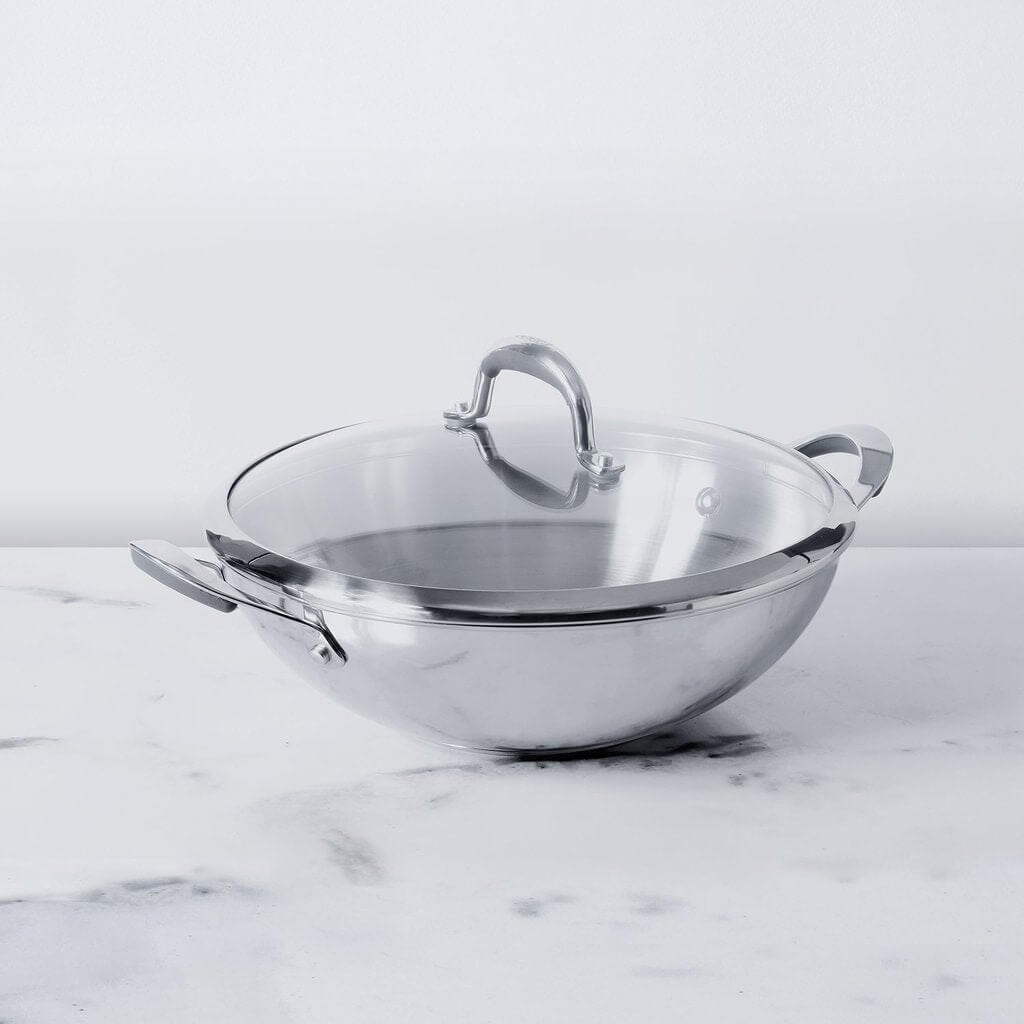
Restoring Stainless Steel Cookware
Stainless steel is highly durable and usually needs only deep cleaning rather than full restoration.
Removing Burnt Stains
-
Boil water in the pan
-
Add baking soda and let it simmer
-
Scrape gently with a soft utensil
Removing Discoloration
-
Use a mixture of vinegar and water
-
Wipe the surface with a soft cloth
Removing Grease Buildup
-
Apply a baking soda paste
-
Gently scrub and rinse
Result
The cookware regains its shine and even heating performance.
Restoring Aluminium Cookware
Aluminium can become dull, stained, or discolored over time, but it can still be refreshed.
Removing Discoloration
-
Boil water with lemon juice or vinegar
-
Let it simmer and then rinse
Removing Burnt Residue
-
Use baking soda with water
-
Simmer and gently scrub
Handling Oxidation
-
Clean with a mild acidic solution
-
Rinse and dry immediately
Result
The surface looks cleaner and brighter, though some deep marks may remain cosmetic.
Can Non-Stick Cookware Be Restored?
Non-stick cookware is the exception.
Once the coating is significantly damaged, scratched, or worn out, it cannot be fully restored. Unlike cast iron, it does not develop a new surface through seasoning.
However, you can improve performance temporarily:
-
Deep clean to remove residue buildup
-
Avoid high heat and use a little oil
-
Use only soft utensils
If the coating is peeling or food sticks consistently, replacement is the safest option.
Deep Cleaning vs Restoration
It’s important to distinguish between cleaning and restoration.
-
Cleaning removes stains and residue
-
Restoration repairs or rebuilds the surface (like re-seasoning cast iron)
Most cookware only needs deep cleaning, while materials like cast iron benefit from full restoration.
Essential Tools and Ingredients for Restoration
You don’t need specialized products. Most restoration can be done with:
-
Baking soda
-
Vinegar
-
Lemon juice
-
Mild dish soap
-
Soft sponges and brushes
-
Cooking oil
These are safe, effective, and easily available in any kitchen.
Common Mistakes to Avoid
-
Using harsh chemicals unnecessarily
-
Scrubbing delicate surfaces aggressively
-
Skipping the drying step
-
Applying too much oil during seasoning
-
Expecting non-stick cookware to be fully restorable
Careful, patient cleaning works better than force.
When to Restore vs When to Replace
Restore your cookware if:
-
It has stains, rust, or discoloration
-
Performance has slightly declined
-
The structure is intact
Replace cookware if:
-
There are cracks or structural damage
-
Non-stick coating is peeling
-
The base is severely warped
Knowing the difference saves both time and effort.
Does Quality Cookware Restore Better?
Yes. High-quality cookware is easier to restore and responds better to cleaning techniques.
Well-crafted cookware from brands like Meyer is designed with durable materials that withstand repeated use and restoration, making it a long-term investment.
Final Thoughts
Restoring old cookware at home is a practical and rewarding process. With simple techniques and everyday ingredients, you can bring back the functionality and appearance of your pots and pans.
While not all cookware can be fully restored, many pieces can be significantly improved, extending their lifespan and performance. With proper care and maintenance, your cookware can continue to serve you well for years to come.
MORE FROM BLOG
Top Collections
Can One Pan Do It All? Exploring Multi-Use Cookware in 2025
2 Items
Cast Iron Cookware: A Comprehensive Guide to Heat Retention
2 Items
Cookware for Diwali: Traditional vs. Modern Choices
2 Items
Cookware for Gifting: What to Choose for Food Lovers in 2025
2 Items
Essential Cookware for Small Kitchens in 2025
2 ItemsExploring the Benefits of Cast Iron Kadai Cookware in India | Pots and Pans India
2 Items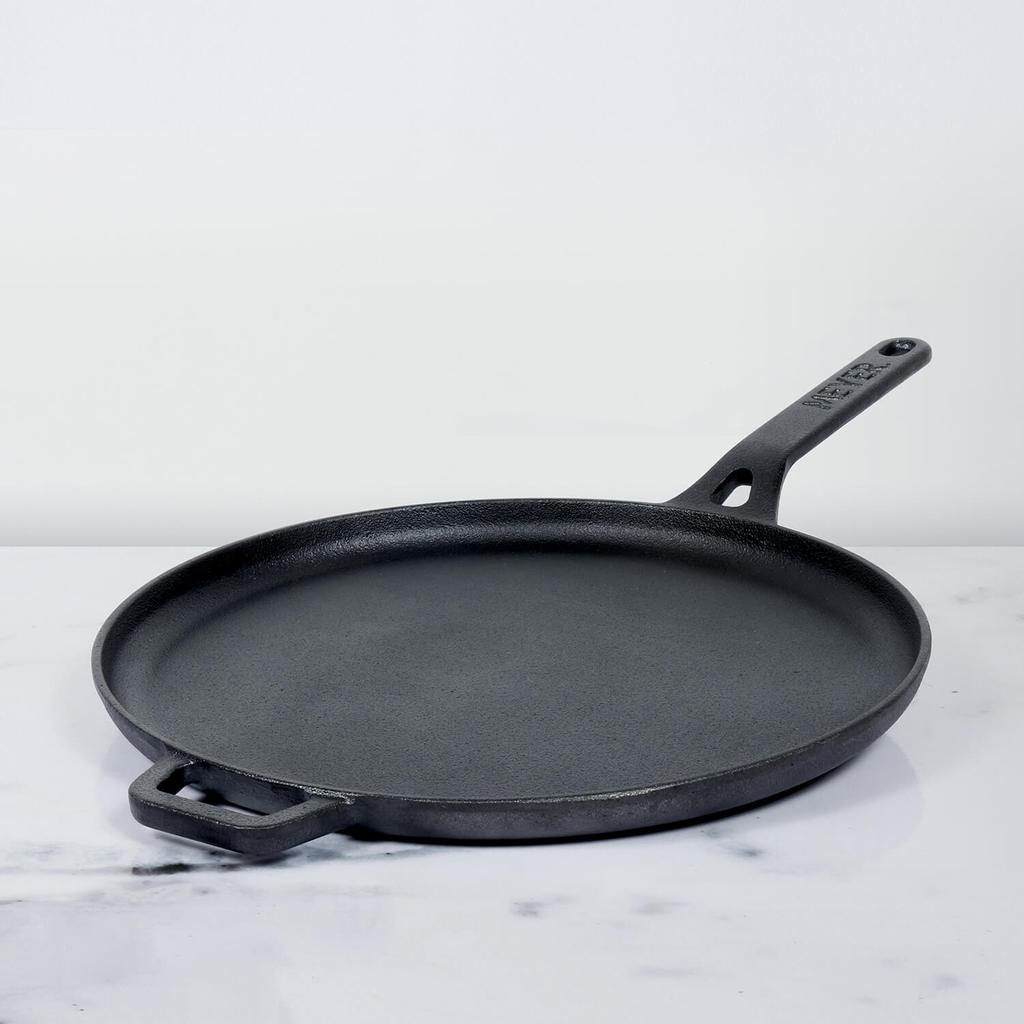


Leave a comment