



Indian kitchens are evolving—healthier recipes, conscious living, and environmentally responsible choices are becoming the norm. One of the biggest shifts many families are making today is towards sustainable cookware. Durable, toxin-free, recyclable, and energy efficient, sustainable cookware not only supports a greener planet but also enhances everyday cooking.
Whether you’re preparing dal, dry sabzis, curries, rotis, idlis, or breakfast dishes, choosing the right sustainable cookware can transform your kitchen routine. This guide explains how to make the switch effectively, what materials to look for, and how options like cast iron, ceramic, and stainless steel—including modern innovations from Meyer—fit beautifully into Indian homes.
Table of Contents
Why Switch to Sustainable Cookware?
1. Long-Term Durability
Sustainable cookware is built to last decades, not months. Materials like cast iron and tri-ply stainless steel withstand high heat, everyday wear, and Indian cooking methods such as tadka, bhuna, or deep frying.
2. Health and Safety
Eco-friendly cookware is free from harmful coatings, plastics, and chemicals. Options like ceramic or stainless steel offer cleaner cooking surfaces.
3. Energy Efficiency
Many sustainable materials retain heat well, reducing gas or induction usage.
4. Lower Environmental Impact
Long-lasting, recyclable materials reduce landfill burden and minimize the need for frequent replacements.

Best Types of Sustainable Cookware for Indian Homes
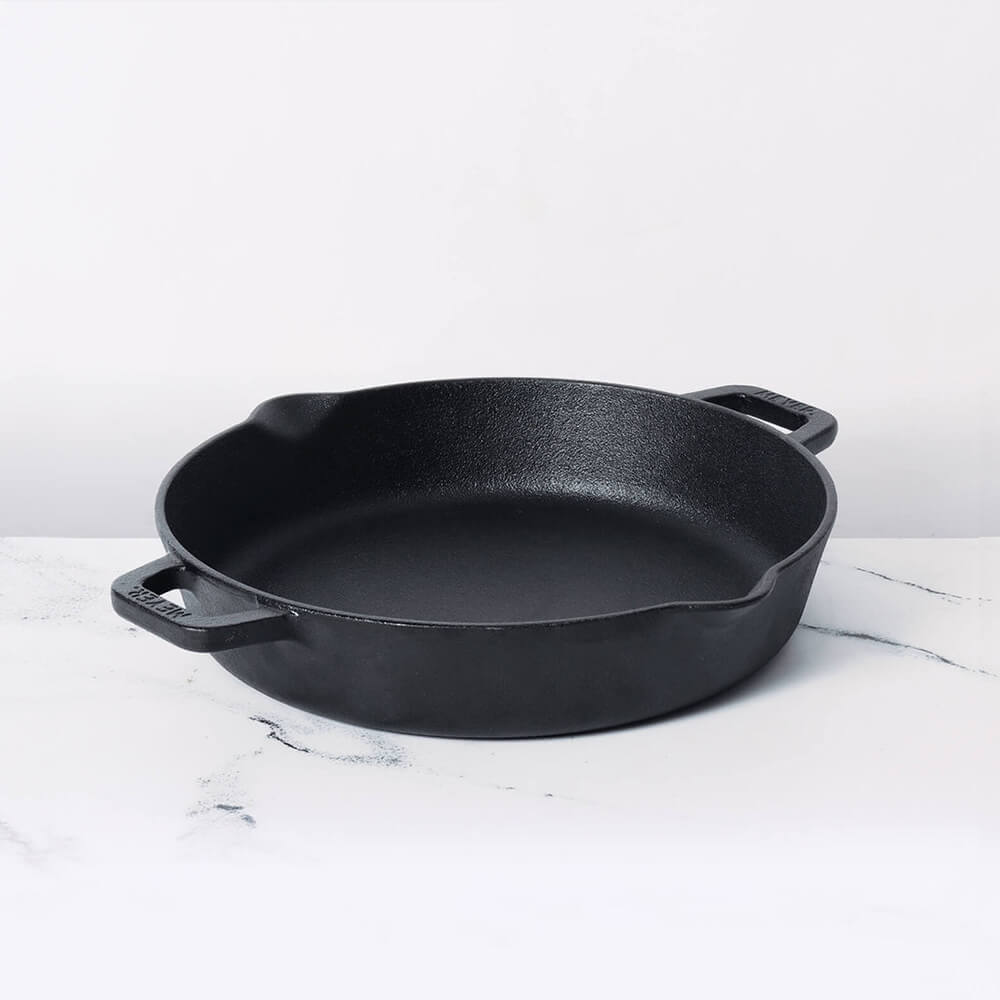
1. Cast Iron
Perfect for Indian cuisines that require high heat and rich flavours—whether it’s making rotis, dosa, paneer tikka, or aloo fry.
Benefits
- Naturally non-stick after seasoning
- Adds dietary iron
- Excellent heat retention
- Long life
Where It Fits
-
Tawa for rotis and parathas
-
Skillets for stir-fries and aloo sabzi
-
Dutch ovens for dal, curries, and biryanis
2. Ceramic Cookware
Ceramic cookware is becoming extremely popular among health-focused Indian households. The Meyer Anzen ceramic range is especially well-loved for its toxin-free construction and smooth cooking performance.
Benefits
-
100% safe, PFAS-free cooking surface
-
Ideal for low-oil Indian recipes
-
Even heating and easy release
-
Lightweight yet durable
Where It Fits
-
Upma, poha, and oat dishes
-
Vegetable sabzis
-
Light curries and gravies
-
Pasta, noodles, and fusion Indian cooking
Ceramic cookware is perfect for families who want healthy, oil-free cooking without worrying about chemical coatings.
Tri-ply construction (stainless steel + aluminum core + stainless steel) is extremely energy efficient and durable. It’s suitable for nearly all Indian dishes.
Benefits
-
No chemical coatings
-
Strong, warp-resistant structure
-
Even heat distribution
-
Suitable for daily cooking
Where It Fits
- Dal, rajma, chole
- Bhuna-based curries
- Saag, paneer dishes
- Pulao, khichdi, and rice
Tri-ply stainless steel pans heat evenly, preventing burning of masalas during sautéing.
Enamelled cookware offers the performance of cast iron with the convenience of a non-reactive, easy-to-clean surface.
Benefits
- No seasoning required
- Retains heat beautifully
- Perfect for slow cooking
Where It Fits
-
Kadhis, kormas, koftas
-
Dum biryani
-
Deep frying snacks
Meyer 26cm Tri-Ply Stainless Steel Tope With Lid
How to do Transition to Sustainable Cookware Smoothly
1. Replace One Item at a Time
Start with your most-used pan—typically a tawa, kadhai, or frypan. This avoids major upfront investment and helps you adjust to new materials.
2. Choose According to Your Cooking Style
- If you cook roti daily → Cast iron tawa
- If you sauté masalas often → Tri-ply steel kadhai
- If you prefer light cooking → Meyer Anzen ceramic frypan
- If you slow-cook curries → Enamelled cast iron dutch oven
3. Prioritize Multi-Use Cookware
Opt for pans that work across dishes—such as a tri-ply sauté pan or a cast iron skillet.
4. Learn Proper Care Techniques
Care is key to longevity:
-
Season cast iron regularly
-
Use soft sponges for ceramic surfaces
-
Heat stainless steel correctly to avoid sticking
5. Avoid Cheap, Disposable Options
Low-cost non-stick pans often have short lifespans and harmful coatings—switching away from them is a major step toward sustainability.
Benefits of Using Sustainable Cookware in Indian Kitchens
- Better flavours due to even heating
- Healthier meals with less dependency on coatings
- Lower gas bills when using heat-retaining metals
- Reduced waste from not replacing pans frequently
- A toxin-free cooking space, especially with ceramic cookware like Meyer Anzen
Conclusion
Switching to sustainable cookware is not just a trend—it’s a smart, long-term investment in your health, your kitchen, and the environment. Whether you choose cast iron, tri-ply stainless steel, enamelled cookware, or modern options like Meyer Anzen ceramic pans, each step brings you closer to a greener, safer, healthier cooking routine.
A thoughtfully chosen cookware set can last generations, elevate everyday Indian meals, and drastically reduce environmental impact. Start small, choose wisely, and build a kitchen that reflects both your culinary needs and your commitment to sustainability.
MORE FROM BLOG
Top Collections
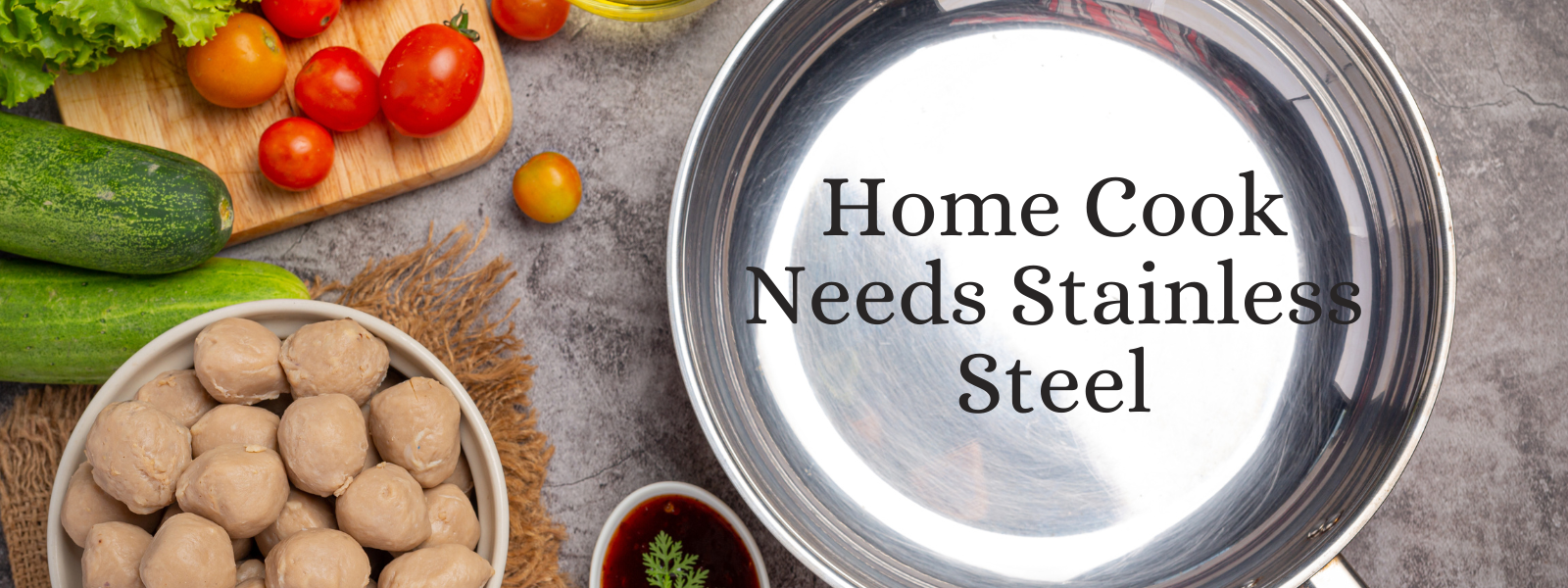
5 Reasons Why Every Home Cook Needs Stainless Steel Pots
2 Items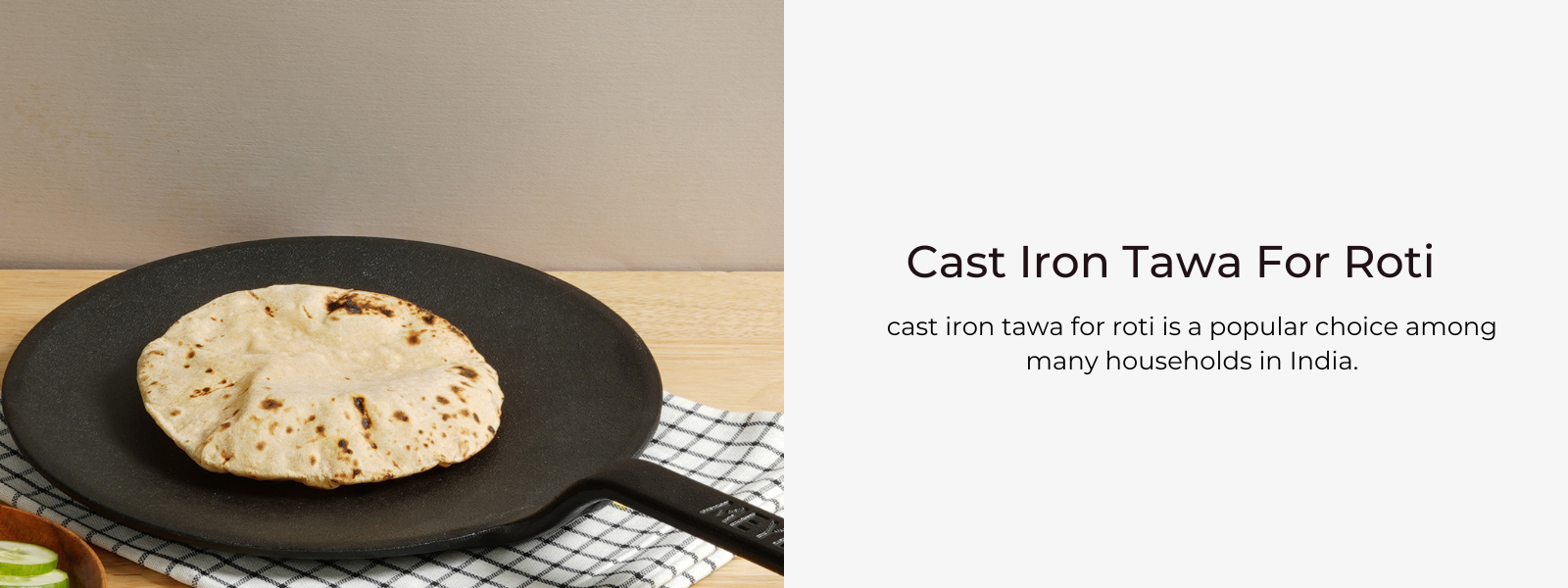
Best Cast Iron Tawa For Roti In India For Easy Cooking
2 Items
Best Cookware for Special Diwali Recipes
2 Items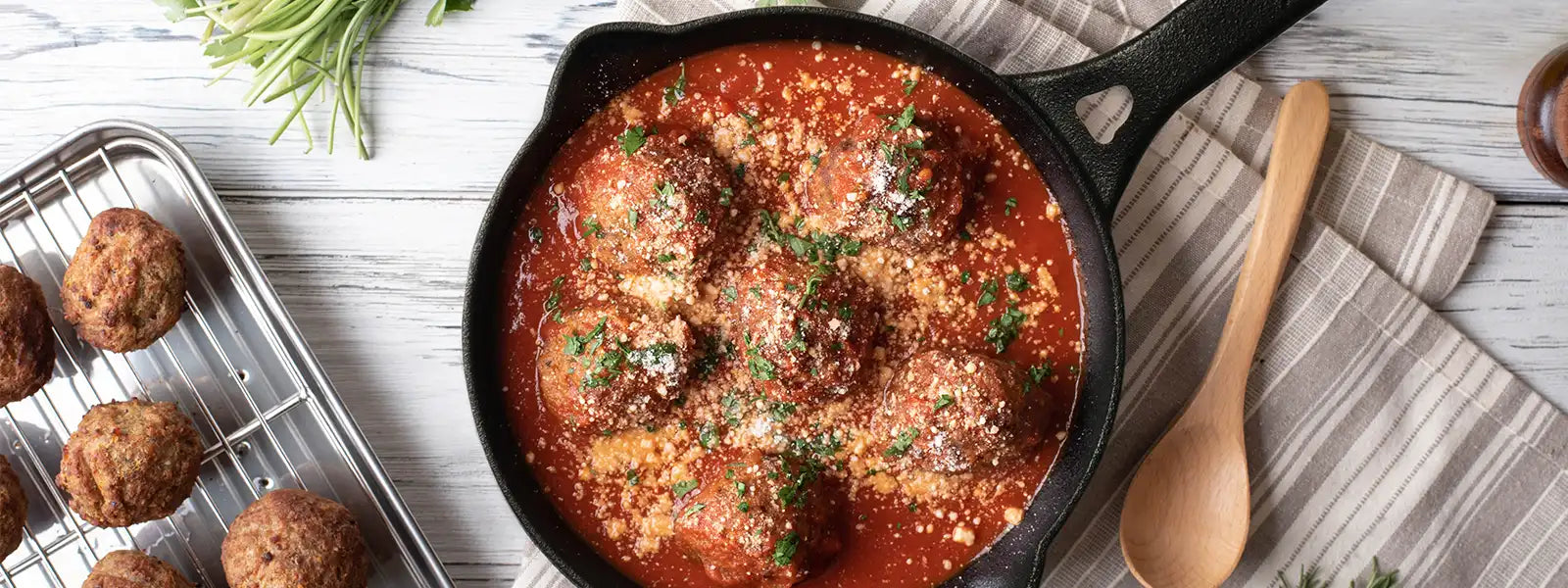
Cast iron cookware for Indian Curries
2 Items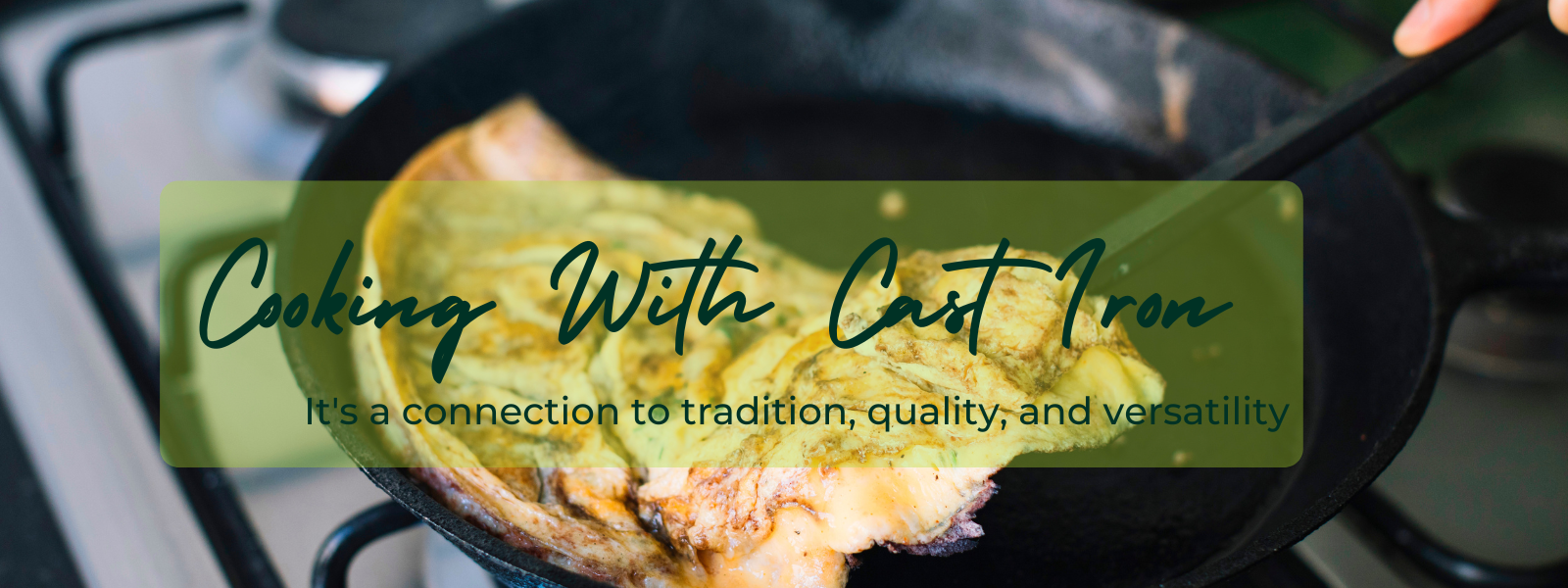
Cast Iron Cookware: The Benefits of Cooking with Tradition
2 Items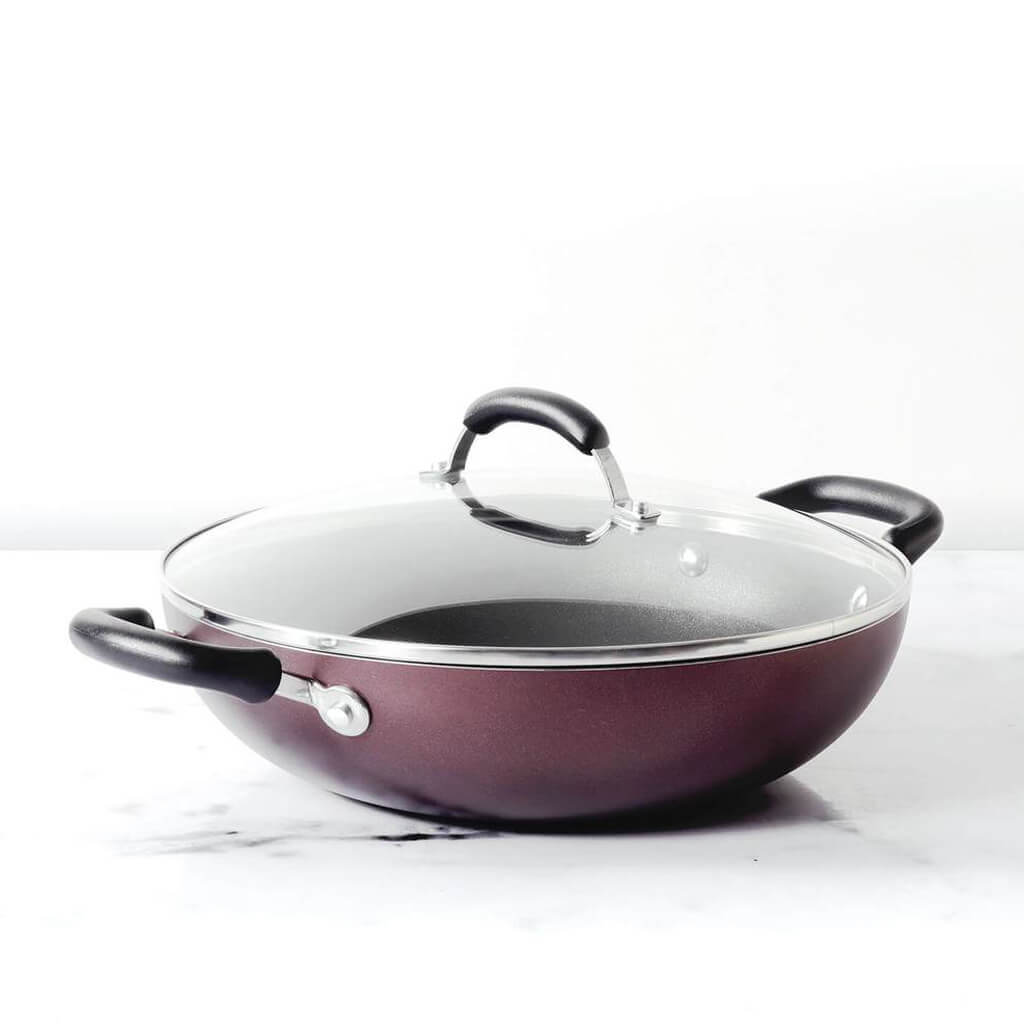


Leave a comment