



Tadka, or tempering, is one of the most defining techniques in Indian cooking. It is that magical moment when hot oil meets whole spices, instantly releasing deep, complex aromas that elevate even the simplest dish. Whether poured over dal, mixed into sabzi, or finished into kadhi, tadka adds a layer of flavour that feels both comforting and indulgent. However, despite its simplicity, tadka is also one of the easiest processes to get wrong. A few seconds of excessive heat or a slight delay in timing can cause spices to burn, turning the entire dish bitter and overpowering.
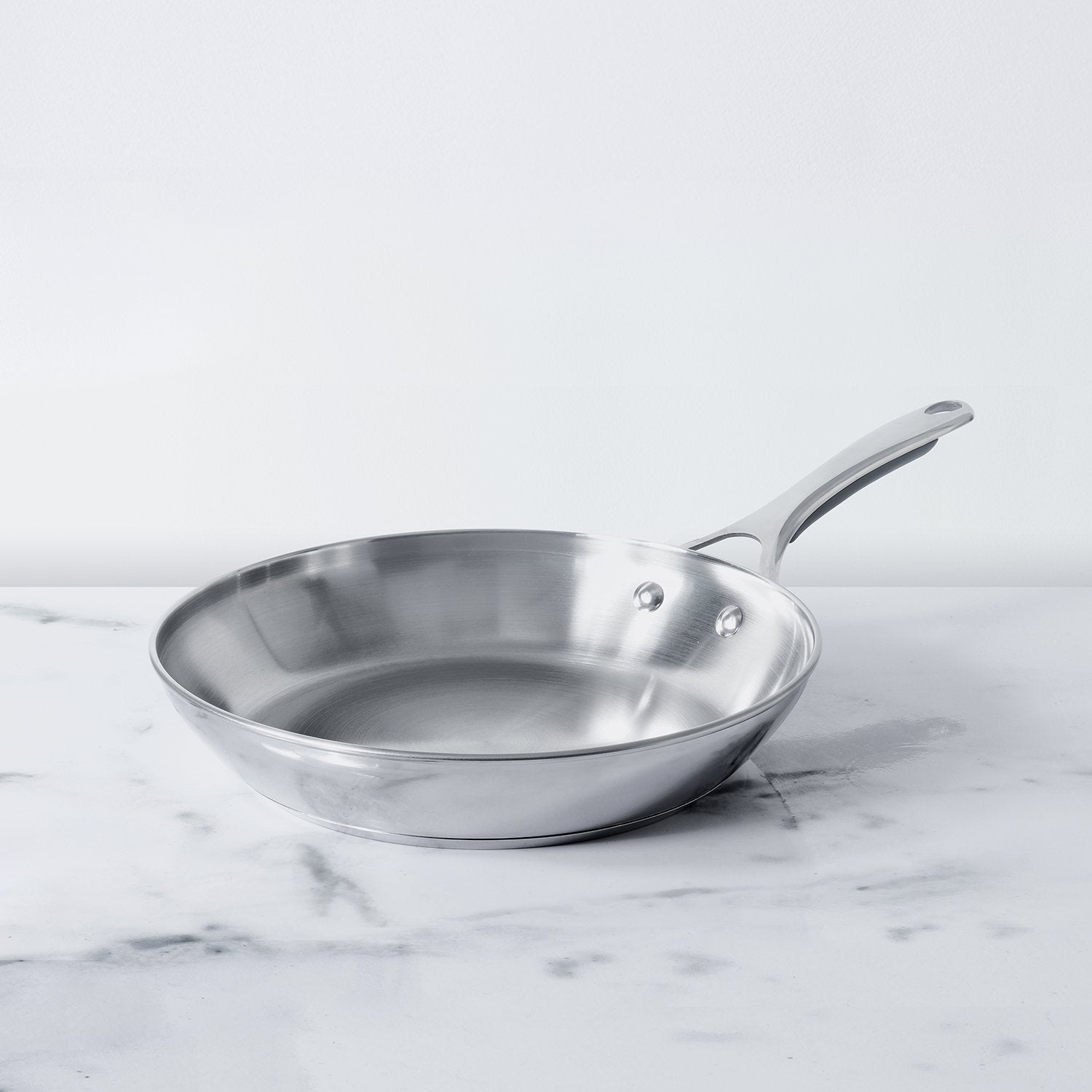
The key to mastering tadka lies in understanding the delicate balance between heat, timing, and cookware. Using a pan that offers precise heat control—like the Meyer Trivantage Tri-Ply Stainless Steel Fry Pan—can make this process far more predictable and rewarding.
Table of Contents
Why Spices Burn During Tadka
Spices are naturally delicate and highly sensitive to heat. When they are added to hot oil, they begin to release their essential oils almost instantly, which is what creates that rich, fragrant aroma we associate with good tadka. However, this transformation happens within seconds, and if the oil is even slightly too hot, the same spices can go from perfectly bloomed to burnt.
Burning occurs because spices have very little moisture content, which means they don’t take long to overheat. In a pan that heats unevenly, certain areas may become much hotter than others, causing some spices to burn while others remain undercooked. This uneven cooking not only affects flavour but also disrupts the balance of the dish.

Understanding the Right Heat for Tadka
There is a common misconception that tadka requires extremely high heat, but in reality, it requires controlled, steady heat. The goal is not to shock the spices with intense heat, but to gently coax out their aroma and flavour.
When oil is overheated, spices react too aggressively. Mustard seeds may splutter violently and burn before they fully crack, cumin seeds can turn dark and bitter within seconds, and garlic can go from golden to charred almost instantly. On the other hand, when the heat is well-regulated, spices bloom gradually, releasing their flavour in a more balanced and nuanced way.
This is where cookware plays a crucial role. A pan that distributes heat evenly ensures that the entire cooking surface remains at a consistent temperature, reducing the risk of sudden burning.
Why Choosing the Right Pan Matters
The type of pan you use has a direct impact on how your tadka turns out. Thin or poorly constructed pans tend to heat unevenly, creating hot spots that make it difficult to control the cooking process. In such cases, even if you’re careful with timing, the spices may burn unpredictably.
The Meyer Trivantage Tri-Ply Stainless Steel Fry Pan is specifically designed to address these challenges. Its tri-ply construction—featuring an aluminium core sandwiched between layers of stainless steel—ensures that heat is distributed evenly across the entire surface of the pan.
This even heating allows you to maintain better control over the cooking process. The pan responds quickly to changes in flame intensity, making it easier to adjust heat as you move from one ingredient to the next. This level of precision is especially important for tadka, where every second counts.
Step-by-Step: How to Make Perfect Tadka
Tempering spices is a quick process, but it requires preparation and attention. Each step flows into the next, and having everything ready beforehand ensures a smooth experience.
Start with the Right Oil
The choice of oil or fat sets the foundation for your tadka. Ghee adds richness and depth, while oils like mustard or groundnut bring their own distinctive flavour profiles. Once added to the pan, the oil should be heated gently, allowing it to warm up gradually rather than rapidly.
As the oil heats, you’ll notice a slight shimmer forming on the surface. This is your cue that it’s ready. If the oil begins to smoke heavily, it has already crossed the ideal temperature and needs to cool slightly before you proceed.
Add Whole Spices First
Whole spices such as mustard seeds and cumin seeds are the starting point of most tadkas. These spices require slightly higher heat to release their flavour, which is why they go in first.
When added to properly heated oil, mustard seeds will begin to crackle and pop gently, while cumin seeds will release a warm, earthy aroma. In a pan with even heat distribution, these spices cook uniformly, ensuring that none of them burn prematurely.
Introduce Aromatics Carefully
Once the whole spices have bloomed, the next step is to add aromatics like garlic, ginger, or green chillies. These ingredients contain more moisture and cook quickly, so it’s important to slightly reduce the heat at this stage.
Garlic, in particular, requires careful attention. It should turn a light golden colour, releasing a sweet, nutty aroma. If the heat is too high, it can darken too quickly and develop a bitter taste.
Add Powdered Spices at the End
Powdered spices such as turmeric, red chilli powder, and asafoetida (hing) are the most delicate and should be added last. These spices need very little cooking time and can burn almost instantly if exposed to high heat.
In many cases, it’s best to switch off the heat before adding them, allowing the residual warmth of the pan to gently cook the spices. This preserves their flavour and prevents any bitterness.
Use Immediately for Best Results
Tadka is at its peak flavour the moment it is prepared. Allowing it to sit in the pan for too long can cause the spices to overcook due to residual heat. Pouring it immediately over your dish ensures that the flavours remain fresh, vibrant, and perfectly balanced.
Common Mistakes to Avoid
Many tadka-related issues stem from small but impactful mistakes. Heating oil until it smokes, adding all spices at once without considering their cooking time, or using high heat throughout can all lead to burnt flavours. Delays between steps or using cookware that doesn’t distribute heat evenly further increase the chances of failure.
Being mindful of these details can significantly improve your results and make the process more enjoyable.
Why Meyer Trivantage Fry Pan Enhances Tadka
The Meyer Trivantage Tri-Ply Stainless Steel Fry Pan is built for precision cooking, making it an excellent choice for tadka. Its tri-ply construction ensures that heat is evenly distributed, eliminating hot spots and allowing spices to cook uniformly.
The pan’s responsiveness to heat adjustments means you can easily control the temperature at every stage of the process. This level of control helps prevent burning and ensures that each ingredient is cooked exactly as needed.
Final Thoughts: Tadka is About Precision and Practice
Tempering spices may seem like a quick finishing step, but it is truly an art that requires attention and control. Once you understand how heat interacts with different spices and how timing influences flavour, the process becomes intuitive.
Using reliable cookware like the Meyer Trivantage Tri-Ply Stainless Steel Fry Pan adds confidence to your cooking, allowing you to focus on flavour rather than worrying about burning.
With practice, your tadka will consistently enhance your dishes—bringing out the rich, aromatic essence that defines Indian cuisine.
MORE FROM BLOG
Top Collections
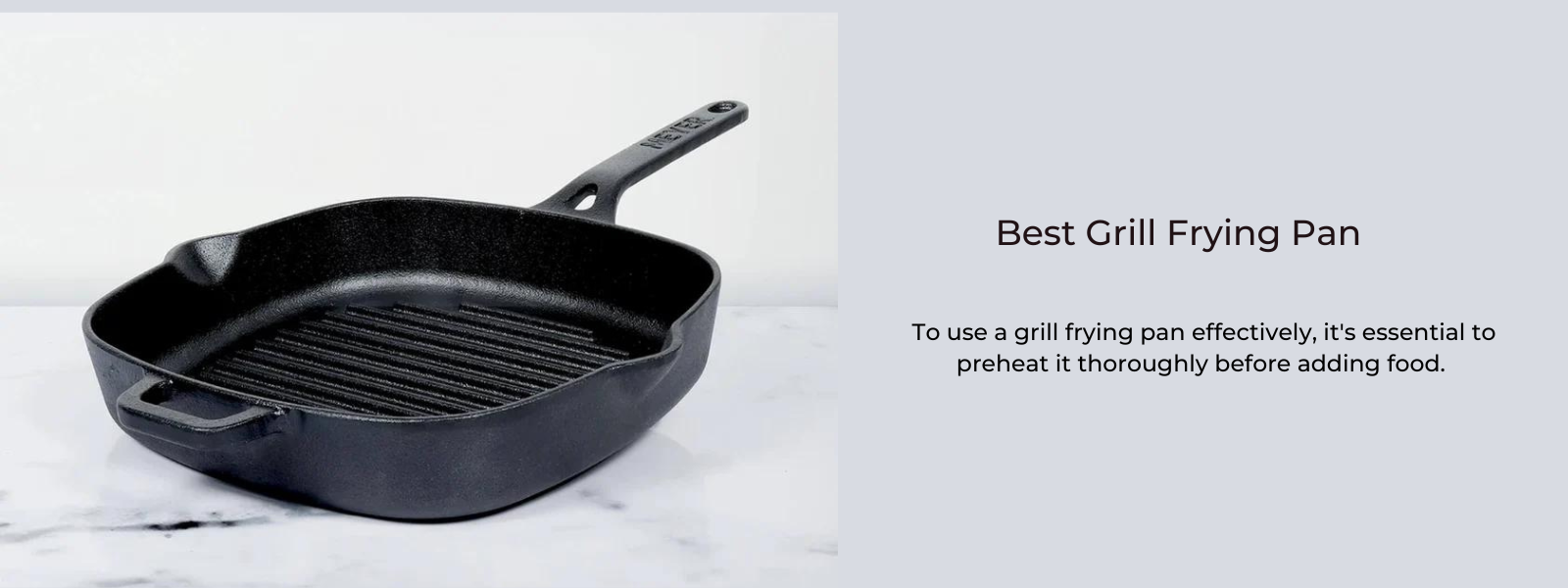
Best Grill Frying Pan For Grill Marks
2 Items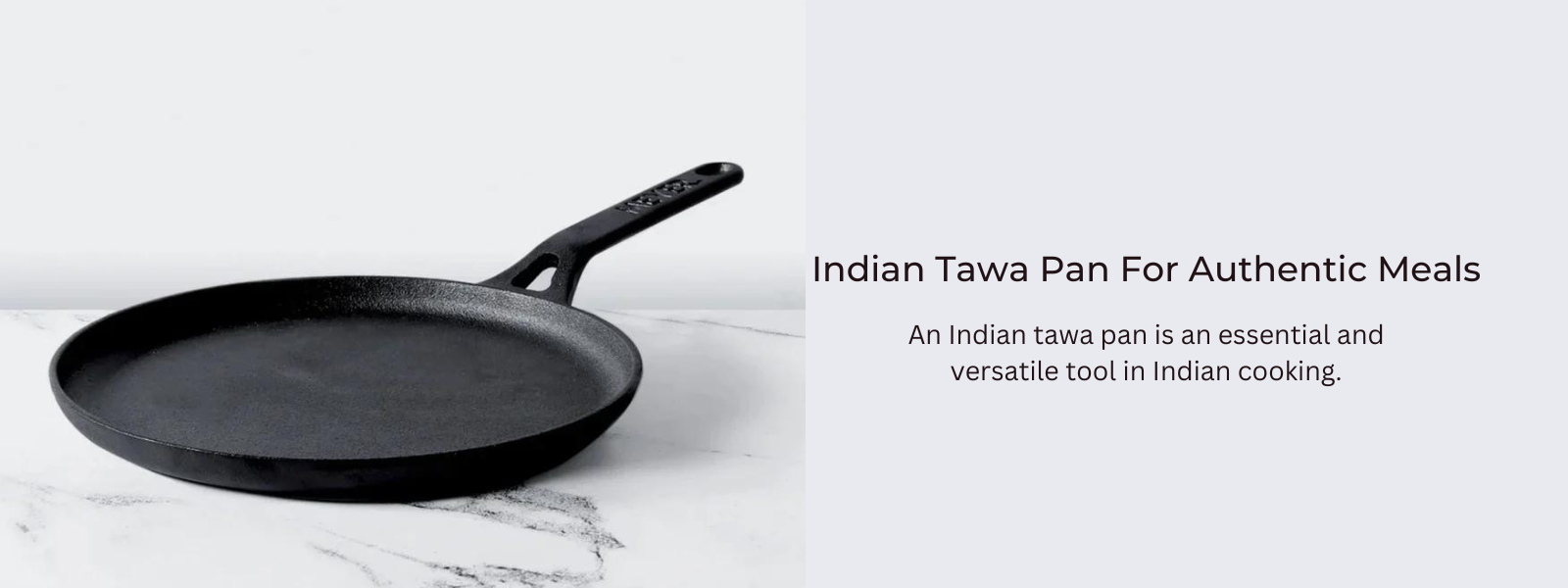
Indian Tawa Pan For Authentic Meals
2 Items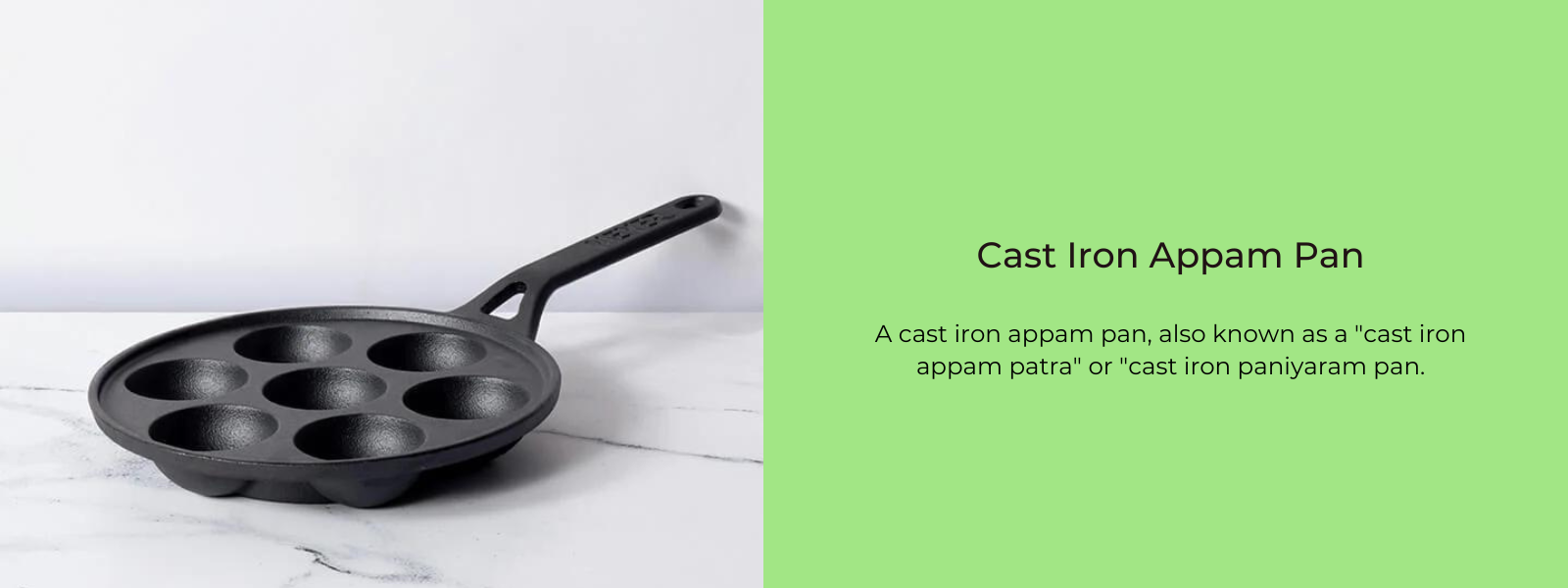
Cast Iron Appam Pan: Cookware That Lasts For Lifetime
2 Items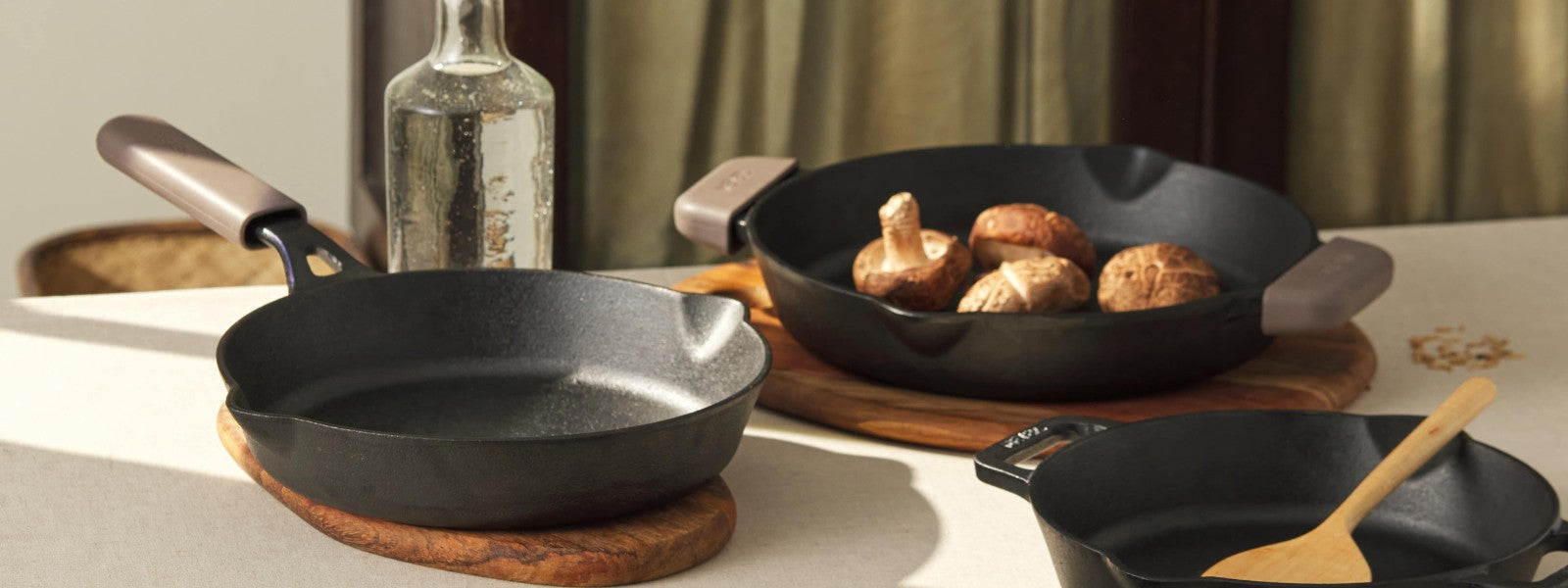
Cast Iron Frying Pans: Benefits, Uses & Maintenance Tips in India | Pots and Pans India
2 Items
Enjoy Crispy Dosas with a Cast Iron Dosa Tawa | Pots and Pans India
2 Items
Healthy Pancake Recipes for Breakfast
2 Items
How to care for and maintain Stainless Steel Pans
2 Items


Leave a comment