



When investing in quality cookware, one of the most common questions home cooks ask is, "Is cast iron better than stainless steel?" The truth is that there isn't a single winner. Both cookware materials offer distinct advantages, and the better choice depends on your cooking style, the recipes you prepare, and the level of maintenance you're comfortable with.
Cast iron is celebrated for its exceptional heat retention, natural seasoning, and rustic cooking experience, while stainless steel is appreciated for its versatility, quick response to heat, and low-maintenance design. Rather than competing with one another, they complement different cooking needs.
If you're considering Meyer Pre-Seasoned Cast Iron Cookware, understanding its unique strengths will help you decide whether it's the right addition to your kitchen.
Table of Contents
What Makes Cast Iron Unique?
Cast iron cookware has been used for centuries because of its remarkable durability and cooking performance. Made from solid iron, it is built to withstand extremely high temperatures and can last for generations with proper care.
One of its defining features is its ability to develop a natural seasoning over time. As you cook with oil, the seasoning becomes stronger, creating a smoother cooking surface and enhancing the overall cooking experience.
Meyer Pre-Seasoned Cast Iron Cookware comes pre-seasoned with 100% vegetable oil, allowing you to start cooking immediately while the seasoning continues to improve with regular use.

What Makes Stainless Steel Different?
Stainless steel cookware is valued for its clean appearance, durability, and ease of maintenance. Its non-reactive cooking surface makes it suitable for preparing a wide variety of recipes, including those containing acidic ingredients like tomatoes, vinegar, tamarind, and citrus.
Unlike cast iron, stainless steel does not require seasoning and is generally easier to clean and maintain, making it a popular choice for everyday cooking.
Heat Retention
One of cast iron's greatest strengths is its ability to retain heat.
Once heated, it stays hot for a long time, making it ideal for recipes that require steady cooking temperatures. This consistent heat helps create beautifully browned vegetables, crisp flatbreads, and evenly cooked dishes.
Stainless steel, by comparison, heats and cools more quickly, allowing greater control when recipes require frequent temperature adjustments.
Cooking Performance
Cast iron performs exceptionally well for recipes that benefit from prolonged, even heating.
It is particularly suitable for:
-
Rotis
-
Parathas
-
Dosas
-
Uttapam
-
Chillas
-
Roasted vegetables
-
Stir-fried vegetables
-
Paneer
-
Potato tikkis
-
Shallow frying
-
Deep frying
-
Baking
-
Grilling
Its excellent heat retention creates rich caramelisation and crisp textures that many home cooks appreciate.
Stainless steel is equally versatile but excels in recipes where quick heat response and precise temperature control are important.
Natural Seasoning
Unlike stainless steel, cast iron develops a naturally seasoned cooking surface.
This seasoning:
-
Improves with regular cooking.
-
Helps reduce sticking.
-
Protects the cookware.
-
Enhances cooking performance over time.
Rather than wearing out, the seasoning can be refreshed whenever needed, allowing the cookware to remain functional for decades.
Durability
Both cookware materials are extremely durable.
However, cast iron is often recognised for its ability to last generations when properly maintained.
It does not rely on synthetic coatings, so there is no coating to peel or wear away. If rust develops, it can usually be removed, and the cookware can be restored through re-seasoning.
Stainless steel is also highly durable and resistant to corrosion, making it another excellent long-term cookware choice.
Maintenance
This is one area where the two cookware materials differ significantly.
Cast iron requires:
-
Thorough drying after washing.
-
Occasional seasoning.
-
Light oiling before storage if needed.
-
Protection from prolonged moisture.
These simple habits help preserve the seasoning and prevent rust.
Stainless steel generally requires less ongoing maintenance and does not need seasoning.
Cooking Acidic Foods
Recipes containing tomatoes, tamarind, vinegar, or lemon juice can gradually affect the seasoning layer of cast iron if cooked for long periods.
Occasional cooking of acidic dishes is generally fine in a well-seasoned pan, but prolonged simmering may require re-seasoning afterwards.
Stainless steel is naturally non-reactive, making it particularly suitable for frequent cooking with acidic ingredients.
Weight and Handling
Cast iron cookware is heavier than stainless steel.
The additional weight contributes to its outstanding heat retention but may require two hands when lifting larger cookware pieces.
Some home cooks appreciate the solid feel of cast iron, while others prefer the lighter handling of stainless steel.
Longevity
Few cookware materials can match the lifespan of cast iron.
With regular use and proper care, Meyer Pre-Seasoned Cast Iron Cookware can remain a trusted part of your kitchen for decades.
Its cooking surface continues to improve with age, making it one of the few cookware materials that actually gets better over time.
Compatible with Modern Kitchens
Meyer Pre-Seasoned Cast Iron Cookware is designed for today's kitchens and is compatible with:
-
Gas stoves
-
Induction cooktops
-
Electric cooktops
-
Ovens
Its versatility allows you to prepare a wide variety of recipes using different cooking methods without changing cookware.
Who Should Choose Cast Iron?
Cast iron is an excellent choice if you:
-
Enjoy traditional cooking.
-
Frequently prepare rotis, dosas, parathas, and stir-fries.
-
Appreciate excellent heat retention.
-
Like cookware that develops a natural seasoning.
-
Want cookware that can last for generations.
-
Don't mind a little routine maintenance.
Its ability to create beautifully browned, flavourful food makes it especially rewarding for passionate home cooks.
Why Choose Meyer Pre-Seasoned Cast Iron Cookware?
Meyer Pre-Seasoned Cast Iron Cookware combines traditional craftsmanship with everyday convenience.
Crafted from premium-quality cast iron and pre-seasoned with 100% vegetable oil, it is ready to use from the very first meal. Its heavy-gauge construction provides exceptional heat retention and even cooking, while the natural seasoning continues to improve with every use.
Whether you're making crispy dosas, stuffed parathas, grilled vegetables, baked casseroles, or hearty curries, Meyer Pre-Seasoned Cast Iron Cookware delivers consistent performance and authentic cooking results.
Available in skillets, tawas, kadais, grill pans, Dutch ovens, and more, it offers a versatile cookware solution designed to become a lifelong kitchen companion.
So, Is Cast Iron Better Than Stainless Steel?
Rather than asking which cookware is universally better, it's more useful to consider which one is better for the type of cooking you do most often.
Cast iron excels in heat retention, natural seasoning, durability, and high-temperature cooking. It rewards regular use by developing an increasingly effective cooking surface and offers a traditional cooking experience that many home cooks value.
Stainless steel offers easier maintenance, quicker temperature response, and greater convenience for cooking acidic recipes.
Both are outstanding cookware materials, and many experienced cooks enjoy having both in their kitchens.
Conclusion
Cast iron and stainless steel each have their own strengths, and neither is objectively better than the other. The right choice depends on your cooking habits, preferred recipes, and maintenance preferences.
If you enjoy traditional cooking, value cookware that improves with age, and want exceptional heat retention and durability, Meyer Pre-Seasoned Cast Iron Cookware is an outstanding investment. Crafted for everyday use and designed to last for generations, it brings together timeless cooking performance with the convenience needed for modern kitchens, helping you create delicious meals for years to come.
MORE FROM BLOG
Top Collections
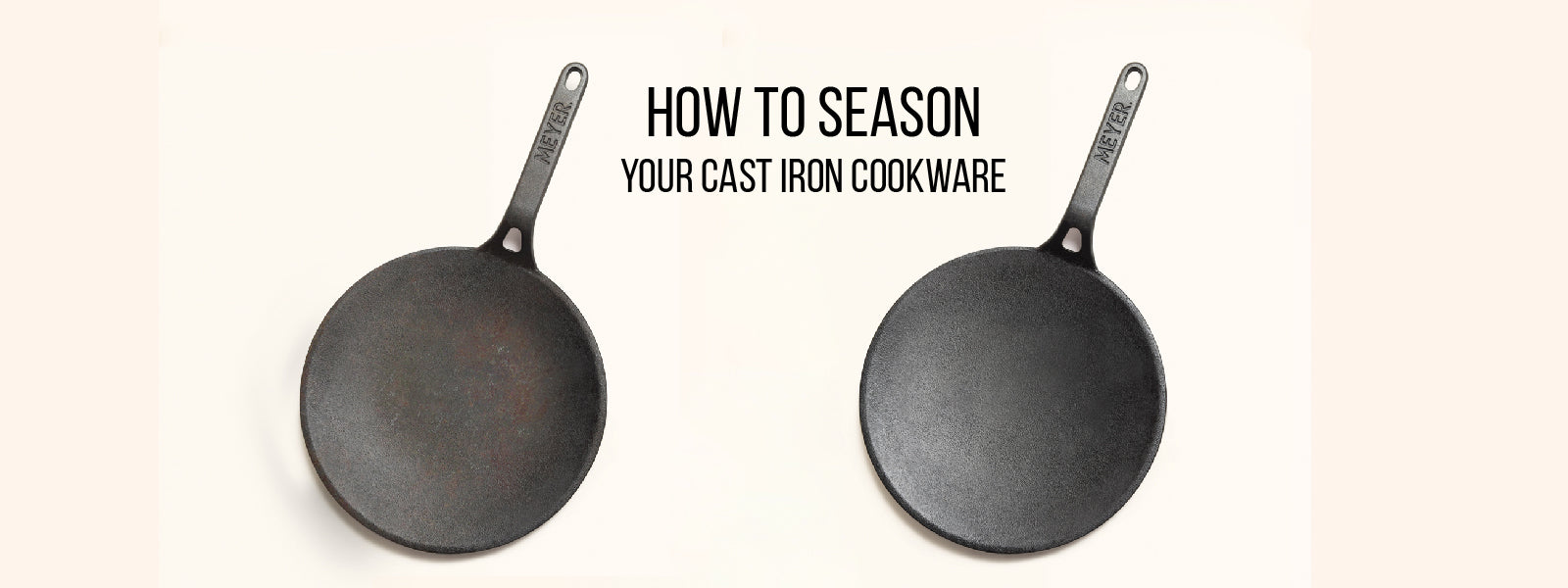
How To Season Cast Iron Cookware?
2 Items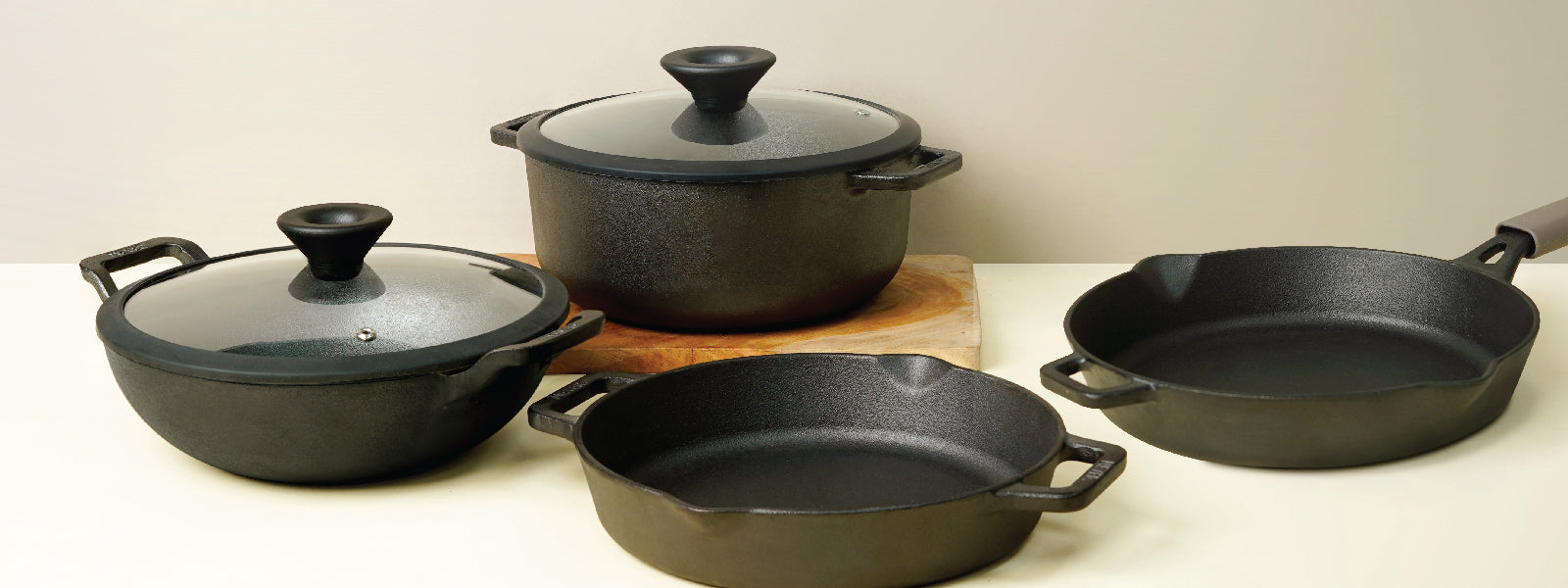
Benefits and Recipes for Cooking with a Cast Iron Kadai with Lid
2 Items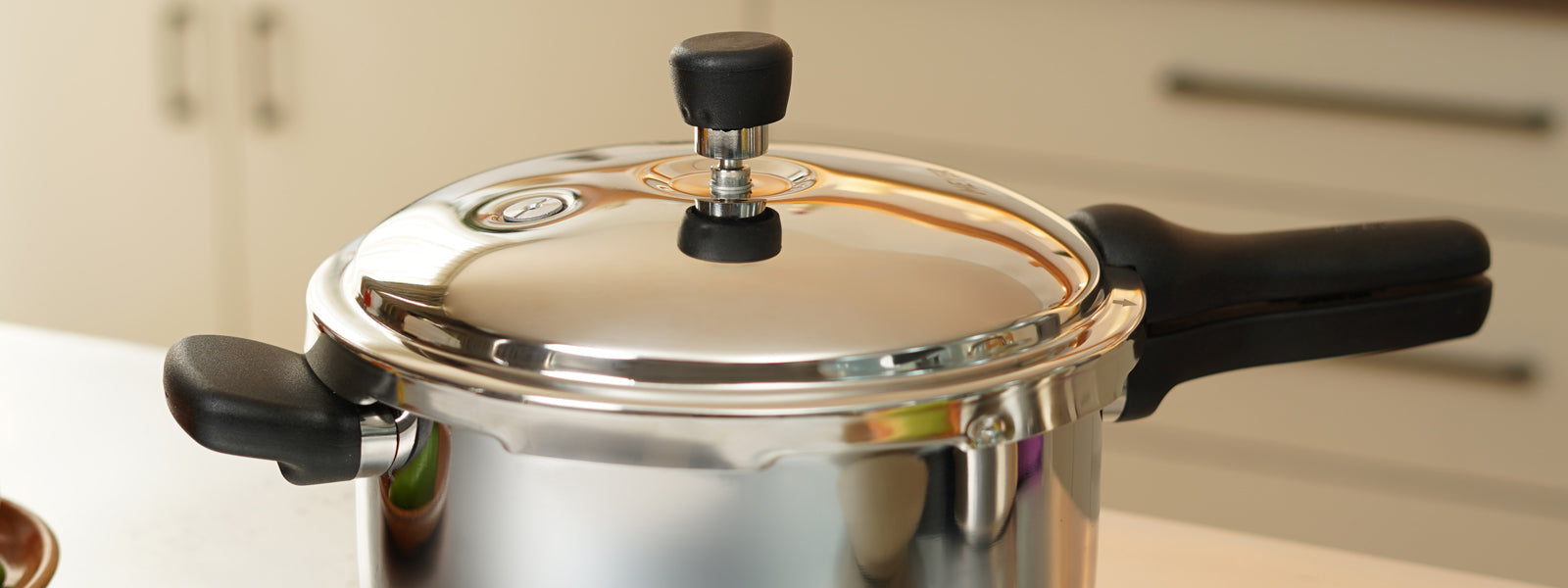
Best Stainless Steel Cookers for Daily Cooking
2 Items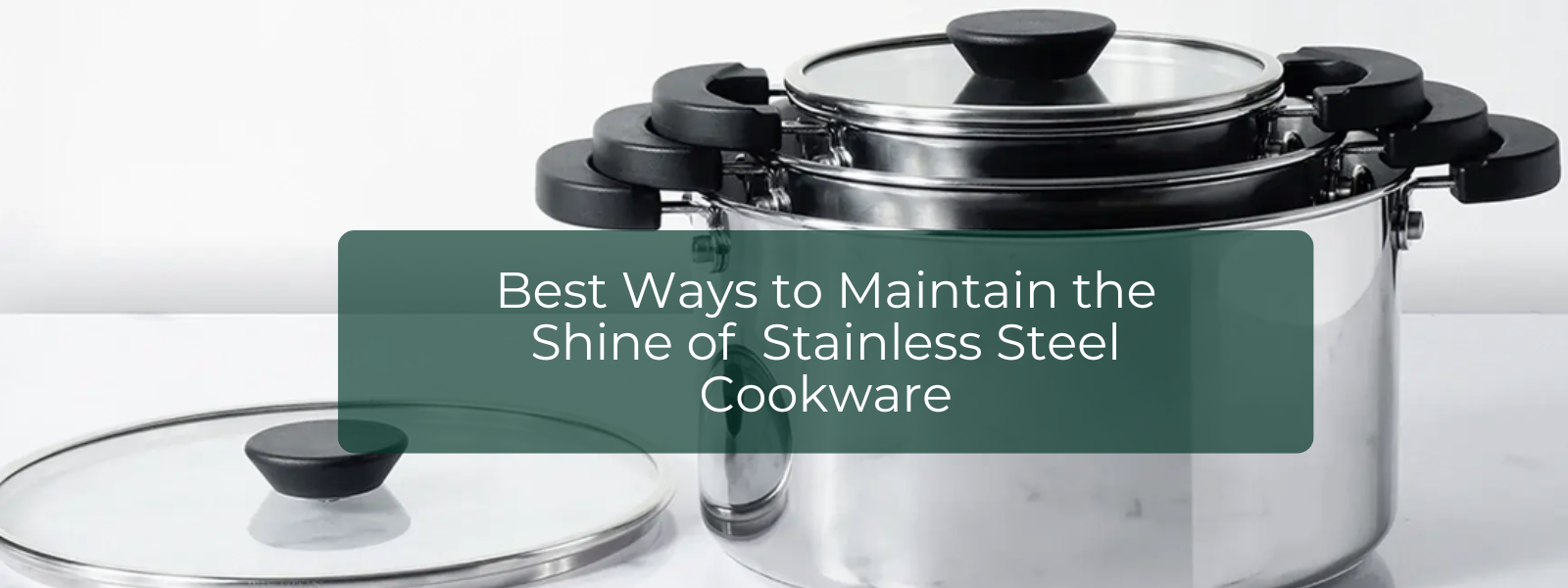
Best Ways to Maintain the Shine of Your Stainless Steel Cookware
2 Items
Can stainless steel pan be used for Deep Frying?
2 Items
Cast Iron Cookware for Camping: Everything You Need to Know
2 Items
Cast Iron Cookware: How It Can Last a Lifetime
2 Items


Leave a comment