



Tomato-based curries are the foundation of Indian cooking. From everyday rajma and chole to festive paneer masala, butter chicken, sambhar, and rasam, tomatoes play a crucial role in building flavour, colour, and body. Because tomatoes are acidic, many home cooks hesitate to use cast iron cookware for such dishes. However, when used correctly, cast iron is not only suitable for tomato-based curries—it can actually enhance their taste, texture, and depth.
Traditional Indian kitchens relied heavily on cast iron for slow-cooked gravies, and modern kitchens are rediscovering this wisdom with better-designed, pre-seasoned cookware.
Table of Contents
- 1. Why Tomato-Based Curries Benefit from Cast Iron Cooking
- 2. Better Flavour Balance Without Extra Sugar or Cream
- 3. Does Acidic Food Damage Cast Iron?
- 4. Subtle Nutritional Benefit of Cooking Tomatoes in Cast Iron
- 5. Improved Texture and Thickness of Gravies
- 6. Best Practices for Cooking Tomato Curries in Cast Iron
- 7. Why Cast Iron Remains Ideal for Indian Curry Cooking
- 8. Conclusion
Why Tomato-Based Curries Benefit from Cast Iron Cooking
Tomatoes require steady, controlled heat to cook properly. If cooked too quickly or unevenly, they remain raw-tasting and acidic. Cast iron excels at retaining and distributing heat evenly, allowing tomatoes to soften gradually, release their natural sweetness, and blend seamlessly with onions, ginger, garlic, and spices.
This slow, even cooking is essential for classic Indian bhunao techniques, where masalas are patiently roasted until oil separates. In cast iron, this process happens more predictably, resulting in richer gravies and deeper flavour development.

Better Flavour Balance Without Extra Sugar or Cream
One of the biggest advantages of cooking tomato-based curries in cast iron is improved flavour balance. Because the tomatoes cook evenly and thoroughly, their sharp acidity mellows naturally. This reduces the need to add sugar, cream, or excess butter to correct sourness.
Home cooks often find that gravies prepared in cast iron taste more rounded and aromatic, with spices blooming fully and integrating better into the curry base. This is especially noticeable in North Indian onion–tomato gravies and slow-simmered legumes like rajma and chole.
Does Acidic Food Damage Cast Iron?
This is the most common concern—and one that often leads to confusion.
The truth is that well-seasoned cast iron can safely handle tomato-based cooking. Issues arise only when acidic foods are cooked for long periods in poorly seasoned or bare cast iron. Modern pre-seasoned cast iron cookware, such as Meyer’s cast iron range, is designed to handle everyday Indian cooking, including tomato-rich gravies.
When seasoning is intact, tomatoes do not harm the pan or affect the taste of food. In fact, many traditional recipes were historically prepared in cast iron vessels without issue.
Meyer Pre Seasoned Cast Iron curved Kadai without Lid, 20cm
Subtle Nutritional Benefit of Cooking Tomatoes in Cast Iron
Tomatoes are acidic, and when cooked in cast iron, they can absorb trace amounts of dietary iron. While this should never replace medical supplementation, it can offer a small nutritional benefit—particularly in Indian diets where iron deficiency is common.
Importantly, this iron transfer does not give food a metallic taste when the cookware is properly seasoned and maintained.
Improved Texture and Thickness of Gravies
Cast iron’s even heat distribution helps gravies thicken naturally without sticking or burning at the base. Onion–tomato masalas cook uniformly, oil separates cleanly, and sauces develop a smooth, cohesive texture.
This makes cast iron ideal not only for everyday curries but also for slow-cooked dishes like korma, rogan josh, sambhar, and dal makhani, where consistency and depth are essential.
Best Practices for Cooking Tomato Curries in Cast Iron
To ensure excellent results and long-lasting cookware performance:
- Use a well-seasoned or pre-seasoned cast iron pan
- Preheat the pan before adding oil
- Cook tomatoes on medium heat rather than very high heat
- Avoid storing tomato-based food in the pan after cooking
- Clean gently and apply a light oil coating after washing
Following these steps preserves seasoning and enhances cooking performance over time.
Why Cast Iron Remains Ideal for Indian Curry Cooking
Indian cooking techniques demand cookware that can handle high heat, long cooking times, and frequent stirring. Cast iron meets these demands effortlessly. It does not warp, degrade, or release harmful coatings, making it a safe and durable choice for regular curry preparation.
Meyer’s thoughtfully designed cast iron cookware blends traditional material advantages with modern convenience, making it suitable for both experienced cooks and those new to cast iron.
Conclusion: A Reliable Choice for Tomato-Based Indian Curries
Cast iron is not only good for cooking tomato-based curries—it is exceptionally well suited for them. Its ability to retain heat, support slow cooking, balance acidity, and enhance spice integration makes it one of the best materials for preparing authentic Indian gravies.
With proper seasoning and care, cast iron cookware delivers richer flavour, better texture, and reliable performance. Modern pre-seasoned options from Meyer make it easy for today’s kitchens to enjoy the timeless benefits of cast iron, proving that traditional cookware still holds a powerful place in Indian cooking.
MORE FROM BLOG
Top Collections

Cast Iron Cookware: Why It’s Perfect for Outdoor Cooking
2 Items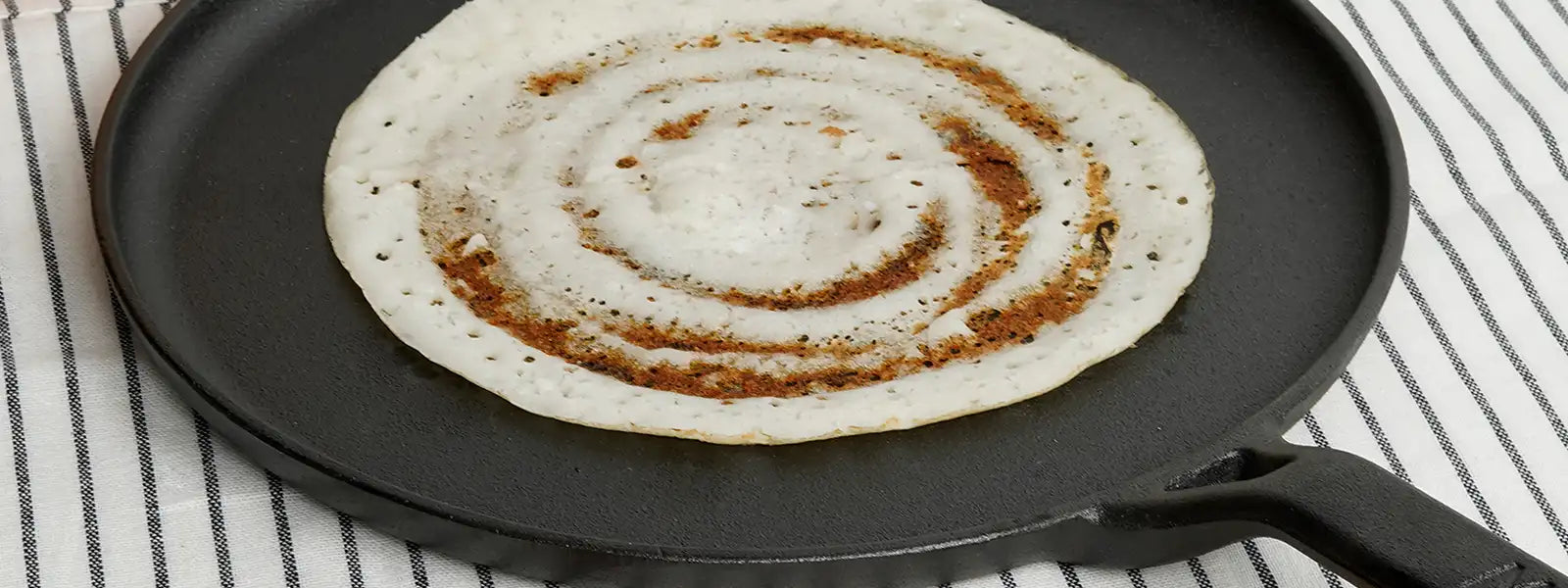
Cast Iron Dosa Tawa Vs Nonstick Tawa: Best Dosa Tawa in India
2 Items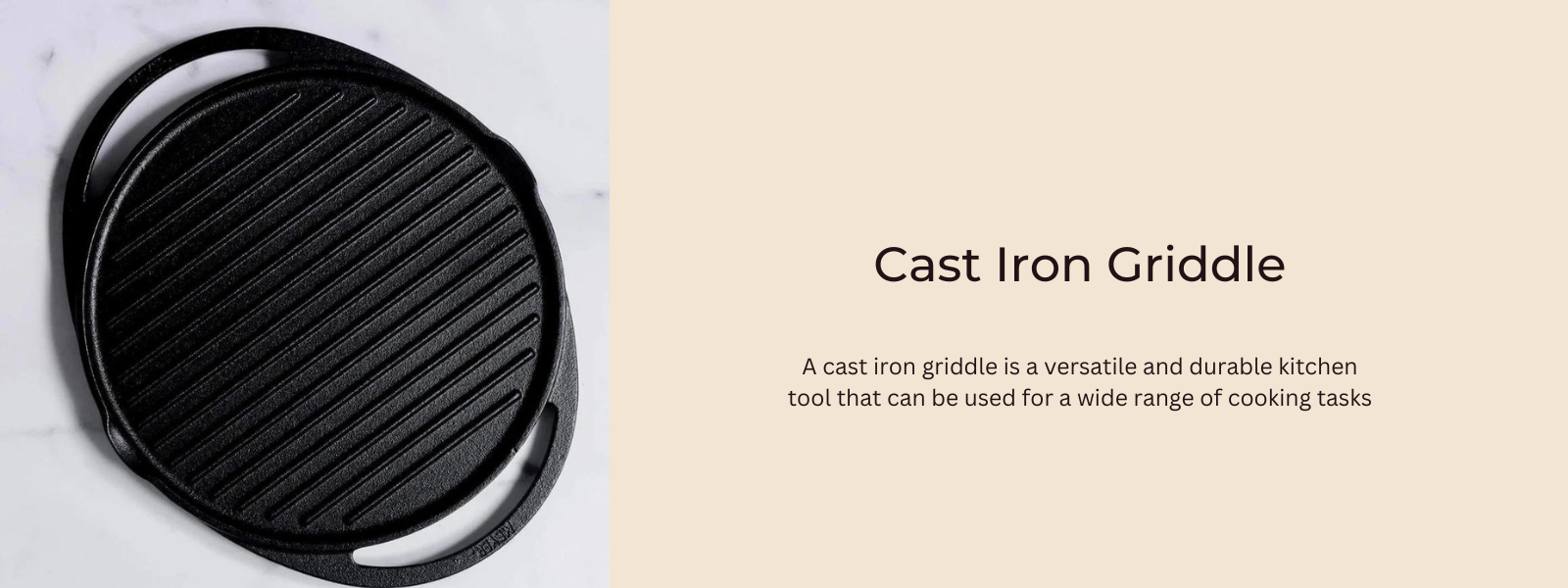
Cast Iron Griddle: Must-Have Cookware For Grilling
2 Items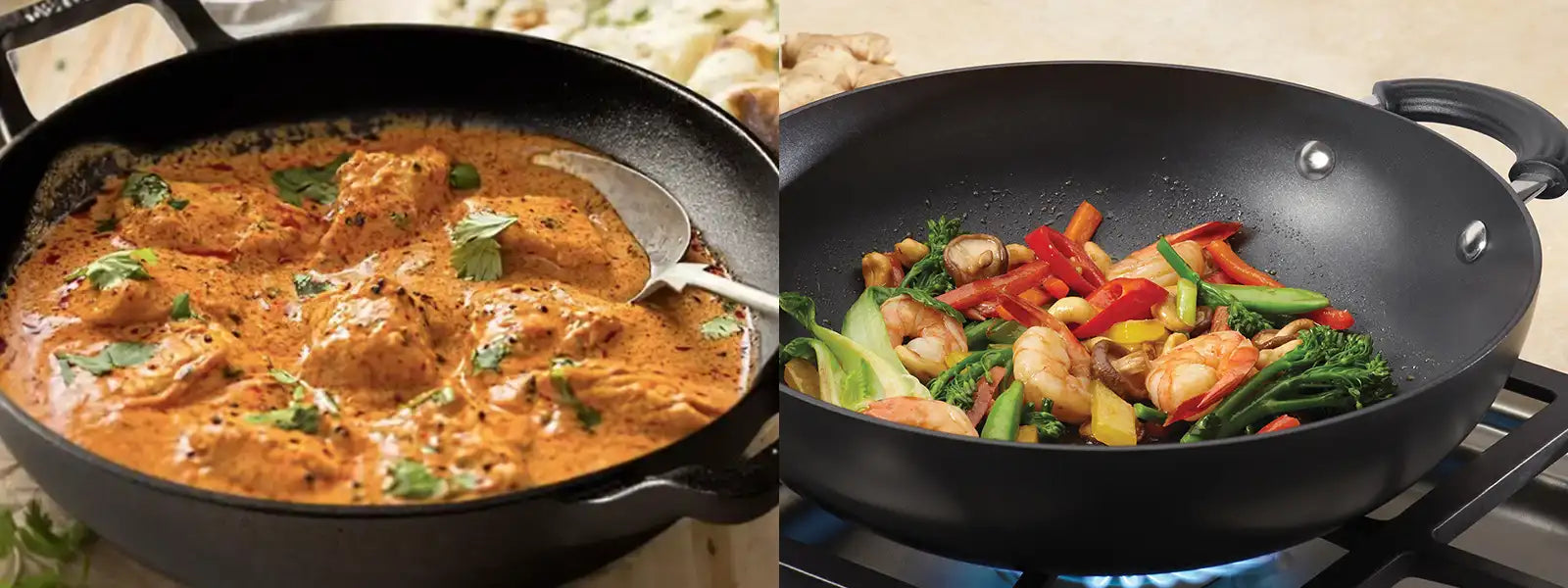
Cast iron Vs Non-stick cookware: Which one is good for you?
2 Items
Enameled Cast Iron Vs Cast Iron. Which is better?
2 Items


Leave a comment