



Dum cooking is one of the most revered techniques in Indian cuisine. From fragrant biryanis and slow-cooked kormas to richly layered pulaos, dum cooking relies on sealed heat, gentle simmering, and patience. Traditionally associated with heavy-bottomed vessels and slow fires, dum cooking demands cookware that can hold heat evenly and consistently for long durations. This naturally raises an important question for modern kitchens: Is cast iron suitable for dum-style Indian cooking?
The answer is a resounding yes—cast iron is one of the most suitable and authentic materials for dum cooking, closely matching the vessels traditionally used in Indian households.
Table of Contents
- 1. Understanding Dum Cooking and Its Cookware Needs
- 2. Why Cast Iron Works Exceptionally Well for Dum Cooking
- 3. Heat Retention: The Core Advantage for Dum Recipes
- 4. Natural Sealing and Moisture Control
- 5. Cast Iron for Dum Biryani and Slow-Cooked Curries
- 6. Compatibility with Modern Gas Stoves
- 7. Better Flavour Development Over Time
- 8. Things to Keep in Mind When Using Cast Iron for Dum Cooking
- 9. Why Cast Iron Aligns with Traditional Indian Cooking Wisdom
- 10. Final Verdict
Understanding Dum Cooking and Its Cookware Needs
Dum-style cooking involves sealing the pot to trap steam and allowing food to cook slowly in its own moisture. This technique depends on three critical factors: even heat distribution, excellent heat retention, and a heavy, well-sealed vessel.
Lightweight cookware often fails at dum cooking because it heats unevenly, leading to burnt bases and undercooked layers. Cast iron, on the other hand, offers exactly what dum cooking requires—stable heat and controlled cooking over long hours.

Why Cast Iron Works Exceptionally Well for Dum Cooking
Cast iron is naturally thick and dense, allowing it to absorb heat gradually and release it slowly. Once heated, it maintains a steady temperature across the base and sides of the pot. This is crucial for dum cooking, where fluctuations in heat can disturb the delicate balance between steam generation and gentle simmering.
When using a cast iron Dutch oven or heavy kadai, the food cooks evenly from all sides, allowing flavours to develop fully without scorching. This mimics the traditional handi-style vessels once placed over charcoal or slow wood fires.
Meyer Disney Bon Voyage Enameled Cast Iron Frypan
Heat Retention: The Core Advantage for Dum Recipes
One of cast iron’s strongest qualities is heat retention. Once the pot reaches the desired temperature, it continues cooking even on a low flame. This is particularly beneficial for dum biryanis, where rice and meat need time to absorb aromas and moisture without direct high heat.
Meyer Pre-Seasoned Cast Iron Dutch Ovens are especially well-suited for this style of cooking, as they maintain consistent internal heat, allowing dum dishes to cook gently without constant flame adjustments.
Natural Sealing and Moisture Control
A successful dum dish depends heavily on trapping steam. Cast iron cookware, due to its weight and thickness, forms a natural seal when covered with a well-fitting lid. This reduces steam escape and keeps moisture locked inside the pot.
In many Indian homes, dough (atta) is still used to seal lids for dum cooking. Cast iron handles this beautifully, as the vessel remains stable and maintains pressure without warping. The result is tender meat, fluffy rice, and deeply infused spices—exactly what dum cooking promises.
Cast Iron for Dum Biryani and Slow-Cooked Curries
Dum biryani is perhaps the most demanding dum dish, requiring layered cooking, controlled moisture, and long resting time. Cast iron excels here because it prevents the bottom layer from burning while allowing the top layers to steam evenly.
Similarly, dum-style curries like nalli nihari, shahi korma, or dum aloo benefit from cast iron’s steady heat. The thick walls of cast iron ensure that sauces reduce slowly, intensifying flavour without splitting or sticking.
Compatibility with Modern Gas Stoves
A common concern is whether cast iron dum cooking works on modern gas stoves. With today’s precise flame control, gas stoves are actually ideal for cast iron dum cooking.
Once the cast iron pot is preheated and sealed, the flame can be reduced to the lowest setting. The cookware continues to hold and circulate heat, replicating the slow, indirect heat traditionally achieved with charcoal or embers.
Meyer cast iron cookware is designed to work efficiently on modern gas stoves, making it easy to adapt traditional dum techniques to contemporary kitchens.
Better Flavour Development Over Time
Cast iron cookware improves with use. Over time, its seasoned surface enhances flavour development, especially for spice-rich Indian dishes. Dum cooking benefits immensely from this, as the cookware subtly contributes to deeper, more rounded flavours with every use.
This makes cast iron not just suitable but ideal for cooks who prepare dum dishes regularly and value authenticity in taste.
Things to Keep in Mind When Using Cast Iron for Dum Cooking
While cast iron is highly suitable, a few practices help achieve the best results. Gradual preheating is essential to avoid sudden temperature spikes. Using medium to low flame once the pot is sealed ensures gentle cooking. Proper seasoning and light oiling after use keep the surface in optimal condition.
High-quality pre-seasoned options, such as Meyer cast iron cookware, simplify maintenance and make dum cooking approachable even for home cooks new to cast iron.
Why Cast Iron Aligns with Traditional Indian Cooking Wisdom
Historically, Indian kitchens relied on heavy metal vessels for slow cooking because they understood the importance of thermal stability long before modern science explained it. Cast iron aligns perfectly with this wisdom.
By choosing cast iron for dum cooking, modern cooks reconnect with a method that honours time, patience, and layered flavours—without compromising on convenience.
Final Verdict: Is Cast Iron Suitable for Dum-Style Indian Cooking?
Yes, cast iron is not only suitable but exceptionally well-suited for dum-style Indian cooking. Its ability to retain heat, distribute it evenly, seal moisture, and enhance flavours makes it one of the best cookware choices for dum biryanis, curries, and slow-cooked delicacies.
For home cooks looking to recreate authentic dum flavours in modern kitchens, cast iron—especially thoughtfully designed options like Meyer’s pre-seasoned cast iron range—offers the perfect balance of tradition, performance, and durability.
MORE FROM BLOG
Top Collections
Cast Iron Cookware: A Comprehensive Guide to Heat Retention
2 Items
Cast Iron Cookware for Camping: Everything You Need to Know
2 Items
Cast Iron Cookware: How It Can Last a Lifetime
2 Items
Cast Iron Cookware: Why It’s Perfect for Outdoor Cooking
2 Items
Cast iron pan vs. stainless steel pan — which should I buy?
2 Items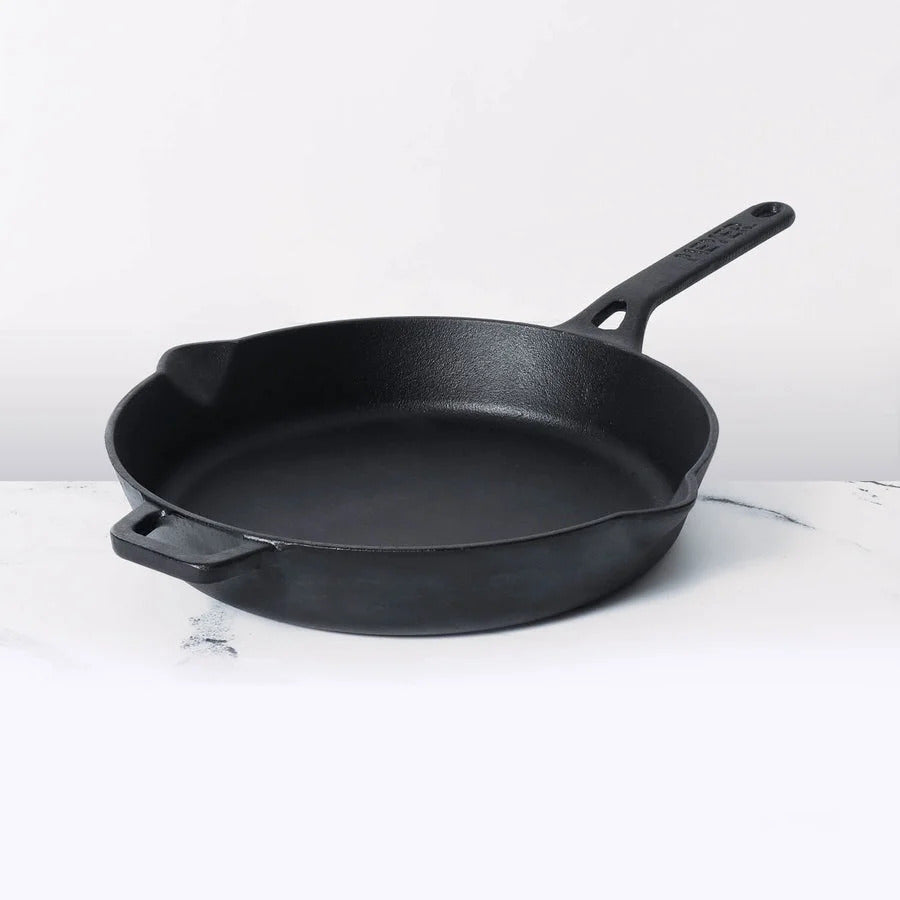


Leave a comment