



In Indian households, reheating food is part of everyday life. Whether it’s warming up leftover dal for dinner, reheating sabzi for tiffin, or bringing last night’s curry back to serving temperature, cookware must handle repeated heating cycles safely and efficiently.
This often raises an important question:
Is ceramic cookware safe for reheating food multiple times?
The short answer is yes — high-quality ceramic cookware is safe for reheating food multiple times, provided it is used correctly and not overheated.
Let’s explore how ceramic cookware behaves during reheating, what precautions to follow, and why premium ranges like the Meyer Anzen are suitable for daily Indian cooking routines.
Table of Contents
- 1. Understanding Ceramic Cookware and Heat Cycles
- 2. Is It Safe from a Health Perspective?
- 3. Does Reheating Damage Ceramic Coating?
- 4. Best Practices for Reheating Food in Ceramic Cookware
- 5. Can You Reheat Acidic Foods Like Tomato Curry?
- 6. How Many Times Can You Reheat Food Safely?
- 7. Signs Your Ceramic Cookware Needs Replacement
- 8. Ceramic vs Other Cookware for Reheating
- 9. Does Reheating Affect Smoothness Over Time?
- 10. Final Verdict
Understanding Ceramic Cookware and Heat Cycles
Ceramic cookware typically features:
- A silica-based ceramic coating
- A metal base (usually aluminum)
- A hardened, glass-like cooking surface
The ceramic coating is naturally free from PTFE and PFOA, making it a popular choice for health-conscious households.
When reheating food, cookware undergoes thermal cycling — repeated heating and cooling. High-quality ceramic cookware is designed to withstand normal household thermal cycles safely.
However, durability depends on:
-
Heat level used
-
Frequency of overheating
-
Proper cooling and cleaning
-
Quality of construction

Is It Safe from a Health Perspective?
Yes. Ceramic cookware is considered safe for reheating food because:
-
It does not leach harmful chemicals at normal cooking temperatures
-
It does not react with acidic foods like tomato-based curries
-
It maintains food safety when used within recommended heat limits
Reheating typically requires medium to low heat — well within the safe operating range of ceramic coatings.
As long as the cookware is not damaged (peeling or flaking), it remains safe for repeated use.
Does Reheating Damage Ceramic Coating?
Reheating itself does not damage ceramic cookware. What causes wear is:
-
Repeated exposure to very high flame
-
Dry heating an empty pan
-
Sudden temperature shocks
-
Improper cleaning after oily reheating
When reheating leftovers like dal or curry, you are usually using moderate heat and moisture — which is gentler on ceramic coatings compared to dry searing or high-flame tempering.
Premium options like Meyer Anzen are built with stable base construction and even heat distribution, reducing hotspots that could otherwise stress the coating during reheating.
Best Practices for Reheating Food in Ceramic Cookware
To ensure long-term performance, follow these simple guidelines:
1. Use Low to Medium Heat
Ceramic heats efficiently. There is no need to use high flame for reheating.
2. Avoid Dry Heating
Always ensure there is food, water, or liquid in the pan before turning on heat.
3. Stir Occasionally
This promotes even heating and prevents localized overheating.
4. Avoid Thermal Shock
Do not move cookware directly from refrigerator to high flame. Let it sit at room temperature for a few minutes first.
5. Clean Promptly After Reheating
Oil and spices reheated multiple times can leave residue. Gentle cleaning prevents build-up.
Can You Reheat Acidic Foods Like Tomato Curry?
Yes. Ceramic cookware is non-reactive and safe for:
-
Tomato-based gravies
-
Tamarind curries
-
Lemon rice
-
Kadhi
Unlike certain metals, ceramic coatings do not react with acidic ingredients during reheating.
How Many Times Can You Reheat Food Safely?
From a cookware perspective, ceramic cookware can handle daily reheating as long as:
-
The coating remains intact
-
Heat levels are controlled
-
Care instructions are followed
From a food safety perspective (separate from cookware), it is generally advisable not to reheat the same food multiple times excessively. Instead, reheat only the portion you intend to consume.
Signs Your Ceramic Cookware Needs Replacement
While reheating is safe, you should monitor your cookware for:
- Visible peeling or flaking
- Deep scratches exposing base metal
- Persistent sticking despite cleaning
- Rough or uneven surface texture
If the coating is intact and smooth, reheating remains safe.
High-quality cookware such as Meyer Anzen is engineered to handle everyday cooking cycles, including frequent reheating common in Indian kitchens.
Ceramic vs Other Cookware for Reheating
Ceramic Cookware
-
Safe at moderate temperatures
-
Non-reactive surface
-
Easy cleanup
-
Lightweight and quick heating
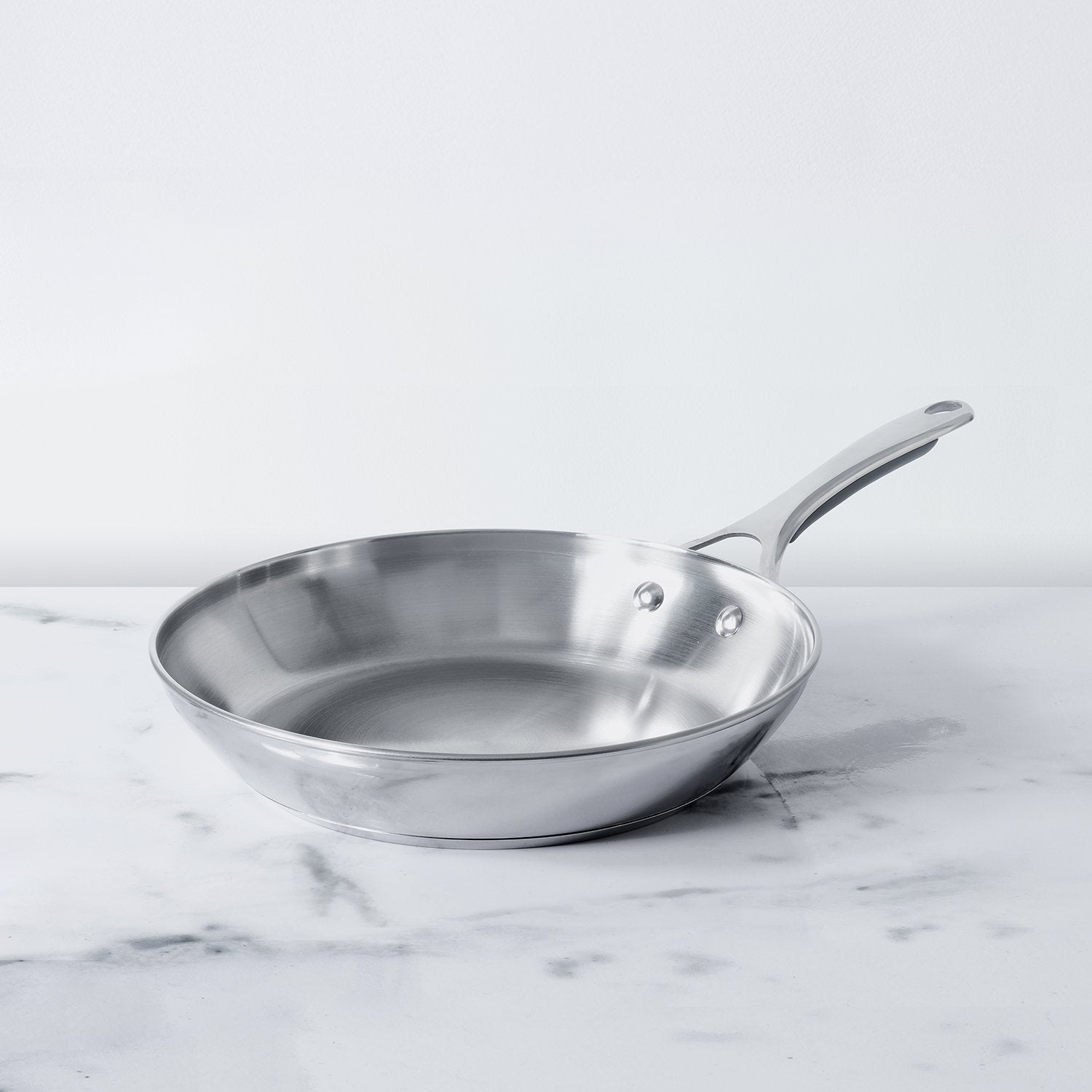
Stainless Steel
- Extremely durable
- Tolerates very high heat
- May require more oil to prevent sticking
Cast Iron
- Excellent heat retention
- Heavy and slower to heat
- Requires seasoning maintenance
For daily reheating of gravies, dals, and sabzis, ceramic cookware offers a convenient and safe balance of performance and ease.
Does Reheating Affect Smoothness Over Time?
If reheating is done at controlled temperatures, smoothness should remain intact.
However, repeated overheating of oil-based dishes can cause residue build-up. This can make the surface feel slightly less slick over time.
Gentle cleaning with baking soda paste can restore surface smoothness if needed.
Final Verdict: Is Ceramic Cookware Safe for Reheating Multiple Times?
Yes — ceramic cookware is safe for reheating food multiple times when used properly.
Premium ceramic cookware like Meyer Anzen is designed for everyday cooking routines, including reheating leftovers, simmering gravies, and warming dals.
The key to maintaining safety and performance lies in:
- Using moderate heat
- Avoiding dry overheating
- Preventing thermal shock
- Cleaning gently
With mindful usage, ceramic cookware remains a reliable, toxin-free option for daily reheating in Indian kitchens.
MORE FROM BLOG
Top Collections

Can Ceramic Cookware Be Used for Breakfast and Light Meals?
2 Items
Can Ceramic Cookware Handle Indian Spices Gently?
2 Items
How Does Ceramic Cookware Help With Even Cooking in Indian Kitchens?
2 Items
How Does Ceramic Cookware Prevent Food from Sticking Naturally?
2 Items
Is ceramic cookware good for health-conscious Indian families?
2 Items


Leave a comment