



In Indian kitchens, where cooking often involves thick masalas, slow-simmered gravies, shallow frying, and high-heat tempering, one common concern remains constant: food sticking to the cookware. Burnt bases, stuck residues, and difficult cleaning are everyday frustrations—especially when preparing delicate dishes like dosa, cheela, paneer bhurji, or vegetable stir-fries.
This is where ceramic cookware has steadily gained attention as a naturally non-stick, health-conscious alternative. But how exactly does ceramic cookware prevent food from sticking—without relying on synthetic chemicals or heavy coatings? Let’s explore the science, structure, and real-world cooking benefits behind ceramic cookware, with special relevance to Indian cooking habits.
Table of Contents
- 1. Understanding the Nature of Ceramic Cookware
- 2. The Science Behind Natural Non-Stick Performance
- 3. Why Ceramic Cookware Needs Less Oil
- 4. Chemical-Free Cooking and Surface Stability
- 5. Natural Release Improves Cooking Control
- 6. How Ceramic Cookware Performs with Indian Ingredients
- 7. Maintenance Matters
- 8. Ceramic vs Traditional Non-Stick: A Functional Difference
- 9. Why Ceramic Cookware Fits Modern Indian Kitchens
- 10. Final Thoughts
Understanding the Nature of Ceramic Cookware
Ceramic cookware is not made from traditional pottery clay. Instead, it is typically constructed using a metal base—often aluminium or stainless steel—coated with a ceramic-based, silica-derived layer. This coating is created through a high-temperature curing process that forms a hard, glass-like surface.
Unlike conventional non-stick coatings that rely on fluoropolymers, ceramic coatings are inorganic and mineral-based, which is why they are often described as “naturally non-stick.”

The Science Behind Natural Non-Stick Performance
1. Ultra-Smooth, Non-Porous Surface
One of the key reasons ceramic cookware resists sticking is its exceptionally smooth surface. When food is heated, sticking usually occurs when microscopic pores or rough patches on a pan grip proteins or starches.
Ceramic coatings, when properly cured, create a non-porous, glass-smooth layer. This prevents food particles from embedding themselves into the surface during cooking. As a result, ingredients slide rather than cling.
In practical terms, this means:
-
Batters spread evenly without tearing
-
Paneer and vegetables release easily
-
Masala does not harden onto the base
2. Even Heat Distribution Reduces Burn Points
Food often sticks not because of the ingredient—but due to uneven heat concentration. Hot spots cause sugars and proteins to caramelize too quickly in specific areas, leading to sticking and burning.
Ceramic cookware, especially when paired with a quality metal core, offers uniform heat distribution across the cooking surface. This controlled heating allows food to cook gradually and evenly, reducing the chance of sudden adhesion.
This is particularly useful for:
-
Bhuna-style masalas
-
Onion-tomato gravies
-
Shallow-fried snacks
-
Breakfast dishes like uttapam and pancakes
3. Low Surface Friction Aids Natural Release
Ceramic coatings have low surface friction, which means food encounters less resistance when moving across the pan. Even with minimal oil, ingredients are less likely to latch onto the surface.
This natural release property becomes evident during:
-
Stir-frying vegetables
-
Tossing noodles or poha
-
Flipping crepes, chillas, or omelettes
Over time, this also helps maintain the appearance of the cookware, as fewer abrasions are caused by stuck food being scraped off.
Meyer Anzen Ceramic Coated Cookware 28cm Frypan
Why Ceramic Cookware Needs Less Oil
A major advantage of ceramic cookware is its ability to perform well with significantly less oil. Since food does not readily stick, there is no need to over-grease the surface to create a release layer.
For Indian households aiming to:
-
Reduce oil consumption
-
Prepare lighter everyday meals
-
Support heart-healthy cooking habits
Ceramic cookware becomes a practical choice. Dishes like vegetable sabzi, tofu stir-fries, or lightly sautéed greens can be cooked using just a few drops of oil, without compromising texture or taste.
Chemical-Free Cooking and Surface Stability
One reason ceramic cookware is often preferred by health-conscious families is its absence of synthetic non-stick chemicals. Ceramic coatings do not rely on fluorinated compounds to prevent sticking. Instead, their performance comes from physical surface properties.
This means:
-
No chemical breakdown at normal cooking temperatures
-
No release of harmful fumes during regular use
-
Stable cooking surface for daily meals
Ceramic cookware ranges such as Meyer Anzen are designed with this philosophy in mind—combining mineral-based ceramic coatings with durable construction for consistent everyday use in Indian kitchens.
Natural Release Improves Cooking Control
When food sticks, it often forces the cook to:
-
Increase oil unnecessarily
-
Raise heat to “unstick” food
-
Stir aggressively, breaking ingredients
Ceramic cookware allows greater control over texture and timing. Ingredients can be allowed to sear gently, release naturally, and then be turned or stirred without force. This is especially beneficial when cooking delicate items like fish, paneer slices, or soft vegetable patties.
How Ceramic Cookware Performs with Indian Ingredients
Indian cooking presents unique challenges:
- High spice content
- Sticky starches like rice batter
- Sugar-rich masalas
- Frequent reheating
Ceramic cookware handles these well because:
-
Masalas do not bake onto the surface easily
-
Starches release without tearing
-
Residual flavours wash off more easily after cooking
This makes ceramic cookware suitable for both daily meals and occasional elaborate preparations.
Maintenance Matters: Preserving the Natural Non-Stick Effect
While ceramic cookware prevents sticking naturally, its performance depends on proper care.
To maintain its non-stick qualities:
- Avoid overheating empty pans
- Use wooden or silicone utensils
- Wash with soft sponges
- Allow the pan to cool before cleaning
When cared for properly, ceramic cookware maintains its smooth surface and food-release properties for a longer period.
Ceramic vs Traditional Non-Stick: A Functional Difference
Traditional non-stick pans rely heavily on chemical coatings for release. Ceramic cookware, on the other hand, uses surface physics and heat control.
This distinction matters because:
- Ceramic surfaces feel more “natural” to cook on
- There is less reliance on heavy oiling
- The cooking experience is closer to stainless steel—but without sticking
For cooks transitioning away from conventional non-stick cookware, ceramic offers a comfortable middle ground.
Why Ceramic Cookware Fits Modern Indian Kitchens
Today’s Indian kitchens balance:
-
Health-conscious cooking
-
Frequent everyday use
-
Visual aesthetics
-
Ease of cleaning
Ceramic cookware fits seamlessly into this lifestyle. With its smooth cooking surface, easy food release, and contemporary appearance, it supports modern cooking needs without compromising traditional recipes.
Products like Meyer Anzen ceramic cookware are designed keeping Indian cooking habits in mind—offering reliable performance for breakfast dishes, light lunches, and low-oil dinners alike.
Final Thoughts: Natural Non-Stick Without Compromise
Ceramic cookware prevents food from sticking not through chemical shortcuts, but through smart surface engineering, even heat distribution, and low-friction design. This makes it a practical, health-forward option for everyday Indian cooking.
Whether you are preparing a quick cheela, sautéing vegetables, or simmering a mild gravy, ceramic cookware offers:
- Consistent food release
- Reduced oil usage
- Easier cleanup
- A safer cooking surface
As Indian kitchens evolve toward cleaner, lighter, and more mindful cooking, ceramic cookware continues to earn its place as a naturally non-stick solution—combining performance, safety, and simplicity in one thoughtfully designed tool.
MORE FROM BLOG
Top Collections

Can Ceramic Cookware Be Used for Breakfast and Light Meals?
2 Items
Can Ceramic Cookware Handle Everyday Indian Meals?
2 Items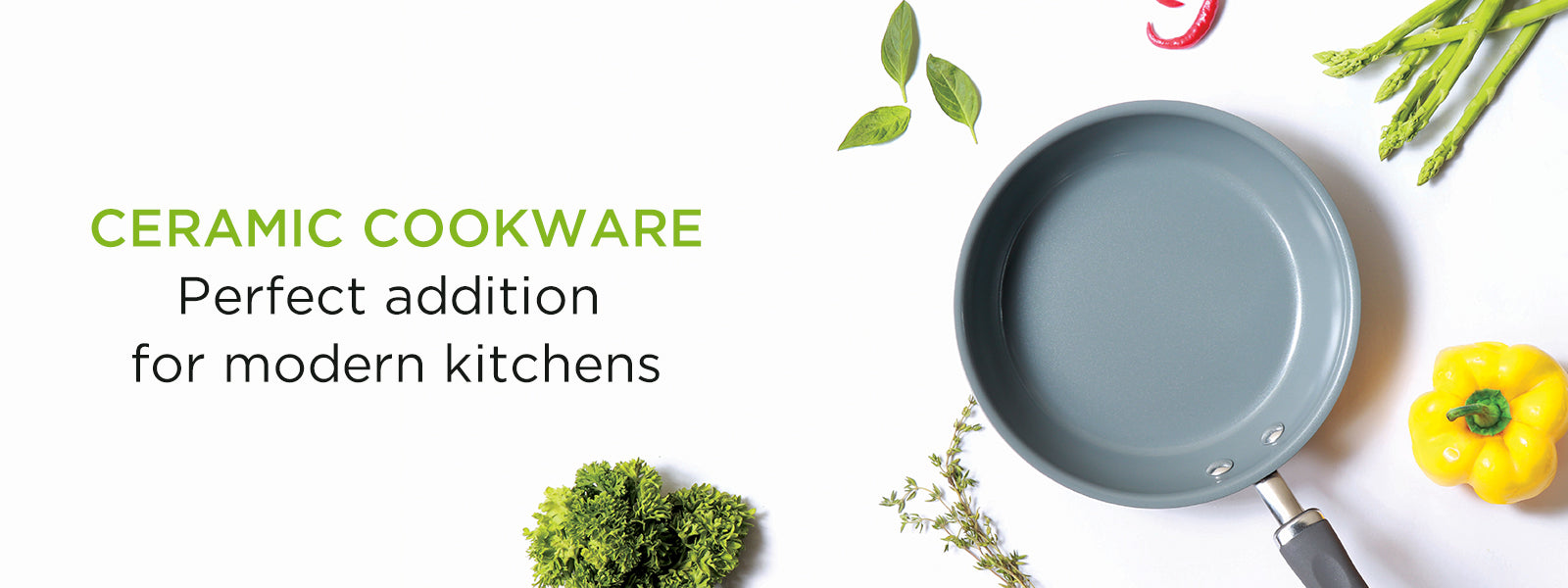
Health Benefits Of Cooking In Ceramic Cookware
2 Items
How Does Ceramic Cookware Help With Even Cooking in Indian Kitchens?
2 Items
Is ceramic cookware good for health-conscious Indian families?
2 Items
Why Is Ceramic Cookware Popular for Stylish Kitchens?
2 Items


Leave a comment