



Cast iron cookware has earned a loyal place in Indian kitchens. From slow-cooked curries to crispy parathas and perfectly seared vegetables, it delivers unmatched heat retention and rich flavour.
But when it comes to storage, a common question arises:
Can you safely store cooked food in cast iron overnight?
It’s tempting—after all, it saves time and reduces extra dishes. However, when it comes to cast iron, what’s convenient isn’t always ideal.
Let’s break down the reality, separate myths from facts, and understand what’s best for both your food and your cookware.
Table of Contents
- 1. Understanding Cast Iron: Why It’s Different
- 2. Is It Safe to Store Food in Cast Iron Overnight?
- 3. When Is It Slightly Acceptable?
- 4. Best Practice
- 5. Does Cast Iron Add Iron to Food? Is That a Concern?
- 6. Common Myths vs Reality
- 7. Modern Cast Iron
- 8. Why Proper Care Matters
- 9. Final Thoughts
- 10. Conclusion
Understanding Cast Iron: Why It’s Different
Cast iron is not just another cooking material—it’s a naturally reactive metal.
Unlike stainless steel or glass:
· It has a porous surface
· It is protected by a seasoning layer (oil-based coating)
· It can react with moisture and acidic foods
This makes it excellent for cooking—but slightly sensitive when it comes to storage.

Is It Safe to Store Food in Cast Iron Overnight?
Short Answer: It’s Not Recommended
While storing food in cast iron overnight is not immediately dangerous, it is not advisable, especially as a regular practice.
Here’s why:
1. Risk of Metallic Taste in Food
Cast iron can react with certain foods—especially:
· Tomato-based curries
· Tamarind gravies
· Lemon or vinegar-based dishes
When left overnight, these foods may:
· Develop a slightly metallic taste
· Lose their original flavour profile
This happens due to the interaction between the food and iron surface over time.
2. Damage to the Seasoning Layer
Your cast iron cookware relies on its seasoning for:
· Non-stick performance
· Rust protection
Leaving food (especially wet or acidic food) in the pan can:
· Break down the seasoning
· Create patchy or sticky surfaces
· Reduce cooking performance over time
Repeated storage can gradually ruin the pan’s surface.
3. Increased Risk of Rusting
Moisture is the biggest enemy of cast iron.
When food is left overnight:
· Moisture sits on the surface for long hours
· The protective oil layer weakens
· Rust spots may begin to form
Even a well-seasoned pan is not completely immune to this.
4. Food Safety Concerns
While cast iron itself is not toxic, storing food in it for long periods at room temperature can raise general food safety concerns.
· Bacteria can grow if food is not refrigerated
· Reheating may not fully restore freshness
· Texture and quality may deteriorate
This applies to any cookware—but cast iron adds material-related concerns on top.
When Is It Slightly Acceptable?
If you must store food temporarily:
· For a few hours (not overnight)
· Non-acidic, dry foods (like sautéed vegetables)
· Covered and kept in a cool environment
Even then, it’s better to transfer food as soon as possible.
Best Practice: What Should You Do Instead?
To protect both your food and cookware:
Transfer Food Immediately
Once cooking is done and food cools slightly:
· Move it to glass, ceramic, or stainless steel containers
Clean Your Cast Iron Pan Promptly
· Wash gently (avoid soaking)
· Dry immediately
· Apply a light coat of oil
Store Food Separately
This ensures:
· Better hygiene
· Longer freshness
· No impact on cookware
Does Cast Iron Add Iron to Food? Is That a Concern?
Yes, cast iron can release small amounts of iron into food.
· This can be beneficial for people with low iron levels
· However, prolonged contact (like overnight storage) may:
o Alter taste
o Increase iron content unpredictably
For balanced cooking, it’s best to limit prolonged storage in the same vessel.
Common Myths vs Reality
Myth: It’s okay if the pan is well-seasoned
Reality: Even well-seasoned pans can react over time
Myth: Only acidic food is a problem
Reality: Moisture alone can still damage seasoning
Myth: One night won’t matter
Reality: Occasional use may not show immediate damage, but repeated practice will
Modern Cast Iron: Better, But Still Needs Care
Today’s cast iron cookware, including premium options, is designed with:
· Improved pre-seasoning
· Smoother finishes
· Better durability
For example, Meyer cast iron cookware is crafted for:
· Superior heat retention
· Even cooking
· Long-lasting performance
However, even with enhanced design, the fundamental nature of cast iron remains the same—it still requires proper care and mindful usage.
Why Proper Care Matters
Taking care of your cast iron cookware ensures:
· Better cooking performance
· Longer lifespan
· Consistent flavour results
Small habits—like not storing food overnight—can make a big difference in maintaining your cookware.
Final Thoughts: Convenience Isn’t Always Worth It
Leaving food in a cast iron pan overnight may seem harmless, but over time it can:
· Affect taste
· Damage seasoning
· Increase risk of rust
A simple extra step—transferring food—can help you avoid all of this.
Conclusion
So, is it safe to store cooked food in cast iron overnight?
Occasionally, it may not cause immediate harm—but it’s not recommended as a regular practice.
For the best results:
· Use cast iron for cooking
· Use other containers for storage
And if you’re investing in high-quality cookware like Meyer cast iron, taking proper care ensures it continues to deliver exceptional performance for years to come.
Because great cookware deserves great care—and your food deserves the best taste.
MORE FROM BLOG
Top Collections
Best Cast Iron Tawa For Roti In India For Easy Cooking
2 Items
Best Iron Dosa Tawa Price: Pre-seasoned Cast Iron Tawa at a Special Rate
2 Items
Can Cast Iron cookware surface become Non-stick?
2 Items
Can Cast Iron go from the fridge to the oven?
2 Items
Cast Iron Cookware: Best Practices for Cleaning and Storage
2 Items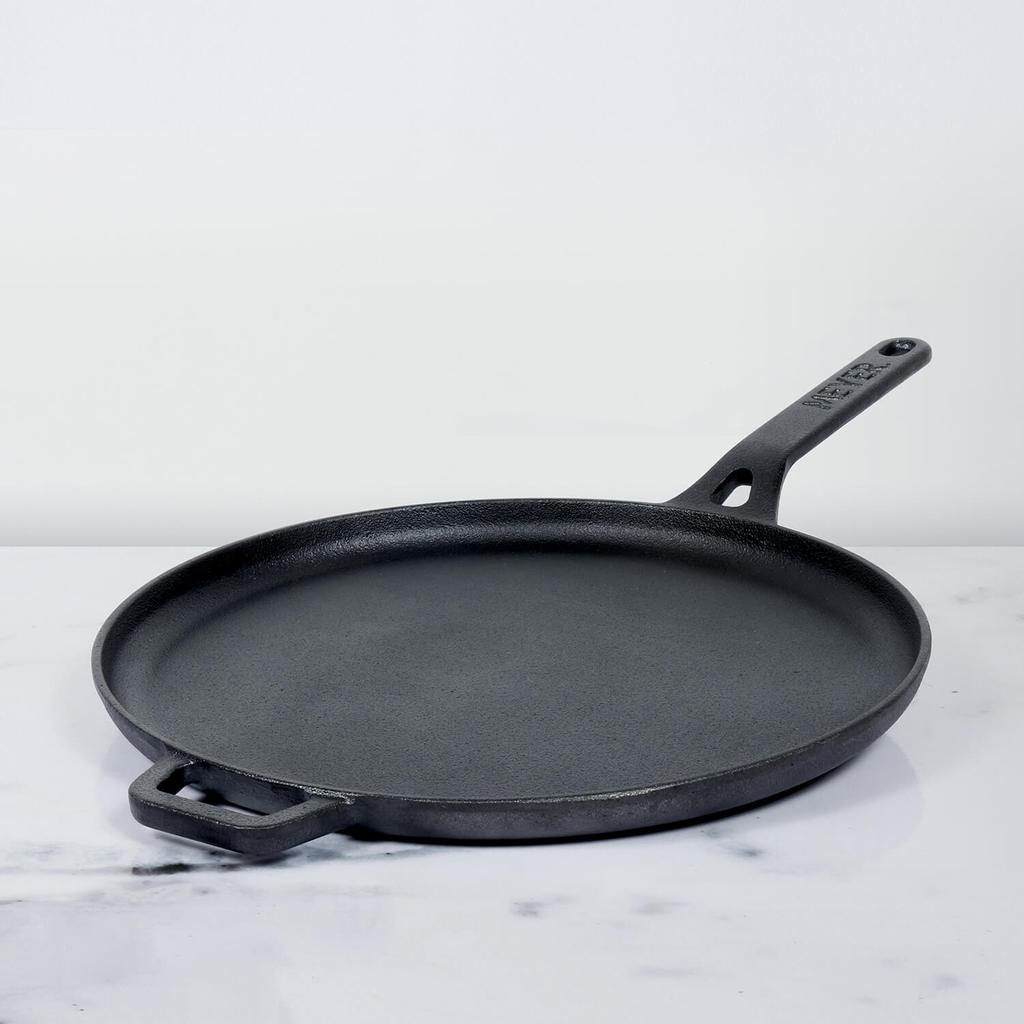


Leave a comment