



Non-stick cookware has become a familiar presence in modern Indian kitchens. From low-oil breakfasts to quick weekday meals, its convenience and ease of use have made it a popular choice. However, alongside its popularity, concerns about the safety and durability of non-stick cookware—especially for everyday Indian cooking—continue to surface.
The reality is simple yet often misunderstood: ordinary non-stick cookware may not always be designed for the demands of Indian cooking, but well-engineered, premium non-stick cookware can be both safe and highly effective when used correctly.
Understanding this difference is essential for consumers who cook daily and want both convenience and confidence in their cookware choices.
Table of Contents
- 1. Indian Cooking Places Unique Demands on Cookware
- 2. Why Ordinary Non-Stick Cookware Raises Concerns
- 3. The Role of Non-Stick Cookware in Indian Kitchens
- 4. How Meyer’s Non-Stick Cookware Is Designed Differently
- 5. Safety in Non-Stick Cookware: What Truly Matters
- 6. Durability and Everyday Cooking Performance
- 7. Why Non-Stick Cookware Should Be Part of a Balanced Kitchen
- 8. Correct Usage Enhances Safety and Longevity
- 9. Addressing Common Myths About Non-Stick Cookware
- 10. Conclusion
Indian Cooking Places Unique Demands on Cookware
Indian cooking techniques are distinct from many global cuisines. Daily cooking often involves:
- Preheating oil before adding spices
- Tempering mustard seeds, cumin, and curry leaves
- Cooking at medium to high heat
- Frequent stirring and sautéing
- Use of acidic ingredients like tomatoes, tamarind, and yogurt
These practices demand cookware that can handle consistent heat, even distribution, and repeated use. Cookware that is not built for such conditions can deteriorate faster, affecting both performance and safety.
This is where the distinction between ordinary non-stick cookware and thoughtfully designed, premium non-stick cookware becomes critical.

Why Ordinary Non-Stick Cookware Raises Concerns
Ordinary or low-quality non-stick cookware is often manufactured with thin bases, inconsistent coatings, and minimal attention to heat control. While these products may appear affordable and attractive, they are not always suited for everyday Indian cooking.
Common issues associated with ordinary non-stick cookware include:
-
Uneven heat distribution leading to hot spots
-
Overheating of the coating during tempering or preheating
-
Faster wear and tear when used daily
-
Increased risk of scratching due to weaker coating structures
-
Reduced lifespan under Indian cooking conditions
When non-stick cookware is overheated or the coating deteriorates, its non-stick performance declines and concerns around long-term safety arise. This is not a flaw of non-stick technology itself, but rather a consequence of poor design and material quality.
Meyer Midnight hard anodised nonstick Frypan, 24 cm
The Role of Non-Stick Cookware in Indian Kitchens
Despite these concerns, non-stick cookware continues to play an important role in Indian households. When used for the right dishes and made to appropriate standards, it offers clear benefits.
Non-stick cookware is particularly well suited for:
- Dosas, cheelas, uttapams, and pancakes
- Omelettes and egg-based dishes
- Low-oil shallow frying
- Light sautéing and reheating
- Everyday meals where quick cooking and easy cleanup are priorities
For these applications, non-stick cookware helps reduce oil usage, saves time, and simplifies cooking—making it an excellent supporting element in Indian kitchens.
The key lies in choosing non-stick cookware that is engineered for safety, durability, and real cooking habits.
How Meyer’s Non-Stick Cookware Is Designed Differently
Meyer’s approach to non-stick cookware is rooted in understanding how Indian households actually cook. Instead of treating non-stick cookware as a generic solution, Meyer designs its non-stick ranges to perform reliably under everyday conditions while maintaining safety standards.
Meyer’s non-stick cookware stands apart because of its focus on:
-
PFOA-free, toxin-free coatings
-
Carefully engineered base thickness for controlled heat distribution
-
Reduced hot spots that prevent overheating of the coating
-
Strong structural integrity for daily use
-
Compatibility with modern kitchens, including gas and induction where applicable
This thoughtful design ensures that Meyer’s non-stick cookware remains stable, safe, and effective for everyday cooking tasks, unlike ordinary non-stick cookware that may degrade under similar use.
Safety in Non-Stick Cookware: What Truly Matters
The safety of non-stick cookware depends less on the category itself and more on material quality, coating technology, and usage conditions.
High-quality non-stick cookware, such as Meyer’s ranges, is designed to perform safely when:
- Used at recommended heat levels
- Paired with appropriate utensils
- Maintained properly over time
Meyer uses advanced non-stick coatings that meet international safety standards, ensuring that everyday cooking remains both convenient and responsible.
In contrast, ordinary non-stick cookware often lacks these safeguards, which is why safety concerns are more commonly associated with lower-grade products rather than premium non-stick cookware.
Durability and Everyday Cooking Performance
Indian households cook frequently, sometimes multiple times a day. Cookware must withstand:
- Repeated heating and cooling cycles
- Regular stirring and sautéing
- Daily washing and cleaning
Meyer’s non-stick cookware is built with durability in mind, offering:
-
Stronger adhesion between coating layers
-
Robust bases that resist warping
-
Longer performance life when used correctly
While all non-stick cookware has a finite lifespan, premium construction significantly extends usability compared to ordinary alternatives, making it better suited for everyday Indian cooking.
Why Non-Stick Cookware Should Be Part of a Balanced Kitchen
The most effective Indian kitchens rely on a combination of cookware materials, each chosen for its strengths.
A balanced cookware setup typically includes:
- Non-stick cookware for low-oil, quick cooking
- Stainless steel cookware for gravies, dals, and acidic dishes
- Hard anodised or cast iron cookware for high-heat cooking and traditional preparations
Meyer offers a wide portfolio across these categories, allowing households to build a cookware set that is versatile, safe, and long-lasting without relying on a single material for all cooking needs.
Correct Usage Enhances Safety and Longevity
Even premium non-stick cookware performs best when used responsibly. Meyer encourages simple best practices that help maintain performance and safety:
- Avoid overheating empty pans
- Cook on low to medium heat for non-stick applications
- Use non-abrasive utensils
- Replace cookware when coating wear becomes visible
When these guidelines are followed, Meyer’s non-stick cookware remains a dependable choice for everyday cooking.
Addressing Common Myths About Non-Stick Cookware
One common misconception is that all non-stick cookware is unsafe. In reality, safety concerns arise primarily from ordinary, poorly designed non-stick cookware, not from premium, well-engineered products.
Another myth is that non-stick cookware can replace all other cookware. Indian cooking requires variety in heat control and cooking techniques, which is why non-stick cookware works best as part of a broader cookware ecosystem.
Conclusion
Non-stick cookware is neither inherently unsafe nor universally suitable—it depends entirely on quality, design, and intent of use. Ordinary non-stick cookware may struggle under the demands of Indian cooking, raising concerns about durability and performance.
However, Meyer’s non-stick cookware ranges are designed to meet the realities of everyday Indian kitchens, offering safe materials, controlled heat performance, and dependable durability. When used correctly and combined with other cookware materials, Meyer’s non-stick cookware becomes an invaluable part of daily cooking routines.
For Indian households seeking convenience without compromising on safety, the answer is not to avoid non-stick cookware, but to choose it wisely.
With Meyer’s wide range of thoughtfully designed non-stick cookware, everyday cooking can be efficient, safe, and enjoyable—exactly as it should be.
MORE FROM BLOG
Top Collections

Benefits of Using Nonstick Cookware for Weight Management
2 Items
Cast Iron Dosa Tawa Vs Nonstick Tawa: Best Dosa Tawa in India
2 Items
Difference Between Nonstick and Stainless Steel Kitchen Cookware
2 Items
Easy way to turn Stainless Steel Pan into Nonstick
2 Items
How Nonstick Cookware Promotes Healthier Eating Habits
2 Items
Nonstick Cookware: A Practical Solution for Busy Individuals Pursuing Weight Loss
2 Items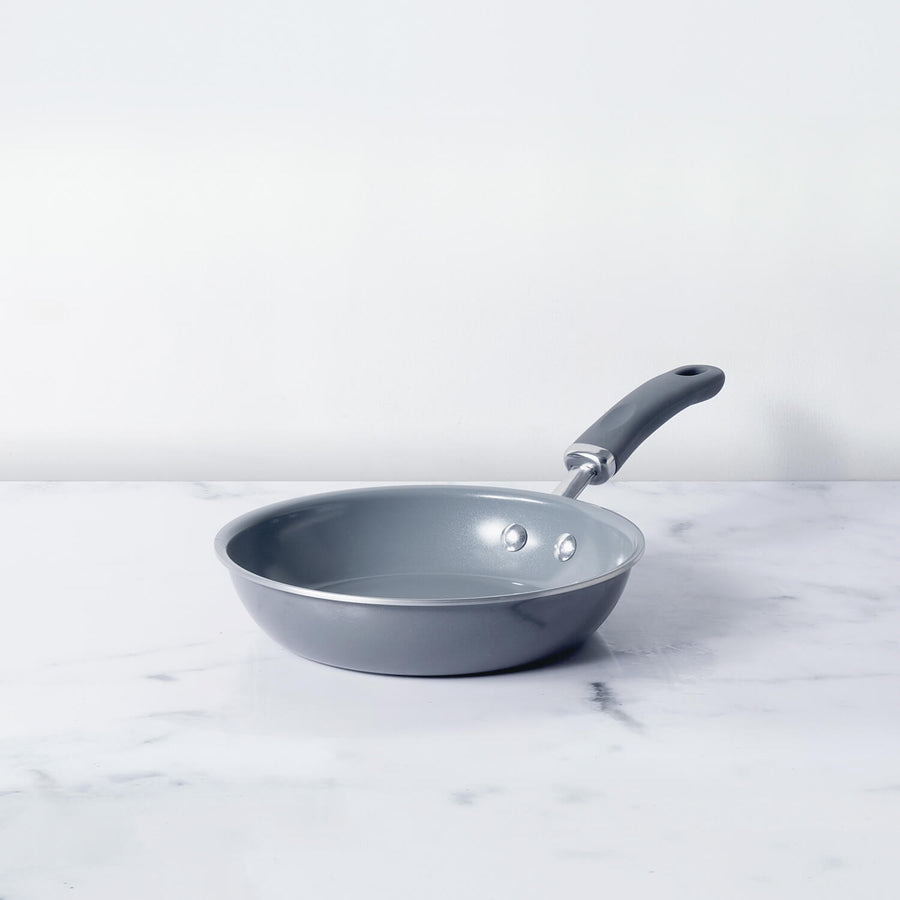


Leave a comment