



Indian cooking is one of the most diverse and technique-driven cuisines in the world. From high-heat tadka and slow-simmered dals to acidic tomato gravies and oil-controlled everyday meals, Indian recipes demand cookware that can adapt, respond, and perform consistently. This is why a common question among home cooks is whether stainless steel cookware is suitable for all Indian recipes.
The short answer is yes. Stainless steel cookware is suitable for almost all Indian recipes, and in many cases, it is the best cookware choice for Indian kitchens. In this detailed guide, we explore how stainless steel cookware performs across Indian cooking styles, where it excels, where technique matters, and why premium stainless steel cookware from Meyer is trusted for everyday Indian cooking.
Table of Contents
- 1. Why Stainless Steel Cookware Is a Natural Fit for Indian Cooking
- 2. Stainless Steel Cookware for Daily Indian Meals
- 3. Suitable for Acidic Indian Recipes
- 4. High-Heat Cooking, Tadka, and Roasting
- 5. Pressure Cooking and One-Pot Indian Meals
- 6. Low-Oil and Health-Focused Indian Cooking
- 7. Dosa, Chilla, and Sticky Foods: Technique Matters
- 8. Egg-Based Recipes and Delicate Foods
- 9. Even Heat Distribution: The Real Advantage
- 10. Stainless Steel vs Other Cookware for Indian Recipes
- 11. Why Meyer Stainless Steel Cookware Works for Indian Kitchens
- 12. Final Verdict
Why Stainless Steel Cookware Is a Natural Fit for Indian Cooking
Indian recipes are not limited to one cooking method. A single meal may involve tempering spices, sautéing onions, slow simmering gravies, pressure cooking dals, and shallow frying or roasting. Stainless steel cookware is uniquely suited to handle this complexity because it offers precise heat control, even heat distribution, high-heat tolerance, a non-reactive cooking surface, and long-term durability.
This versatility is why stainless steel cookware has been a staple in Indian households for generations and why modern tri-ply stainless steel cookware has become the preferred choice today.

Stainless Steel Cookware for Daily Indian Meals
Stainless steel cookware is ideal for everyday Indian cooking such as dal, sambhar, rasam, vegetable sabzis, rice, khichdi, pulao, curries, gravies, boiling, steaming, and simmering.
Because high-quality stainless steel cookware distributes heat evenly across the base and sidewalls, food cooks uniformly without burning at the bottom. This makes it especially useful for dishes that require patience and consistency. Meyer stainless steel cookware, designed with multi-ply construction, ensures predictable cooking results even with daily use on Indian gas stoves and induction cooktops.
Suitable for Acidic Indian Recipes
Indian cuisine uses acidic ingredients extensively, including tomatoes, tamarind, kokum, vinegar, lemon, and curd. Stainless steel cookware is completely non-reactive, which means there is no metallic taste, no discolouration of food, and no compromise on nutrition or flavour.
For recipes like rajma, chole, butter masala, sambar, and tomato-based gravies, stainless steel cookware allows long, controlled simmering without altering taste. Meyer’s nickel-free stainless steel cookware adds an extra layer of safety, making it ideal for health-conscious Indian households.
Meyer Select Stainless Steel Sauteuse 24cm
High-Heat Cooking, Tadka, and Roasting
Indian cooking often begins with high heat, especially for tadka, roasting whole spices, stir-frying vegetables, and shallow frying cutlets or kebabs. Stainless steel cookware is built to handle high temperatures without warping or releasing toxins. Unlike nonstick cookware, which degrades at high heat, stainless steel remains stable and safe.
Premium ranges from Meyer are reinforced with SteelShield technology, ensuring the cookware stays flat, strong, and responsive even under intense Indian cooking conditions.
Pressure Cooking and One-Pot Indian Meals
Pressure cooking is central to Indian kitchens, and stainless steel is the preferred material for pressure cookers. It handles pressure safely, distributes heat evenly, and prevents scorching at the base.
Whether you are cooking dal, rajma, chole, biryani, or vegetable pulao, stainless steel cookware ensures uniform cooking and better texture control. Meyer’s stainless steel cookware is designed to transition seamlessly from sautéing to pressure cooking, making it ideal for one-pot Indian meals.
Low-Oil and Health-Focused Indian Cooking
With rising health awareness, many Indian households are moving toward low-oil cooking, diabetic-friendly meals, and balanced everyday diets. Stainless steel cookware supports healthier cooking because proper preheating allows natural food release, less oil is required to prevent sticking, and temperature can be controlled precisely.
This makes stainless steel cookware suitable for modern Indian diets that prioritise flavour without excess oil.
Dosa, Chilla, and Sticky Foods: Technique Matters
While stainless steel cookware is suitable for most Indian recipes, very sticky foods like dosa, uttapam, chilla, and cheela require correct technique when cooked on stainless steel. These recipes need proper preheating, light oiling, controlled flame, and patience before flipping.
Experienced cooks can make excellent dosas on stainless steel, but beginners may find cast iron or nonstick tawas easier initially. This does not make stainless steel unsuitable; it simply rewards skill and technique.
Egg-Based Recipes and Delicate Foods
Soft omelettes or scrambled eggs can stick if the pan is not heated correctly. However, with proper temperature control, stainless steel cookware works well for boiled eggs, egg bhurji, egg curry, and shakshuka-style dishes.
Once again, heat control is the key factor, and this is where high-quality tri-ply stainless steel cookware performs best.
Even Heat Distribution: The Real Advantage
What truly makes stainless steel cookware suitable for Indian recipes is multi-ply construction. High-quality stainless steel cookware consists of an inner layer of food-grade stainless steel, an aluminum core for heat conduction, and an outer magnetic stainless steel layer for induction compatibility.
This structure ensures there are no hot spots, cooking is even across the base and sides, and the cookware responds quickly to flame changes. Meyer’s tri-ply stainless steel cookware is engineered specifically for Indian kitchens, making it one of the best stainless steel cookware options in India.
Stainless Steel vs Other Cookware for Indian Recipes
Stainless steel cookware is suitable for around 90 to 95 percent of Indian recipes and offers the best balance of control, safety, and versatility. Nonstick cookware has limited use due to high-heat restrictions, cast iron is effective but heavy and slow to respond, and aluminum cookware is reactive and heats unevenly.
This makes stainless steel the most reliable all-purpose cookware for Indian kitchens.
Why Meyer Stainless Steel Cookware Works for Indian Kitchens
With over 60 years of global cookware expertise, Meyer designs stainless steel cookware tailored for Indian cooking needs. Its cookware features tri-ply and multi-ply construction, nickel-free stainless steel options, SteelShield reinforced durability, induction and gas stove compatibility, even heat distribution, and long-lasting toxin-free performance.
Whether you are a beginner or an experienced home cook, Meyer cookware supports confident, controlled Indian cooking.
Final Verdict: Is Stainless Steel Cookware Suitable for All Indian Recipes?
Stainless steel cookware is suitable for almost all Indian recipes. It works exceptionally well for dals, curries, gravies, rice, tadka, pressure cooking, and everyday meals. It is safe for acidic foods, handles high heat confidently, supports healthier low-oil cooking, and offers durability and versatility.
With the right technique and high-quality cookware, stainless steel becomes the most dependable choice in an Indian kitchen. Choosing Meyer stainless steel cookware means choosing consistency, control, and confidence for everyday Indian cooking.
MORE FROM BLOG
Top Collections
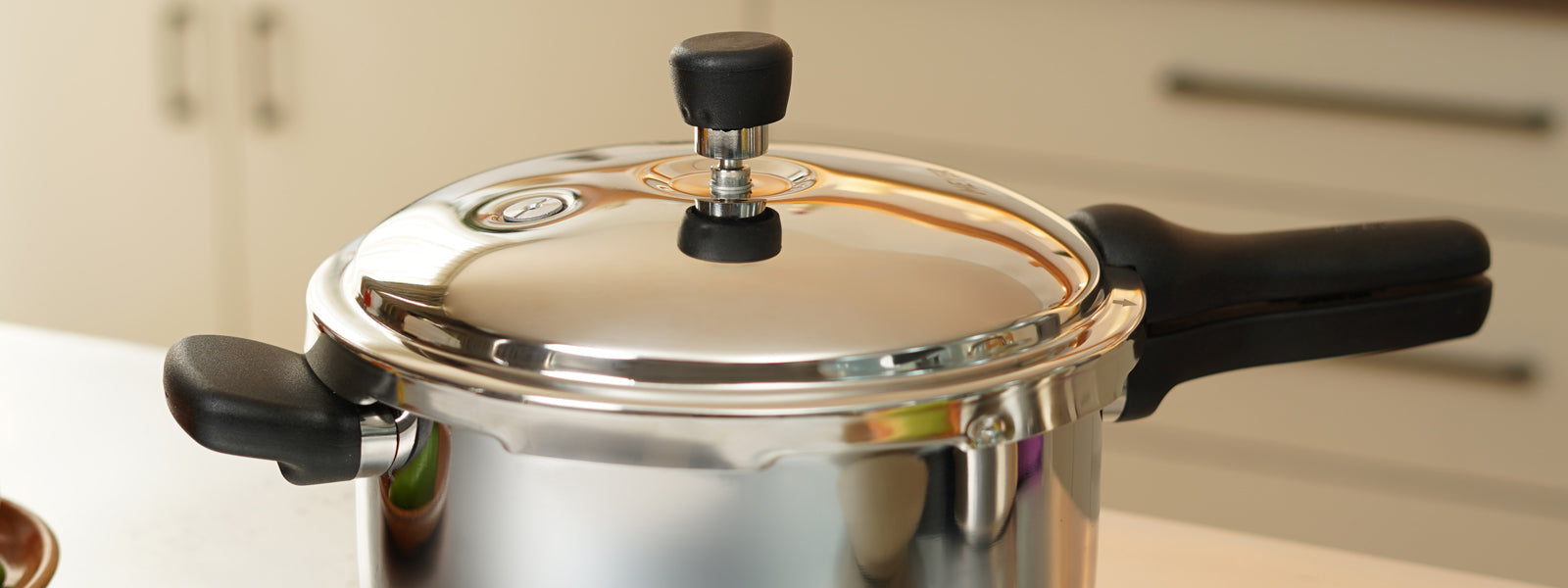
Best Stainless Steel Cookers for Daily Cooking
2 Items
Best Ways to Maintain the Shine of Your Stainless Steel Cookware
2 Items
Can I use stainless steel cookware in an electric oven?
2 Items
Cast Iron Vs Stainless Steel: Which Is Right For You?
2 Items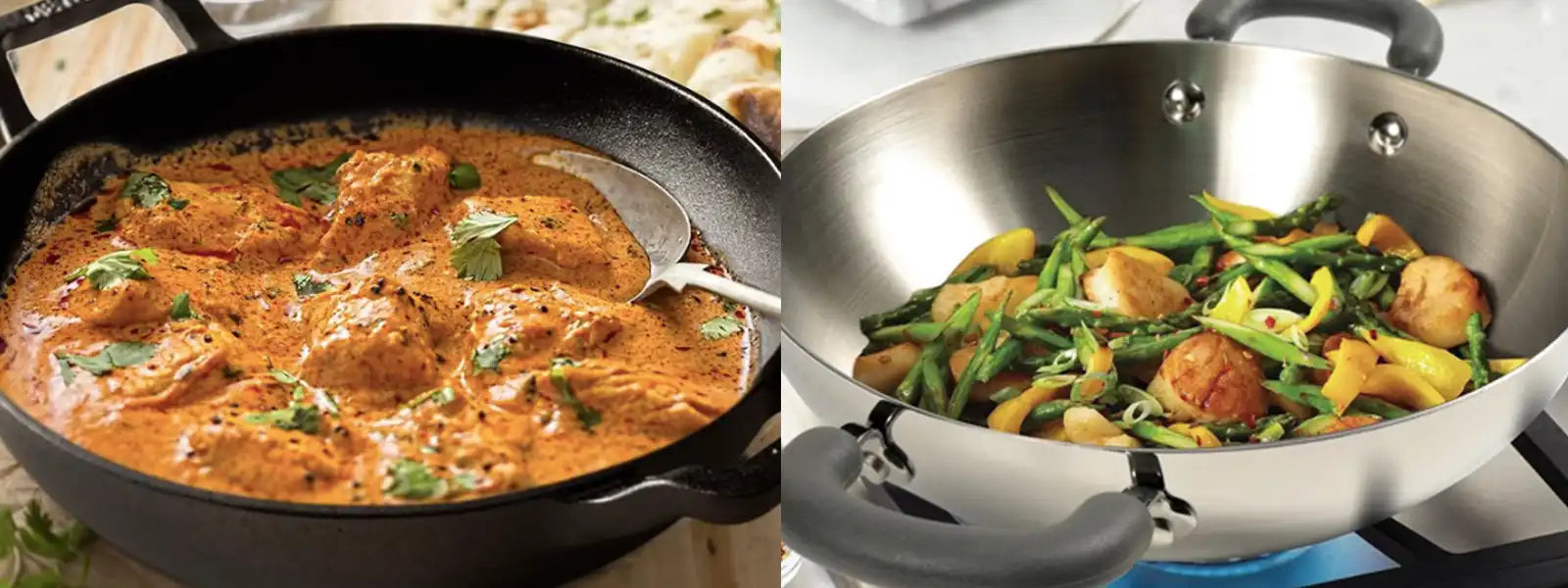
Cast Iron vs. Stainless Steel Cookware (What's the Difference?)
2 Items


Leave a comment