



Indian cooking is deeply rooted in intuition—knowing when the tadka is ready by smell, judging oil temperature by sound, or simmering curries “until they look right.” But kitchens in 2026 are evolving. Smart cookware equipped with built-in temperature sensors, Bluetooth connectivity, and real-time cooking alerts is gaining popularity.
The big question is: Do temperature sensors genuinely improve Indian cooking, or do they complicate a process that has always relied on instinct?
Let’s explore how smart cookware fits into the Indian kitchen, its advantages, limitations, and whether it can complement iconic cookware ranges like those from Meyer.
Table of Contents
Understanding Smart Cookware with Temperature Sensors
Smart cookware uses embedded sensors to monitor heat levels and sometimes even moisture. These sensors send data to your smartphone or display notifications on the cookware handle.
In 2026, the most common features include:
-
Real-time temperature tracking for accurate cooking
-
Auto alerts for overheating
-
Safe-temperature guides for oil and delicate foods
-
Precision controls when paired with induction cooktops
-
Recipe-guided cooking via apps
For Indian kitchens—where heat control is essential—these features can be surprisingly useful.

Why Temperature Sensors Matter in Indian Cooking
1. Perfecting Tadka Without Burning It
Tadka is temperature-sensitive.
- Mustard seeds crack at a specific heat.
- Garlic burns within seconds if the oil is too hot.
- Curry leaves splutter best at a controlled temperature.
Smart cookware alerts you when the oil reaches the ideal heat range, helping prevent burnt tadka—one of the most common kitchen mishaps.
2. Better Oil Management for Healthier Cooking
Indian homes are moving toward low-oil or oil-free cooking. But overheating oil creates harmful compounds. Temperature sensors can warn you when oil is about to cross its smoke point.
This is especially useful when using stainless steel cookware like Meyer Presta or Meyer Centennial, where precise heat control enhances performance.
3. Consistency in Recipes
Dosa batter spreads best when the tawa is at the right temperature—not too hot, not too cold.
Smart sensors ensure:
- The surface is uniformly heated
- You get the same browning each time
- Avoid undercooked or rubbery dosas
Whether using a Meyer Cast Iron Tawa or a hard-anodized pan, the right temperature is crucial.
4. Preventing Food from Sticking
Many sticking issues in Indian kitchens happen because the pan is either too cold (protein sticks) or too hot (oil burns).
Temperature guidance helps especially with:
- Stir-fries
- Paneer tikka
- Fish fry
- Roti and paratha preparation
It can significantly reduce frustration, particularly for beginners.
5. Frying Made Safer and More Efficient
Deep frying in Indian cooking demands precision.
Temperature sensors ensure:
- Oil stays between 170°C–190°C
- Pakoras, pooris, and jalebis remain crisp
- No soggy or greasy frying
When paired with heavy-bottom pans like Meyer Merlot or Bauhaus, you get stable heat distribution along with smart monitoring.
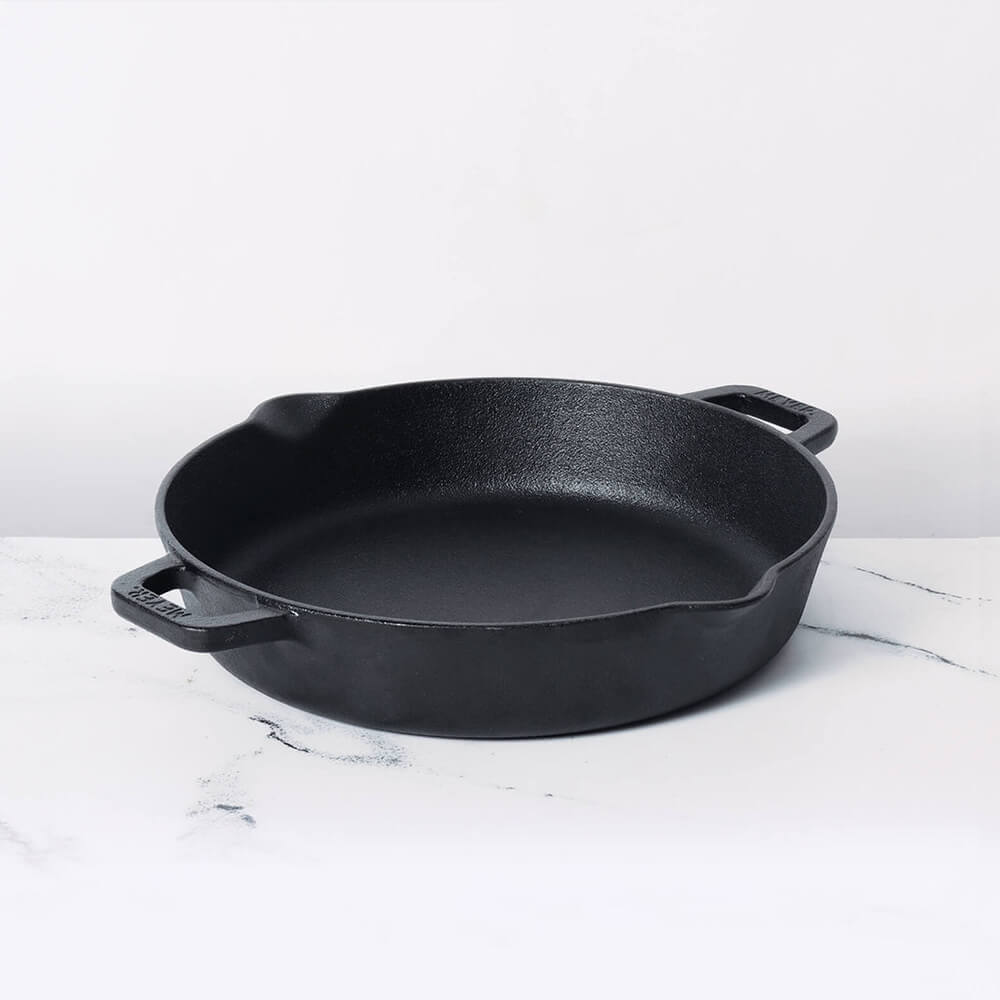
Meyer Pre-Seasoned Cast Iron Grill Pan, 25 cm, Black
Do You Really Need Smart Cookware?
Not necessarily—but it can help. Here’s when temperature sensors make a real difference:
Helpful For:
- New cooks
- Health-conscious families
- People shifting to stainless steel or cast iron
- Homes using induction cooktops
- Precision-heavy recipes (dosa, halwa, caramel, biryani)
Less Useful For:
-
Very traditional cooks who rely purely on instinct
-
Simple everyday tasks like boiling dal
-
Households that prefer manual heat control
Limitations of Smart Cookware in 2026
While beneficial, smart cookware isn’t perfect:
- Higher cost than traditional pans
- Battery or charging requirements for some models
- Heavier due to embedded technology
- Compatibility issues with older stoves
And, of course, no technology can fully replace generational skill and experience.
Where Smart Cookware Fits in the Indian Kitchen of the Future
Smart cookware is not replacing traditional cast iron, stainless steel, or non-stick pans. Instead, it enhances them. Many advanced cookware brands, including those with tri-ply stainless steel or cast iron like Meyer, are exploring hybrid solutions—traditional materials paired with modern functionality.
In 2026 and beyond, the Indian kitchen will likely use:
- Smart tawas for dosa and roti
- Smart kadhais for precise frying
- Smart saucepans for milk boiling alerts
- Smart Dutch ovens for slow cooking
It's a blend of tech and tradition.
Conclusion
Temperature sensors in smart cookware do help Indian cooking—especially when it comes to heat management, safety, and consistent results. They are not replacements for skill but useful tools to support healthier and more precise cooking.
With brands innovating towards smarter stainless steel and cast iron solutions, 2026 marks a new era where Indian kitchens can enjoy the best of both worlds: the authenticity of traditional cooking and the accuracy of modern technology.
MORE FROM BLOG
Top Collections
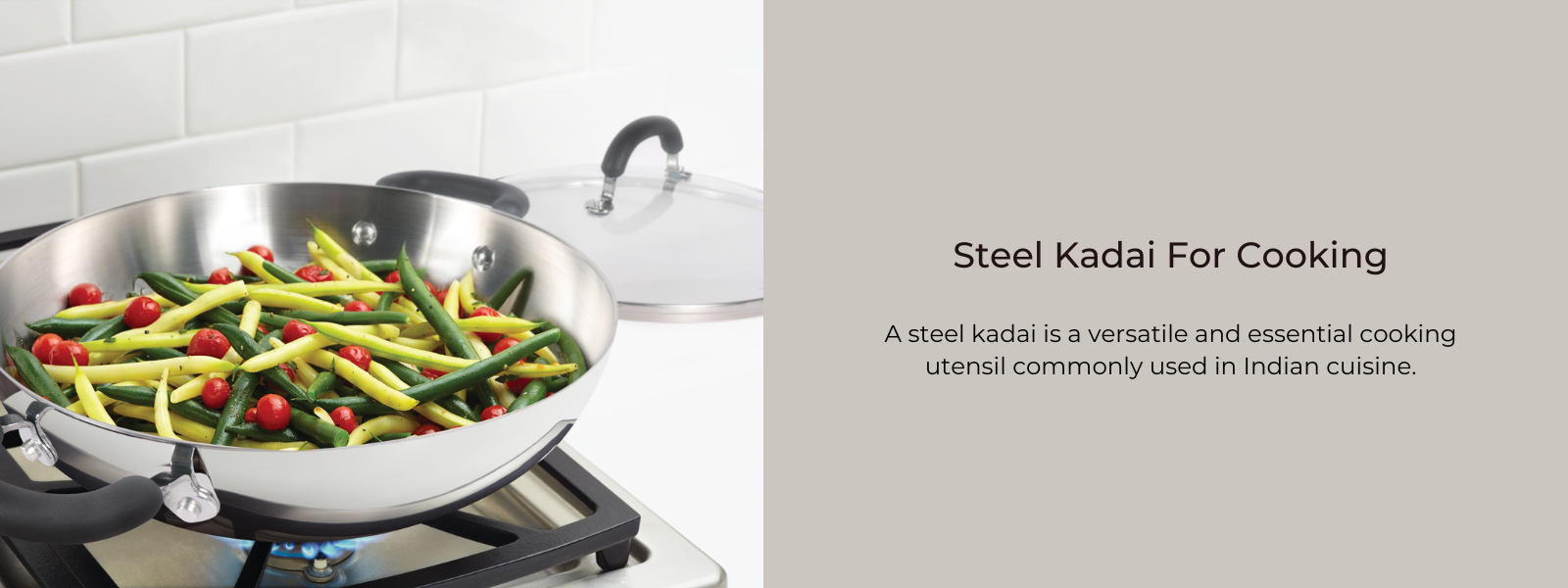
Steel Kadai For Cooking: Versatile Cookware For Indian Meals
2 Items
Best Ways to Maintain the Shine of Your Stainless Steel Cookware
2 Items
Cookware for Gifting: What to Choose for Food Lovers in 2025
2 Items
How to Avoid Rust on Your Cast Iron Cookware in 2025
2 Items
Overcoming Cooking Challenges with Nonstick Cookware on the Weight Loss Journey
2 Items


Leave a comment