



A good fry pan is one of the most used pieces of cookware in any Indian kitchen. From sautéing onions and tomatoes to frying eggs, preparing dosas, or making quick sabzis, a reliable fry pan can make everyday cooking easier and more enjoyable.
But when it comes to choosing the right fry pan, many home cooks find themselves deciding between stainless steel fry pans and non-stick fry pans. Both are popular, both are widely used, and each comes with its own advantages.
The truth is that stainless steel and non-stick fry pans are designed for different cooking needs. Understanding how each one performs can help you choose the best cookware for your kitchen. Brands like Meyer, known for their thoughtfully designed cookware, offer both stainless steel and non-stick fry pans that cater to different cooking styles and preferences.
Table of Contents
- 1. Why Fry Pans Matter in Indian Kitchens
- 2. Understanding Stainless Steel Fry Pans
- 3. Benefits of Stainless Steel Fry Pans
- 4. Limitations of Stainless Steel Fry Pans
- 5. Understanding Non-Stick Fry Pans
- 6. Benefits of Non-Stick Fry Pans
- 7. Limitations of Non-Stick Fry Pans
- 8. When to Use Stainless Steel Fry Pans
- 9. When to Use Non-Stick Fry Pans
- 10. The Best Strategy for Indian Kitchens
- 11. Final Thoughts
Why Fry Pans Matter in Indian Kitchens
Indian cooking involves a variety of techniques that require versatile cookware. A fry pan is often used for:
· Sautéing onions, garlic, and spices
· Cooking omelettes and eggs
· Preparing quick vegetable stir-fries
· Making dosas, pancakes, and chillas
· Frying paneer or fish
Because these dishes involve different cooking temperatures and ingredients, the material of the fry pan plays an important role in the cooking experience.
Both stainless steel and non-stick fry pans have their place in modern kitchens, and understanding their differences can help you cook more efficiently.

Understanding Stainless Steel Fry Pans
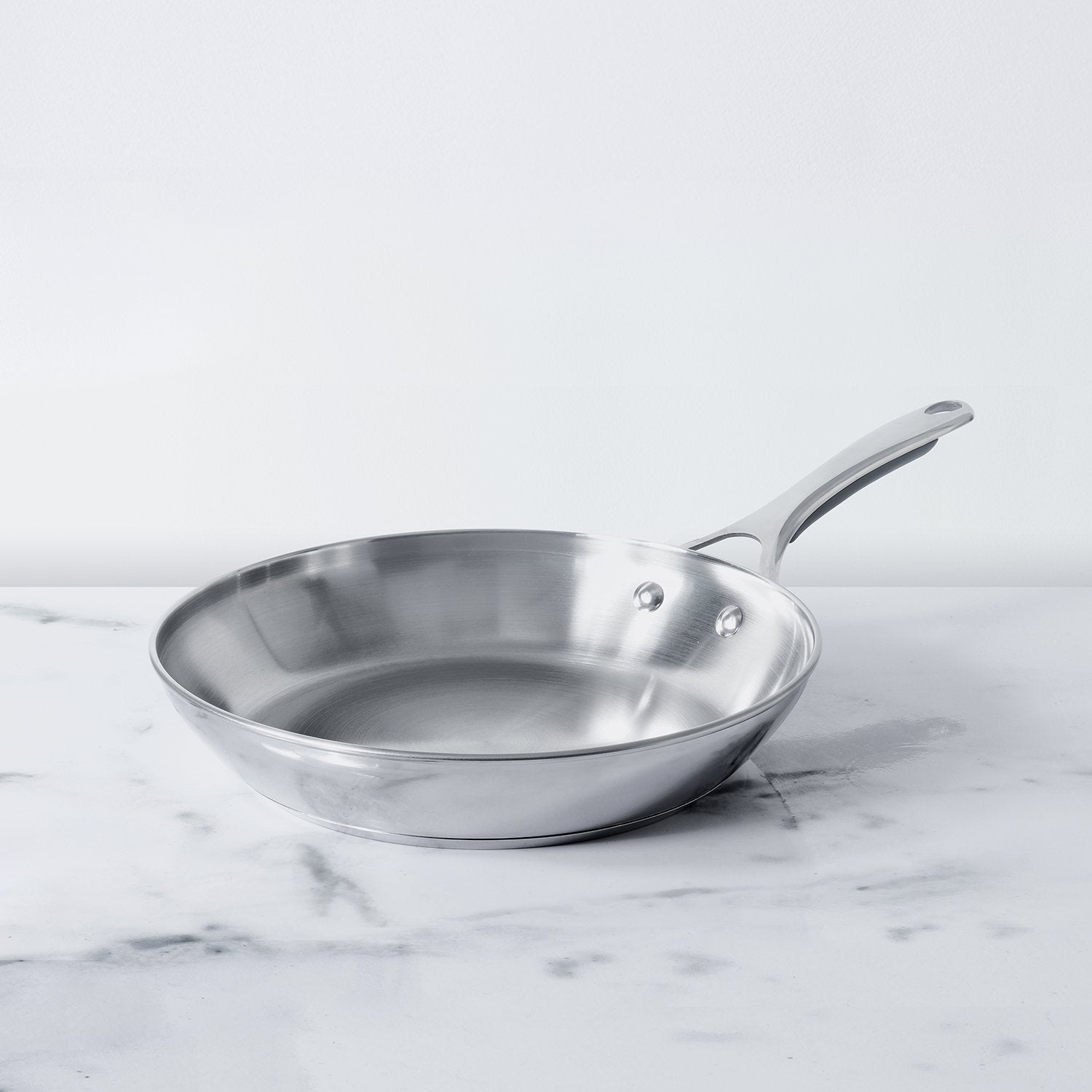
Stainless steel cookware is known for its durability, strength, and ability to handle high heat cooking. High-quality stainless steel fry pans often feature multi-layer construction, where aluminium or copper is sandwiched between stainless steel layers to improve heat distribution.
Meyer stainless steel fry pans, particularly those made with tri-ply construction, are designed to distribute heat evenly across the cooking surface, preventing hot spots and allowing food to cook more consistently.
Key Features of Stainless Steel Fry Pans
· Extremely durable and long-lasting
· Non-reactive surface suitable for acidic foods
· Capable of handling high heat cooking
· Resistant to scratches and corrosion
These qualities make stainless steel cookware a trusted choice for many professional chefs and experienced home cooks.
Benefits of Stainless Steel Fry Pans
Excellent for High Heat Cooking
Stainless steel pans can withstand very high temperatures without damage. This makes them perfect for cooking techniques such as:
· Searing paneer or meats
· Stir-frying vegetables
· Browning onions and spices
Because of their heat tolerance, Meyer stainless steel fry pans are ideal for dishes that require intense heat for proper flavor development.
Ideal for Browning and Caramelisation
One of the biggest advantages of stainless steel cookware is its ability to produce a rich golden-brown crust on food.
When ingredients are cooked in stainless steel pans, they caramelize beautifully, enhancing flavor and texture. This is particularly useful when preparing dishes that start with sautéed onions or roasted spices.
Long-Lasting Durability
A well-made stainless steel fry pan can last for decades with proper care. It does not have a coating that wears out over time, making it a long-term investment for the kitchen.
Cookware from trusted brands like Meyer is designed to maintain its performance even after years of regular cooking.
Limitations of Stainless Steel Fry Pans
Despite their advantages, stainless steel fry pans also require a little more cooking technique.
Food Can Stick if Not Used Correctly
Unlike non-stick pans, stainless steel cookware does not have a coated surface. Food can stick if the pan is not properly preheated or if insufficient oil is used.
However, once the correct cooking technique is learned, stainless steel pans can perform extremely well.
Requires Slightly More Oil
For certain dishes such as eggs or pancakes, stainless steel pans may require more oil than non-stick cookware.
Understanding Non-Stick Fry Pans
Non-stick fry pans feature a special coating that prevents food from sticking to the cooking surface. This makes them one of the most convenient cookware options for everyday cooking.
Modern non-stick cookware has evolved significantly over the years. Many high-quality options are now designed to be durable, safe, and easy to use.
Meyer non-stick fry pans, for example, are designed with advanced non-stick coatings that allow food to release easily while requiring very little oil.
Benefits of Non-Stick Fry Pans
Effortless Cooking
One of the biggest advantages of non-stick fry pans is convenience. Food slides off the surface easily, which makes cooking simple and stress-free.
This is especially helpful for beginner cooks or busy households where quick meal preparation is important.
Requires Less Oil
Non-stick pans are excellent for low-oil cooking. Because food does not stick easily, you can prepare dishes using minimal oil.
This makes non-stick cookware popular for preparing healthier meals.
Perfect for Delicate Foods
Some foods are naturally sticky and difficult to cook in regular pans.
Non-stick fry pans are ideal for dishes such as:
· Eggs and omelettes
· Dosas and pancakes
· Fish fillets
· Chillas and crepes
The smooth cooking surface allows these foods to cook evenly without tearing or breaking.
Easy Cleaning
Another advantage of non-stick cookware is its easy cleanup. Because food residue does not stick strongly to the surface, cleaning usually requires only a gentle wipe with warm water and mild soap.
Limitations of Non-Stick Fry Pans
Non-stick cookware also has certain limitations.
Not Suitable for Very High Heat
Non-stick coatings perform best at medium temperatures. Prolonged exposure to very high heat can damage the coating over time.
Coating Can Wear Over Time
Unlike stainless steel cookware, non-stick coatings may gradually wear down after years of use. However, using the right utensils and cooking methods can extend the lifespan of the cookware.
Quality cookware from reliable brands such as Meyer is designed with durable coatings to improve longevity.
When to Use Stainless Steel Fry Pans
Stainless steel cookware works best for cooking techniques that require strong heat and deep flavor development.
Ideal Cooking Uses
· Sautéing onions and spices
· Stir-frying vegetables
· Browning paneer or meats
· Preparing gravies and sauces
Because of their durability and performance, stainless steel fry pans from Meyer Select and Meyer Trivantage are excellent for everyday Indian cooking that involves sautéing and high heat techniques.
When to Use Non-Stick Fry Pans
Non-stick fry pans shine in situations where easy cooking and low oil usage are important.
Ideal Cooking Uses
· Cooking eggs and omelettes
· Making dosas or pancakes
· Preparing delicate foods
· Quick breakfast recipes
A Meyer non-stick fry pan is particularly useful for busy mornings when you need fast, reliable cooking with minimal cleanup.
The Best Strategy for Indian Kitchens
Many experienced home cooks prefer to keep both stainless steel and non-stick fry pans in their kitchen.
Each type of cookware performs best in different situations.
A balanced kitchen setup could include:
· A stainless steel fry pan for sautéing vegetables, making gravies, and high heat cooking
· A non-stick fry pan for eggs, pancakes, dosas, and low-oil cooking
Brands like Meyer offer a wide range of both cookware types, making it easy to build a versatile kitchen that supports different cooking styles.
Final Thoughts
Choosing between stainless steel and non-stick fry pans does not have to be an either-or decision. Both materials offer unique advantages and can complement each other in the kitchen.
Stainless steel fry pans provide exceptional durability, high heat tolerance, and excellent browning capabilities. Non-stick fry pans offer convenience, low-oil cooking, and effortless food release.
With thoughtfully designed cookware like Meyer stainless steel and non-stick fry pans, home cooks can enjoy the benefits of both materials and prepare a wide variety of dishes with confidence.
Ultimately, the best choice depends on your cooking style. But for most Indian kitchens, having both types of fry pans ensures that you are always equipped with the right cookware for every meal.
MORE FROM BLOG
Top Collections
Benefits of using stainless steel cookware in India
2 Items
Best Stainless Steel Cookers for Daily Cooking
2 Items
Best stainless steel cookware for summer cooking
2 Items
How not to cook with stainless steel cookware
2 Items
Is stainless steel cookware suitable for all Indian recipes?
2 Items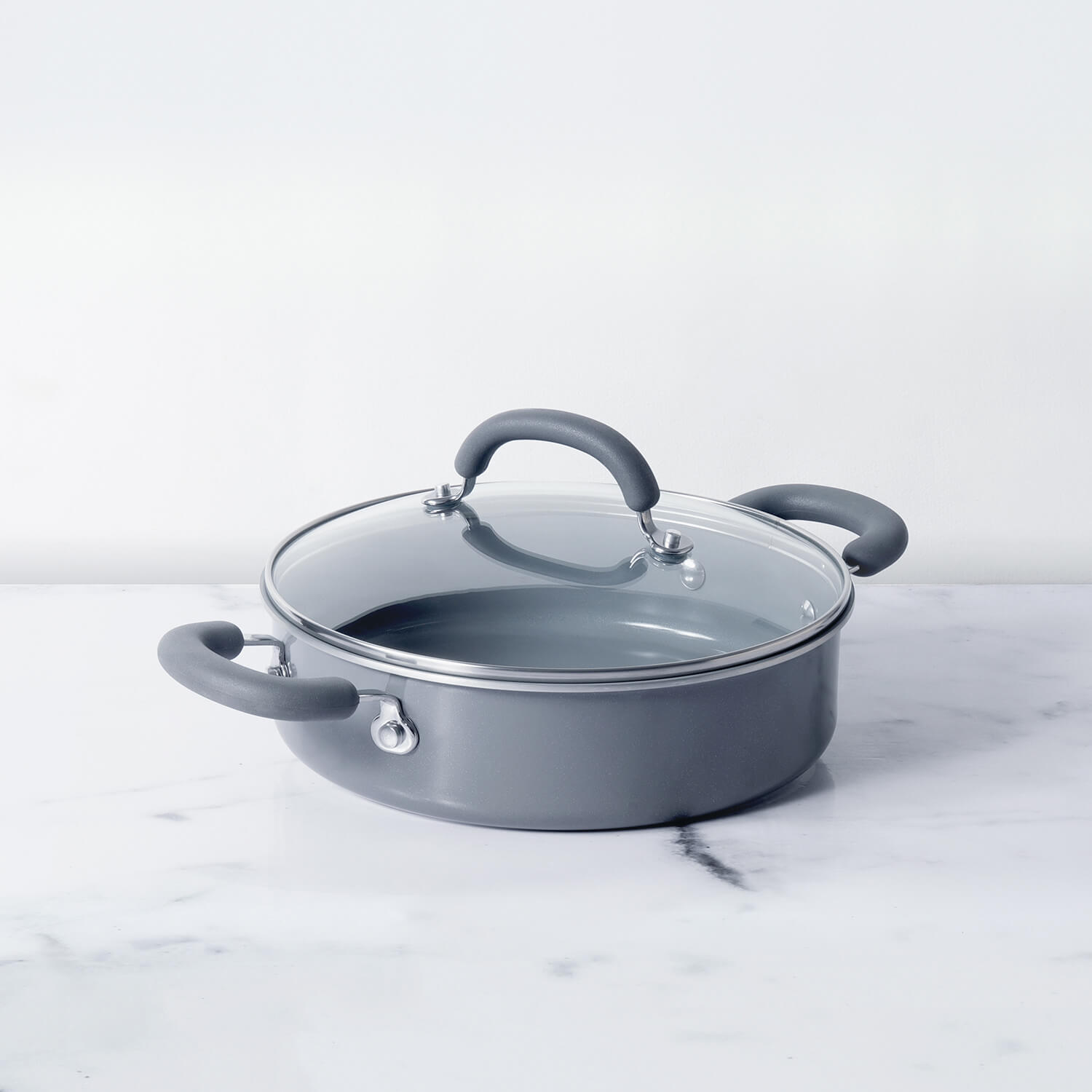


Leave a comment