



In today’s kitchens, cookware is no longer just about functionality—it’s about health, durability, cooking performance, and long-term safety. Among the most commonly used materials, the debate between steel vs aluminium cookware continues to be one of the most relevant, especially in Indian households where cooking involves a mix of high heat, acidic ingredients, and diverse techniques.
From boiling dals and simmering curries to frying and sautéing, the material of your cookware plays a crucial role in how your food cooks—and how safe it is over time.
In this guide, we’ll break down the pros, cons, and health impact of stainless steel and aluminium cookware, while also exploring how modern innovations from brands like Meyer are transforming these traditional materials into high-performance kitchen essentials.
Table of Contents
Understanding Stainless Steel Cookware
Stainless steel cookware is made by combining steel with elements like chromium and nickel, which enhance its strength, corrosion resistance, and non-reactive nature. This makes it one of the most trusted materials for long-term kitchen use.
Premium cookware like Meyer Select Stainless Steel and Meyer Trivantage Tri-Ply Cookware further enhances performance by incorporating multi-layer construction, where aluminium is sandwiched between steel layers to improve heat conductivity.
Key Benefits of Stainless Steel
One of the biggest advantages of stainless steel cookware is its non-reactive surface, which ensures that it does not interact with acidic or alkaline foods. This makes it ideal for cooking dishes that include tomatoes, tamarind, lemon, or vinegar—common ingredients in Indian cuisine.
Stainless steel is also known for its exceptional durability. It does not chip, peel, or wear out like coated cookware, making it a long-term investment. With proper care, high-quality stainless steel cookware can last for years, even decades.
Additionally, stainless steel cookware is safe for high-heat cooking, allowing you to perform techniques like searing, sautéing, and deglazing without worrying about damage.
Limitations of Stainless Steel
Despite its strengths, stainless steel cookware does have a learning curve. Because it is not naturally non-stick, food can stick if the pan is not preheated properly or if insufficient oil is used.
It also tends to be heavier than aluminium cookware, which may make handling slightly less convenient for some users. However, these minor drawbacks are often outweighed by its durability and safety.

Understanding Aluminium Cookware
Aluminium cookware is one of the most widely used materials due to its excellent heat conductivity and affordability. It heats up quickly and distributes heat evenly, making it a popular choice for everyday cooking.
Modern aluminium cookware often comes in different forms:
-
Regular aluminium
-
Hard anodized aluminium
-
Non-stick coated aluminium
Premium brands like Meyer Accent Hard Anodized Cookware have significantly improved aluminium cookware by making it more durable, non-reactive, and suitable for long-term use.
Key Benefits of Aluminium Cookware
Aluminium is an excellent conductor of heat, which means it heats up quickly and responds instantly to temperature changes. This makes it highly efficient for cooking tasks that require precision and speed.
It is also lightweight and easy to handle, making it ideal for daily use, especially in busy kitchens.
Hard anodized aluminium, in particular, offers enhanced durability and a non-reactive surface, addressing many of the concerns associated with traditional aluminium cookware.
Limitations of Aluminium Cookware
One of the primary concerns with regular aluminium cookware is its reactivity with acidic foods, which can affect both the taste and safety of the food. This is why uncoated aluminium is generally not recommended for cooking dishes with high acidity.
Additionally, aluminium cookware is softer and more prone to scratches, dents, and warping over time. Non-stick coatings on aluminium cookware can also wear out, requiring replacement after a few years.
Steel vs Aluminium: Side-by-Side Comparison
1. Heat Conductivity
Aluminium is a superior heat conductor compared to stainless steel. It heats up faster and distributes heat more evenly, making it ideal for quick cooking.
Stainless steel, on its own, is not a great conductor of heat. However, tri-ply cookware like Meyer Trivantage solves this issue by incorporating an aluminium core, combining the best of both materials.
Winner: Aluminium (pure), Tri-ply steel (best of both)
2. Durability
Stainless steel is extremely durable and resistant to damage. It does not warp easily and can withstand heavy use.
Aluminium cookware, especially regular aluminium, is more prone to wear and tear. Hard anodized variants improve durability but still do not match stainless steel in longevity.
Winner: Stainless steel
3. Health and Safety
Stainless steel is non-reactive and does not leach into food, making it one of the safest cookware materials.
Aluminium, in its raw form, can react with acidic foods and may leach into food. However, hard anodized aluminium and coated cookware significantly reduce this risk.
Winner: Stainless steel
4. Ease of Use
Aluminium cookware is lightweight and heats quickly, making it easier to use for everyday cooking.
Stainless steel requires more skill, especially to prevent sticking, but offers better control once mastered.
Winner: Aluminium
5. Maintenance
Stainless steel is easy to maintain and can handle scrubbing without damage.
Aluminium cookware, especially non-stick variants, requires gentle handling and careful cleaning.
Winner: Stainless steel
Health Impact: What You Need to Know
Health concerns around cookware often focus on chemical safety and metal leaching.
Stainless steel is widely regarded as one of the safest materials because it is chemically stable and non-reactive. High-quality options like Meyer Select Nickel-Free Stainless Steel further enhance safety by eliminating nickel, making them suitable for sensitive users.
Aluminium cookware, when uncoated, can react with acidic foods and may contribute to metal intake. While the amounts are generally considered safe, many experts recommend using hard anodized or coated aluminium cookware to minimize exposure.
The key takeaway is that quality and construction matter more than the base material alone.
The Meyer Advantage: Combining Safety with Performance
Modern cookware innovation has made it possible to overcome the limitations of both materials.
Meyer Trivantage Tri-Ply Cookware
-
Combines stainless steel durability with aluminium heat conductivity
-
Ensures even cooking and long-lasting performance
-
Ideal for Indian cooking techniques
Meyer Select Stainless Steel
-
Nickel-free construction for enhanced safety
-
Highly durable and non-reactive
-
Suitable for all types of cooking
Meyer Accent Hard Anodized Cookware
-
Strengthened aluminium surface
-
Non-reactive and durable
-
Excellent heat performance
These innovations allow users to enjoy the best of both worlds, eliminating the need to compromise.
What Should You Choose?
Choose Stainless Steel If You:
-
Want long-lasting cookware
-
Cook frequently with acidic ingredients
-
Prefer high-heat cooking
-
Prioritize safety
Choose Aluminium If You:
-
Want lightweight cookware
-
Need quick heating
-
Prefer budget-friendly options
-
Cook simple, everyday meals
Best Approach: Use Both
Modern kitchens benefit from a combination approach:
-
Stainless steel for durability and safety
-
Aluminium (hard anodized) for efficiency and ease
Final Verdict
When comparing steel vs aluminium cookware:
-
Stainless steel wins in durability and safety
-
Aluminium wins in heat efficiency and ease of use
However, the smartest choice in 2026 is not choosing one over the other—but using them together strategically.
Conclusion
The choice between steel and aluminium cookware ultimately depends on your cooking style, priorities, and long-term goals.
With advanced cookware solutions from Meyer, you can move beyond this debate and build a kitchen that offers performance, safety, and versatility in equal measure.
Because great cooking doesn’t just depend on ingredients—it depends on the cookware you trust every day.
MORE FROM BLOG
Top Collections
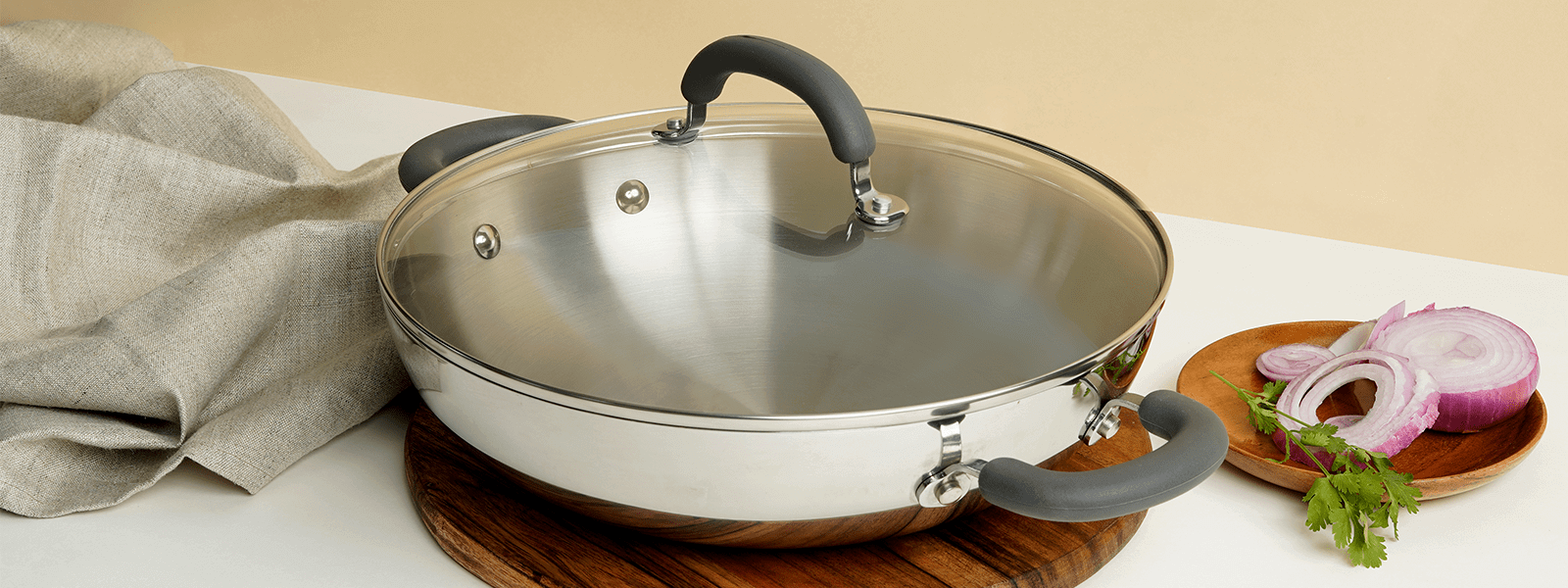
Best stainless steel cookware for summer cooking
2 Items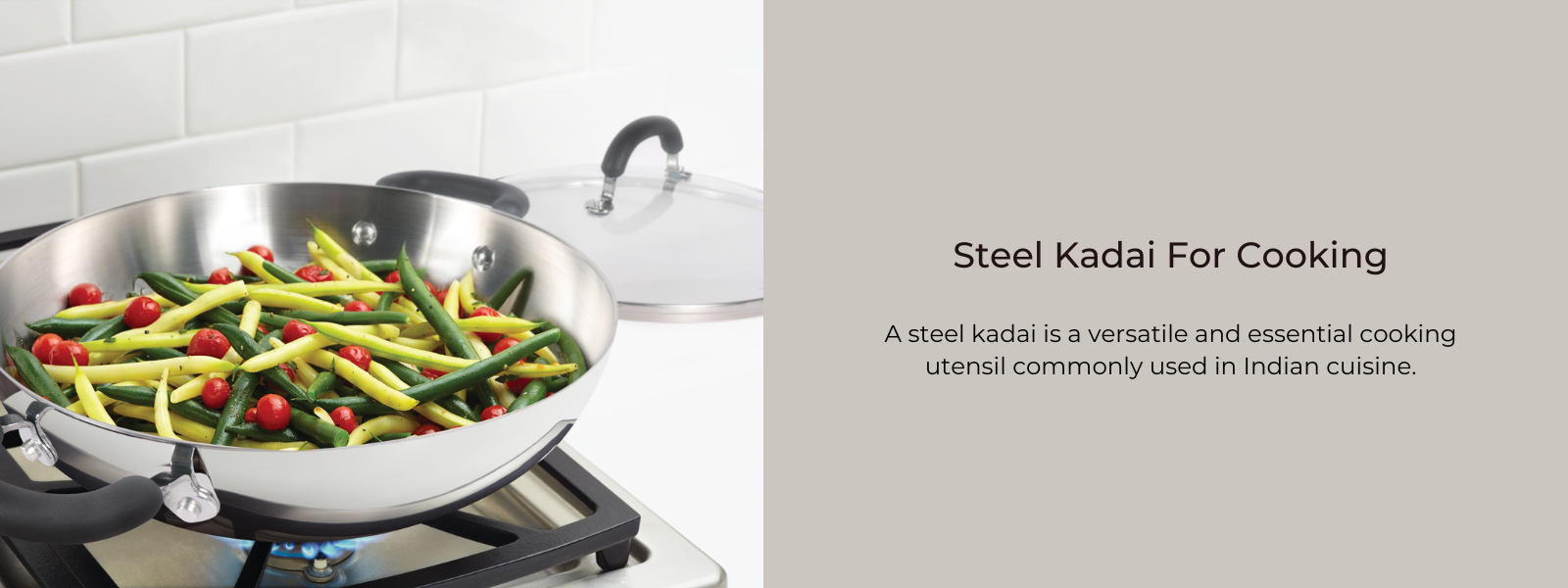
Steel Kadai For Cooking: Versatile Cookware For Indian Meals
2 Items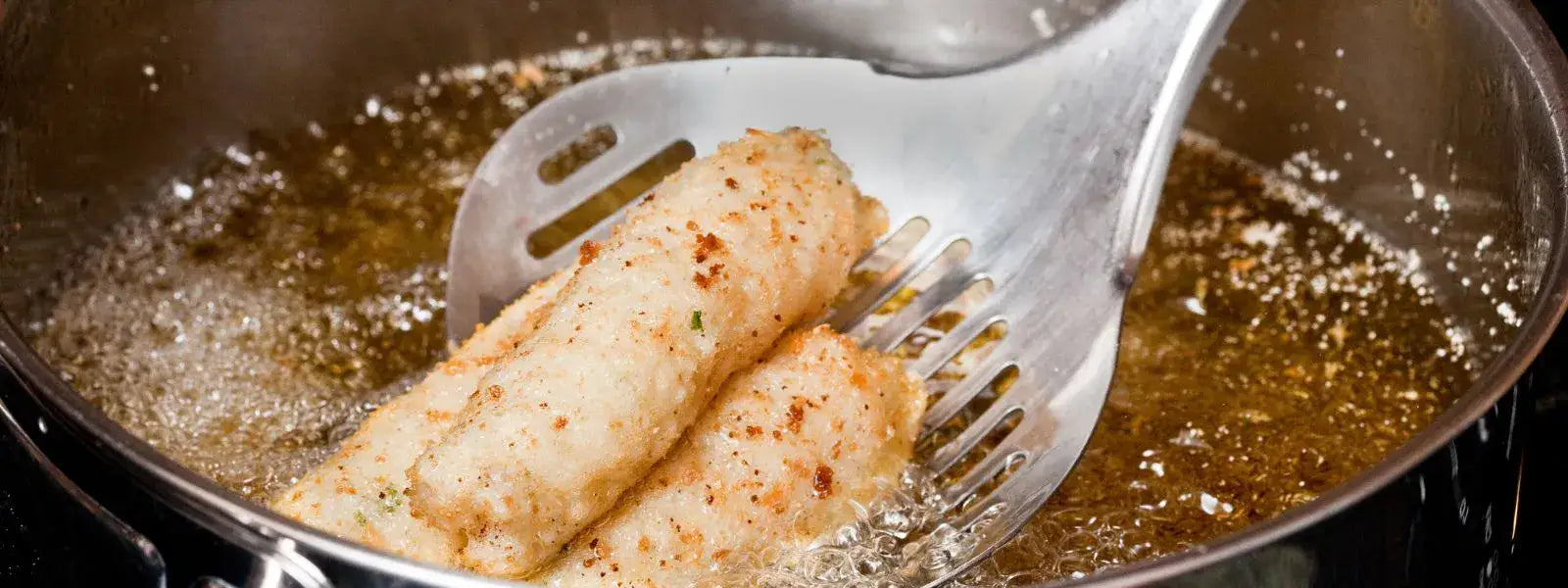
Can stainless steel pan be used for Deep Frying?
2 Items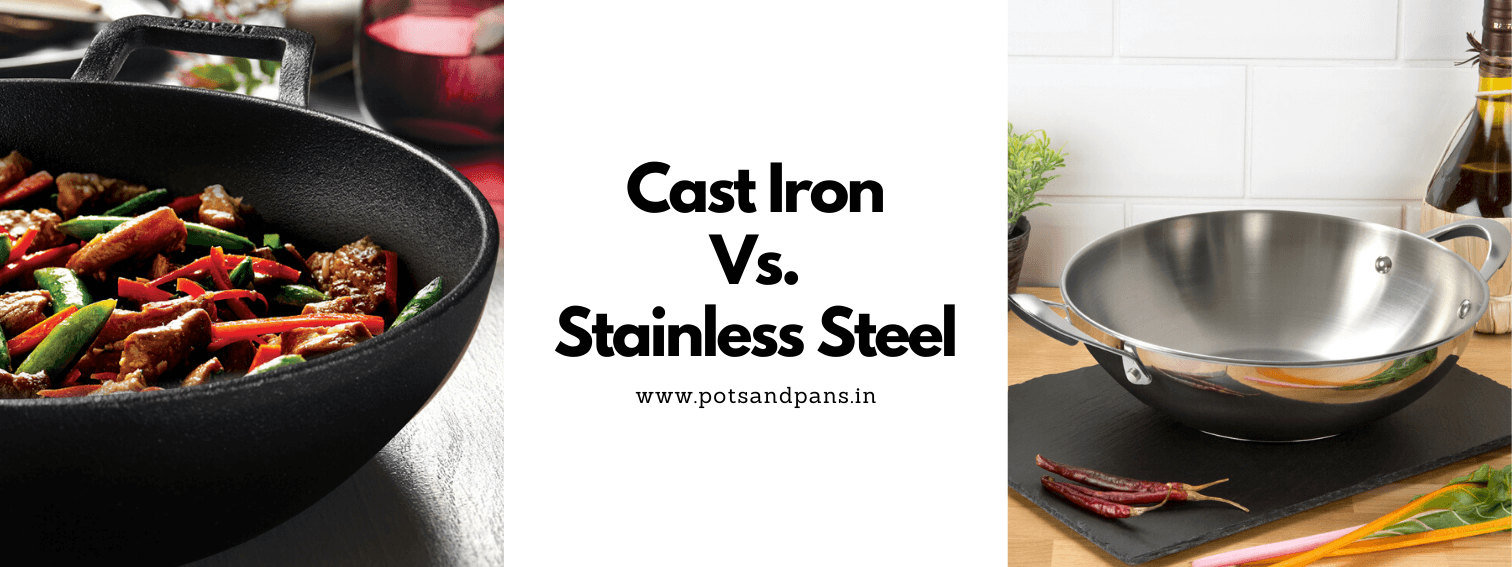
Cast Iron Vs Stainless Steel: Which Is Right For You?
2 Items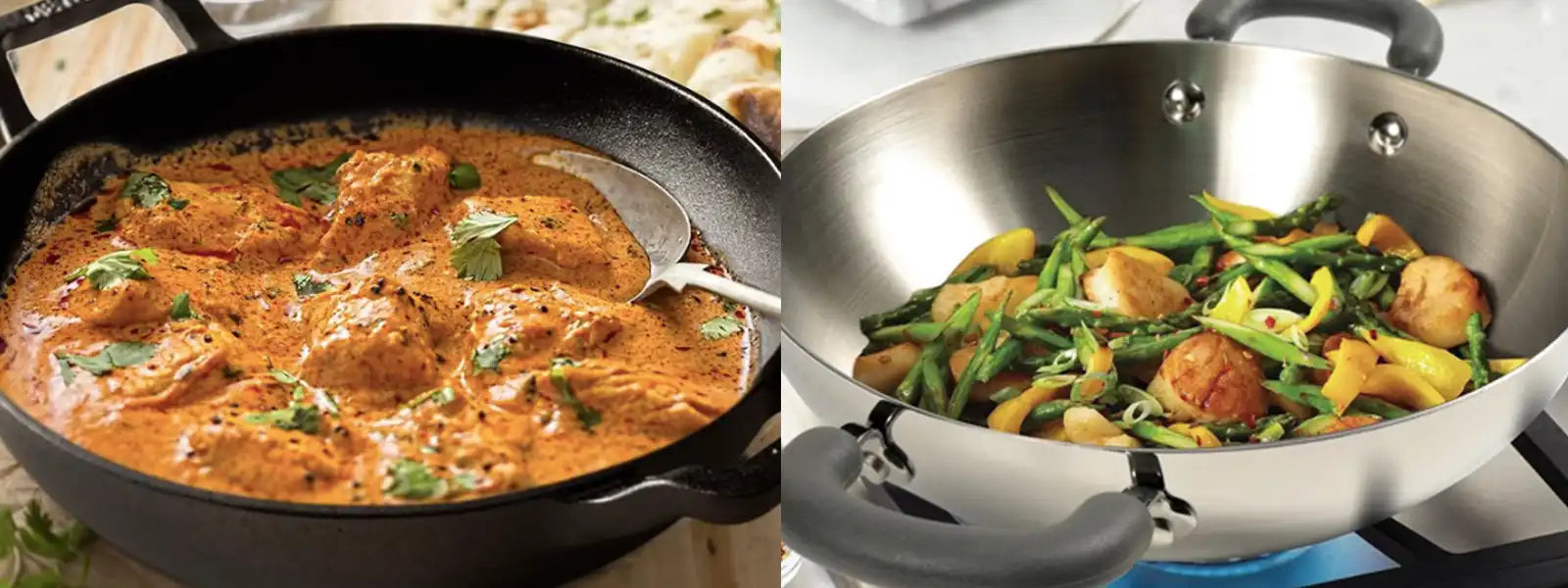
Cast Iron vs. Stainless Steel Cookware (What's the Difference?)
2 Items


Leave a comment