



Choosing cookware today is no longer a simple decision of picking a pan off the shelf—it’s about building a kitchen that supports your lifestyle, health, and cooking style. Indian kitchens, in particular, demand far more from cookware than most global cuisines. From the intense heat of tadka to the slow simmer of dals, from deep frying festive snacks to everyday roti-making, each dish requires precision, durability, and consistency.
In 2026, with growing awareness around health, material safety, and performance, investing in the right cookware has become essential rather than optional. Modern cookware solutions now combine advanced technology with a deep understanding of Indian cooking needs—making it easier for home cooks to achieve professional-quality results every day.
Table of Contents
Understanding Indian Cooking Needs
Indian cooking is layered, dynamic, and deeply rooted in technique. A single meal might involve roasting spices, sautéing aromatics, pressure cooking lentils, and finishing with a delicate tadka. Each of these steps requires cookware that can respond to heat changes quickly, distribute heat evenly, and withstand repeated use without degrading.
Unlike one-pot cooking styles, Indian cuisine demands multi-functional cookware that can handle high temperatures without warping, resist reacting with acidic ingredients like tomatoes and tamarind, and maintain consistency across different cooking methods. This makes choosing the right cookware a foundational step toward better cooking.

Types of Cookware Every Indian Kitchen Needs
Kadai – The Core of Everyday Cooking
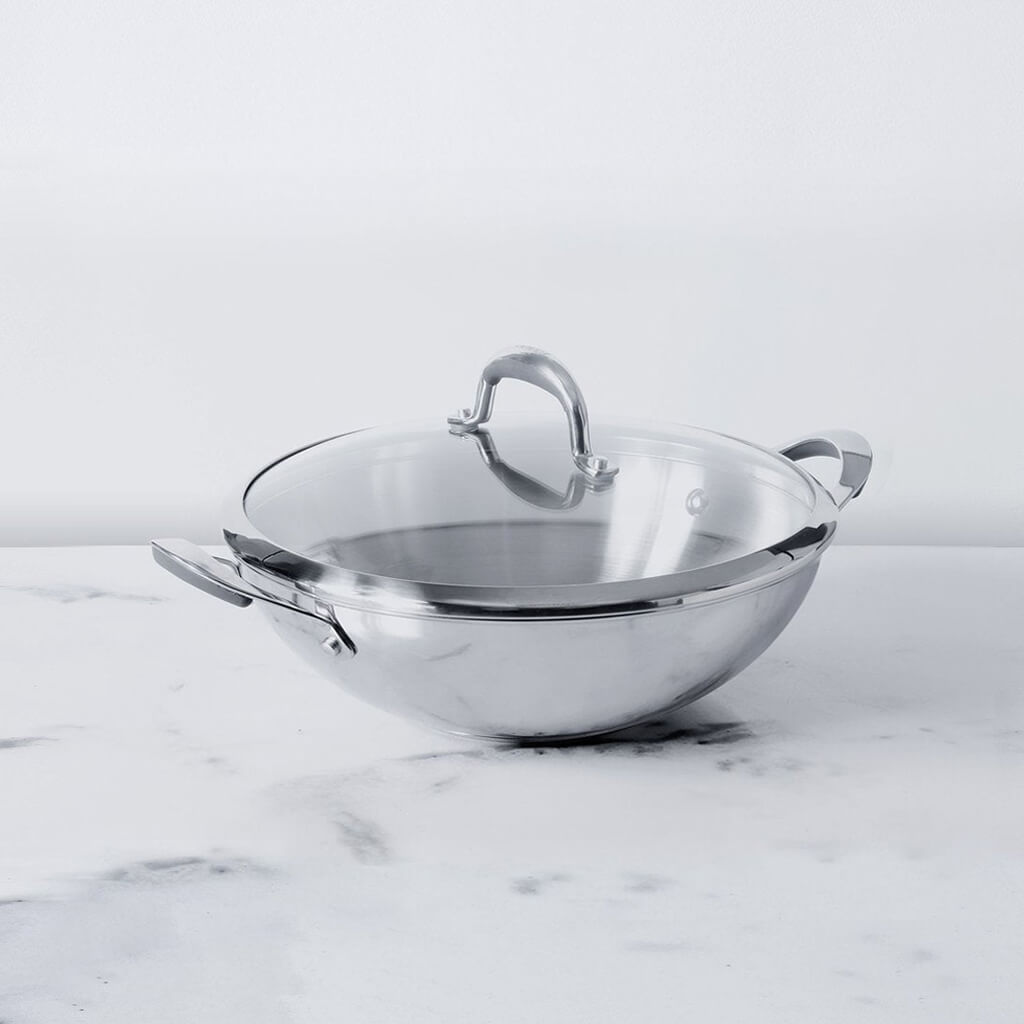
The kadai is one of the most essential and versatile pieces of cookware in an Indian kitchen. Its deep, curved structure makes it ideal for preparing a wide range of dishes—from frying pakoras and pooris to cooking rich gravies and sautéing vegetables.
A well-designed kadai ensures even heat distribution, which is crucial for preventing food from sticking or burning at the base. Its depth also allows for better oil control during frying, making it both practical and efficient for everyday cooking.
Fry Pan – Everyday Efficiency and Control
A fry pan is indispensable for quick and convenient cooking. Whether you’re preparing breakfast dishes like omelettes and dosas or quickly sautéing vegetables, a good fry pan offers the flexibility needed for fast-paced kitchen routines.
It should heat up quickly while also allowing you to control temperature easily. Even heat distribution ensures that food cooks uniformly, reducing the chances of uneven browning or burning.
Saucepan / Tope – Essential for Daily Staples
From boiling milk in the morning to cooking dal, rice, or tea throughout the day, a saucepan or tope is one of the most frequently used utensils in an Indian household. It needs to be reliable, durable, and capable of maintaining a steady cooking temperature.
A well-constructed saucepan prevents scorching at the base and allows liquids to simmer gently, ensuring that staples like dal and rice achieve the perfect texture.
Tawa – For Perfect Flatbreads
A tawa plays a central role in preparing staples like rotis, parathas, and dosas. The cooking surface needs to be evenly heated so that flatbreads cook uniformly without burning in patches.
Good heat retention ensures that each roti puffs up beautifully, while a durable surface supports long-term use in daily cooking.
Pressure Cooker – Speed Meets Convenience
Pressure cookers continue to be a key component of Indian kitchens, offering speed and efficiency for cooking lentils, beans, and rice. While they simplify cooking, many home cooks now combine them with open-pan cooking techniques to achieve better control over texture and flavour.
Understanding Cookware Materials
The material of your cookware plays a critical role in determining how food cooks, how evenly heat is distributed, and how safe the cooking process is over time.
Tri-Ply Stainless Steel – The Modern Essential
Tri-ply stainless steel cookware has become increasingly popular due to its ability to combine durability with performance. The layered construction ensures that heat spreads evenly across the cooking surface, eliminating hotspots and allowing for consistent results.
This makes it suitable for a wide range of Indian dishes, including sautéed vegetables, gravies, and slow-cooked meals.
Cast Iron – Traditional Strength, Modern Relevance
Cast iron cookware has been a part of Indian kitchens for generations and continues to be valued for its excellent heat retention. It is particularly effective for high-heat cooking, frying, and baking.
While it requires some maintenance, the results it delivers—especially in terms of flavour and texture—are unmatched.
Hard Anodized Cookware – Everyday Convenience
Hard anodized cookware is known for its durability and efficiency. It heats quickly, resists corrosion, and is lighter than traditional cast iron, making it easier to handle.
This makes it a practical choice for everyday cooking, especially for those who want reliable performance with minimal maintenance.
Non-Stick Cookware – Effortless Cooking
Non-stick cookware is ideal for low-oil cooking and quick meals. It simplifies tasks like making eggs, pancakes, and light stir-fries while ensuring easy cleanup.
Choosing high-quality non-stick cookware ensures better durability and safer cooking over time.
Key Factors to Consider Before Buying
When selecting cookware, it’s important to focus on functionality rather than just appearance. Even heat distribution is essential for consistent cooking, while durable materials ensure long-term usability.
Safety is another key consideration—cookware should be non-reactive and free from harmful substances. Compatibility with modern cooktops, including induction, is increasingly important in today’s kitchens.
Ease of maintenance and ergonomic design also play a significant role in everyday usability. Cookware should be comfortable to handle and easy to clean, making your cooking experience more enjoyable.
Building a Smart Cookware Set for 2026
A well-equipped kitchen doesn’t need an excessive number of utensils—it needs the right combination of essentials. A balanced cookware set that includes a kadai, fry pan, saucepan, tawa, and pressure cooker can handle most Indian cooking requirements effectively.
Focusing on quality over quantity ensures that each piece serves multiple purposes, reducing clutter while improving efficiency in the kitchen.
Common Cookware Buying Mistakes
Many people make the mistake of choosing cookware based solely on price or appearance, without considering performance and durability. Thin, low-quality utensils may seem economical initially but often lead to uneven cooking and frequent replacements.
Buying too many pieces instead of focusing on essentials can also result in unnecessary clutter. Ignoring compatibility with modern cooktops or overlooking maintenance requirements can lead to long-term inconvenience.
Being mindful of these factors helps in making smarter, more practical purchasing decisions.
Future Trends in Cookware
As we move into 2026, cookware trends are increasingly shaped by health, sustainability, and efficiency. There is a growing preference for toxin-free materials, energy-efficient designs, and multi-functional cookware that saves space and effort.
Consumers are becoming more conscious of what they cook in, leading to a shift toward safer, more durable materials that support long-term use.
Final Thoughts: Invest in Better Cooking
Cookware is not just a kitchen essential—it’s a long-term investment in your daily life. The right tools can simplify cooking, improve results, and make the entire experience more enjoyable.
By understanding your needs and choosing thoughtfully designed cookware, you can create a kitchen that supports both tradition and modern convenience.
In 2026, the smartest kitchens are not the ones with the most cookware—but the ones with the right cookware.
MORE FROM BLOG
Top Collections
Cast Iron Cookware: How It Can Last a Lifetime
2 Items
Cast Iron Cookware: The Ultimate Guide to Cooking on an Open Fire
2 Items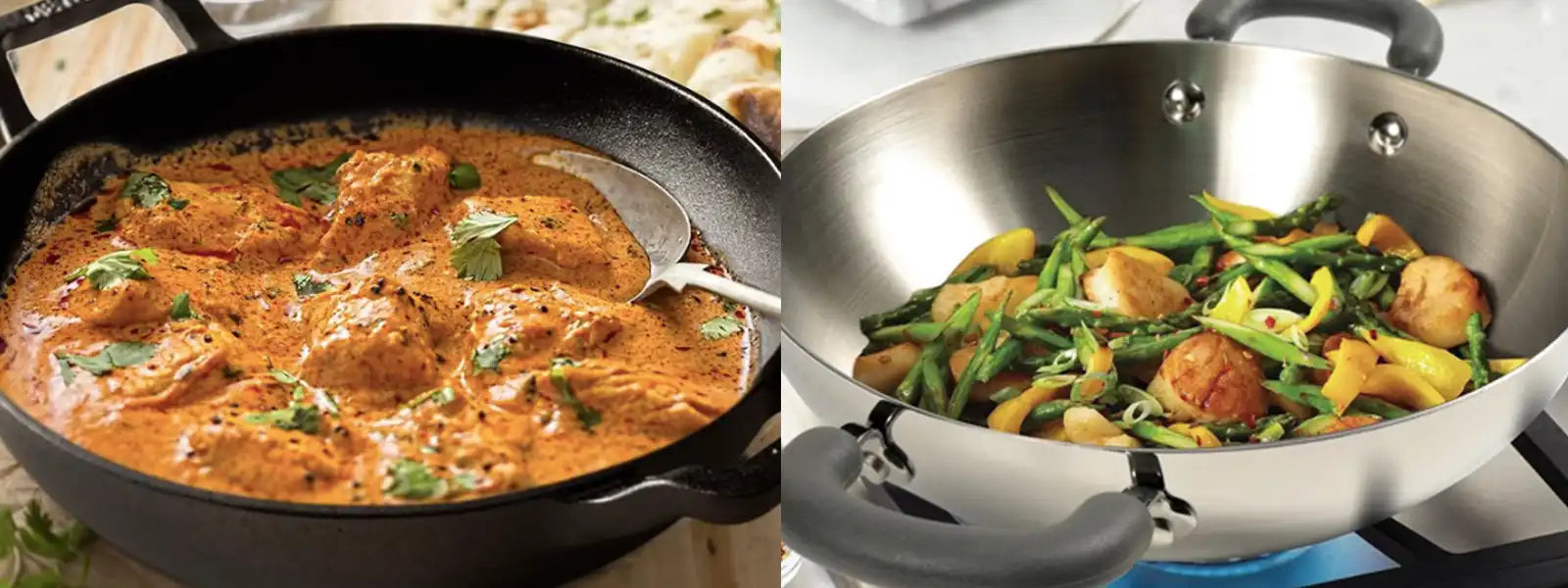
Cast Iron vs. Stainless Steel Cookware (What's the Difference?)
2 Items
Essential Cookware for Small Kitchens in 2025
2 Items
Exploring Global Cuisines with Nonstick Cookware for Weight Loss
2 Items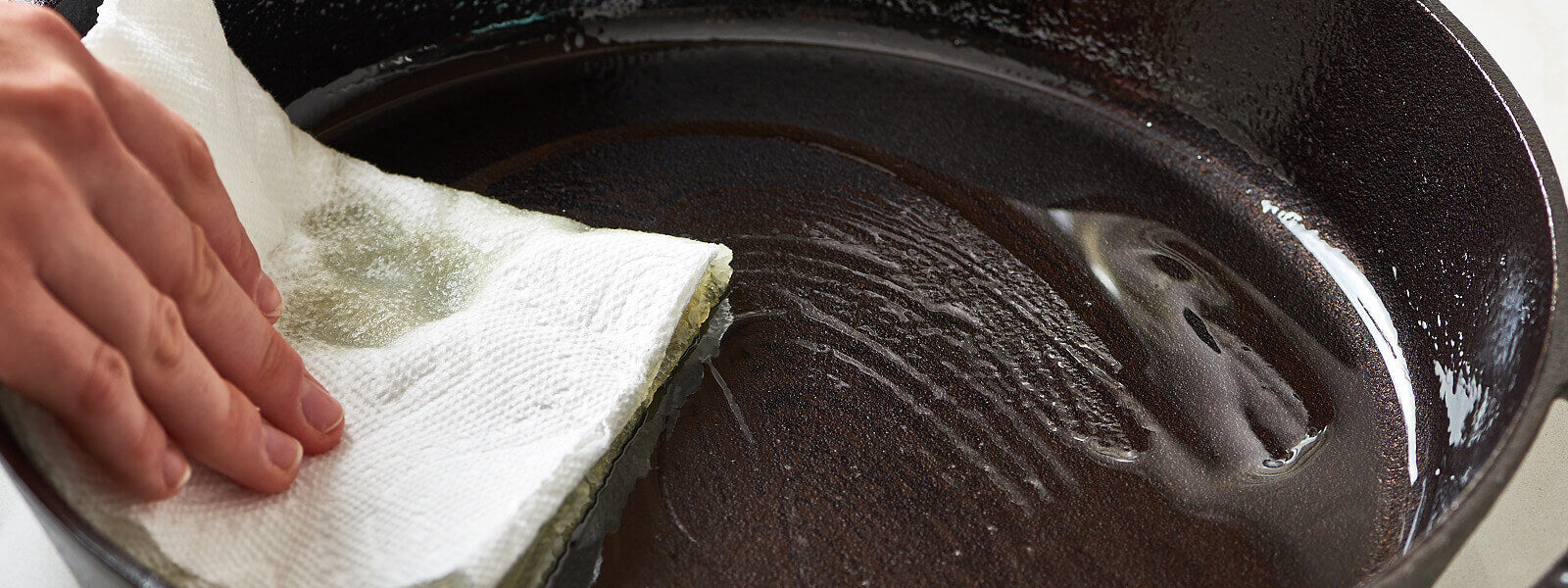
How to Maintain Your Cast Iron Cookware
2 Items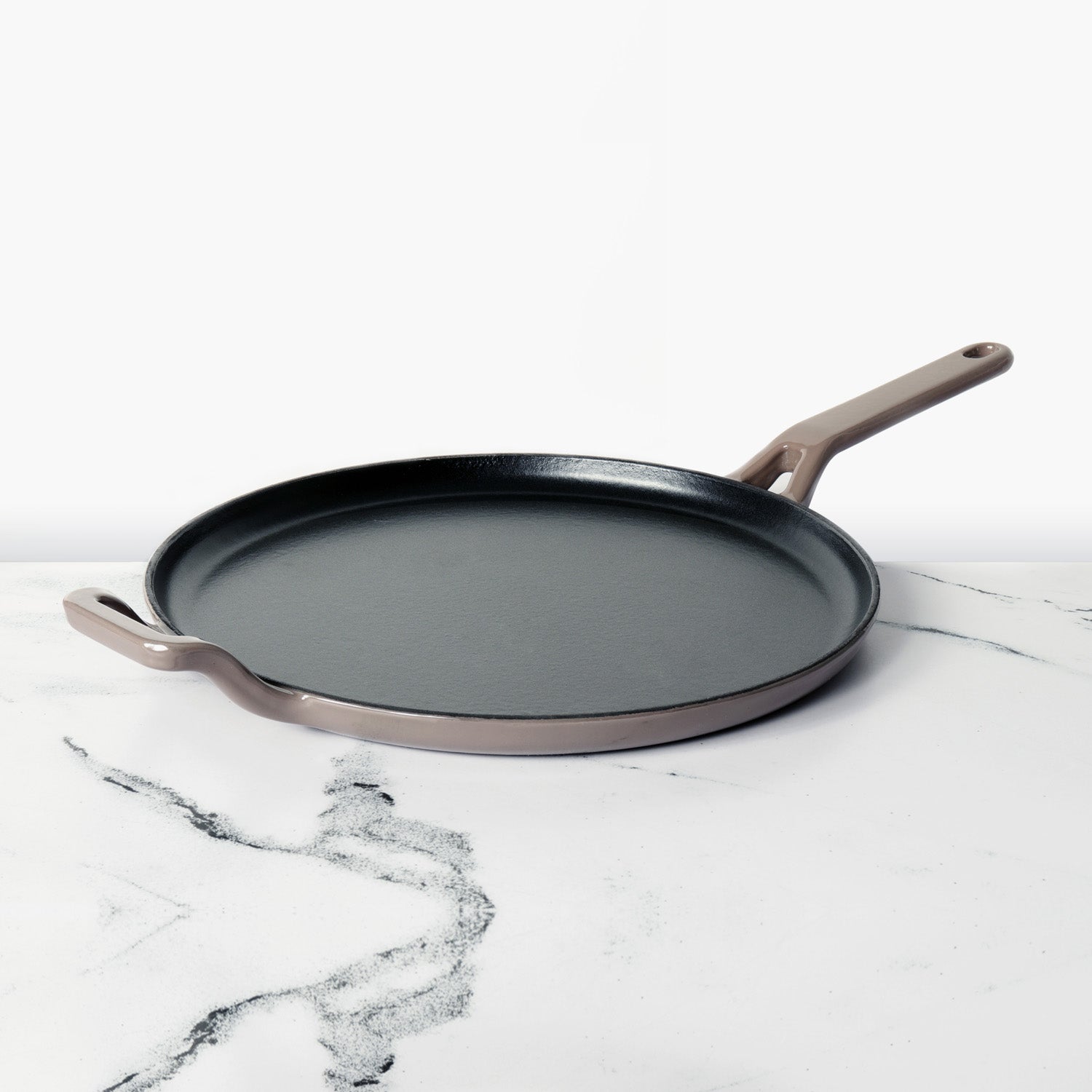


Leave a comment