



Modern Indian kitchens are evolving rapidly, and cookware preferences are changing along with them. Today’s consumers are looking beyond basic utensils and investing in cookware that offers durability, healthier cooking, fuel efficiency, and better cooking performance. Among the cookware categories gaining immense popularity, triply cookware has emerged as one of the most preferred choices for Indian households.
Whether you are preparing everyday dals, stir-fried vegetables, curries, dosas, or festive biryanis, high-quality triply cookware can significantly improve the cooking experience. However, with so many options available in the market, many buyers often feel confused about how to choose the right triply pan or kadai for their needs.
Understanding the construction, features, sizes, and cooking compatibility of triply cookware is essential before making a purchase.
Table of Contents
- 1. What Is TriPly Cookware?
- 2. Why TriPly Cookware Is Becoming Popular in Indian Kitchens
- 3. Why Choosing the Right Pan and Kadai Matters
- 4. Understanding the Difference Between a Pan and a Kadai
- 5. How to Choose the Right TriPly Fry Pan
- 6. Look for Full-Body TriPly Construction
- 7. Check Handle Comfort and Stability
- 8. Consider Induction Compatibility
- 9. How to Choose the Right TriPly Kadai
- 10. Look for Thick and Balanced Construction
- 11. Choose a Lid That Fits Properly
- 12. What Foods Benefit Most From TriPly Cookware?
- 13. Why Heat Distribution Matters
- 14. Is TriPly Cookware Good for Healthy Cooking?
- 15. How to Identify Good Quality TriPly Cookware
- 16. Why Modern Indian Kitchens Prefer Premium TriPly Cookware
- 17. Final Thoughts
What Is TriPly Cookware?
TriPly cookware refers to cookware made using three bonded metal layers that work together to improve cooking performance and durability.
Typically, triply cookware consists of:
-
Inner layer: Food-grade stainless steel
-
Middle layer: Aluminum core
-
Outer layer: Magnetic stainless steel
This advanced construction combines:
-
the durability and safety of stainless steel
-
the heat conductivity of aluminum
-
induction compatibility and structural strength
Unlike ordinary stainless steel cookware that may heat unevenly, triply cookware distributes heat more uniformly across the cooking surface.
This makes it especially suitable for Indian cooking methods that involve:
-
sautéing
-
frying
-
roasting spices
-
simmering gravies
-
slow cooking
Premium ranges such as Meyer TriVantage cookware have become increasingly popular because they offer professional-level cooking performance designed specifically for Indian kitchens.

Why TriPly Cookware Is Becoming Popular in Indian Kitchens
Indian cooking places heavy demands on cookware.
Daily cooking often involves:
-
high heat
-
extensive sautéing
-
long simmering durations
-
frequent stirring
-
roasting masalas
Traditional thin cookware may develop:
-
hotspots
-
uneven cooking
-
burning issues
-
warping over time
Triply cookware solves many of these problems through better heat distribution and stronger construction.
Consumers increasingly prefer triply cookware because it offers:
-
even heating
-
better durability
-
healthier cooking support
-
fuel efficiency
-
induction compatibility
-
premium aesthetics
As a result, more Indian families are upgrading from ordinary cookware to advanced triply cookware collections.
Why Choosing the Right Pan and Kadai Matters
Every cookware piece serves a different purpose.
Choosing the wrong size, shape, or construction can affect:
-
cooking efficiency
-
food texture
-
convenience
-
fuel usage
-
overall cooking experience
A pan that is too small may overcrowd ingredients, while a kadai that is too shallow may not support curries or deep frying properly.
Understanding your cooking habits is the first step toward selecting the right cookware.
Understanding the Difference Between a Pan and a Kadai
Before purchasing triply cookware, it is important to understand how pans and kadhais differ.
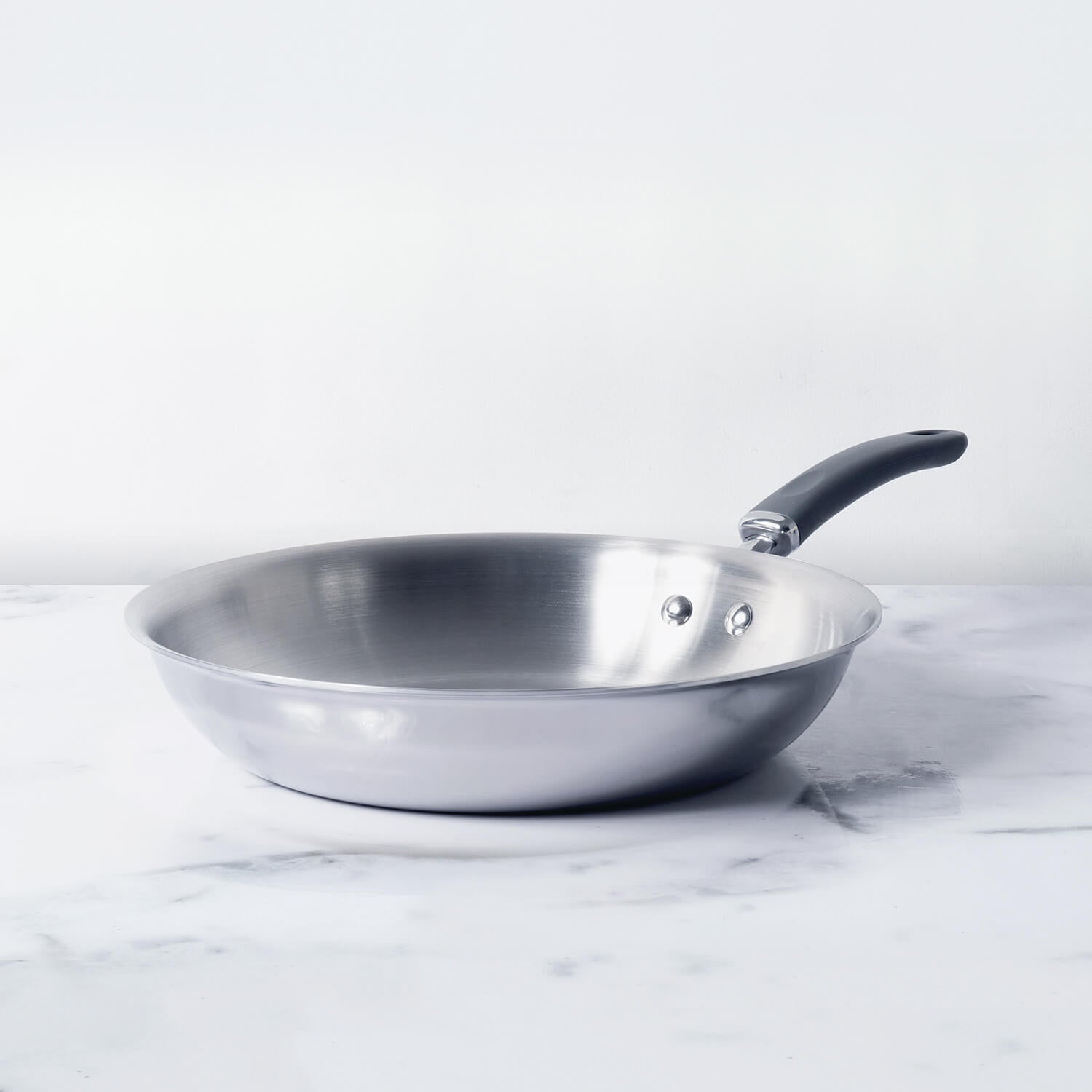
Triply Fry Pan
A fry pan usually has:
-
a flat base
-
lower sides
-
wider cooking surface
It is ideal for:
-
omelettes
-
dosas
-
pancakes
-
shallow frying
-
sautéing vegetables
-
stir-fries
Fry pans allow faster evaporation and better browning because of their wider surface area.
Triply Kadai
A kadai typically has:
-
deeper sides
-
curved structure
-
larger cooking depth
It is suitable for:
-
curries
-
sabzis
-
gravies
-
frying
-
biryani
-
slow cooking
Kadhais are among the most versatile cookware pieces in Indian kitchens because they support multiple cooking methods.
How to Choose the Right TriPly Fry Pan
Consider the Pan Size Carefully
Pan size plays a major role in cooking convenience.
Common fry pan sizes include:
-
20 cm
-
24 cm
-
26 cm
-
28 cm
Small Fry Pans (20–24 cm)
Suitable for:
-
single servings
-
eggs
-
quick breakfasts
-
reheating food
Best for:
-
individuals
-
couples
-
compact kitchens
Medium to Large Fry Pans (26–28 cm)
Ideal for:
-
family cooking
-
dosas
-
stir-fries
-
shallow frying
-
sautéing vegetables
Larger pans offer better space for even cooking and ingredient movement.
Look for Full-Body TriPly Construction
Some cookware products advertise triply bases while the body remains single-layer steel.
For better cooking performance, choose cookware with full-body triply construction.
This ensures:
-
even heating throughout
-
fewer hotspots
-
consistent cooking from base to sides
Full triply construction becomes especially important while preparing:
-
curries
-
gravies
-
stir-fries
-
sautéed dishes
Premium cookware collections like Meyer TriVantage are designed with advanced triply technology for balanced heat distribution.
Check Handle Comfort and Stability
The handle plays an important role in everyday usability.
A good triply fry pan should have:
-
sturdy handles
-
heat-resistant design
-
ergonomic grip
-
balanced weight distribution
Comfortable handling becomes especially important during:
-
tossing vegetables
-
flipping dosas
-
sautéing ingredients
Strong riveted or securely fixed handles improve long-term durability and safety.
Consider Induction Compatibility
Modern kitchens increasingly use induction cooktops.
Before purchasing cookware, ensure the outer layer is magnetic stainless steel for induction compatibility.
Most premium triply cookware ranges support:
-
gas stoves
-
induction cooktops
-
ceramic cooktops
-
halogen cooktops
This flexibility makes the cookware more future-ready.
How to Choose the Right TriPly Kadai
Select the Right Depth and Capacity
Kadai depth determines its versatility.
Small Kadhais
Suitable for:
-
quick sabzis
-
tadka
-
small curries
-
reheating
Medium Kadhais
Ideal for:
-
family-sized curries
-
vegetables
-
frying
-
gravies
Large Kadhais
Best for:
-
biryani
-
festive cooking
-
batch cooking
-
deep frying
For Indian families, medium to large kadhais are generally the most practical.
Look for Thick and Balanced Construction
A good triply kadai should feel solid and balanced.
Thin cookware may:
-
warp
-
heat unevenly
-
burn food quickly
High-quality triply cookware distributes heat evenly while maintaining structural stability under high heat.
This becomes especially useful during:
-
bhunao
-
slow cooking
-
frying
-
roasting spices
Choose a Lid That Fits Properly
A well-fitting lid improves:
-
heat retention
-
moisture control
-
simmering efficiency
-
cooking consistency
Glass lids help monitor cooking visually, while stainless steel lids offer better durability.
For dishes like:
-
dals
-
curries
-
biryani
-
gravies
a proper lid significantly improves cooking convenience.
What Foods Benefit Most From TriPly Cookware?
Triply cookware performs especially well for dishes requiring:
-
even heating
-
controlled simmering
-
sautéing
-
browning
Foods that cook particularly well include:
-
curries
-
dals
-
stir-fried vegetables
-
biryani
-
fried rice
-
dosas
-
omelettes
-
soups
-
sautéed paneer
The cookware’s balanced heating improves flavor development and cooking consistency.
Why Heat Distribution Matters
One of the biggest advantages of triply cookware is heat distribution.
Ordinary cookware often develops hotspots that cause:
-
burnt masalas
-
uneven browning
-
sticking
-
inconsistent texture
The aluminum core in triply cookware spreads heat evenly across the surface.
This helps:
-
ingredients cook uniformly
-
reduce burning
-
improve caramelization
-
support controlled cooking
For Indian cooking, where layered cooking techniques are common, this makes a noticeable difference.
Is TriPly Cookware Good for Healthy Cooking?
Yes, triply cookware supports healthier cooking practices.
Its advantages include:
-
controlled heating
-
reduced chances of burning
-
low-oil cooking support
-
balanced heat retention
The food-grade stainless steel surface also remains non-reactive during cooking.
This makes it suitable for preparing:
-
low-oil meals
-
vegetable dishes
-
soups
-
healthy breakfasts
-
balanced family meals
How to Identify Good Quality TriPly Cookware
When buying triply cookware, check for:
-
full-body triply construction
-
food-grade stainless steel
-
induction compatibility
-
strong handles
-
even finishing
-
balanced weight
-
reputable brand quality
Avoid cookware that feels:
-
excessively thin
-
poorly balanced
-
loosely assembled
Reliable cookware offers better long-term performance and durability.
Why Modern Indian Kitchens Prefer Premium TriPly Cookware
Consumers today are becoming more aware of cookware quality and long-term value.
Modern buyers increasingly seek cookware that offers:
-
durability
-
safety
-
efficiency
-
premium aesthetics
-
versatile cooking performance
Triply cookware aligns strongly with these expectations.
Collections like Meyer TriVantage cookware are gaining popularity because they combine:
-
professional-level heat distribution
-
durable construction
-
induction compatibility
-
healthier cooking support
-
elegant design
This makes them highly suitable for contemporary Indian kitchens.
Final Thoughts
Choosing the right triply pan and kadai can significantly improve your everyday cooking experience. From even heat distribution and better cooking control to fuel efficiency and durability, high-quality triply cookware offers several advantages over ordinary cookware.
Understanding your cooking habits, preferred dishes, kitchen size, and family requirements is essential when selecting the ideal cookware pieces.
Whether you are preparing simple breakfasts, rich curries, healthy stir-fries, or festive meals, premium cookware collections like Meyer TriVantage can provide reliable performance and long-term value.
As Indian kitchens continue embracing smarter and healthier cooking solutions, investing in high-quality triply cookware is becoming one of the most practical upgrades for modern home cooking.
MORE FROM BLOG
Top Collections
5 Reasons Why Every Home Cook Needs Stainless Steel Pots
2 Items
Benefits of using stainless steel cookware in India
2 Items
Choosing Between Steel and Aluminium Pressure Cookers
2 Items
Top 5 Stainless Steel Cookware To Buy On Dhanteras
2 Items
How Steel Cookware has replaced Aluminium Cookware in India 2022
2 Items
Is Hard-Anodized Cookware Safer Than Stainless Steel?
2 Items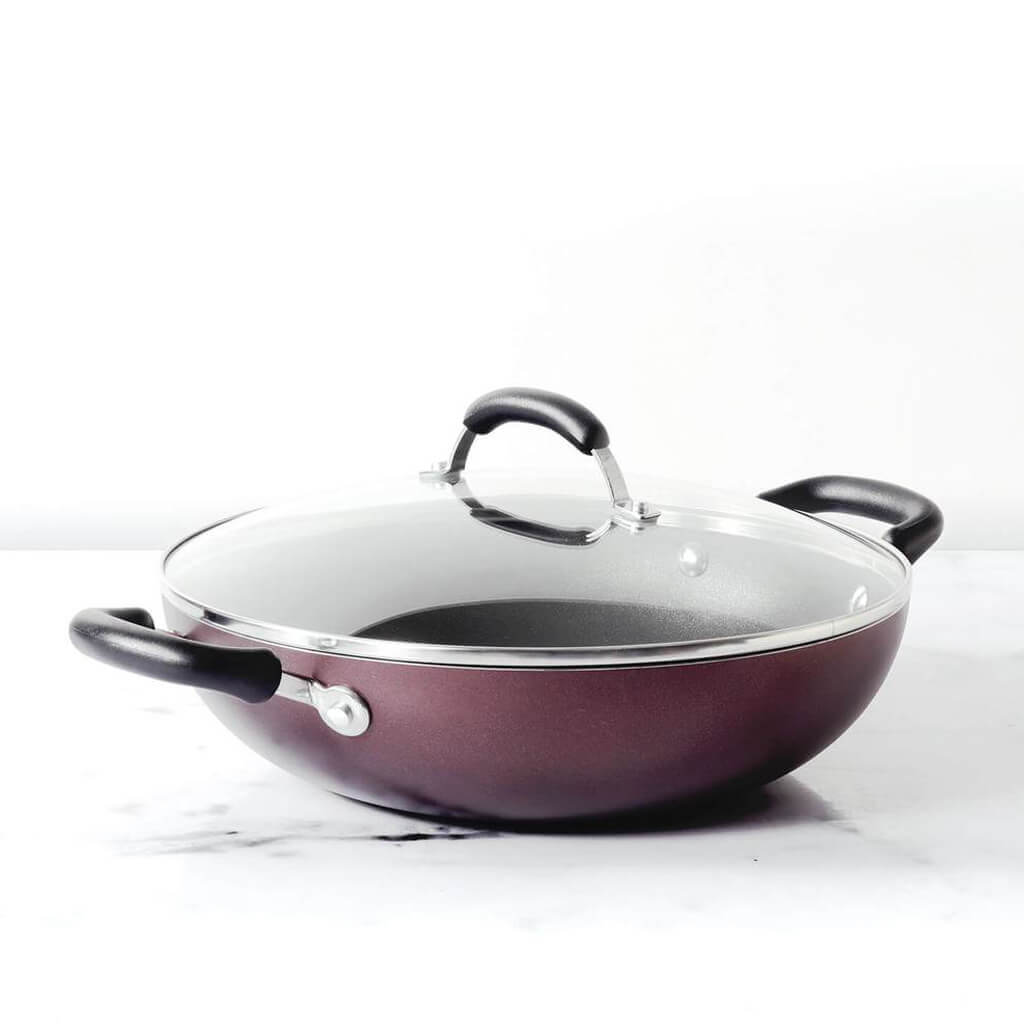


Leave a comment