



Cooking without onion and garlic is deeply rooted in many Indian culinary traditions. Whether it’s satvik food, Jain recipes, festive bhog, vrat meals, or simply a personal dietary choice, onion- and garlic-free cooking requires a different approach to flavour building. Without these strong aromatics forming the base, the spotlight shifts to whole spices, hing (asafoetida), ginger, tomatoes, yogurt, coconut, and carefully balanced heat.
In such recipes, cookware plays a far more critical role than most people realise.
When you are not relying on caramelised onions or sautéed garlic for depth, even slight overheating can make spices bitter, tomatoes too sharp, or vegetables dull and overcooked. That’s why choosing the right kadai is essential.
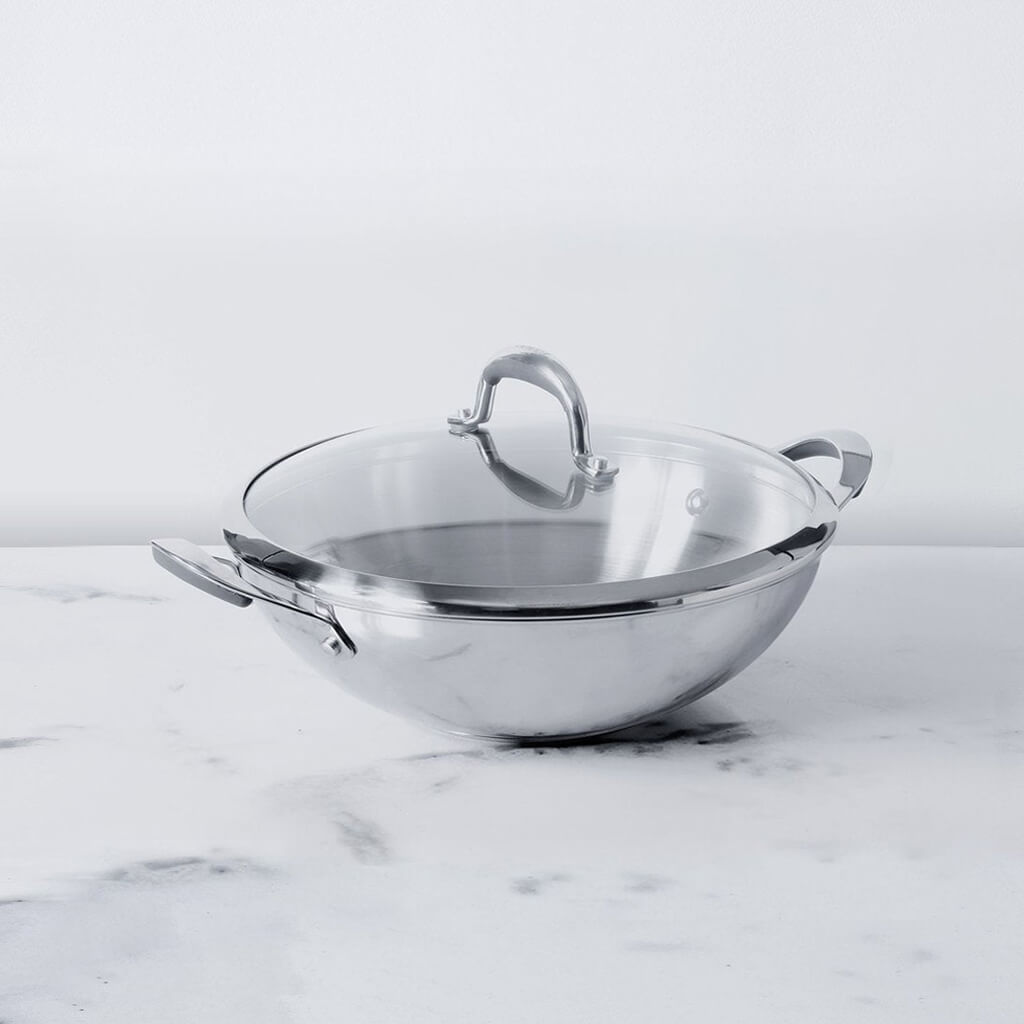
One of the most reliable options for this style of cooking is the Meyer Select Stainless Steel Kadai — designed for precision heat control, even cooking, and non-reactive performance that protects delicate flavours.
Table of Contents
- 1. Why Stainless Steel Is Ideal for Onion- and Garlic-Free Recipes
- 2. Dishes That Benefit Most from Stainless Steel Cooking
- 3. How to Use Stainless Steel Correctly for Best Results
- 4. Why Not Non-Stick for These Recipes?
- 5. Heat Zones and Cooking Control
- 6. Nutritional Preservation
- 7. Common Mistakes to Avoid
- 8. Why the Meyer Select Stainless Steel Kadai Stands Out
- 9. The Perfect Balance: Flavor Without Overpowering
- 10. Final Thoughts
Why Onion- and Garlic-Free Cooking Needs Better Heat Control
In traditional Indian cooking, onions and garlic:
-
Add natural sweetness
-
Provide body and thickness
-
Help mask minor cooking errors
-
Develop flavour through browning
When these are removed, recipes depend more heavily on:
-
Blooming whole spices
-
Gentle tempering (tadka)
-
Controlled sautéing
-
Balanced acidity
-
Careful moisture management
This means heat must be controlled precisely. Too high, and spices burn. Too low, and flavours don’t develop properly. Uneven heat results in flat, unbalanced taste.
That’s where high-quality stainless steel cookware becomes invaluable.

Why Stainless Steel Is Ideal for Onion- and Garlic-Free Recipes
1. Excellent Heat Responsiveness
Stainless steel heats up quickly — and more importantly, cools down quickly when the flame is reduced. This responsiveness allows you to:
-
Immediately lower temperature if spices begin to darken
-
Control tomato acidity carefully
-
Prevent hing from turning bitter
-
Adjust cooking intensity instantly
Unlike cast iron (which retains heat for long periods), stainless steel offers real-time control — a major advantage for delicate recipes.
2. Even Heat Distribution for Proper Spice Blooming
Blooming spices properly is the foundation of flavour in onion-free cooking.
In the Meyer Select Stainless Steel Kadai, the thick base ensures even heat distribution, which:
-
Prevents hot spots
-
Avoids burnt cumin or mustard seeds
-
Helps hing release aroma without charring
-
Ensures tomatoes cook evenly
Even heating allows spices to release essential oils gently rather than turning bitter.
3. Non-Reactive Surface for Acidic Ingredients
Onion- and garlic-free gravies often rely on:
-
Tomatoes
-
Tamarind
-
Kokum
-
Curd or yogurt
Poor-quality cookware may react with acidic ingredients, altering taste or colour.
The stainless steel body of the Meyer Select Kadai is non-reactive, meaning:
-
No metallic taste
-
No flavour distortion
-
Safe cooking of tangy gravies
-
Clean, pure spice expression
This is especially important in satvik curries or temple-style preparations where balance is everything.
Dishes That Benefit Most from Stainless Steel Cooking
Satvik Aloo Tamatar
Without onion or garlic, this simple curry depends entirely on:
-
Proper cumin tempering
-
Balanced tomato cooking
-
Gentle simmering
The Meyer Select Stainless Steel Kadai allows you to sauté spices at medium heat, reduce instantly, and cook tomatoes without scorching.
Jain Paneer Curry
In Jain-style gravies, flavour comes from:
-
Tomatoes
-
Ginger
-
Cashew paste
-
Mild spices
Stainless steel ensures smooth sautéing and prevents sticking when cooking nut pastes — provided the pan is preheated correctly.
Lauki or Tinda Sabzi
Water-rich vegetables need controlled heat so they cook through without turning mushy.
The responsive nature of stainless steel helps maintain:
-
Shape
-
Texture
-
Natural colour
Coconut-Based Curries
Coconut paste can stick or burn easily. With proper preheating, the Meyer Select Stainless Steel Kadai allows:
-
Gentle roasting
-
Even cooking
-
No harsh browning
How to Use Stainless Steel Correctly for Best Results
Many people assume stainless steel causes sticking. In reality, it’s usually a technique issue.
Follow these steps:
Step 1: Preheat Properly
Place the kadai on medium heat for 1–2 minutes before adding oil.
To test readiness:
-
Sprinkle a few drops of water.
-
If they bead and roll, the pan is ready.
This creates a temporary barrier that reduces sticking.
Step 2: Add Oil After Preheating
Once oil warms slightly, add whole spices. Immediately reduce heat if needed. This prevents burning.
Step 3: Control Flame Early
If spices darken too quickly, lower flame immediately. Stainless steel responds quickly to adjustments.
Step 4: Avoid Constant Stirring
Allow vegetables or tomatoes to cook briefly before stirring. This prevents breaking structure and preserves texture.
Why Not Non-Stick for These Recipes?
Non-stick cookware is convenient, but onion- and garlic-free cooking often involves:
-
Blooming spices at higher temperatures
-
Light roasting
-
Slow reduction of tomatoes
Stainless steel handles these heat transitions better without coating concerns.
For cooks who want greater control and durability, stainless steel becomes the preferred long-term solution.
Benefits Beyond Flavor
Using a high-quality stainless steel kadai offers long-term advantages:
-
Durable construction
-
No coating wear
-
Scratch resistance
-
Metal utensil compatibility
-
High-heat tolerance
-
Easy maintenance
For Indian kitchens where cookware is used daily, durability matters.
Heat Zones and Cooking Control
Understanding heat zones improves results:
-
Medium heat: Ideal for tempering cumin, mustard, hing
-
Low-medium: Best for simmering tomato gravies
-
Low heat: Perfect for yogurt-based curries
The Meyer Select Stainless Steel Kadai allows smooth transition between these levels without drastic temperature fluctuations.
Nutritional Preservation
Overheating destroys nutrients and natural flavours. Controlled cooking in stainless steel helps:
-
Preserve vegetable vitamins
-
Maintain colour
-
Avoid excessive oil use
-
Retain spice aroma
This is especially important for light, satvik meals focused on balance and purity.
Common Mistakes to Avoid
Even with good cookware, mistakes can affect results:
-
Starting with high flame
-
Adding spices before oil heats properly
-
Overcrowding vegetables
-
Not reducing heat after tempering
-
Skipping preheating
Mastering flame control is key to unlocking stainless steel’s potential.
Why the Meyer Select Stainless Steel Kadai Stands Out
Not all stainless steel cookware performs equally. The Meyer Select Stainless Steel Kadai offers:
-
Thick, durable base
-
Even heat distribution
-
Strong sidewalls for better moisture control
-
Compatibility with gas and induction
-
Elegant, functional design
Its construction ensures reliability whether you are preparing festive bhog, everyday satvik sabzi, or Jain curries.
The Perfect Balance: Flavor Without Overpowering
Onion- and garlic-free cooking teaches patience and restraint. The goal is not aggressive browning but layered aroma:
-
Cumin blooming gently
-
Hing releasing fragrance
-
Tomatoes softening without bitterness
-
Vegetables cooking evenly
Stainless steel supports this philosophy beautifully.
Final Thoughts
When cooking without onion and garlic, subtlety becomes the star. Every spice, every vegetable, and every drop of oil must be handled with intention.
The Meyer Select Stainless Steel Kadai offers:
-
Precision heat control
-
Even cooking
-
Non-reactive safety
-
Long-lasting durability
-
Versatility across recipes
It empowers you to create deeply flavourful, balanced Indian dishes without relying on heavy aromatics.
In a style of cooking where detail matters most, choosing the right cookware is not optional — it’s essential.
With the right heat control and the right kadai, onion- and garlic-free cooking becomes not just simple, but truly exceptional.
MORE FROM BLOG
Top Collections
Cast Iron Appam Pan: Cookware That Lasts For Lifetime
2 Items
Cast Iron Griddle: Must-Have Cookware For Grilling
2 Items
Cookware for Gifting: What to Choose for Food Lovers in 2025
2 Items
Eco-Friendly Cookware Options for a Green Diwali
2 Items
Eco-Friendly Cookware Options for the Sustainable Chef in 2025
2 Items
Essential Cookware for Small Kitchens in 2025
2 Items
How Does Ceramic Cookware Help With Even Cooking in Indian Kitchens?
2 Items


Leave a comment