



As our parents grow older, the kitchen often remains their most cherished space — a place of habit, comfort, and love. But what once felt effortless can slowly become physically demanding. Lifting heavy vessels, handling unstable lids, or worrying about hot handles can turn everyday cooking into a risky task. That’s why choosing the safest cookware for elderly users at home is not just about convenience — it’s about protection, confidence, and preserving independence in the kitchen.
For senior family members, the right cookware should reduce strain, prevent burns, offer steady grip, and make cleaning simple. Thoughtful design matters more than ever — from lightweight construction to ergonomic handles and reliable heat control.
When safety, durability, and ease of use come together, cookware becomes more than just a kitchen tool — it becomes a quiet support system that allows elderly loved ones to continue doing what they enjoy most: cooking with care and comfort.
Table of Contents
- 1. Key Factors to Consider for Elderly-Friendly Cookware
- 2. Safest Cookware Options for Elderly Users
- 3. Cookware to Avoid for Elderly Users
- 4. Additional Safety Tips for Elderly-Friendly Kitchens
- 5. Ideal Cookware Characteristics for Indian Cooking
- 6. Why Lightweight and Stability Matter Most
- 7. Conclusion
Key Factors to Consider for Elderly-Friendly Cookware
Before selecting cookware, evaluate these essential safety features:
1. Lightweight Construction
Heavy cookware can strain wrists, shoulders, and fingers. Elderly users may struggle to lift large, thick-bottomed vessels filled with food. Lightweight cookware reduces physical stress and lowers the risk of accidental drops.
2. Ergonomic, Heat-Resistant Handles
Handles should be:
-
Easy to grip
-
Slip-resistant
-
Riveted securely
-
Heat-resistant
Long, sturdy handles provide better leverage and control. Soft-touch or silicone-coated handles reduce burn risk.
3. Even Heat Distribution
Cookware that distributes heat evenly reduces the need for constant stirring and prevents sudden burning. This minimizes the chances of splattering hot oil or masala.
4. Stable, Flat Base
A flat, stable base ensures the cookware sits securely on the gas stove or induction cooktop. Wobbly or warped pans increase accident risk.
5. Easy Maintenance
Cookware that is easy to clean prevents excessive scrubbing, which can strain hands and wrists.

Safest Cookware Options for Elderly Users
Non-stick cookware is often the safest option for elderly individuals.
Why It’s Safer:
-
Requires less oil
-
Food releases easily
-
Minimal scrubbing required
-
Reduces sticking and burning
-
Lightweight compared to cast iron
For elderly users who cook simple meals, non-stick frypans and kadhais make cooking smoother and less physically demanding.
However, it is important to avoid overheating and use only wooden or silicone utensils to maintain coating integrity.
2. Tri-Ply Stainless Steel (Moderate Weight)
High-quality tri-ply stainless steel cookware with aluminum core provides even heat distribution. While slightly heavier than non-stick, it is durable and non-reactive.
Safety Benefits:
-
Even cooking reduces burning
-
Strong handles provide stability
-
No chemical coatings
Choose moderate-sized pieces instead of very large stockpots to reduce lifting strain.
3. Hard Anodized Cookware
Hard anodized cookware is durable yet lighter than cast iron. It offers good heat retention and is generally safer than heavier alternatives.
Ensure the handles are ergonomically designed and stay cool during cooking.
Cookware to Avoid for Elderly Users
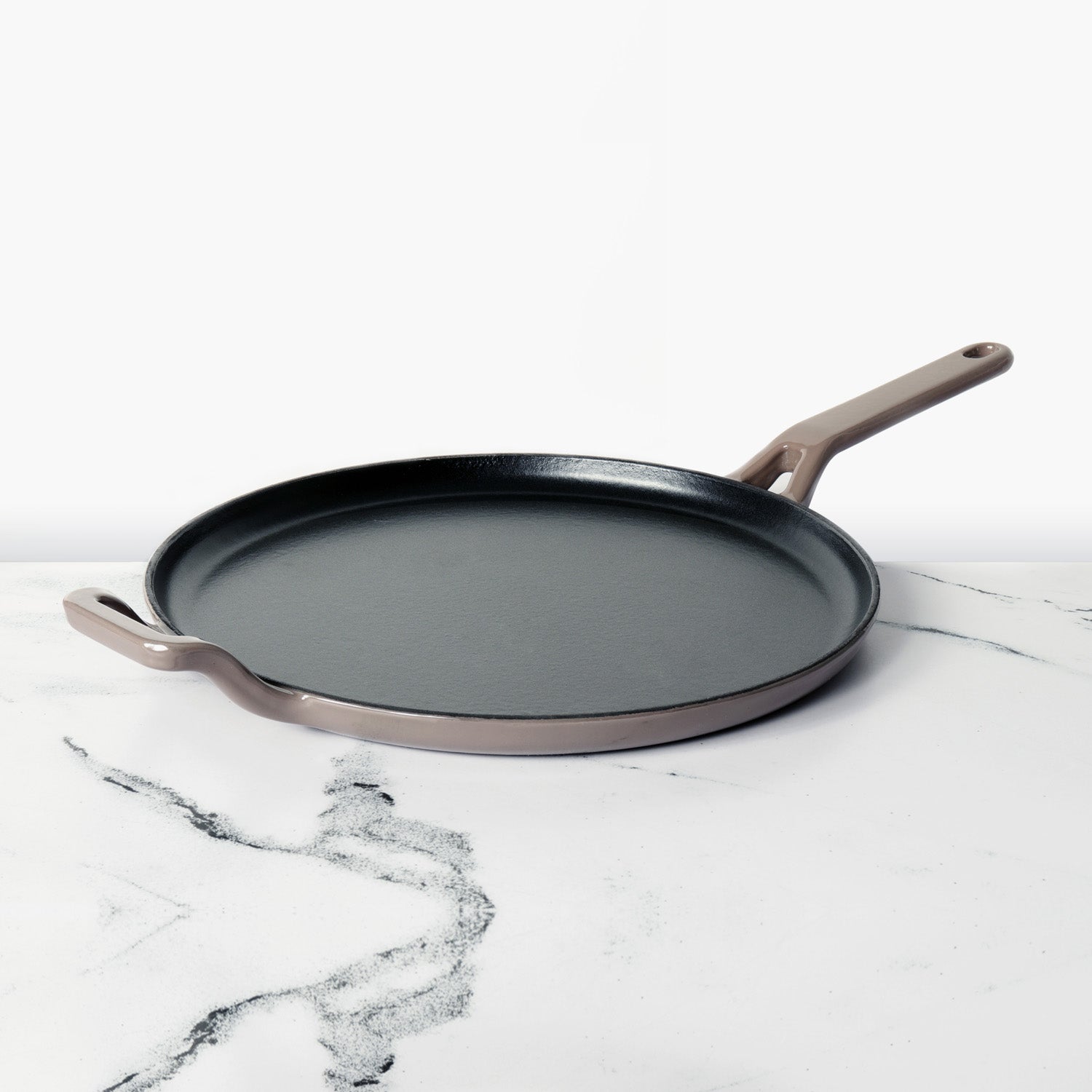
1. Cast Iron
Cast iron is heavy and retains heat for long periods. This increases the risk of burns and strain injuries. Lifting a cast iron kadhai filled with curry can be difficult and unsafe for elderly users.
2. Oversized Pressure Cookers
Large, heavy pressure cookers may be difficult to handle, especially when full. Steam release can also be intimidating or risky for individuals with slower reflexes.
3. Thin, Low-Quality Aluminum
Very thin aluminum cookware heats unevenly and may cause food to burn quickly, leading to splattering and burn hazards.
Additional Safety Tips for Elderly-Friendly Kitchens
Cookware safety works best alongside kitchen adjustments:
-
Use smaller portion-sized vessels
-
Install anti-slip stove mats
-
Keep frequently used cookware within easy reach
-
Avoid stacking heavy vessels on high shelves
-
Use induction cooktops with auto shut-off features if possible
-
Choose cookware with glass lids for easy visibility
Reducing unnecessary movement and lifting lowers accident risk.
Ideal Cookware Characteristics for Indian Cooking
In Indian kitchens, cooking often involves:
-
Tempering (tadka)
-
Simmering gravies
-
Frying spices
-
Boiling milk or tea
Safe cookware for elderly users should handle medium heat efficiently without requiring constant supervision. Non-stick and tri-ply stainless steel with heavy, stable bases are ideal choices for these needs.
Why Lightweight and Stability Matter Most
The biggest risks for elderly users are:
-
Wrist strain while lifting
-
Loss of grip
-
Oil splatter burns
-
Accidental tipping
Lightweight cookware with wide, sturdy handles significantly reduces these risks. Stability on the stove ensures that the vessel does not tilt when stirring.
Conclusion
The safest cookware for elderly users at home prioritizes comfort, control, and stability. Lightweight non-stick cookware with ergonomic, heat-resistant handles is often the best choice for daily cooking. Moderate-weight tri-ply stainless steel cookware is also safe when sized appropriately.
Avoid heavy cast iron, oversized vessels, and unstable cookware that increases lifting strain or burn risk.
With the right cookware and small kitchen adjustments, elderly family members can continue cooking safely, independently, and confidently — enjoying the warmth and satisfaction of preparing meals at home.
MORE FROM BLOG
Top Collections

Can Non-Stick Cookware Be Used for Making Sabzi and Omelettes Daily?
2 Items
Cast Iron Cookware for Camping: Everything You Need to Know
2 Items
Cast Iron Cookware: The Ultimate Guide to Cooking on an Open Fire
2 Items
Cast iron Vs Non-stick cookware: Which one is good for you?
2 Items
How not to cook with stainless steel cookware
2 Items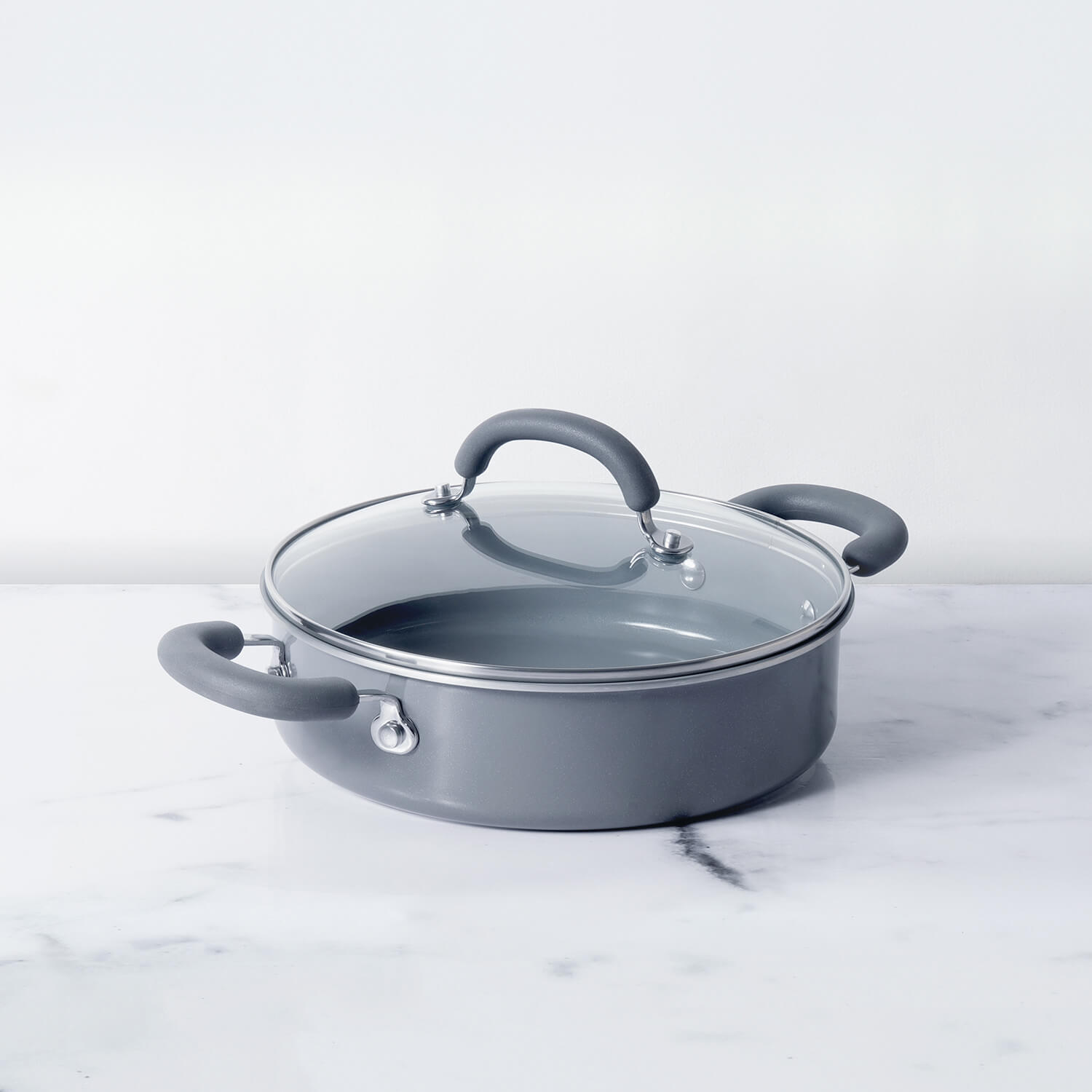


Leave a comment