



Layered biryani is one of the most refined and technique-driven dishes in Indian cuisine. Perfectly cooked rice grains, aromatic spices, tender vegetables or meat, and the signature dum finish all depend not just on ingredients, but on the cookware used. The vessel plays a critical role in heat distribution, steam retention, moisture balance, and preventing the bottom layer from burning.
Choosing the right cookware ensures even cooking, controlled steaming, and proper flavor integration. Whether you are preparing Hyderabadi biryani, Lucknowi biryani, or a simple home-style vegetable biryani, the right pot can significantly improve results.
Table of Contents
Why Cookware Matters in Layered Biryani
Layered biryani is traditionally cooked using the dum method, where partially cooked rice and marinated ingredients are layered and then slow-cooked in a sealed pot. The aim is to trap steam and allow gentle, even heat to finish the cooking process.
If the cookware is too thin, the bottom layer may burn before the upper layers cook through. If the lid does not seal properly, steam escapes, resulting in dry or uneven rice. The correct cookware helps maintain stable temperature, encourages uniform cooking, and enhances aroma retention.

Essential Features for Biryani Cookware
Heavy Bottom Construction
A thick base is crucial. It absorbs heat gradually and releases it slowly, preventing scorching at the bottom. Biryani involves layered ingredients that require steady heat from below without sudden temperature spikes.
Even Heat Distribution
Uniform heat prevents hot spots and ensures that rice cooks evenly across the pot. Uneven heating leads to undercooked grains in some areas and overcooked or burnt rice in others.
Strong Heat Retention
Biryani benefits from cookware that retains heat well. Once the dum process begins, consistent internal temperature ensures proper steam circulation and gradual cooking.
Tight-Fitting Lid
A secure lid is essential for trapping steam. Some home cooks seal the edges with dough to enhance steam retention, but even without dough sealing, a well-designed lid is important.
Adequate Depth and Capacity
Layered biryani requires vertical space for alternating layers of rice and masala. A deep pot prevents overcrowding and allows steam to circulate properly.
Best Cookware Options for Layered Biryani
A cast iron Dutch oven is one of the best choices for home biryani cooking. The Meyer Pre-Seasoned Cast Iron Dutch Oven/Sauteuse With Glass Lid provides excellent heat retention and even distribution. Its thick walls and base create a stable cooking environment, ideal for dum-style preparations.
Cast iron retains heat long after the flame is reduced, allowing biryani to cook gently and evenly. This minimizes burning and enhances flavor integration. The depth of the vessel supports multiple layers, while the heavy lid helps trap steam effectively.
Heavy-Gauge Stainless Steel Pot
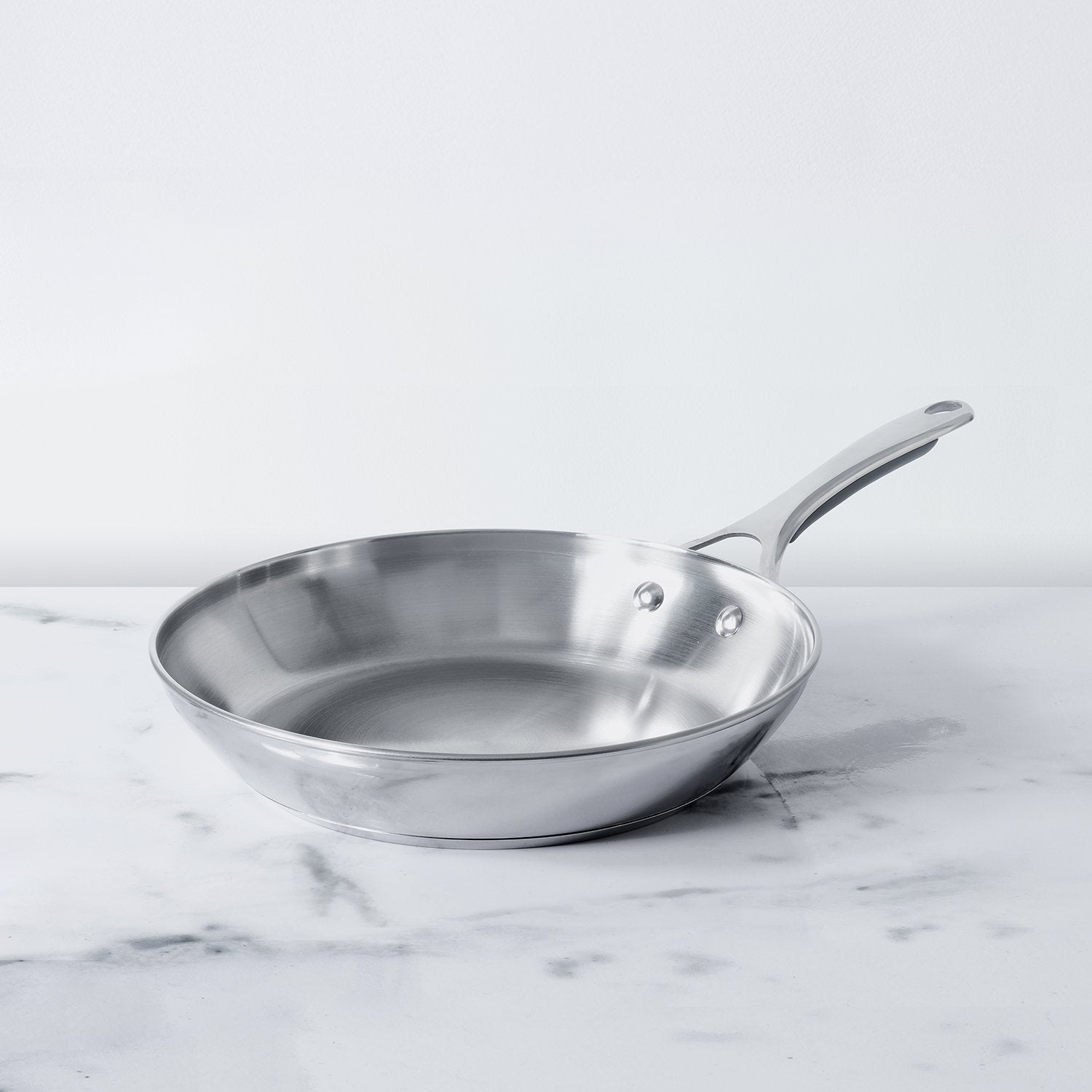
A thick, multi-layer stainless steel pot is another excellent option. The Meyer Select Stainless Steel Sauteuse 24cm offers a heavy base and wide cooking surface, making it suitable for layering and finishing biryani.
Stainless steel is non-reactive, which is beneficial when cooking marinated ingredients containing yogurt or tomatoes. While it does not retain heat as long as cast iron, heavy-gauge construction ensures stable temperature during dum cooking.
This option works well for both gas and induction stoves, making it versatile for modern kitchens.
Hard-Anodized Deep Kadai
A deep, hard-anodized kadai can also be effective for layered biryani. The Circulon Origins 30cm Non-Stick + Hard Anodized Kadai/Wok With Lid offers even heat conduction and sufficient depth for layering.
Hard-anodized cookware heats quickly and distributes heat uniformly. The non-stick surface reduces the risk of rice sticking to the base, which can be helpful for beginners. However, it is important to maintain low to moderate flame during dum cooking to avoid overheating.
How Material Influences Biryani Texture
Cast iron delivers slow, steady heat. It enhances flavor integration and produces evenly cooked rice with minimal burning risk. It is particularly ideal for slow dum cooking.
Heavy stainless steel provides durability and clean flavor preservation. It supports proper layering and gradual simmering, especially when equipped with a thick base.
Hard-Anodized Aluminum
Hard-anodized cookware offers quick heat response and lighter handling. It performs well when flame control is carefully maintained during dum cooking.
Each material has advantages, but thickness and base construction are the most important factors for success.
Tips for Using Cookware Effectively
Preheat the pot gently before layering to stabilize the base temperature. Avoid high flame once the layers are assembled. After sealing the lid, maintain the lowest possible heat to encourage slow steam circulation.
If concerned about burning, you can place a flat tawa beneath the pot to diffuse heat further. Heavy cookware often reduces the need for this step because it already distributes heat effectively.
Allow the biryani to rest for several minutes after turning off the flame. Residual heat inside thick cookware continues gentle cooking and helps settle flavors.
Common Mistakes to Avoid
Using thin, lightweight cookware often results in scorched bottom layers. Overcrowding the pot disrupts steam circulation. Cooking on high flame during dum causes rapid evaporation and uneven texture.
Choosing cookware that is too shallow limits proper layering and steam movement. Always select a vessel with adequate depth and stable construction.
Final Thoughts
Layered biryani requires patience, precision, and the right cookware. A heavy-bottomed, deep pot with strong heat retention and a secure lid creates the ideal environment for dum cooking.
Cast iron Dutch ovens provide exceptional heat stability and flavor depth. Heavy-gauge stainless steel pots offer versatile performance with clean, balanced cooking. Hard-anodized kadais combine even heat conduction with easy handling.
Investing in thick, well-constructed cookware ensures that your biryani cooks evenly, retains aroma, and develops rich, layered flavor. The right vessel transforms biryani from a good dish into an exceptional one, delivering perfectly separated rice grains, well-cooked masala, and the authentic texture that defines this classic recipe.
MORE FROM BLOG
Top Collections

Great Indian Festival: Best Utensils For Diwali
2 Items
Can Ceramic Cookware Be Used for Breakfast and Light Meals?
2 Items
Can I use stainless steel cookware in an electric oven?
2 Items
Can Non-Stick Cookware Be Used for Making Sabzi and Omelettes Daily?
2 Items
Can One Pan Do It All? Exploring Multi-Use Cookware in 2025
2 Items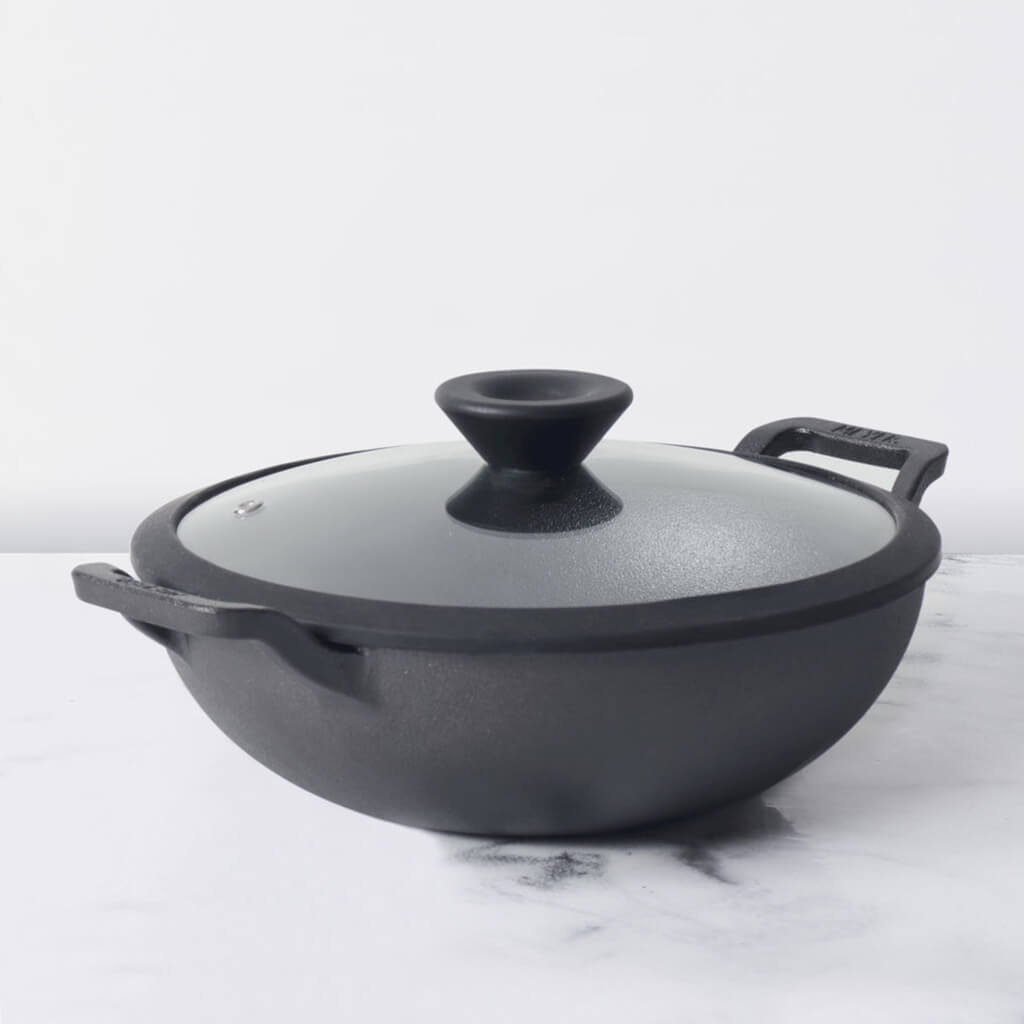


Leave a comment