



When shopping for healthy cookware, many people come across two popular options—cast iron cookware and iron cookware. Although the names sound similar and both are made primarily from iron, they are not the same. They differ in the way they are manufactured, their weight, cooking performance, maintenance requirements, and the types of recipes they are best suited for.
Understanding these differences can help you choose cookware that matches your cooking style and daily needs.
If you're looking for cookware that offers excellent heat retention, long-lasting durability, and a naturally seasoned cooking surface, Meyer Pre-Seasoned Cast Iron Cookware is an excellent choice that combines traditional craftsmanship with modern convenience.
Table of Contents
What Is Cast Iron Cookware?
Cast iron cookware is made by melting iron and pouring it into specially designed moulds to create cookware such as skillets, kadais, grill pans, Dutch ovens, and tawas.
This manufacturing process creates thick, solid cookware that is known for:
-
Exceptional durability
-
Superior heat retention
-
Even cooking
-
High-temperature performance
-
Long lifespan
Once seasoned, cast iron develops a natural cooking surface that improves with regular use.
Meyer Pre-Seasoned Cast Iron Cookware is pre-seasoned with 100% vegetable oil, allowing you to cook immediately while the seasoning continues to develop over time.

What Is Iron Cookware?
Iron cookware, often referred to as wrought iron cookware or forged iron cookware, is generally made by heating and shaping sheets of iron instead of casting molten metal into moulds.
Because of this manufacturing process, iron cookware is usually:
-
Thinner
-
Lighter
-
Faster to heat
-
Easier to handle
It is commonly used for traditional Indian tawas, kadais, and frying pans.
Like cast iron, iron cookware also benefits from seasoning and develops a natural cooking surface over time.
Manufacturing Process
The biggest difference lies in how the cookware is made.
Cast iron cookware is manufactured by pouring molten iron into moulds, producing thick and sturdy cookware with a uniform shape.
Iron cookware is shaped from sheets of iron using forging or pressing techniques, resulting in cookware that is thinner and lighter.
This difference in construction influences how each cookware performs in the kitchen.
Weight
Weight is one of the most noticeable differences.
Cast iron cookware is considerably heavier because of its thick construction.
Its weight contributes to:
-
Better heat retention
-
Greater cooking stability
-
Excellent durability
Iron cookware is much lighter, making it easier to lift, toss ingredients, and manoeuvre during cooking.
For people who frequently cook large meals or prefer lightweight cookware, this may be an important consideration.
Heat Retention
Cast iron is famous for its ability to retain heat.
Once heated, it stays hot for a long time, making it perfect for recipes that require consistent cooking temperatures.
Iron cookware heats more quickly but also cools faster.
This quicker response makes it useful for recipes that require frequent adjustments in temperature.
Heating Speed
Because iron cookware is thinner, it heats up faster than cast iron.
This can be convenient for quick meals and recipes prepared over high heat.
Cast iron takes a little longer to reach cooking temperature but rewards you with steady, even heat throughout the cooking process.
Cooking Performance
Both cookware types perform exceptionally well, but they excel in slightly different areas.
Cast iron is particularly suitable for:
-
Slow-cooked curries
-
Roasted vegetables
-
Grilling
-
Baking
-
Deep frying
-
Shallow frying
-
Paneer dishes
-
Potato tikkis
-
Cornbread
-
Skillet desserts
Iron cookware performs well for:
-
Rotis
-
Chapatis
-
Parathas
-
Dosas
-
Stir-fries
-
Quick vegetable preparations
-
Everyday frying
The choice often depends on the cooking style you prefer.
Seasoning
Both cast iron and iron cookware require seasoning.
Seasoning creates a protective layer that:
-
Helps reduce sticking
-
Protects against rust
-
Improves cooking performance
-
Develops naturally with regular use
Meyer Pre-Seasoned Cast Iron Cookware comes ready to use, as it is already seasoned with 100% vegetable oil.
With continued cooking, the seasoning becomes even stronger.
Durability
Both cookware materials are known for their longevity.
However, cast iron's thicker construction makes it especially resistant to warping and deformation.
With proper care, Meyer Pre-Seasoned Cast Iron Cookware can remain in excellent condition for generations.
Iron cookware is also durable but may be more susceptible to bending if made from thinner sheets.
Maintenance
Both require similar maintenance practices.
To keep either cookware performing well:
-
Wash after cooking.
-
Dry immediately.
-
Apply a light coating of oil if needed.
-
Store in a dry place.
-
Re-season occasionally.
These simple habits help maintain the seasoning and prevent rust.
Cooking with Acidic Foods
Both cast iron and iron cookware develop seasoning that can gradually be affected by prolonged cooking of highly acidic ingredients.
Recipes containing:
-
Tomatoes
-
Tamarind
-
Lemon
-
Vinegar
are best cooked for shorter durations or with well-maintained seasoning to minimise wear on the protective layer.
Suitable for Modern Kitchens
Meyer Pre-Seasoned Cast Iron Cookware is compatible with:
-
Gas stoves
-
Induction cooktops
-
Electric cooktops
-
Ovens
Its versatility allows you to prepare a wide variety of recipes across different cooking methods.
Which Cookware Lasts Longer?
Both cookware materials can last for decades with proper care.
However, cast iron's heavy construction often gives it an advantage in terms of long-term structural durability.
Its cooking surface also improves naturally through continued seasoning, making it one of the longest-lasting cookware materials available.
Why Choose Meyer Pre-Seasoned Cast Iron Cookware?
Meyer combines traditional cooking with thoughtful engineering to create cookware that is built for everyday use.
Key benefits include:
-
Made from premium-quality cast iron.
-
Pre-seasoned with 100% vegetable oil.
-
Naturally develops a stronger seasoning with regular cooking.
-
Excellent heat retention for even cooking.
-
Suitable for high-temperature cooking.
-
Compatible with gas, induction, electric cooktops, and ovens.
-
Available in skillets, tawas, kadais, grill pans, Dutch ovens, and other cookware formats.
-
Designed for exceptional durability and long-term performance.
Whether you're preparing crispy dosas, stuffed parathas, grilled vegetables, baked casseroles, or traditional Indian curries, Meyer Pre-Seasoned Cast Iron Cookware delivers reliable results every time.
Which One Should You Choose?
The right cookware depends on your cooking preferences.
Choose cast iron cookware if you:
-
Prefer slow and even cooking.
-
Enjoy baking, roasting, grilling, or frying.
-
Want exceptional heat retention.
-
Appreciate cookware that improves with regular use.
-
Are looking for cookware that can last for generations.
Choose iron cookware if you:
-
Prefer lightweight cookware.
-
Frequently prepare rotis, dosas, and quick stir-fries.
-
Like cookware that heats up quickly.
-
Need faster temperature response during cooking.
Both are excellent cookware choices, and many experienced home cooks enjoy using each for different types of recipes.
Conclusion
Although cast iron and iron cookware are both made primarily from iron, they differ significantly in construction, weight, heat retention, and cooking characteristics. Cast iron is heavier, retains heat for longer, and is ideal for slow cooking, roasting, frying, and baking, while iron cookware is lighter, heats up faster, and is particularly well suited for everyday flatbreads and quick-cooking dishes.
For those seeking cookware that combines timeless craftsmanship, exceptional durability, and outstanding cooking performance, Meyer Pre-Seasoned Cast Iron Cookware is an excellent investment. Pre-seasoned and ready to use, it continues to improve with every meal, making it a dependable companion for creating delicious, wholesome food for years to come.
MORE FROM BLOG
Top Collections
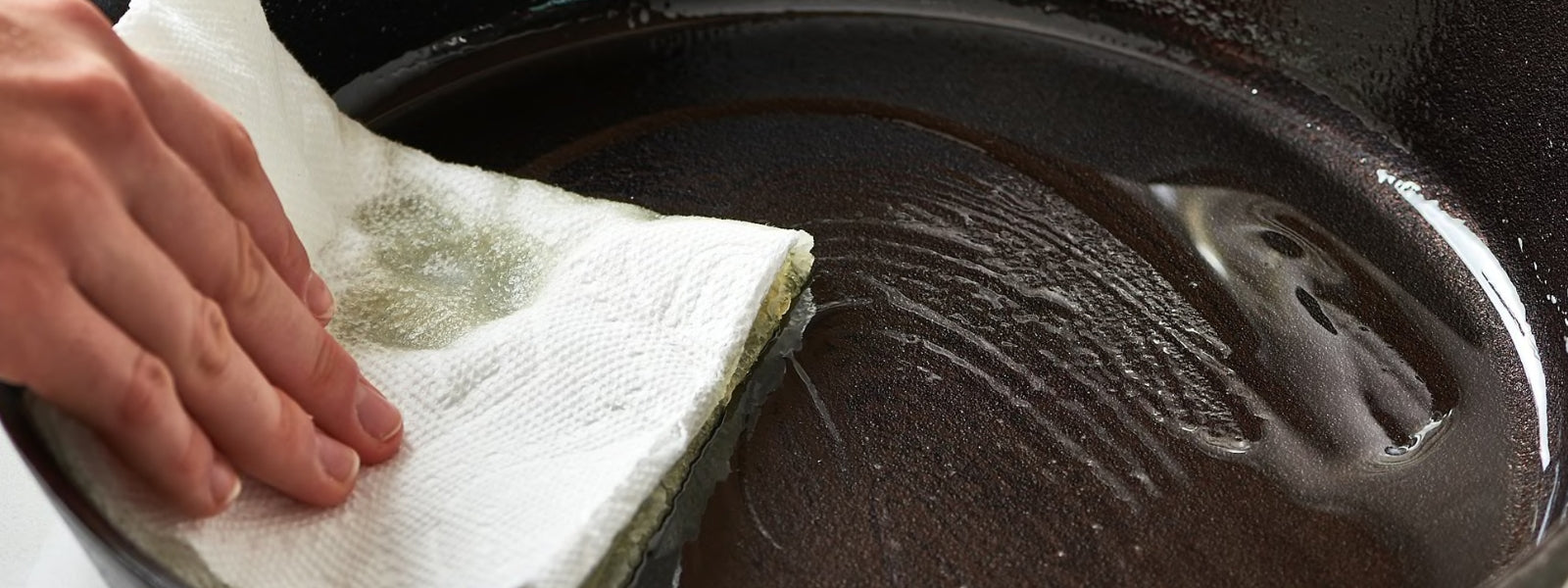
Cast Iron Skillet Seasoning Guide | Various ways for cast iron skillet seasoning
2 Items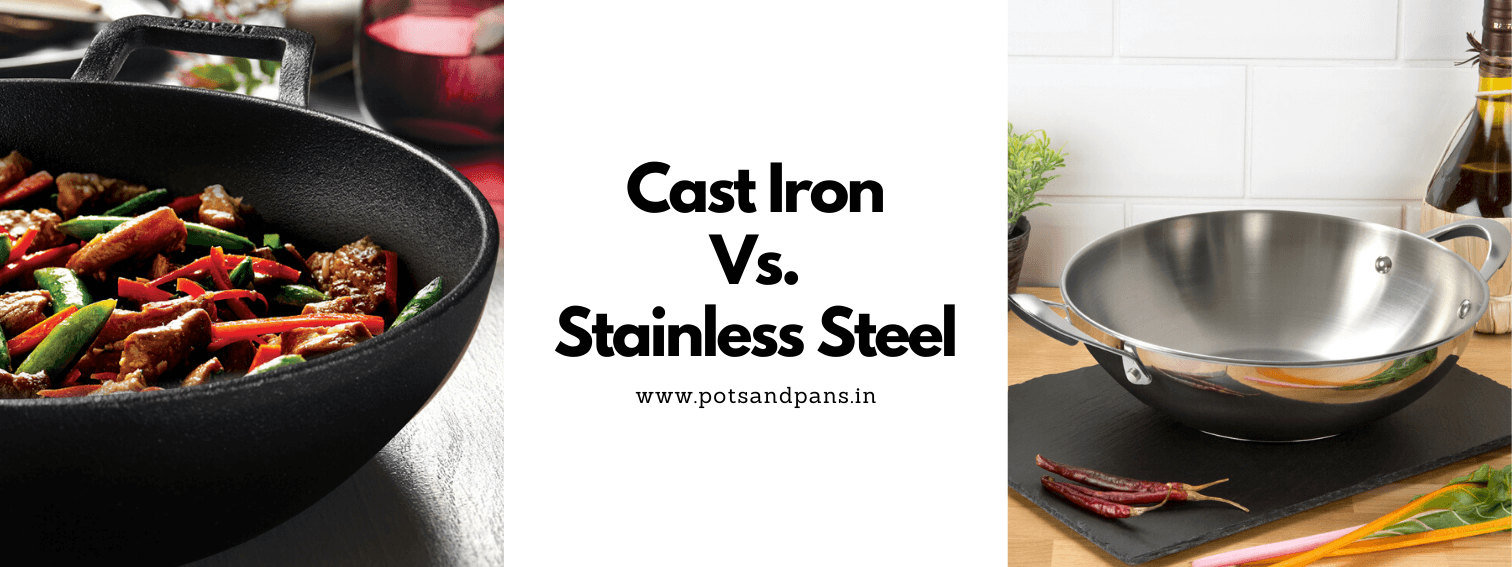
Cast Iron Vs Stainless Steel: Which Is Right For You?
2 Items
Enameled Cast Iron Vs Cast Iron. Which is better?
2 ItemsExploring the Benefits of Cast Iron Kadai Cookware in India | Pots and Pans India
2 Items
How to Avoid Rust on Your Cast Iron Cookware in 2025
2 Items


Leave a comment