



Choosing the right size kadai or pan is one of the most practical yet often overlooked decisions when setting up or upgrading your kitchen. While material and coating get a lot of attention, size plays an equally important role in cooking performance, convenience, and efficiency.
In Indian kitchens—where cooking involves sautéing, frying, simmering, and mixing multiple ingredients—the size of your cookware directly impacts how evenly your food cooks and how comfortable the process feels. A pan that is too small can lead to overcrowding and uneven cooking, while one that is too large may be difficult to handle and inefficient for daily use.
This guide will help you understand how to choose the perfect kadai or pan size for your family, while also reflecting how thoughtfully designed cookware from Meyer aligns with real Indian cooking needs.
Table of Contents
- 1. Why Cookware Size Matters More Than You Think
- 2. Understanding Kadai and Pan Sizes in India
- 3. Ideal Kadai and Pan Sizes Based on Family Size
- 4. Choosing Between a Kadai and a Fry Pan
- 5. How Cooking Style Influences Size Selection
- 6. Common Mistakes When Choosing Cookware Size
- 7. Material and Size: Finding the Right Balance
- 8. Storage and Kitchen Practicality
- 9. Build a Smart Cookware Combination
- 10. Why Design Matters Along with Size
- 11. Pro Tips Before You Buy
- 12. Final Thoughts
Why Cookware Size Matters More Than You Think
The size of your kadai or pan directly affects:
-
Heat distribution and cooking consistency
-
Ease of stirring and tossing ingredients
-
Oil usage and efficiency
-
Portion control
-
Comfort while cooking
Using the right size ensures that ingredients cook evenly without steaming, sticking, or spilling.

Understanding Kadai and Pan Sizes in India
In India, cookware is typically measured by diameter in centimetres, especially for frying pans and kadhais.
For example:
-
20 cm kadai = compact, small portion cooking
-
24–26 cm kadai = everyday family cooking
-
28–30 cm kadai = large meals and batch cooking
Meyer kadais, for instance, are generally available in the 20 cm to 30 cm range, making it easier for users to choose based on family size and cooking requirements rather than volume estimation.
Ideal Kadai and Pan Sizes Based on Family Size
For 1–2 People (Small Households)
Recommended size:
-
Pan: 20–22 cm
-
Kadai: 20–22 cm
Best for:
-
Eggs, omelettes, and quick breakfasts
-
Small portions of sabzi
-
Reheating
This size is lightweight, heats quickly, and is easy to handle. However, it may feel restrictive when cooking dishes that require mixing multiple ingredients.
For 3–4 People (Typical Indian Families)
Recommended size:
-
Pan: 24–26 cm
-
Kadai: 24–26 cm
This is the most practical and versatile size for Indian households.
It works well for:
-
Daily sabzis and curries
-
Stir-frying vegetables
-
Shallow frying
-
One-pan meals
A 24–26 cm kadai provides enough space to sauté and mix without overcrowding, which is essential for Indian cooking techniques like bhunao and tadka.
Most premium cookware collections from Meyer are designed around this core size range because it suits the majority of Indian cooking needs.
For 5 or More People (Large Families)
Recommended size:
-
Pan: 28–30 cm
-
Kadai: 28–30 cm
Best suited for:
-
Bulk cooking
-
Deep frying snacks
-
Preparing festive meals
Larger kadhais offer more surface area and depth, allowing ingredients to cook evenly without needing multiple batches. However, they are heavier and require more storage space.
Choosing Between a Kadai and a Fry Pan
Choose a Kadai If:
-
You cook gravies and curries regularly
-
You deep fry or cook in oil
-
You need more depth for mixing
Kadhais are inherently designed for Indian cooking, with curved sides that allow better heat circulation and mixing.
Choose a Fry Pan If:
-
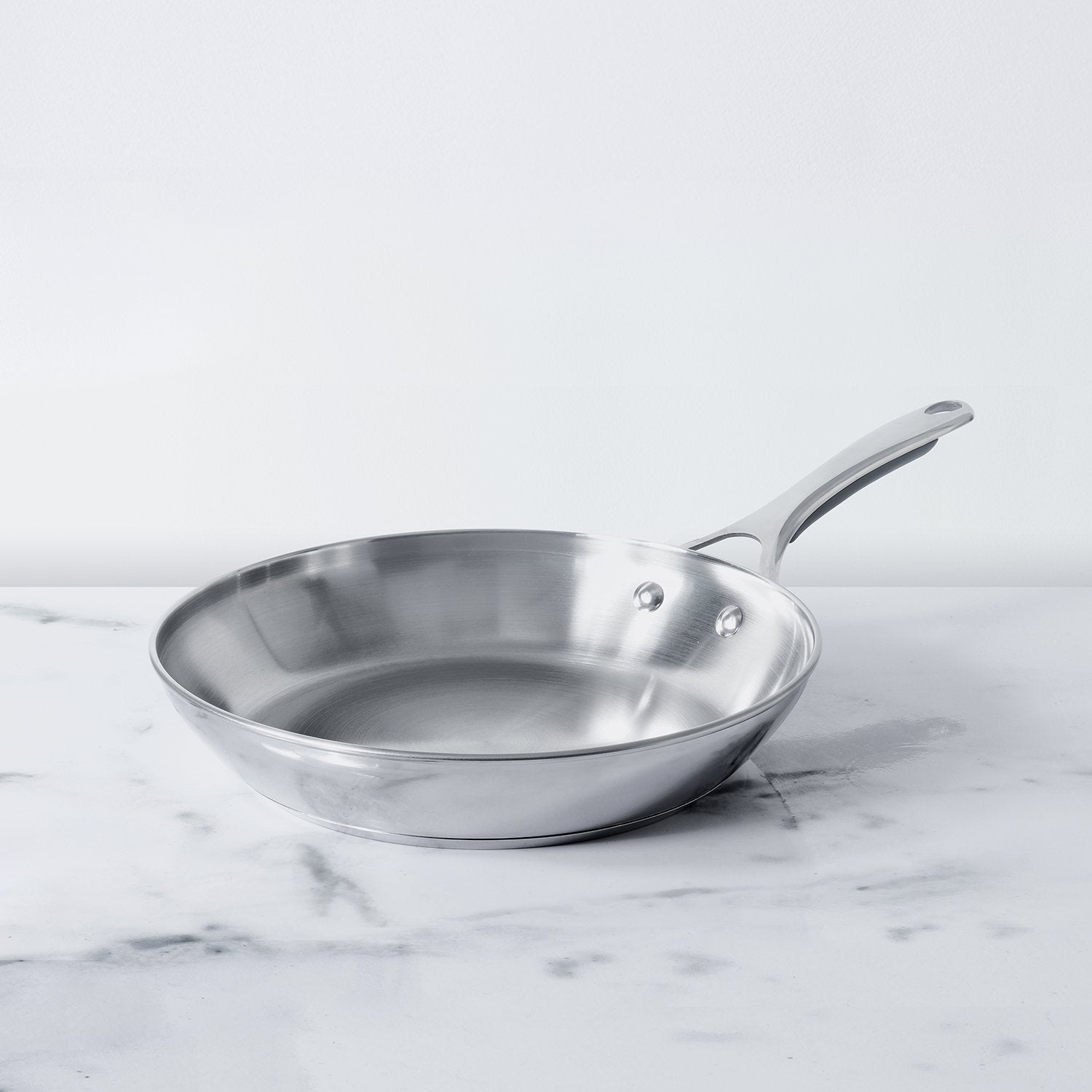
You cook eggs, dosas, or pancakes
-
You prefer low-oil cooking
-
You need a flat cooking surface
For a well-equipped kitchen, having both in the right size is ideal.
How Cooking Style Influences Size Selection
Your daily cooking habits should guide your choice.
-
Frequent elaborate meals → medium to large kadai (26–30 cm)
-
Quick cooking → smaller pans (20–24 cm)
-
Mixed cooking styles → combination of sizes
Indian cooking often involves adding ingredients in stages. A slightly larger kadai ensures there is enough room for proper mixing and prevents food from steaming.
Common Mistakes When Choosing Cookware Size
Buying Too Small
-
Leads to overcrowding
-
Causes uneven cooking
-
Requires batch cooking
Buying Too Large
-
Difficult to handle daily
-
Requires more oil and heat
-
Not practical for small meals
The goal is to strike a balance between capacity and usability.
Material and Size: Finding the Right Balance
Different materials behave differently at various sizes:
-
Non-stick: Easier to handle in larger sizes due to lighter weight
-
Stainless steel: Best in medium sizes for control and heat balance
-
Cast iron: Heavier, so smaller to medium sizes are more practical
Well-engineered cookware from Meyer is designed to maintain balance, ensuring even larger sizes remain practical for everyday use.
Storage and Kitchen Practicality
Before choosing a size, consider:
-
Cabinet space
-
Stackability
-
Frequency of use
Buying a large kadai that you rarely use can lead to clutter. Choose sizes that fit both your cooking and storage needs.
Build a Smart Cookware Combination
Instead of relying on a single size, build a functional set:
-
20–22 cm pan for quick tasks
-
24–26 cm kadai for daily cooking
-
28–30 cm kadai for large meals
This ensures efficiency and flexibility in your kitchen.
Why Design Matters Along with Size
The usability of cookware is not just about size but also design.
Cookware from Meyer is crafted with:
-
Optimized depth and curvature
-
Even heat distribution
-
Comfortable handling
These features enhance cooking performance, especially in Indian recipes that require constant stirring and temperature control.
Pro Tips Before You Buy
-
Choose size based on your most frequent meal portions
-
Go slightly bigger if you cook mixed dishes
-
Avoid buying only large cookware
-
Balance daily needs with occasional cooking
A thoughtful approach ensures better cooking outcomes.
Final Thoughts
Choosing the right size kadai or pan is essential for efficient and enjoyable cooking. While materials and coatings play a role, size determines how well your cookware performs every day.
For most Indian households, a 24–26 cm kadai or pan offers the perfect balance of versatility and convenience. However, having a mix of sizes ensures you are prepared for every cooking need—from quick breakfasts to elaborate family meals.
When combined with thoughtfully designed cookware from trusted brands like Meyer, the right size can significantly improve your cooking experience—making it smoother, more efficient, and more enjoyable.
In the end, the ideal cookware size is not just about dimensions—it is about making your everyday cooking effortless and effective.
MORE FROM BLOG
Top Collections
Best Stainless Steel Kadai for Deep Frying
2 Items
Choosing the Right Kadai Material: Cast Iron, Steel, or Non-Stick in 2025?
2 Items
Choosing the Right Kadai Size: A Guide to Meyer’s 3-Piece Kadai Set
2 Items
How to Maintain and Season Your Cast Iron Kadai in 2025
2 Items
Kadai Buying Tips for Home Chefs in 2025
2 Items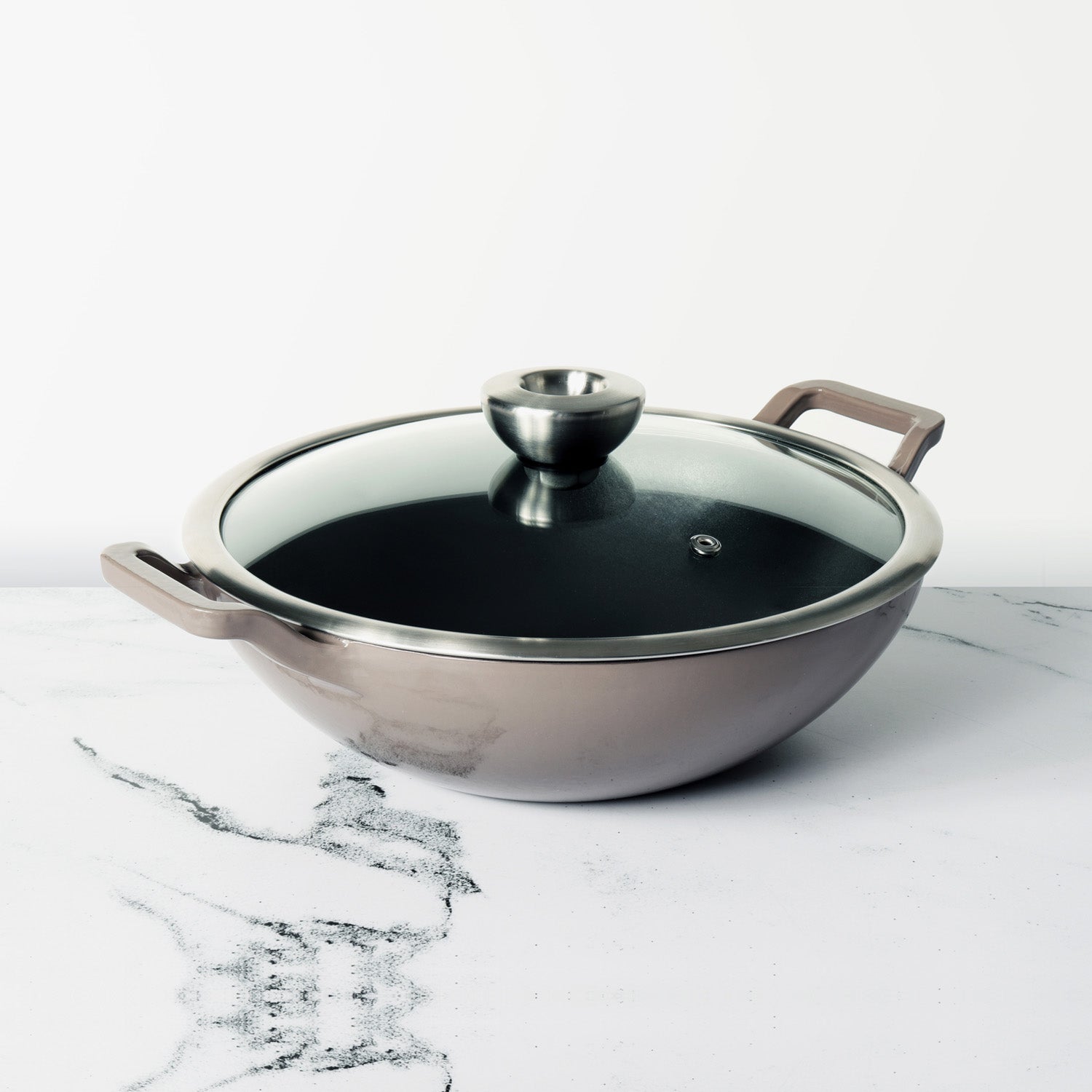


Leave a comment