



Non-stick cookware has become a daily essential in modern kitchens, especially in Indian homes where convenience and efficiency matter. From flipping delicate omelettes to making perfectly crisp dosas with minimal oil, non-stick pans make cooking easier, faster, and cleaner.
But here’s something many people overlook—non-stick cookware is not built to last forever.
Unlike cast iron or stainless steel, a non-stick pan has a limited functional lifespan. Over time, the coating that gives it its non-stick properties begins to wear down. Continuing to use it beyond that point doesn’t just affect cooking performance—it may also raise concerns about safety and hygiene.
So how do you know when it’s time to let go of your old pan?
This guide will help you identify the clear signs that your non-stick pan needs replacing, understand why this happens, and make better choices for long-term kitchen performance.
Table of Contents
- 1. How Long Does a Non-Stick Pan Typically Last?
- 2. Key Signs It’s Time to Replace Your Non-Stick Pan
- 3. Why Non-Stick Pans Wear Out Faster in Indian Kitchens
- 4. Can a Damaged Non-Stick Pan Be Repaired?
- 5. How to Extend the Life of Your Non-Stick Pan
- 6. Upgrade Smart: Choose Better Non-Stick Cookware
- 7. When to Keep Using vs When to Replace
- 8. Final Thoughts: Don’t Wait Too Long
- 9. Conclusion
How Long Does a Non-Stick Pan Typically Last?
A good-quality non-stick pan can last anywhere between 2 to 5 years, depending on how often it is used and how well it is maintained.
In Indian kitchens, where cooking is frequent and often involves high heat, tadka, and continuous stirring, the lifespan may be slightly shorter. Daily exposure to heat, washing, and usage gradually weakens the coating, even if visible damage isn’t immediately obvious.
This makes it important to regularly assess your cookware rather than waiting for it to completely fail.

Key Signs It’s Time to Replace Your Non-Stick Pan
1. Scratches, Peeling, or Flaking Coating
One of the most obvious signs is visible damage to the surface.
If you notice:
-
Deep scratches
-
Peeling edges
-
Flaking coating
…it’s time to stop using the pan.
The non-stick coating acts as a protective layer. Once it starts breaking, the base metal gets exposed and the pan loses its effectiveness. In some cases, flakes may even mix with food, which is best avoided.
2. Food Starts Sticking Regularly
A non-stick pan that no longer prevents sticking defeats its own purpose.
If you find that:
-
Eggs are sticking to the surface
-
Dosas are tearing while flipping
-
Food requires more oil than before
…it means the coating has worn out.
At this stage, no amount of oil or technique can restore its original performance.
3. Rough or Uneven Surface Texture
Run your fingers gently over the surface when the pan is cool.
If it feels:
-
Rough
-
Grainy
-
Uneven
…it indicates that the smooth non-stick layer has deteriorated.
A damaged surface not only affects cooking but also makes cleaning more difficult, as food particles tend to cling to uneven areas.
4. Discoloration and Burn Marks
Over time, exposure to high heat can lead to:
-
Yellowing
-
Dark patches
-
Uneven color changes
While slight discoloration can be normal, heavy or uneven burn marks often indicate that the coating is breaking down.
This is especially common when the pan is frequently overheated or used empty on high flame.
5. Warped or Unstable Base
If your pan:
-
Doesn’t sit flat on the stove
-
Wobbles or spins
-
Heats unevenly
…it’s no longer reliable.
A warped base affects heat distribution, leading to uneven cooking and increased chances of burning food. It also makes cooking less efficient and more frustrating.
6. Unusual Smell During Cooking
If you notice a strange smell or fumes while cooking, especially at higher temperatures, it could be a warning sign.
This usually happens when:
-
The pan is overheated
-
The coating is already damaged
A healthy non-stick pan should not produce any unusual odor during normal cooking conditions.
7. Visible Coating Particles in Food
If you ever see:
-
Black specks
-
Tiny flakes
in your food, stop using the pan immediately.
This is a clear sign that the coating is deteriorating and mixing with your food, which is not advisable for regular consumption.
8. The Pan is Several Years Old
Even if your pan looks fine, age plays a role.
Non-stick coatings gradually degrade over time, even with careful use. If your pan has been in regular use for more than 3–5 years, it’s worth evaluating its condition closely and considering a replacement.
Why Non-Stick Pans Wear Out Faster in Indian Kitchens
Indian cooking styles naturally put more stress on cookware. Factors like:
-
High heat cooking
-
Frequent tadka and frying
-
Continuous stirring
-
Daily multi-meal usage
accelerate the wear and tear of non-stick coatings.
That’s why investing in quality cookware and replacing it at the right time becomes even more important in Indian households.
Can a Damaged Non-Stick Pan Be Repaired?
This is a common question, but the answer is simple—no.
Once the non-stick coating is damaged:
-
It cannot be restored at home
-
Re-coating is not practical or reliable
-
The performance cannot be recovered
Unlike cast iron, which can be re-seasoned, non-stick pans are not designed for repair. Replacement is the only safe and effective solution.
How to Extend the Life of Your Non-Stick Pan
While replacement is inevitable, you can definitely extend the lifespan of your pan with a few simple practices:
-
Use low to medium heat instead of high flame
-
Avoid heating an empty pan
-
Use silicone or wooden spatulas
-
Clean gently with a soft sponge
-
Avoid stacking without protection
These small habits can make a noticeable difference in how long your cookware lasts.
Upgrade Smart: Choose Better Non-Stick Cookware
When it’s time to replace your pan, choosing the right brand matters.
Modern cookware brands like Meyer are designed to address the challenges of everyday Indian cooking while offering enhanced durability and safety.
Why Meyer Non-Stick Cookware Stands Out
-
Made with PFOA-free coatings for safer everyday use
-
Built with multi-layer non-stick technology for longer-lasting performance
-
Designed for low-oil cooking, supporting healthier meals
-
Engineered for even heat distribution, reducing burning and sticking
-
Durable construction suited for frequent, daily cooking
With the right care, Meyer non-stick cookware offers consistent performance and reliability, making it a smart upgrade for modern kitchens.
When to Keep Using vs When to Replace
You Can Continue Using Your Pan If:
-
The surface is smooth and intact
-
There are no deep scratches or peeling
-
Food releases easily
-
There is no unusual smell or discoloration
You Should Replace Your Pan If:
-
The coating is peeling or flaking
-
Food sticks frequently
-
The surface feels rough or damaged
-
The base is warped
-
You notice coating particles in food
Final Thoughts: Don’t Wait Too Long
A non-stick pan is meant to simplify your cooking—not complicate it.
Holding on to an old or damaged pan can:
-
Reduce cooking efficiency
-
Affect food quality
-
Make everyday cooking frustrating
Replacing your pan at the right time ensures:
-
Better results
-
Safer cooking
-
A smoother kitchen experience
Conclusion
So, when should you stop using a non-stick pan?
The answer is simple—the moment it stops performing the way it should or shows visible signs of damage
Pay attention to changes in texture, performance, and appearance. A timely replacement not only improves your cooking experience but also ensures that your kitchen remains safe and efficient.
And when you do upgrade, choosing a reliable option like Meyer non-stick cookware ensures that your everyday cooking continues to be effortless, healthier, and enjoyable.
Because in the end, great cooking begins with cookware you can trust.
MORE FROM BLOG
Top Collections
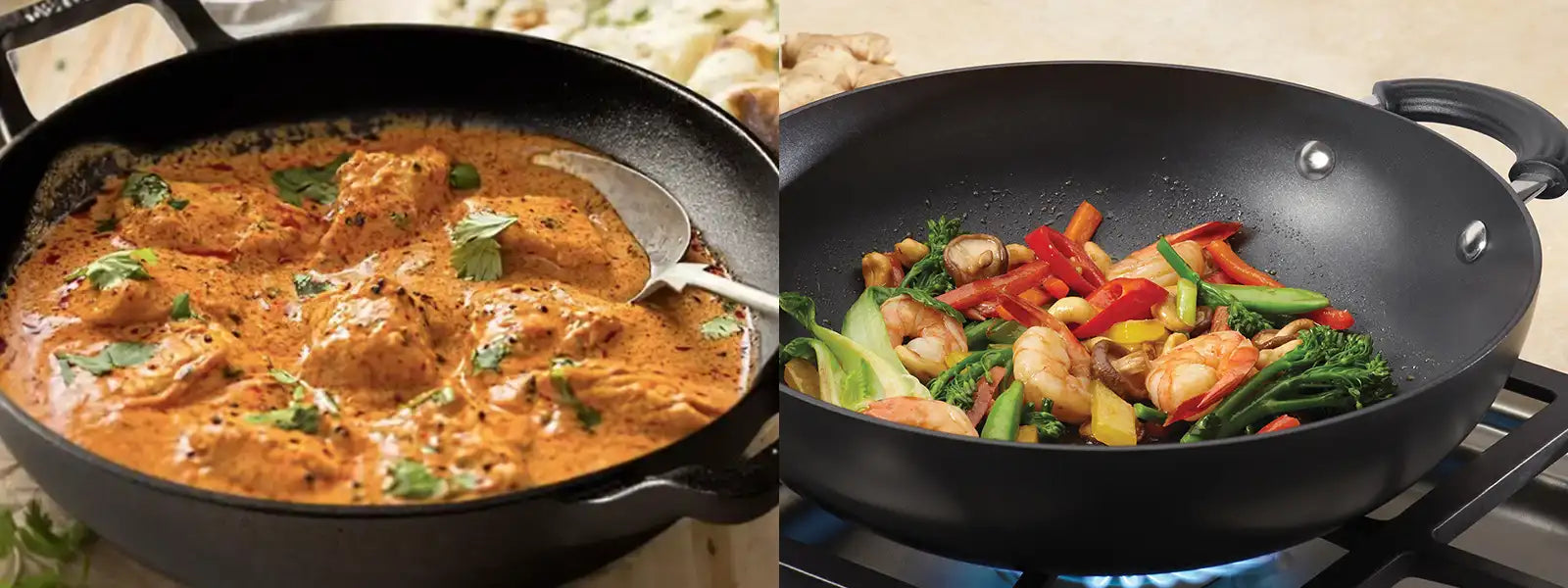
Cast iron Vs Non-stick cookware: Which one is good for you?
2 Items
Choosing Between Stainless Steel and Non-Stick Frying Pans
2 Items
Difference Between Nonstick and Stainless Steel Kitchen Cookware
2 Items
Nonstick Cookware: A Solution for Weight Loss Plateaus
2 ItemsFrom Our Shop



Leave a comment